
Lake Pontchartrain, a vast and enigmatic body of water, holds a unique place in the heart of Louisiana and the broader Gulf Coast region. Often mistaken for a true lake, it is, in fact, an estuary, a brackish mixing zone where freshwater from rivers meets the saline embrace of the Gulf of Mexico. Its sheer size dominates the landscape north of New Orleans, influencing everything from local weather patterns to the cultural fabric of the communities along its shores. Visitors and locals alike are often struck by its expansive horizon, a seemingly endless stretch of water that can feel more like an inland sea than a typical lake.
The question of its depth is one of the first things that comes to mind when encountering this majestic natural wonder. Despite its immense surface area—approximately 630 square miles, making it the second-largest saltwater lake in the United States by surface area—Lake Pontchartrain is remarkably shallow. On average, the lake’s depth hovers around 12 to 14 feet (3.7 to 4.3 meters). This relatively shallow average depth is a defining characteristic of the estuary, profoundly impacting its ecosystem, historical significance, and the array of recreational activities it supports. While certain dredged channels, particularly around navigation routes or deep-water ports, can reach depths of up to 20 feet or occasionally more, these are exceptions rather than the rule for the vast majority of the lakebed. The deepest natural point is often cited as being around 65 feet, found in specific depressions, but these are rare occurrences within the general, shallow basin.
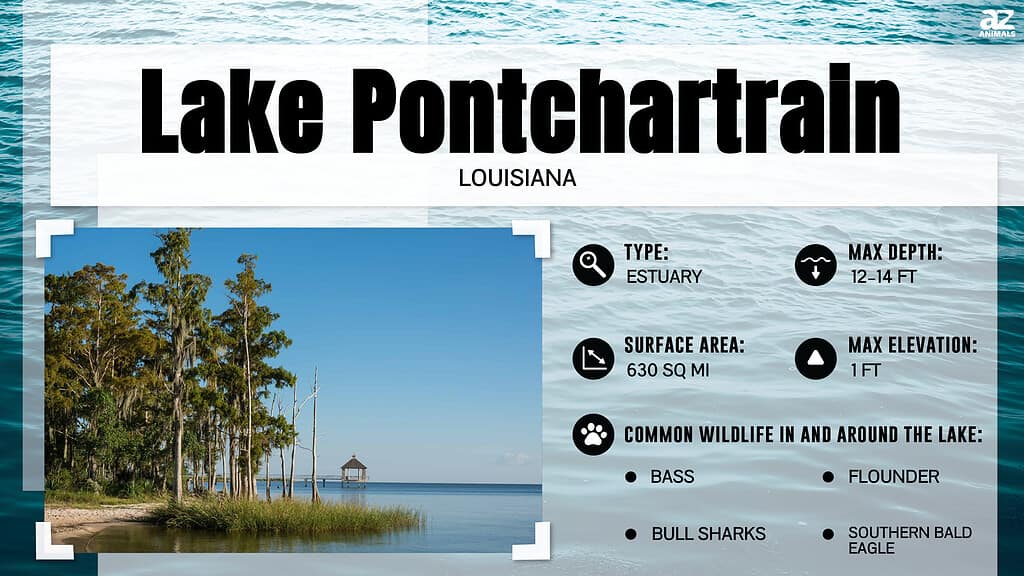
This shallowness plays a critical role in the lake’s dynamic environment. It allows for rapid temperature changes, influencing the types of marine life that thrive within its waters. Furthermore, the extensive shallow areas contribute to the lake’s susceptibility to storm surges during hurricanes, a factor that has historically shaped the development and protection strategies for New Orleans and other surrounding communities. Understanding the depth of Lake Pontchartrain is not merely a matter of scientific curiosity; it unlocks a deeper appreciation for this unique Louisiana landmark, shedding light on its ecological intricacies, its historical challenges, and its enduring appeal as a destination for travel and leisure.
The Geography and Formation of a Unique Estuary
Lake Pontchartrain’s geographical identity as an estuary is central to understanding its characteristics, including its depth. Unlike freshwater lakes formed in glacial depressions or volcanic craters, Lake Pontchartrain originated as a marine lagoon, carved out and shaped by the deltaic processes of the Mississippi River over thousands of years. As the river shifted its course, it built up natural levees and ridges, effectively creating a basin that eventually became the lake. Over time, sediment deposition and changes in sea level further defined its relatively shallow contours.
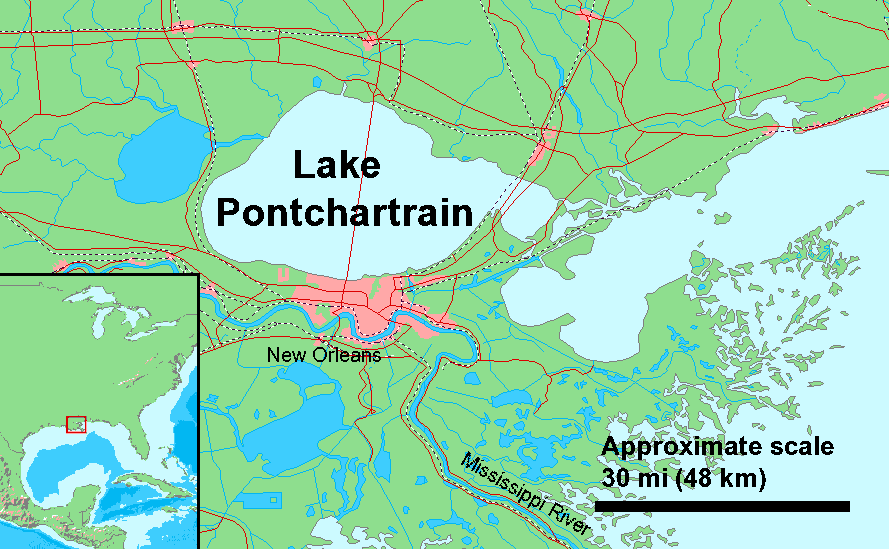
The lake is bordered by five Louisiana parishes: Orleans Parish, Jefferson Parish, St. Tammany Parish, Tangipahoa Parish, and St. Charles Parish. Its connection to the Gulf of Mexico is maintained through two natural passes: the Rigolets and Chef Menteur Pass, located on its eastern side. These passes allow for the ebb and flow of tidal waters, creating the brackish environment that supports a diverse array of flora and fauna, characteristic of an estuarine system. Freshwater inputs primarily come from rivers like the Tangipahoa River, Tchefuncte River, and Tickfaw River, which flow from the north.
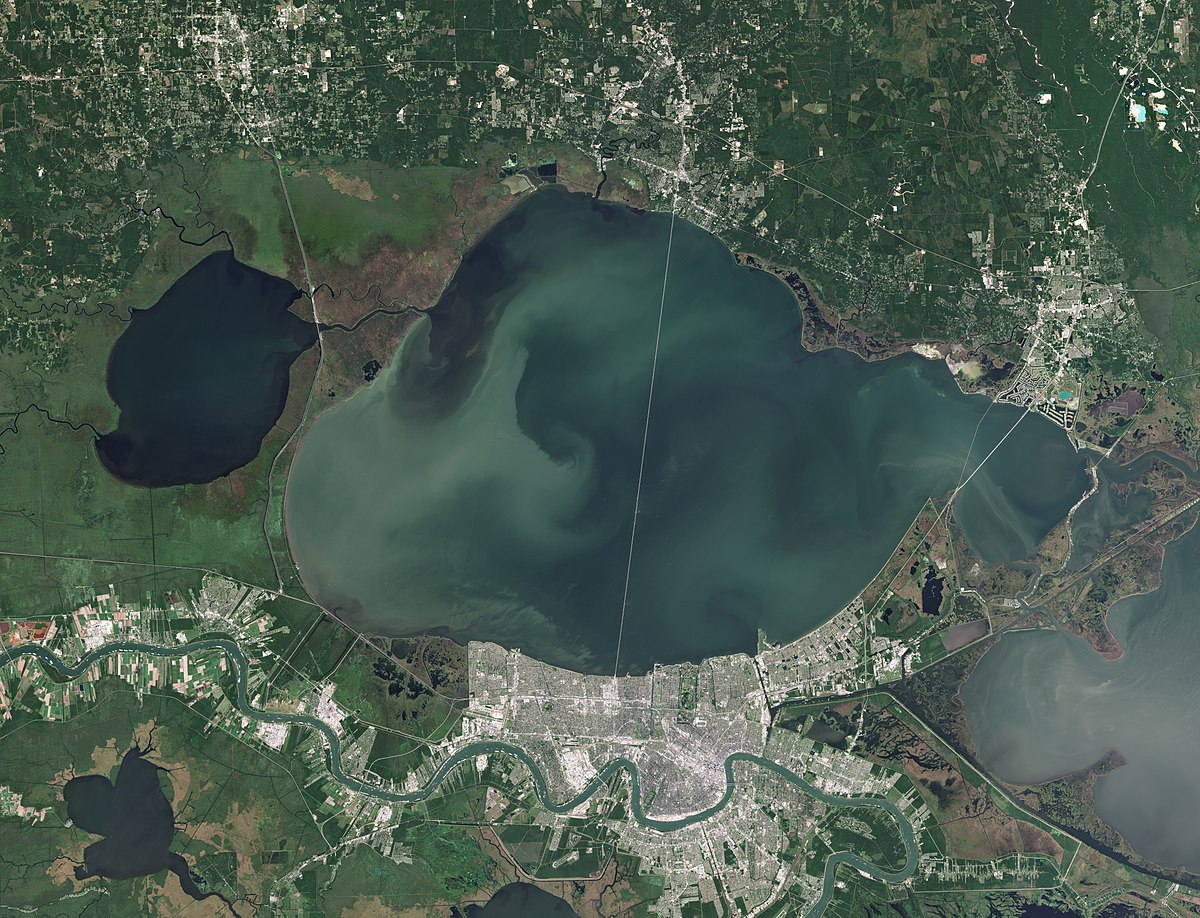
The flat topography of the region, combined with the slow processes of sedimentation, has resulted in a broad, shallow basin. This geological history explains why the lake, despite its impressive span, lacks the profound depths found in geologically different bodies of water. The interaction of freshwater and saltwater, influenced by tides, rainfall, and evaporation, creates a dynamic ecosystem. This makes Lake Pontchartrain a prime example of an invaluable coastal wetland, providing crucial habitats for aquatic species and serving as a natural buffer for coastal communities.
Engineering Marvels: The Lake Pontchartrain Causeway
Perhaps the most famous man-made structure associated with Lake Pontchartrain is the Lake Pontchartrain Causeway. This engineering marvel, recognized as one of the world’s longest continuous over-water bridges, spans 23.83 miles (38.35 km) directly across the lake, connecting Mandeville on the Northshore to Metairie (near New Orleans) on the Southshore. Its construction, completed in two phases (the first span in 1956, the second in 1969), was a testament to human ingenuity and a vital link for commerce and commuting in the region.
Driving across the Causeway Bridge offers a unique travel experience, a seemingly endless horizon of water and sky that can feel almost meditative. For a significant portion of the journey, land disappears from view, creating an exhilarating sense of isolation and vastness. This landmark bridge not only facilitates daily life but also serves as a tourist attraction in its own right, offering unparalleled views of the lake and its often dramatic weather changes. The construction of such a massive structure over shallow, brackish water presented numerous engineering challenges, but its successful completion reshaped travel and development patterns around the lake. It remains a symbol of Louisiana’s ambition and ability to connect its diverse communities.
A Rich Tapestry of History and Culture
The history of Lake Pontchartrain is deeply interwoven with the narrative of Louisiana itself, stretching back thousands of years before European arrival. Indigenous peoples, including the Choctaw, Houma, and Chitimacha tribes, revered the lake, utilizing its abundant resources for sustenance and transportation. They established communities along its shores, their lives intrinsically linked to its rhythms and bounty.
European exploration brought the French to the region in the late 17th century. The lake was named by French explorer Pierre Le Moyne d’Iberville in 1699, honoring Louis Phélypeaux, comte de Pontchartrain, the French Minister of Marine at the time. Its strategic location quickly made it a crucial waterway for trade and defense, connecting the fledgling colonial settlements, including New Orleans, to the wider world via the Gulf of Mexico. Canals like the New Basin Canal and the Carondolet Canal were dug in the 19th century to further connect New Orleans directly to the lake, facilitating the transport of goods and people.
The lake has also played a significant role in various conflicts, from colonial skirmishes to the War of 1812, where it served as a vital naval route. In modern times, Lake Pontchartrain has been at the forefront of engineering challenges related to flood control and hurricane protection. The massive levee systems, floodgates, and pump stations are testaments to the continuous effort to protect the densely populated areas around its southern rim, particularly New Orleans. The devastation wrought by Hurricane Katrina in 2005 highlighted the critical importance of these defenses and spurred unprecedented investment in the Lake Pontchartrain and Vicinity Hurricane Protection Project.
Culturally, the lake is embedded in the Louisiana psyche. It is a source of folklore, a backdrop for countless stories, and a provider of culinary delights. The shrimping, crabbing, and fishing industries have sustained generations of families, contributing distinct flavors to Cajun and Creole cuisines. Its shores host vibrant festivals, family gatherings, and quiet moments of reflection, making it much more than just a body of water—it is a living, breathing part of the state’s identity.
Environmental Stewardship and Conservation Efforts
Given its ecological importance and its direct impact on surrounding communities, the environmental health of Lake Pontchartrain is a paramount concern. Decades of industrialization, urban development, and agricultural runoff took a toll on the lake’s water quality and ecosystem. However, significant strides have been made in recent years thanks to dedicated conservation efforts.
Organizations like the Lake Pontchartrain Basin Foundation have spearheaded initiatives to restore water quality, protect wetlands, and educate the public about the importance of the estuary. These efforts have led to a remarkable comeback for the lake, which is now cleaner and healthier than it has been in decades. This environmental recovery has, in turn, boosted recreational opportunities, attracting more visitors who seek to enjoy its natural beauty responsibly. Visitors interested in the lake’s ecology can explore interpretive centers and participate in guided tours that highlight the diverse plant and animal life, including various bird species, fish, and even alligators in certain areas. These initiatives underscore a commitment to preserving this crucial natural resource for future generations, ensuring that its cultural and recreational value endures.
Exploring Lake Pontchartrain: Tourism and Attractions
For travelers seeking a blend of natural beauty, historical intrigue, and vibrant local culture, Lake Pontchartrain and its surrounding areas offer a wealth of experiences. The lake itself is a focal point for numerous activities, while the charming towns and bustling city of New Orleans provide diverse attractions and accommodation options.
Recreational Activities on the Water
The relatively shallow depth of Lake Pontchartrain makes it ideal for a variety of water sports and recreational activities.
- Boating: From leisurely cruises to exhilarating powerboat rides, the expansive waters are perfect for boating enthusiasts. Marinas located in towns like Mandeville, Slidell, and West End (New Orleans) offer boat rentals, launches, and services.
- Fishing and Crabbing: The brackish waters are teeming with marine life, making Lake Pontchartrain a popular spot for fishing. Anglers can expect to catch speckled trout, redfish, flounder, and croaker. Crabbing is also a beloved local pastime, offering a delicious reward.
- Kayaking and Paddleboarding: The calmer sections of the lake and its bayous provide excellent conditions for kayaking and stand-up paddleboarding, allowing visitors to explore the coastline and observe wildlife up close. Several outfitters offer rentals and guided tours.
- Swimming and Beaches: While not a traditional beach destination, specific areas like Fontainebleau State Park on the Northshore offer designated swimming areas and sandy shores perfect for picnicking and enjoying the lake breeze.
Northshore Charms: Mandeville and Slidell
The Northshore of Lake Pontchartrain, encompassing towns like Mandeville and Slidell, offers a distinctly different vibe from the bustling Southshore. It’s characterized by quaint communities, lush natural areas, and a more relaxed pace of life, making it a perfect destination for family trips or those seeking a tranquil escape.
- Mandeville: Known for its historic lakefront, live oak trees draped in Spanish moss, and charming downtown, Mandeville is a picturesque town. The Mandeville Lakefront is ideal for strolling, biking, or enjoying a sunset. The Dew Drop Jazz & Social Hall, a historic venue, hosts regular jazz performances.
- Slidell: Situated on the eastern side of the Northshore, Slidell serves as a gateway to the area’s bayous and swamps. It’s a popular spot for swamp tours, offering an exciting way to encounter alligators, birds, and other wildlife in their natural habitat. The Slidell Cultural Center and charming Old Towne district add to its appeal.
- Fontainebleau State Park: Located near Mandeville, this stunning state park offers camping, cabins, hiking trails, a sandy beach on the lake, and incredible birdwatching opportunities. It’s built on the site of a former sugar plantation, with ruins still visible, adding a historical layer to its natural beauty.
New Orleans and the Southshore
While not directly on Lake Pontchartrain’s shores, the vibrant city of New Orleans is intrinsically linked to the lake, lying just south of its expansive waters. The Causeway Bridge connects visitors from the Northshore directly to the metropolitan area, making it easy to combine a tranquil lake experience with the city’s unparalleled attractions.
- Audubon Park and Audubon Zoo: A historic urban park offering scenic walks and a world-class zoo.
- French Quarter: The historic heart of New Orleans, famous for its architecture, music, food, and vibrant nightlife.
- Garden District: Known for its stunning antebellum mansions and lush gardens.
- City Park: One of the largest urban parks in the United States, home to the New Orleans Museum of Art and extensive recreational facilities.
- Lakefront Dining: Along the New Orleans lakefront, visitors can enjoy seafood restaurants with picturesque views of Lake Pontchartrain and the marina, offering a taste of local cuisine in a relaxed setting.
Accommodation and Travel Experiences Around Lake Pontchartrain
Whether planning a luxury getaway, a budget-friendly adventure, or a family-focused trip, the Lake Pontchartrain region offers diverse accommodation options and travel experiences to suit every lifestyle.
Hotels, Resorts, and Vacation Rentals
- Luxury and Boutique Hotels: In New Orleans, travelers can find an array of upscale hotels, from historic gems in the French Quarter to modern resorts in the Central Business District. On the Northshore, boutique hotels and charming bed-and-breakfasts offer a more intimate experience. Consider options like The Roosevelt New Orleans, A Waldorf Astoria Hotel for ultimate luxury or the Hotel Peter & Paul for unique charm.
- Mid-Range and Budget-Friendly Stays: Numerous chain hotels and independent motels are available in Metairie, Kenner, Mandeville, and Slidell, providing comfortable and affordable options. Many offer amenities like pools, free breakfast, and easy access to local attractions.
- Vacation Rentals and Apartments: For those seeking a longer stay, more space, or a home-away-from-home feel, vacation rentals (via platforms like Airbnb or VRBO) are popular. You can find everything from cozy cottages on the Northshore to spacious apartments in New Orleans, often with full kitchens and multiple bedrooms, ideal for family trips or groups.
- Camping and Cabins: Fontainebleau State Park offers excellent camping facilities, including RV sites and rustic cabins, providing an immersive nature experience right on the lake. This is a fantastic option for budget travelers and outdoor enthusiasts.
Crafting Your Lake Pontchartrain Experience
- Family Trips: The Northshore provides a relaxed, family-friendly environment with parks, nature trails, and accessible water activities. The Audubon Zoo and Audubon Aquarium of the Americas in New Orleans are also popular with children.
- Budget Travel: Utilizing state park campgrounds, exploring free attractions like the Mandeville Lakefront, and enjoying local eateries for authentic, affordable Louisiana cuisine can make a Lake Pontchartrain trip economical.
- Luxury Travel: Combine stays at opulent New Orleans hotels with private boat charters on the lake, gourmet dining experiences, and guided historical tours for an indulgent journey.
- Business Stays: The proximity of Lake Pontchartrain to New Orleans makes it an attractive retreat for business travelers looking to unwind after conferences or meetings in the city. The Northshore also has convention facilities and business-friendly accommodations.
- Local Culture and Food: No visit to Louisiana is complete without savoring its culinary heritage. Along Lake Pontchartrain, expect fresh seafood—shrimp, oysters, crab—prepared in various Cajun and Creole styles. Don’t miss opportunities to try local favorites like gumbo, jambalaya, and po’boys at lakeside restaurants or charming bistros in Mandeville and Slidell. Farmer’s markets on the Northshore also offer local produce and artisanal goods.
In conclusion, the depth of Lake Pontchartrain is but one fascinating aspect of this remarkable Louisiana landmark. Its shallow, brackish waters tell a story of geological formation, historical significance, and ecological resilience. From its iconic Causeway Bridge to its thriving shores, the lake offers a diverse palette of experiences for every type of traveler. Whether you’re drawn by the allure of water sports, the tranquility of a state park, the charm of Northshore towns, or the vibrant energy of New Orleans, Lake Pontchartrain stands ready to offer an unforgettable journey into the heart of the Gulf Coast.
LifeOutOfTheBox is a participant in the Amazon Services LLC Associates Program, an affiliate advertising program designed to provide a means for sites to earn advertising fees by advertising and linking to Amazon.com. Amazon, the Amazon logo, AmazonSupply, and the AmazonSupply logo are trademarks of Amazon.com, Inc. or its affiliates. As an Amazon Associate we earn affiliate commissions from qualifying purchases.