
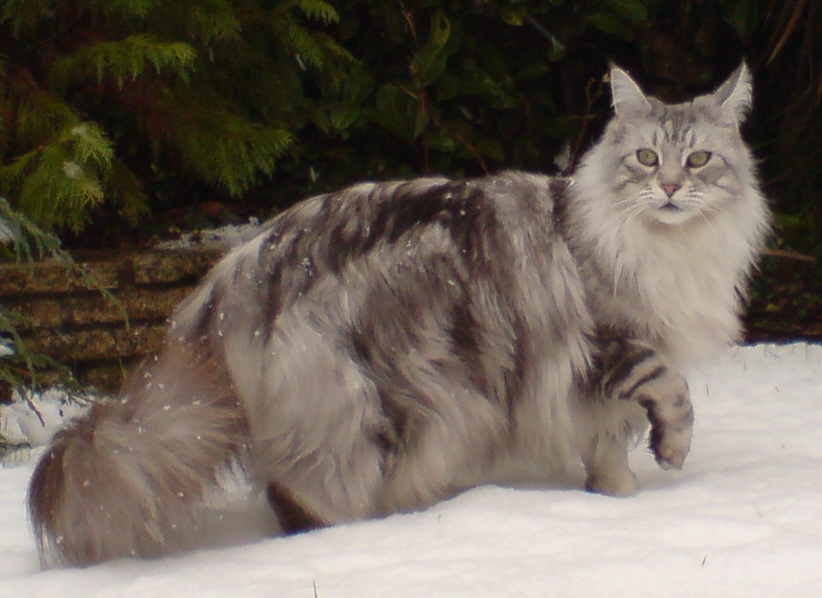
The Maine Coon, often heralded as America’s only native long-haired cat breed, is a true marvel of the feline world. Known for their striking appearance, bushy tails, tufted ears, and most notably, their impressive size, these gentle giants capture the hearts of many. For prospective owners, current enthusiasts, or even those simply intrigued by their majestic presence, one of the most frequently asked questions revolves around their stature: “How much does a Maine Coon cat weigh?” Understanding their typical weight and the factors influencing it is crucial, not just for their health, but also for practical considerations, especially for owners who integrate their beloved pets into diverse lifestyles, from luxury travel to more grounded family trips.
Their substantial size sets them apart from most domestic cat breeds, necessitating specific considerations for everything from their diet and exercise to appropriate accommodation options during travel. Whether you’re planning a cross-country move or simply a weekend getaway, the weight and build of your Maine Coon will inevitably influence your choices, making this a pivotal piece of information for any devoted owner.
The Majestic Maine Coon: Understanding Their Impressive Stature
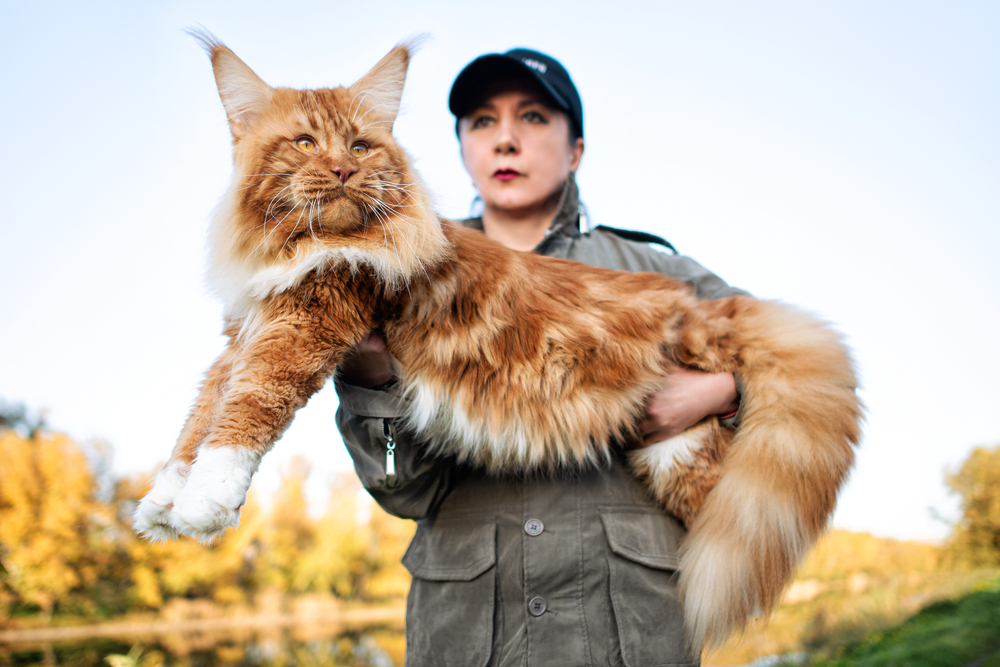
The sheer scale of a Maine Coon is often the first thing people notice, earning them affectionate nicknames like “gentle giants” or “dogs of the cat world.” This substantial physique is a hallmark of the breed, contributing to their robustness and adaptability. Their weight isn’t just a number; it’s an indicator of their breed standard, health, and often, their magnificent presence. For owners who frequently find themselves navigating pet-friendly hotels or resorts, knowing the precise weight and dimensions of their feline companion can simplify everything from booking confirmations to selecting the correct pet carrier for safe passage.
Typical Weight Ranges and Growth Patterns
Maine Coons are one of the largest domesticated cat breeds, and their weight reflects this. However, it’s important to differentiate between males and females, as well as to understand their unique growth timeline. Unlike many cat breeds that reach their full adult size within a year, Maine Coons are slow to mature, often not reaching their full physical development until they are between three to five years old. This extended growth period means their weight will steadily increase over several years.
- Adult Male Maine Coons typically weigh between 13 to 18 pounds (approximately 5.9 to 8.2 kg), though it’s not uncommon for some well-developed males to exceed 20 pounds (9.1 kg) or even reach up to 25 pounds (11.3 kg) in exceptional cases. Their lean, muscular build contributes significantly to this weight, making them surprisingly agile despite their size.
- Adult Female Maine Coons are generally smaller, with a typical weight range of 8 to 12 pounds (approximately 3.6 to 5.4 kg). While still larger than the average domestic cat, they are noticeably more delicate than their male counterparts. Some larger females may reach up to 15 pounds (6.8 kg).
These figures represent healthy, well-nourished Maine Coons. Their weight, combined with their impressive length (up to 40 inches from nose to tail tip) and height, makes them truly commanding animals. Understanding these growth patterns is essential for responsible pet ownership, especially when planning for the future. For example, a kitten might easily fit into a standard pet carrier for a short trip, but an adult Maine Coon might require a specialized, airline-approved carrier designed for larger breeds. This foresight is critical when considering international destinations or long-haul experiences that necessitate safe and comfortable pet travel. Similarly, adjusting their living space, including cat trees and sleeping arrangements in various suites or apartments, becomes a dynamic process throughout their developmental years.
Factors Influencing a Maine Coon’s Size and Health
While genetics play a predominant role in determining a Maine Coon’s ultimate size and weight, several other factors significantly contribute to their overall health and development. Responsible ownership means understanding and managing these elements to ensure your cat thrives, whether at home or accompanying you on your adventures.
Firstly, genetics from reputable breeders are paramount. A well-bred Maine Coon will come from a lineage known for good health and adherence to breed standards, which includes size. Responsible breeders actively screen for genetic health issues like hypertrophic cardiomyopathy (HCM) and hip dysplasia, conditions that can impact a cat’s ability to maintain a healthy weight and active lifestyle. When selecting a kitten, reviewing parentage and health clearances can provide insight into their potential adult size and longevity.
Secondly, diet and nutrition are critical. A high-quality, protein-rich diet appropriate for their age, activity level, and size is essential for healthy growth and weight management. Maine Coons require nutrient-dense food to support their large frames and long, luxurious coats. Overfeeding can lead to obesity, which, regardless of breed, is detrimental to health, increasing the risk of diabetes, joint problems, and heart disease. Conversely, underfeeding can stunt growth and lead to malnourishment. Owners must monitor their cat’s body condition and adjust food intake as needed, a practice that becomes especially vital when routines are disrupted by travel or different living situations, such as a long-term stay in a rented villa.
Thirdly, activity level plays a significant role. Despite their size, Maine Coons are agile and intelligent cats with a playful disposition. Regular exercise, through interactive play, climbing, and exploring, helps them maintain a healthy weight and strong musculature. An active Maine Coon is a healthy Maine Coon. Even when staying in a smaller hotel room or an unfamiliar apartment, providing opportunities for mental and physical stimulation is crucial. This could involve bringing along favorite toys or utilizing available vertical space. This aspect is key for their well-being, especially for pets accustomed to ample space at home.

Lastly, overall health and veterinary care cannot be overstated. Regular check-ups with a veterinarian are vital for early detection and management of any health issues. A healthy cat maintains a healthy weight. Illnesses, parasites, or chronic conditions can all lead to weight loss or gain. Owners who travel frequently should establish a relationship with a veterinarian who understands large breeds and ideally has experience with common Maine Coon health concerns. This proactive approach ensures that your cat remains in peak condition, ready for any adventure you embark on together.
A Traveler’s Companion: Maine Coons in the World of Accommodation and Lifestyle
Integrating a Maine Coon into a mobile or travel-centric lifestyle presents a unique set of considerations, primarily due to their substantial size and specific needs. While the notion of traveling with a pet might conjure images of small dogs in designer carriers, the reality of a large feline companion like a Maine Coon requires careful planning, especially regarding accommodation and maintaining their luxury pet standards. Their adaptability and calm temperament make them surprisingly good travel companions, but their weight and space requirements necessitate thorough preparation.
Navigating Pet-Friendly Accommodations with Your Large Feline
The challenge of finding suitable pet-friendly lodging intensifies when your companion is a majestic Maine Coon. Many hotels and resorts that proudly advertise “pet-friendly” policies often have unspoken or explicit weight restrictions. A smaller domestic cat might effortlessly pass muster, but a 15- to 20-pound Maine Coon could push these limits, or at least draw more attention.
When planning any trip that involves your Maine Coon, thorough research into accommodation options is paramount. Look beyond the general “pet-friendly” label. Specifically, inquire about:
- Weight Limits: Directly ask if there are weight restrictions for pets. Some establishments may have a blanket policy (e.g., “pets under 25 lbs”), while others might be more flexible. A specific inquiry about cats, particularly large breeds, is always best.
- Breed Restrictions: Although less common for cats than for dogs, some places might have restrictions. Clarify this upfront.
- Pet Fees: Be prepared for additional fees, which can vary from a one-time charge to a nightly rate. These fees often cover additional cleaning costs.
- Designated Pet Areas: Some hotels or apartments for long-term stay might have specific floors or sections reserved for guests with pets. This can impact your room choice and proximity to amenities.
- Amenities for Pets: High-end resorts and luxury hotels are increasingly offering specialized amenities for pets, from pet beds and bowls to gourmet meals. While a Maine Coon might not utilize a tiny dog bed, a spacious room or suite with ample floor space will certainly be appreciated. For example, establishments like the Kimpton Hotels chain are renowned for their genuinely pet-welcoming approach, often without size restrictions, making them an excellent choice for larger pets. Another example is the Loews Hotels group, known for its “Loews Loves Pets” program which includes services like pet room service.
Booking directly and speaking with staff about your specific needs—mentioning you travel with a large cat—can often yield the best results. Pictures of your well-behaved Maine Coon can sometimes help ease concerns. Remember to bring familiar items like their bed, toys, and litter box (a portable, collapsible one is ideal for travel) to help them settle into unfamiliar surroundings more comfortably, whether it’s a bustling city hotel or a tranquil countryside villa.
The Luxury Pet Lifestyle: Ensuring Comfort and Well-being on the Go
Owning a Maine Coon often signifies a commitment to a certain quality of lifestyle that extends to their care. This is particularly true when considering travel. Investing in a Maine Coon means providing them with the best, and this philosophy should extend to their comfort and safety while on the move.
For their size, selecting the right travel carrier is critical. A standard cat carrier will likely be too small and uncomfortable for an adult Maine Coon. Look for extra-large, sturdy carriers that meet airline specifications (if flying) and provide enough space for them to stand, turn around, and lie down comfortably. Brands like Petmate or Sleepypod offer larger options designed for bigger breeds, ensuring their journey is as stress-free as possible. For road trips, a secured crate or a specially designed car seat that accommodates their size and weight can prevent injury and provide a sense of security.
Beyond the carrier, specialized pet gear for trips is a hallmark of the luxury pet lifestyle. This includes collapsible food and water bowls, a sufficient supply of their regular high-quality food (to avoid dietary upsets), a portable litter box system, and their favorite toys and blankets. These items not only provide comfort but also maintain a sense of routine, which is vital for a cat’s psychological well-being in new environments. Consider also a pet first-aid kit, a leash and harness (many Maine Coons can be leash-trained), and up-to-date identification tags and microchip information, especially when visiting international destinations.
For long-term stays or international moves, the planning becomes even more intricate. This involves understanding import regulations for specific countries (e.g., United Kingdom‘s strict quarantine rules vs. more lenient entry for pets in some European nations), obtaining necessary health certificates, and potentially working with a pet relocation service that specializes in large breeds. The cost of such services can be substantial, reflecting the commitment to a seamless transition for your feline companion. Whether it’s a business stay or an extended vacation, ensuring your Maine Coon’s needs are met to the highest standard is an integral part of responsible luxury pet ownership.
Exploring Destinations with Your Feline Friend: Tourism and Landmarks
While the idea of exploring landmarks or engaging in typical tourism activities with a cat might seem unconventional, the growing trend of pet-friendly travel is slowly making it more feasible. For Maine Coon owners, whose pets are often leash-trained and enjoy companionship, this opens up new possibilities for shared adventures. The blend of a majestic feline companion with iconic backdrops adds a unique dimension to any travel narrative.
Pet-Friendly Destinations and Attractions: More Than Just a Place to Stay
The landscape of pet-friendly travel is continually evolving, with an increasing number of cities and regions embracing pet owners. While it’s still more common to see dogs in public spaces, some destinations are becoming more welcoming to cats, especially well-behaved, leashed felines. This trend is particularly noticeable in outdoor-centric attractions and certain urban areas.
For example, many national parks and state parks in the United States offer pet-friendly trails, allowing adventurous Maine Coons to experience the natural beauty alongside their owners (always check specific park rules). In metropolitan areas, outdoor cafes and patios in cities like Portland, Oregon or Austin, Texas are often welcoming to leashed pets. Some European cities, too, particularly in France or Italy, are famously more relaxed about pets in public, though indoor access for cats (especially large ones) remains rare beyond dedicated pet establishments.
The rise of specialized pet tourism companies and online guides has also made it easier for owners to plan trips around their pets’ needs. These resources often highlight pet-friendly activities, veterinary services, and specific landmarks or attractions that permit feline visitors. While a visit inside the Louvre Museum in Paris with your Maine Coon might be out of the question, a stroll through the Tuileries Garden or along the Seine River could be a delightful experience. The key is to seek out outdoor or specifically designated pet-friendly attractions and always prioritize your cat’s comfort and safety.
Cultural Nuances: Cats in Global Societies and Feline-Inspired Experiences
Beyond direct travel with pets, exploring the role of cats in global culture and tourism can be an enriching experience for any feline enthusiast. Many destinations celebrate cats, offering unique perspectives on their place in society, history, and art. This connection to “local culture” and unique “activities” can enhance a travel itinerary for Maine Coon owners, even if their own cat stays home.
Consider the famous “cat islands” of Japan, such as Aoshima or Tashirojima, where feline populations far outnumber humans. These unique landmarks have become significant attractions for cat lovers worldwide, offering a fascinating glimpse into a society that reveres its feline inhabitants. Similarly, cities like Rome are home to ancient cat sanctuaries, such as Largo di Torre Argentina, where hundreds of stray cats live among ancient ruins, cared for by dedicated volunteers. These sites offer a rich historical and cultural context for the human-feline bond.
In many parts of the world, cat cafes have become popular urban attractions, especially prevalent in Asia but now also found in major European and American cities. These establishments allow visitors to interact with resident cats in a relaxed environment, offering a unique “experience” for travelers who miss their own pets or simply enjoy feline company. While not directly involving your Maine Coon, these aspects of global tourism highlight the universal appeal of cats and can be woven into a broader lifestyle of appreciation for these magnificent creatures. Traveling with a Maine Coon, with their impressive size and striking appearance, often becomes an attraction in itself, drawing admirers and sparking conversations wherever you go, turning your journey into a shared cultural experience.
Maintaining Optimal Weight for a Lifetime of Adventures
The impressive weight of a Maine Coon is a defining characteristic, but maintaining that weight within a healthy range is paramount for their longevity and quality of life. Whether your Maine Coon is a homebody or a seasoned traveler, careful attention to their diet, exercise, and routine health checks ensures they remain robust and ready for whatever adventures lie ahead. A healthy weight contributes significantly to their overall well-being, enabling them to fully embody the adaptable and playful spirit for which the breed is renowned.
Diet, Exercise, and Routine Veterinary Care for a Healthy Maine Coon
Achieving and maintaining a healthy weight for a Maine Coon is a holistic endeavor, integrating a balanced diet, regular physical activity, and consistent professional veterinary oversight.
Diet and Nutrition: Given their large size and potential for developing certain health conditions, a high-quality, species-appropriate diet is non-negotiable. Maine Coons thrive on a diet rich in animal protein. Owners should choose premium cat foods formulated for large breeds or those that cater to their specific nutritional needs. Portion control is essential; free-feeding can quickly lead to excess weight gain, especially in less active cats. Consulting with a veterinarian about the ideal caloric intake based on your cat’s age, activity level, and existing health conditions is highly recommended. For traveling cats, maintaining consistency in their diet is crucial to prevent digestive upset. Bringing pre-portioned meals and their usual food can make adjusting to new accommodations smoother.
Exercise and Mental Stimulation: Despite their considerable weight, Maine Coons are agile and muscular. They require regular opportunities for physical activity to burn calories, maintain muscle tone, and prevent boredom. This includes interactive play sessions with toys, climbing on sturdy cat trees that can support their weight, and exploring their environment. Many Maine Coons also enjoy walking on a leash, offering a unique way to get exercise and explore safe outdoor spaces, even when staying in a new city or near a landmark. Providing environmental enrichment, especially during longer stays in hotels or apartments, is vital to keep them mentally stimulated and prevent destructive behaviors that can arise from boredom or stress.
Routine Veterinary Care: Regular veterinary check-ups, typically once a year for adult cats and more frequently for kittens or seniors, are fundamental. These visits allow for monitoring of weight, early detection of potential health issues common to Maine Coons (such as hip dysplasia, which can be exacerbated by excess weight, or hypertrophic cardiomyopathy), and discussions about preventative care. Your vet can provide tailored tips on diet, exercise, and overall health management, ensuring your Maine Coon maintains their optimal weight and remains healthy enough for an active lifestyle that might include travel and new experiences. Staying current on vaccinations and parasite prevention is also crucial, particularly for cats that may encounter diverse environments.
The Enduring Charm: Why Maine Coons Make Exceptional Companions
Beyond their impressive weight and striking appearance, Maine Coons are cherished for their delightful personalities, which make them exceptional companions for a wide range of lifestyles. Their gentle nature, intelligence, and surprising adaptability allow them to integrate seamlessly into diverse home environments, and even, with careful planning, into the world of travel and tourism.
Maine Coons are known for being incredibly affectionate without being overly demanding. They enjoy being part of family activities, often following their owners from room to room or engaging in playful “conversations” with their distinctive chirps and trills. This strong bond makes them particularly suitable for family trips, as they typically adapt well to new faces and routines, provided they feel secure and loved. Their patience and good temperament also make them excellent pets for homes with children or other animals, further cementing their status as ideal family companions.
Their adaptability is a key trait for owners who embrace a mobile lifestyle. While any change can be stressful for a cat, Maine Coons often handle new environments better than many other breeds, especially if they are introduced to travel from a young age. Their calm demeanor can be a huge advantage when navigating bustling airports, staying in unfamiliar hotels, or settling into a long-term accommodation abroad. This makes them surprisingly good candidates for those interested in budget travel where flexibility is key, or even luxury travel where their comfort is paramount.
Ultimately, the question of “How much does a Maine Coon cat weigh?” opens up a broader conversation about responsible pet ownership, tailored care, and the incredible joy these magnificent creatures bring to our lives. Their impressive size is just one facet of their charm, underpinning a lifestyle that celebrates their unique qualities and integrates them fully into the family, whether at home or exploring the world.
LifeOutOfTheBox is a participant in the Amazon Services LLC Associates Program, an affiliate advertising program designed to provide a means for sites to earn advertising fees by advertising and linking to Amazon.com. Amazon, the Amazon logo, AmazonSupply, and the AmazonSupply logo are trademarks of Amazon.com, Inc. or its affiliates. As an Amazon Associate we earn affiliate commissions from qualifying purchases.