
When planning a trip to the vibrant city of Minneapolis, Minnesota, one of the initial logistical considerations often overlooked is the local time zone. For travelers embarking on an adventure, managing business communications, or simply scheduling their sightseeing, understanding Minneapolis’s time zone is crucial for a seamless and enjoyable experience. This guide delves into the specifics of Minneapolis’s position on the global clock, offering insights into its practical implications for travel, tourism, accommodation, and the overall lifestyle experienced in this gem of the Midwest.
Understanding Minneapolis’s Time Zone: Central Standard Time (CST)
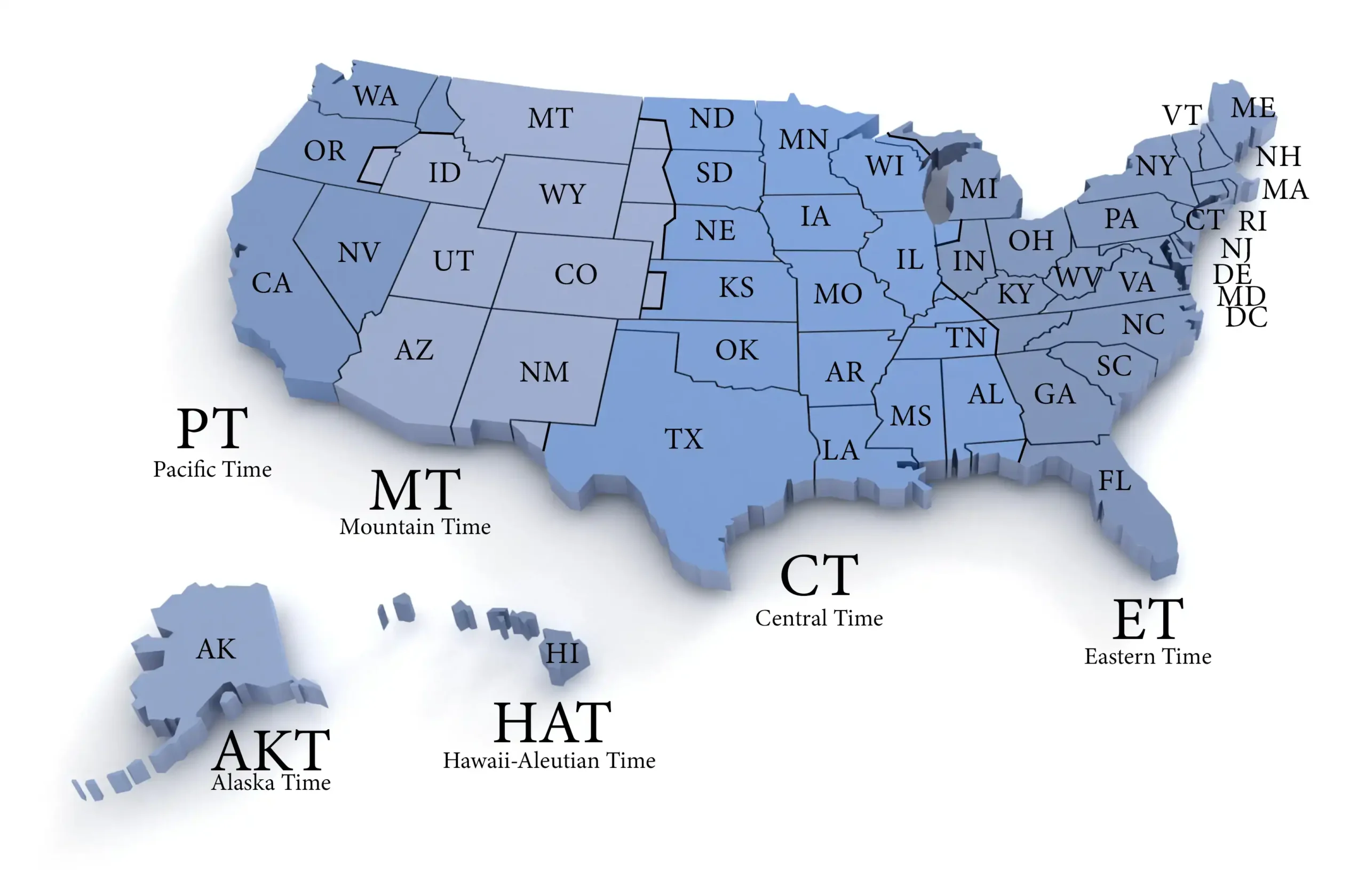
At its core, Minneapolis operates within the Central Time (CT) zone, a designation shared by many states in the central United States. This means that for a significant portion of the year, the city observes Central Standard Time (CST), which is UTC-06:00. This places it six hours behind Coordinated Universal Time (UTC), the primary time standard by which the world regulates clocks and time. Understanding this baseline is the first step to unlocking a worry-free visit to the Twin Cities.
The Basics of Central Time (CT)
The Central Time zone is one of the four principal time zones that span the continental United States and Canada. It stretches from the Gulf of Mexico northwards through the Great Plains and up into central Canada. For international travelers, comparing Minneapolis’s CST to their home time zone is paramount. For instance, those arriving from London (which is on Greenwich Mean Time or UTC+0 during standard time) will find Minneapolis six hours behind. Visitors from the East Coast of the United States, operating on Eastern Time (ET), will note a one-hour difference, with Minneapolis being an hour behind. Similarly, travelers from the West Coast (Pacific Time PST) will experience a two-hour leap forward when heading to Minneapolis. This seemingly minor detail becomes critical when coordinating meetings, booking tours, or simply calling loved ones back home.
Daylight Saving Time in Minneapolis: Embracing Central Daylight Time (CDT)
Like most of the United States, Minneapolis observes Daylight Saving Time (DST). This means that on the second Sunday in March, clocks “spring forward” by one hour, shifting Minneapolis from CST (UTC-06:00) to Central Daylight Time (CDT) (UTC-05:00). This change grants an extra hour of daylight in the evenings, a welcome phenomenon for residents and tourists alike, particularly during the beautiful Minnesota spring, summer, and early fall months. The switch back to CST occurs on the first Sunday in November, when clocks “fall back” by one hour. For those planning trips during these transition periods, it’s essential to double-check flight times, hotel reservations, and event schedules, as the time change can occasionally lead to confusion if not accounted for. The adoption of CDT significantly impacts tourism and lifestyle, extending the hours available for outdoor activities and evening entertainment.
Geographic Context: Why Minneapolis Sits in CT
Minneapolis’s location in the heart of North America geographically dictates its placement within the Central Time zone. Time zones are generally structured around lines of longitude, with each zone ideally spanning 15 degrees of longitude. While political and practical considerations often lead to irregular borders, Minneapolis falls comfortably within the conventional boundaries of CT. Bordering states to the west, like North Dakota and South Dakota, also observe CT, though parts of these states extend into the Mountain Time Zone. To the east, states like Wisconsin and Illinois also reside in CT, creating a contiguous block of synchronized time that facilitates commerce, communication, and travel throughout the region. This logical division aids in preventing the chaotic situation of constantly changing times over short distances, simplifying everything from cross-state road trips to regional business operations.
Travel Planning and the Minneapolis Time Zone
Effective travel planning requires a keen awareness of time zones, especially when venturing to a destination like Minneapolis from a distant origin. The slight variations can have significant impacts on comfort, schedules, and even cost. Proactive consideration of the time difference can turn a potentially stressful journey into a smooth transition.
Optimizing Your Arrival: Flights and Accommodations
The first point of contact for many travelers is Minneapolis-Saint Paul International Airport (MSP), a bustling hub that connects the Twin Cities to destinations worldwide. When booking flights, all arrival and departure times are listed in local time. This means a flight departing New York City at 8:00 AM ET and arriving in Minneapolis three hours later will land at approximately 10:00 AM CT, not 11:00 AM. For those from the West Coast, a flight leaving Los Angeles at 8:00 AM PT would arrive in Minneapolis around 2:00 PM CT (a four-hour flight plus a two-hour time difference).
This time difference is equally vital for accommodation bookings. Hotel check-in times are strictly local. Arriving “early” by your departure time might mean you’re actually late for check-in by Minneapolis standards, or vice-versa. Always confirm your hotel’s check-in window and plan your arrival accordingly to avoid unnecessary waiting or extra fees. Many hotels in Minneapolis, from luxury resorts in Downtown Minneapolis to charming boutique hotels in Uptown Minneapolis, are well-versed in assisting travelers with time zone adjustments, often offering flexible check-in options if pre-arranged.
Conquering Jet Lag: Tips for a Seamless Transition
Jet lag is the unwelcome companion of many long-distance travelers, and understanding Minneapolis’s time zone is the first step in mitigating its effects. For those arriving from the East Coast or Europe, the shift can disrupt sleep patterns and energy levels. To minimize jet lag:
- Adjust gradually: A few days before your trip, try to shift your sleep schedule closer to Minneapolis time.
- Stay hydrated: Drink plenty of water before and during your flight.
- Embrace local time immediately: Once you arrive, reset your watch and try to stick to the local schedule for meals and sleep, even if it feels unnatural at first.
- Seek daylight: Exposure to natural light helps reset your body clock. Spend time outdoors at Minnehaha Park or by the Mississippi River to help your body adjust.
- Manage caffeine and alcohol: While tempting, excessive consumption can exacerbate jet lag.
For business travelers, a successful transition can mean the difference between productive meetings and a struggle to focus. Prioritizing rest upon arrival is a luxury often worth investing in, perhaps by booking an early check-in at a well-appointed suite or apartment hotel.
Business and Communication: Staying Connected Across Time Zones
For visitors on business trips or those needing to stay in touch with colleagues, clients, or family across different time zones, Minneapolis’s CT status is a critical piece of information. When scheduling virtual meetings, conference calls, or simply making routine phone calls, always clarify the time zone of all participants.
- A 9:00 AM Minneapolis call means 10:00 AM on the East Coast, 7:00 AM on the West Coast, and possibly late afternoon or evening in Europe or Asia.
- For international business, using UTC as a reference point can help avoid confusion. Minneapolis is UTC-06:00 during CST and UTC-05:00 during CDT.
Many online scheduling tools automatically convert time zones, but a quick manual double-check can prevent missed appointments and maintain professional rapport. Hotels and accommodations in Minneapolis often cater to business travelers with amenities like 24-hour business centers and reliable Wi-Fi, making it easier to manage these communication challenges.
Experiencing Minneapolis: Time-Sensitive Attractions and Activities
The rhythm of life in Minneapolis is closely tied to its time zone, affecting everything from museum hours to dining experiences and local events. Being mindful of the local clock will ensure you don’t miss out on any of the city’s incredible offerings.
Iconic Landmarks and Their Operating Hours
Minneapolis boasts a wealth of landmarks and attractions, each with specific operating hours. These hours are always advertised in local Minneapolis time. For example:
- The Mill City Museum, housed in the ruins of the Washburn A Mill, typically opens at 10:00 AM or 11:00 AM and closes in the late afternoon.
- The Walker Art Center and its adjacent Minneapolis Sculpture Garden also adhere to standard operating hours, which can vary seasonally.
- The Mall of America, a massive shopping and entertainment complex, has extended hours but still operates strictly on CT (or CDT).
- Outdoor landmarks like the Stone Arch Bridge and Minnehaha Park are accessible from dawn till dusk, making daylight hours (influenced by DST) particularly important for planning visits.
Always check the official websites for the most up-to-date information on opening times, particularly if your visit coincides with holidays or the Daylight Saving Time transitions. Many tourism guides and apps will automatically display times in your device’s local time, so ensure your device’s time zone settings are correct upon arrival.
Culinary Delights and Evening Entertainment
Minneapolis’s vibrant food scene and diverse nightlife also operate according to the local clock. Restaurant reservation times, happy hour specials, and showtimes for theaters like the Guthrie Theater or live music venues like First Avenue are all set to Minneapolis local time.
- Dinner reservations at 7:00 PM CT will feel like 8:00 PM to an East Coast visitor, potentially affecting appetite or readiness for a late meal.
- Concert start times are often prompt, so allow ample time for travel to venues like Target Center or Target Field, keeping the local time in mind.
It’s part of the local culture and lifestyle to embrace the CT rhythm, enjoying meals and entertainment at times that might feel slightly different from your home zone. This adaptation is part of the experience of exploring a new destination.
Seasonal Considerations: Sunlight Hours and Local Events
The length of daylight hours in Minneapolis varies dramatically throughout the year, an important factor for planning activities. During summer, thanks to CDT and the city’s northern latitude, daylight can extend past 9:00 PM, offering long evenings for strolls around Lake Harriet or Bde Maka Ska. In contrast, winter days are much shorter, with daylight fading before 5:00 PM.
This affects scheduling outdoor activities and even influences the timing of local festivals and events. Tourism in Minneapolis often revolves around seasonal offerings, from summer music festivals to winter ice skating. Always consider the season and the corresponding daylight hours when planning your itinerary to maximize your enjoyment of Minneapolis’s natural beauty and vibrant event calendar.
Practical Implications for Your Minneapolis Stay
From checking into your hotel to navigating daily life, the time zone in Minneapolis has practical implications that savvy travelers should consider. These details contribute to a smoother and more efficient visit, whether it’s a short family trip or a longer stay.
Checking In and Out: Hotel Protocols
Accommodation check-in and check-out times are strictly enforced in local time. Most hotels in Minneapolis have a check-in time around 3:00 PM CT and check-out around 11:00 AM CT. If you arrive early after an overnight flight from Europe, you might face a few hours of waiting before your room is ready. Conversely, planning an evening departure means you’ll need to check out by the designated time or arrange for a late check-out, which often incurs an additional fee.
Many hotels offer luggage storage services, allowing you to explore the city without your bags during the interim. If your accommodation includes breakfast, be sure to note its serving times, as missing it due to a time zone miscalculation can be a minor but frustrating inconvenience. Whether you’re staying in a budget-friendly hotel or a luxurious resort with extensive amenities, these time-based protocols are universal.
Making the Most of Your Itinerary
A well-planned itinerary is essential for any trip, and correctly accounting for Minneapolis’s time zone will help you optimize your schedule. When creating your daily plan:
- Buffer time: Always add extra time between scheduled activities to account for travel between locations, unexpected delays, or simply to relax and absorb the surroundings.
- Morning vs. Evening: Decide whether you’re a morning person or an evening person in Minneapolis time. Some attractions are less crowded right at opening, while others offer unique evening experiences.
- Restaurant Reservations: Popular restaurants, especially in areas like Nicollet Mall or North Loop, often require reservations, so book well in advance, specifying your desired local time.
Remember that peak hours for local transportation and traffic will also align with Minneapolis’s working day, generally from 8:00 AM to 5:00 PM CT. Avoiding these times for long journeys can save you valuable exploration time.
Long-Term Stays and Local Rhythms
For those considering a long-term stay in Minneapolis, perhaps for work or an extended vacation, adapting to the local time becomes second nature. Grocery stores, banks, postal services, and other essential local businesses operate within typical CST/CDT hours. This adjustment is part of immersing oneself in the local lifestyle and embracing the daily routines of residents. Engaging with local culture means living by the local clock, attending farmers’ markets on a Saturday morning, catching a Minnesota Twins game in the evening, or simply enjoying the sunset over the lakes. Your rented apartment or extended-stay hotel will quickly feel like home once your internal clock is synchronized.
Beyond the Clock: Embracing the Minneapolis Lifestyle
Ultimately, understanding Minneapolis’s time zone is about more than just setting your watch; it’s about harmonizing with the city’s pulse. It’s about respecting the local lifestyle and making the most of every moment in this dynamic destination.
From Morning Commutes to Evening Strolls
The rhythm of Minneapolis life is defined by its Central Time setting. Mornings begin with a bustling commute to downtown offices or neighborhood cafes, typically starting around 7:00 AM or 8:00 AM. Lunch breaks punctuate the midday, and evenings come alive with diners filling restaurants, theater-goers heading to shows, or friends gathering at breweries. This daily flow, dictated by the CST or CDT clock, forms the backdrop for every experience in the city. Embracing this cadence allows visitors to feel more connected to the local way of life, turning a mere visit into a genuine cultural immersion.
The Impact on Family and Business Travel
For family trips, managing children’s sleep schedules around time zone changes is paramount. Gradual adjustments, consistent routines, and plenty of outdoor play in the local daylight can help young travelers adapt more easily. For those on business stays, the local time zone impacts not only meeting schedules but also networking events, dining with clients, and even finding time for personal well-being amidst a busy itinerary. Planning for early morning jogs along the Mississippi River or late-evening relaxation in a hotel suite requires an awareness of the sun’s position and local operating hours. Understanding how the clock works in Minneapolis is therefore not just a logistical detail, but a key component of effective trip planning for all types of travelers.
A Final Thought on Time and Exploration
In conclusion, Minneapolis, Minnesota, operates on Central Time, observing CST in winter (UTC-06:00) and CDT in summer (UTC-05:00) due to Daylight Saving Time. This fundamental piece of information underpins virtually every aspect of a visit, from the moment you land at Minneapolis-Saint Paul International Airport to the final check-out from your accommodation. By understanding and respecting the local time zone, travelers can optimize their itineraries, minimize jet lag, ensure seamless communication, and fully immerse themselves in the rich tapestry of Minneapolis’s tourism, culture, and vibrant lifestyle. So, set your watch, embrace the Central Time rhythm, and prepare to discover all that this magnificent city has to offer.
LifeOutOfTheBox is a participant in the Amazon Services LLC Associates Program, an affiliate advertising program designed to provide a means for sites to earn advertising fees by advertising and linking to Amazon.com. Amazon, the Amazon logo, AmazonSupply, and the AmazonSupply logo are trademarks of Amazon.com, Inc. or its affiliates. As an Amazon Associate we earn affiliate commissions from qualifying purchases.