
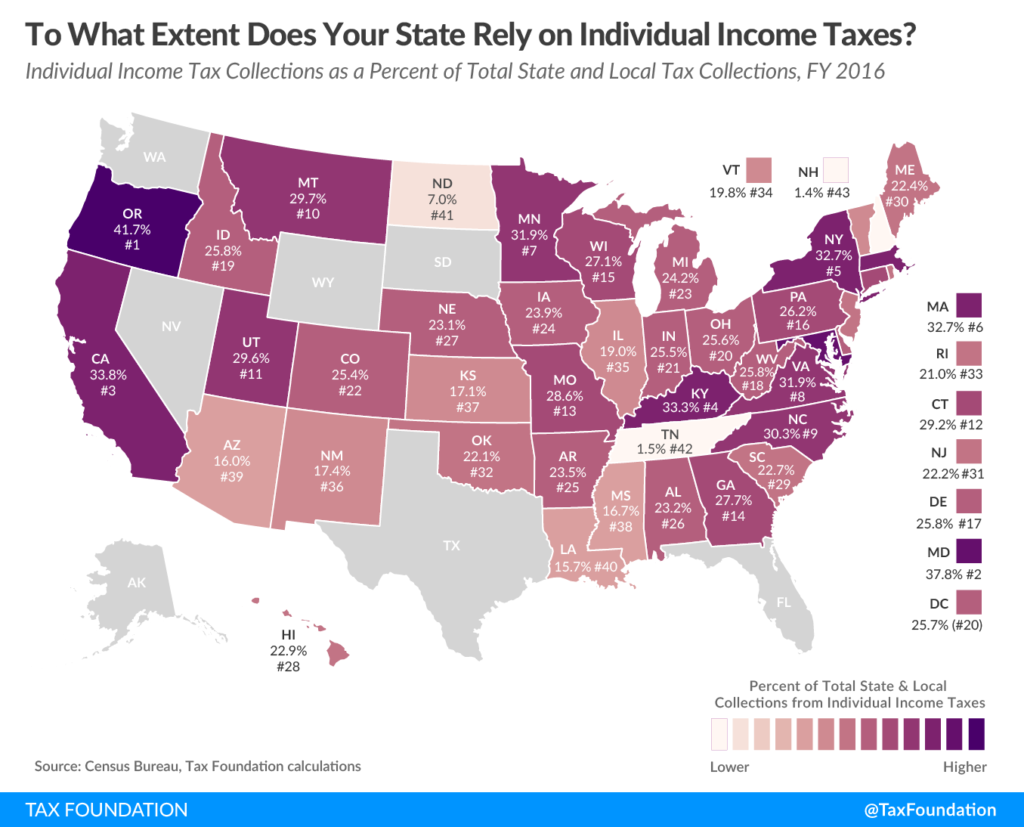
For anyone considering a trip to the Magnolia State, planning a long-term stay, or even contemplating a complete relocation, understanding the financial landscape is as crucial as knowing the best Mississippi landmarks or the most charming hotels. One of the most common questions that arises is whether Mississippi imposes a state income tax. The straightforward answer is yes, Mississippi does have a state income tax. However, the intricacies of this tax, along with other essential financial considerations like sales tax and lodging fees, can significantly impact your travel budget, lifestyle choices, and overall experience in this vibrant southern state.
This guide aims to demystify Mississippi’s tax structure, providing valuable insights for everyone from the casual tourist to the prospective resident. We’ll delve into the specifics of income tax rates, explore how other taxes affect your travel and accommodation costs, and discuss how these financial aspects weave into the broader tapestry of planning your ideal Mississippi adventure or permanent move. Understanding these details upfront can help you budget more effectively, choose the right accommodation, and fully immerse yourself in the local culture and experiences without unexpected financial surprises.
Navigating Mississippi’s Income Tax Landscape
For residents and non-residents alike, understanding how income is taxed in Mississippi is the first step in financial planning related to the state. Whether you’re working remotely from a beautiful resort on the Mississippi Gulf Coast for an extended period, conducting business in Jackson, or simply earning income within the state’s borders, these rules apply.
A Closer Look at the Rates
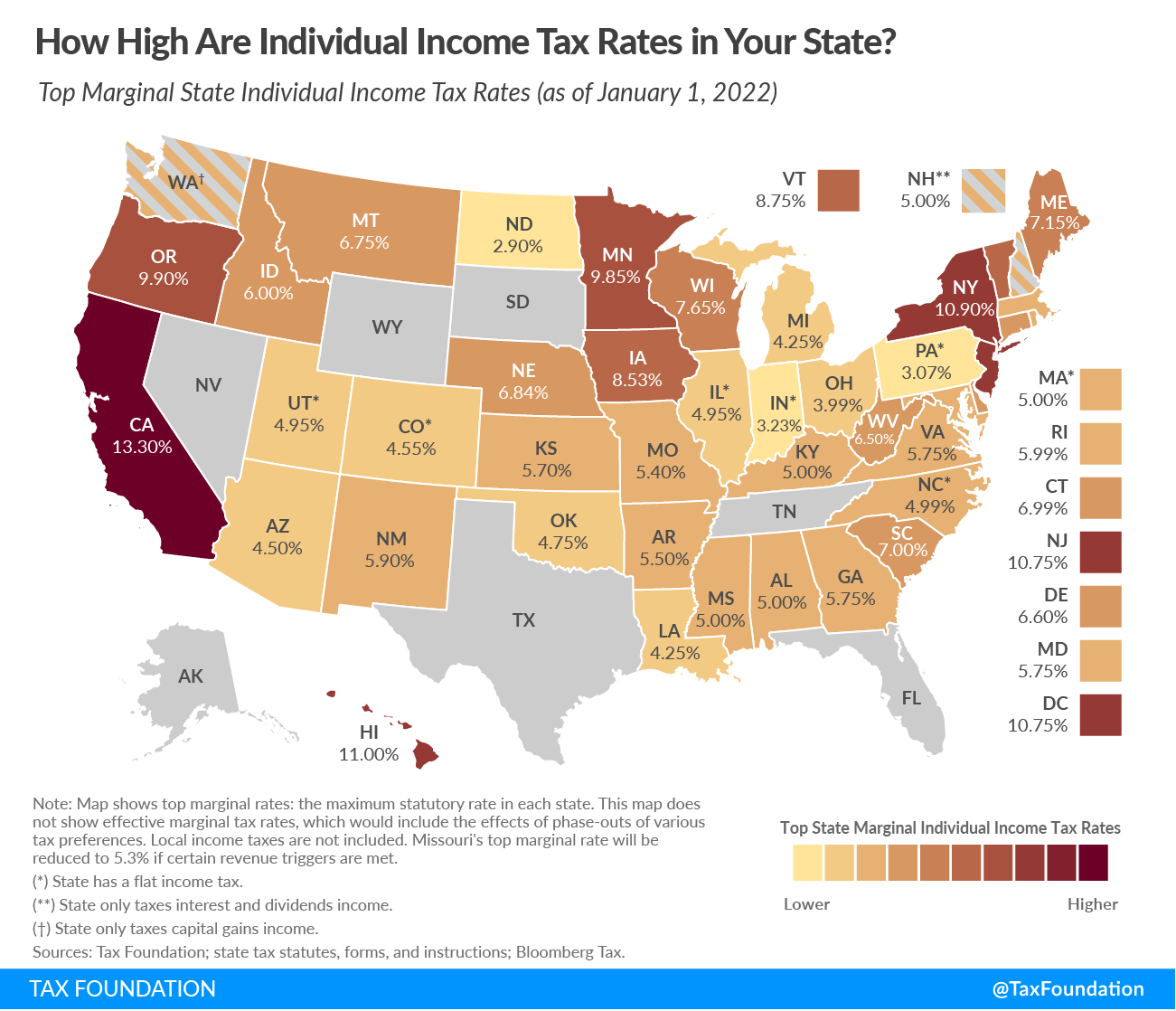
Mississippi operates on a progressive income tax system, meaning that as your taxable income increases, so does the tax rate applied to higher portions of that income. This structure aims to distribute the tax burden more equitably.
Currently, the state income tax rates for Mississippi are as follows:
- 0% on the first $1,000 of taxable income. This initial exemption provides a slight buffer for all taxpayers.
- 3% on taxable income between $1,000 and $5,000.
- 4% on taxable income between $5,000 and $10,000.
- 5% on taxable income over $10,000.
These rates apply to various forms of income, including wages, salaries, interest, dividends, business income, and rental income derived from sources within Mississippi. It’s important to note that these rates are subject to change by legislative action, so it’s always wise to consult the latest information from the Mississippi Department of Revenue or a qualified tax professional for the most current figures.
When calculating your taxable income, Mississippi allows for certain deductions and exemptions, similar to federal tax laws. These can include a standard deduction or itemized deductions, as well as personal exemptions for yourself and your dependents. Understanding and utilizing these can significantly reduce your overall tax liability, leaving more room in your budget for enjoying Mississippi’s unique attractions and experiences.
Who Pays What? Residents vs. Non-Residents
The distinction between a resident and a non-resident for tax purposes is crucial in Mississippi, particularly for those who might be considering extended stays or remote work arrangements.
A resident of Mississippi generally refers to any individual domiciled in the state, or who spends more than six months of the tax year within its borders, even if their legal domicile is elsewhere. Residents are taxed on all income, regardless of where it was earned. This means if you decide to make Mississippi your home, or spend a significant portion of the year enjoying its hospitality, your worldwide income may be subject to Mississippi state income tax.
Non-residents, on the other hand, are only taxed on income derived from Mississippi sources. This is particularly relevant for:
- Business travelers: Income earned during business trips conducted within Mississippi may be taxable.
- Remote workers on extended stays: If you’re working for an out-of-state company but physically performing your duties from a charming apartment in Oxford or a beachfront villa in Biloxi, a portion of your income could be considered Mississippi-source income.
- Performers, athletes, or consultants: Those providing services in Mississippi for a fee.
It’s important to keep meticulous records of your time spent in Mississippi and the source of your income if you fall into the non-resident category. While Mississippi does not have reciprocal tax agreements with many states (meaning you might need to file in both states if you earn income in Mississippi while residing elsewhere), credits for taxes paid to other states often prevent double taxation. Navigating these rules requires careful attention, especially for “digital nomads” or individuals with diverse income streams, to ensure compliance and avoid unnecessary financial burdens while exploring the Mississippi Delta or the historic streets of Vicksburg.

Beyond Income Tax: Other Financial Considerations for Mississippi Visitors and Residents
While income tax is a primary concern for residents and long-term visitors, the cost of experiencing Mississippi extends far beyond this single levy. For travelers, understanding sales tax, lodging taxes, and other fees can be just as, if not more, impactful on their immediate travel budget and overall financial planning. These taxes directly affect everyday expenses, from dining out and souvenir shopping to booking a luxurious suite or a cozy apartment for your stay.
Sales Tax: Impacting Your Travel Budget
The statewide sales tax rate in Mississippi is currently 7%. This tax applies to the sale of most tangible personal property and certain services. For tourists, this means that nearly every purchase, from a meal at a charming local eatery in Natchez to a unique piece of art in Oxford, will have an additional 7% added to its price.
Here’s how it generally impacts your travel budget:
- Dining and Food: All restaurant meals, whether fine dining or casual fast food, are subject to sales tax. This is a significant consideration for travelers who often eat out.
- Retail Purchases: Souvenirs, clothing, groceries (though some basic food items might have exceptions or reduced rates in certain categories, most prepared foods and non-essentials are taxed), and any goods purchased from local shops or large retailers will include the sales tax.
- Entertainment: Tickets to local attractions, museums like the Mississippi Civil Rights Museum in Jackson, or performances may also have sales tax applied, depending on the specific service.
While the 7% state sales tax is uniform, it’s essential to be aware that some localities, cities, or counties might levy additional local sales taxes, though this is less common for general sales tax in Mississippi compared to other states. Always check your receipts to see the breakdown of taxes applied. Factoring this into your daily spending estimates is crucial for maintaining a realistic budget travel approach or ensuring your luxury travel expectations align with the total cost.
Lodging Taxes and Tourism Fees
Perhaps one of the most direct tax impacts on any visitor’s wallet comes from lodging taxes. These are specifically designed to fund local services, infrastructure, and tourism promotion, and they can add a notable percentage to the cost of your accommodation.
In Mississippi, lodging taxes typically comprise both a state lodging tax and local occupancy taxes, which vary significantly by city and county. While the state sales tax (7%) generally applies to hotel rooms, many municipalities add their own specific hotel/motel taxes. For example:
- In popular destinations like Biloxi and other Mississippi Gulf Coast cities known for their casinos and resorts (such as the Beau Rivage Resort & Casino or the IP Casino Resort Spa), lodging taxes can be substantial, often ranging from 10% to 15% or even higher when combined with the state sales tax. These revenues help support local infrastructure and tourism initiatives that enhance the visitor experience.
- Cities like Jackson, Vicksburg, and Oxford also impose their own local lodging taxes, albeit at different rates.
When booking your hotels, suites, resorts, or vacation rentals, always check the total price, including all taxes and fees. What initially appears to be an attractive nightly rate can increase considerably once these lodging taxes are applied. This is especially vital for extended stays where these daily taxes can accumulate rapidly. Understanding these costs beforehand prevents surprises and allows for more accurate budgeting for your Mississippi adventure, whether you’re exploring the history of Vicksburg National Military Park or enjoying the vibrant college town lifestyle in Oxford.
Property Tax: A Factor for Long-Term Stays or Relocation
While property taxes aren’t a concern for short-term tourists staying in hotels or vacation rentals, they become a significant financial consideration for anyone contemplating a “long-term stay” that involves purchasing property or a full “relocation” to Mississippi.
Mississippi’s property tax system is generally considered to be relatively low compared to many other U.S. states. Property taxes are assessed at the county level, and the rates (known as “millage rates”) vary by county and local taxing authorities. The assessed value of residential property for tax purposes is typically 10% of its fair market value, while other types of property (like commercial or industrial) are assessed at higher percentages.
Key aspects for potential residents:
- Homestead Exemption: Mississippi offers a valuable homestead exemption for owner-occupied primary residences. This exemption effectively reduces the taxable value of your home by up to $7,500, which can result in significant savings on your annual property tax bill. This is a strong incentive for those looking to buy a home in the state.
- Millage Rates: These rates are set annually by local governing bodies (county supervisors, city councils, school districts, etc.) and are applied to the assessed value of your property. They fund local services like schools, law enforcement, and infrastructure.
- Impact on Lifestyle: The relatively low property taxes contribute to a generally lower cost of living in Mississippi, making it an attractive option for retirees, families, and individuals seeking a more affordable place to live compared to higher-tax states. This factor plays a crucial role in “lifestyle” decisions, influencing where one might choose to settle down, whether it’s the quiet charm of a small town along the Natchez Trace Parkway or a bustling suburb of Jackson.
Understanding the potential property tax burden is essential when evaluating the full financial picture of homeownership in Mississippi. It’s another piece of the puzzle that contributes to the state’s appeal for those seeking a balance of affordability and quality of life.
Strategic Planning: How Taxes Influence Your Mississippi Experience
Integrating tax awareness into your planning for a Mississippi trip or relocation isn’t just about avoiding penalties; it’s about optimizing your budget, enhancing your experience, and making informed lifestyle choices. By considering the various tax implications, you can allocate your resources more effectively, ensuring you get the most out of your time in this culturally rich state.
Budgeting for Your Mississippi Getaway
Whether you’re embarking on a family trip to the Mississippi Children’s Museum, exploring the blues heritage at the Rock & Blues Heritage Museum, or indulging in a luxury travel escape to a premium resort on the Mississippi Gulf Coast, smart budgeting that accounts for taxes is key.
- Factor in Sales Tax: When estimating daily expenses for meals, shopping, and incidentals, remember to add 7% (or potentially more with local taxes) to your pre-tax calculations. This can prevent overspending and help you stick to your budget travel goals.
- Account for Lodging Taxes: Always inquire about the total nightly rate, including all state and local lodging taxes, before booking any accommodation. A $100 room might cost $110-$115 per night once taxes are added, which adds up significantly over several nights or weeks. Some online booking platforms might display pre-tax prices, so be vigilant.
- Consider Remote Work Implications: If you plan to work remotely during an extended stay, even for a few weeks, assess whether your earnings might be subject to Mississippi’s income tax for non-residents. This might require setting aside funds for potential tax obligations or adjusting your work schedule.
- Seek All-Inclusive Options: For certain experiences or resorts, an all-inclusive package might simplify budgeting by rolling many costs (including some taxes) into a single upfront price. While not universally available, it’s worth exploring, particularly for casino resorts in Biloxi.
By proactively integrating these tax considerations, your financial plan becomes more robust, allowing you to focus on enjoying Mississippi’s unique charm, from exploring historic landmarks like the Elvis Presley Birthplace to savoring the local cuisine.
Lifestyle & Relocation: A Broader Financial Picture
For those eyeing a move to Mississippi or planning a substantial “long-term stay” for remote work or retirement, the combined effect of state income tax, sales tax, and property tax paints a broader financial picture that influences the overall cost of living and lifestyle.
- Overall Tax Burden: While Mississippi has a state income tax, its rates are relatively moderate compared to many other states. Coupled with generally low property taxes (especially with the homestead exemption) and a standard sales tax, the overall tax burden for residents can be quite competitive. This contributes to Mississippi’s reputation for affordability.
- Cost of Living: The state’s tax structure, alongside lower housing costs and other expenses, makes the cost of living in Mississippi appealing. This can stretch your income further, allowing for a higher quality of life, more frequent travel within the state, or greater savings. This is particularly attractive for retirees on fixed incomes or families looking for more value for their money.
- Retirement Planning: Mississippi offers some tax advantages for retirees, as certain retirement incomes, such as social security benefits and most public and private pension incomes, are exempt from state income tax. This can be a significant draw for those planning their golden years.
- Geographic Choices: Different areas within Mississippi offer varied lifestyles. Jackson provides an urban hub, Oxford offers a vibrant college town atmosphere, and the Mississippi Gulf Coast provides coastal living. The underlying tax structure generally supports affordability across these diverse environments, making the choice more about personal preference for culture, attractions, and community rather than prohibitive tax differences.
When considering relocation, a holistic view of all taxes is essential. Consulting with a financial advisor specializing in state tax laws can provide personalized insights into how a move to Mississippi would impact your unique financial situation and help you make the best decision for your desired lifestyle.
Business Travel and Investment Considerations
For individuals on “business stays” or those looking to invest in Mississippi’s burgeoning tourism sector or other industries, understanding the tax environment goes beyond personal income.
- Business Income Tax: Businesses operating in Mississippi are subject to corporate income tax or pass-through entity taxation (for partnerships, S-corps, etc.). This is a critical factor for entrepreneurs considering establishing a new venture, such as a boutique hotel or a tourist attraction.
- Sales Tax for Businesses: Companies selling goods or taxable services in Mississippi are responsible for collecting and remitting sales tax. This includes hotels collecting lodging taxes and retailers collecting sales tax on merchandise.
- Incentives and Credits: Mississippi often offers various tax incentives and credits to attract new businesses and encourage economic development, especially in targeted industries or distressed areas. These can significantly reduce a company’s overall tax burden and should be explored by potential investors.
- Professional Consultation: For complex business structures or significant investments, engaging with Mississippi-specific tax attorneys or accountants is highly recommended. They can provide guidance on compliance, leverage available incentives, and ensure that business stays and operations are structured in the most tax-efficient manner.
Whether you’re visiting for a brief conference in Jackson, exploring investment opportunities in Biloxi, or expanding a remote business presence, a clear understanding of the tax implications is a cornerstone of sound financial planning in Mississippi.
In conclusion, yes, Mississippi does have a state income tax. However, for most travelers, sales tax and particularly lodging taxes will have a more immediate and noticeable impact on their budget. For those considering a long-term stay or relocation, the state’s progressive income tax, combined with relatively low property taxes and exemptions for retirement income, paints a compelling picture of affordability. By understanding these financial considerations, you can confidently plan your next visit or move to Mississippi, ensuring your journey through its rich history, vibrant culture, and stunning natural beauty is as financially smooth as it is memorable. Armed with this knowledge, you are better prepared to embrace all the unique experiences and genuine southern hospitality that Mississippi has to offer.
LifeOutOfTheBox is a participant in the Amazon Services LLC Associates Program, an affiliate advertising program designed to provide a means for sites to earn advertising fees by advertising and linking to Amazon.com. Amazon, the Amazon logo, AmazonSupply, and the AmazonSupply logo are trademarks of Amazon.com, Inc. or its affiliates. As an Amazon Associate we earn affiliate commissions from qualifying purchases.