
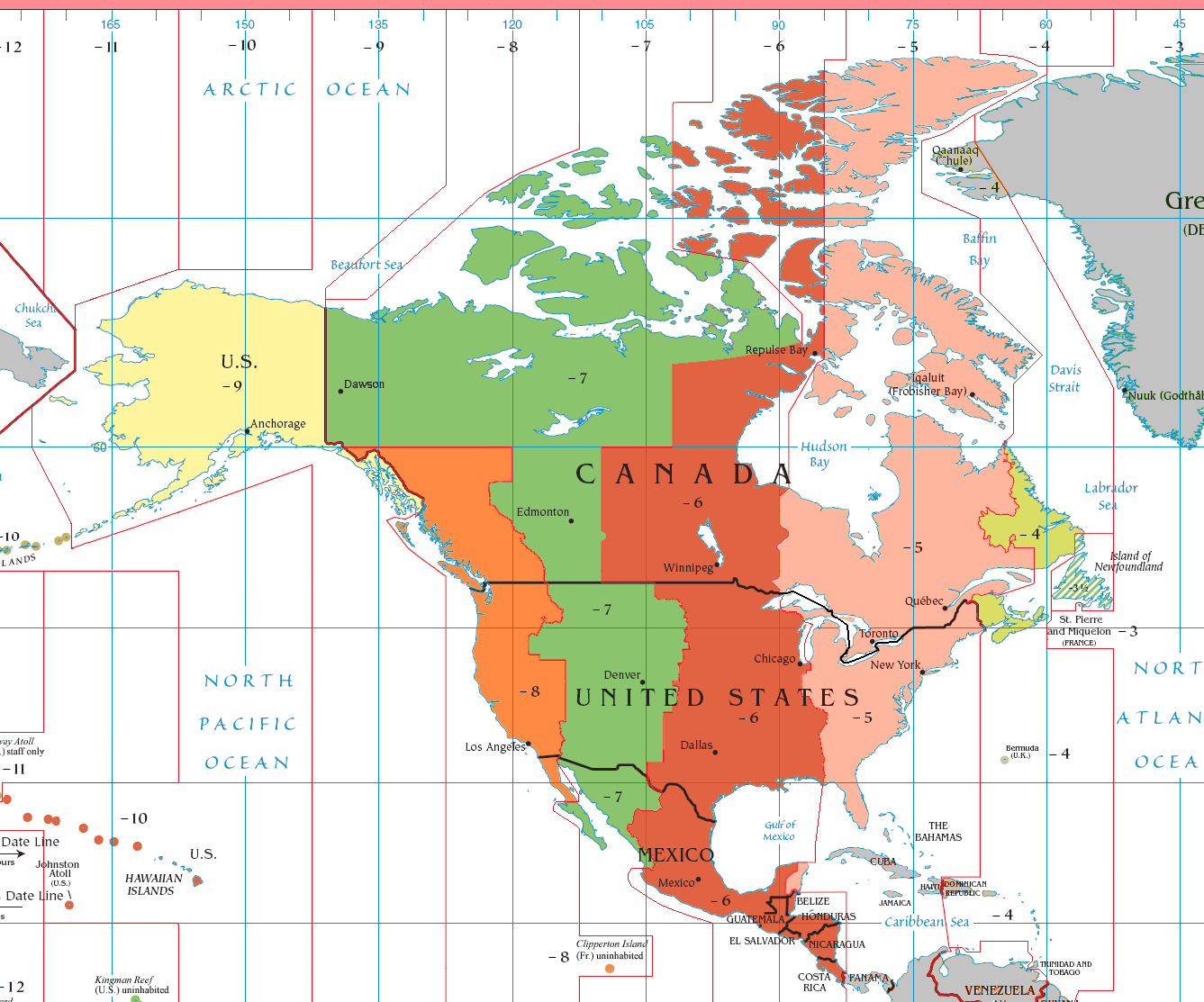
Embarking on a journey to the vast and scenic landscapes of Montana is an adventure that promises unforgettable experiences, from the majestic peaks of Glacier National Park to the geothermal wonders of Yellowstone National Park. As you plan your itinerary, one fundamental aspect that often goes overlooked but is crucial for a seamless trip is understanding the local time zone. So, what exactly is Montana Time? Simply put, Montana observes Mountain Time (MT), which encompasses both Mountain Standard Time (MST) during the colder months and Mountain Daylight Time (MDT) during the warmer periods. This time zone, sitting seven hours behind Coordinated Universal Time (UTC-7) for MST and six hours behind (UTC-6) for MDT, plays a pivotal role in everything from flight schedules and hotel check-ins to the operating hours of national parks and local eateries. For any traveler, whether you’re eyeing a luxury escape, a budget-friendly adventure, a family trip, or a business stay, a firm grasp of Montana Time is essential for optimizing your visit and truly immersing yourself in the rhythm of Big Sky Country.
Understanding Mountain Time: Your Gateway to Montana’s Rhythm
At its core, Mountain Time is more than just a setting on your watch; it’s a fundamental element of planning and experiencing Montana. The state, like much of the western United States, adheres to this time zone, shifting between Mountain Standard Time (MST) and Mountain Daylight Time (MDT). This biannual adjustment, where clocks “spring forward” in March and “fall back” in November, impacts daily life and travel logistics significantly.
Mountain Standard Time vs. Mountain Daylight Time
From early November to mid-March, Montana operates on Mountain Standard Time (MST), which is UTC-7. During these months, the days are shorter, and the sun sets earlier, painting the vast landscapes in a crisp, often snow-covered, light. This can influence planning for outdoor activities, requiring earlier starts to maximize daylight hours, especially for skiing, snowmobiling, or winter hiking.
Conversely, from mid-March to early November, the state switches to Mountain Daylight Time (MDT), which is UTC-6. This change brings longer evenings, pushing sunsets much later into the night, sometimes as late as 9:30 PM in mid-summer. These extended daylight hours are a boon for travelers, allowing for longer explorations of national parks, extended scenic drives, and leisurely evenings dining al fresco in cities like Bozeman, Missoula, or Kalispell. Understanding this shift is vital for booking everything from guided tours in Glacier National Park to dinner reservations at a charming restaurant in Whitefish. Failing to account for this can lead to missed connections, late arrivals, or simply not making the most of the precious daylight Montana offers.
Practical Implications for Your Montana Travel Plans
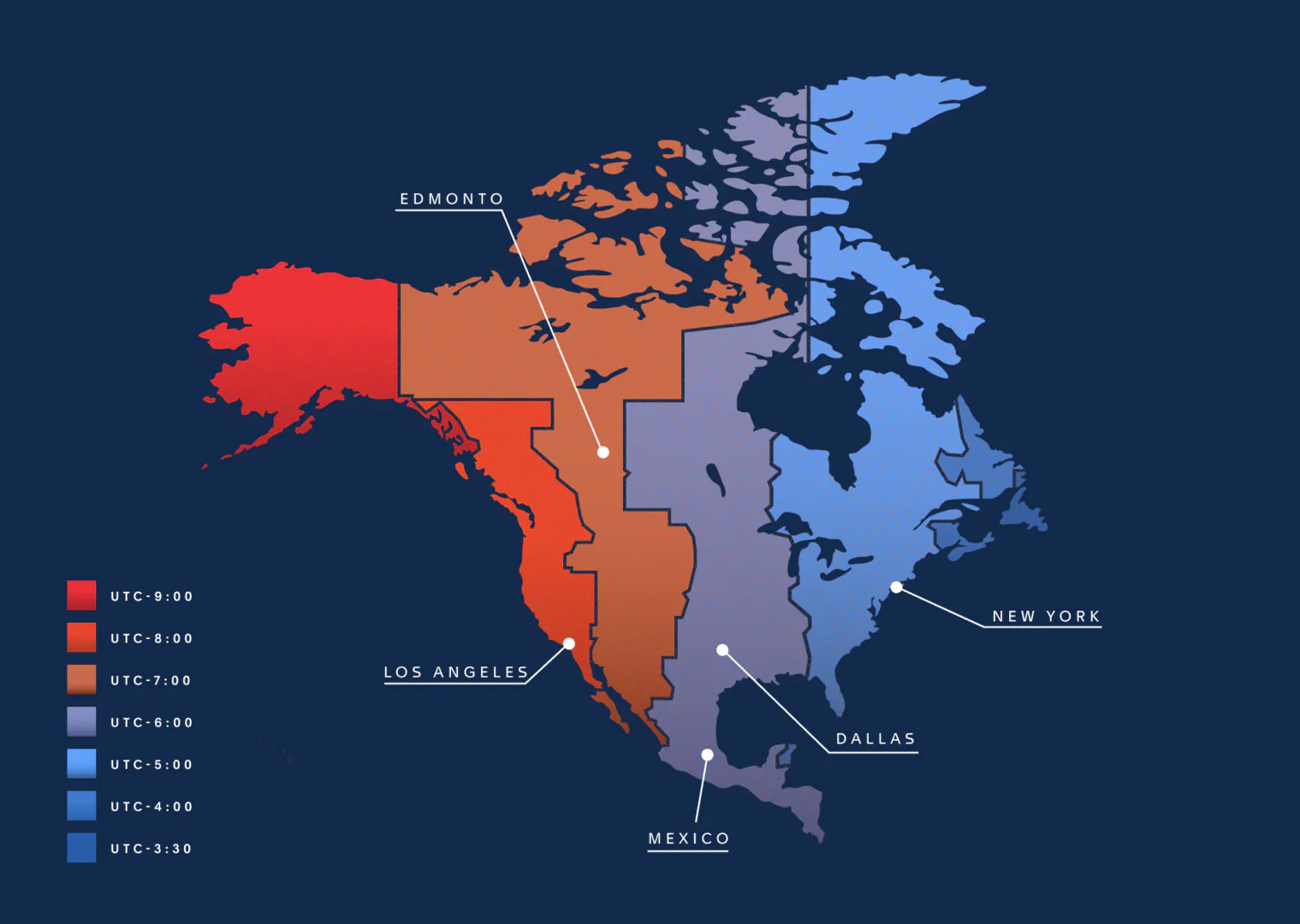
The time zone difference can have profound effects on your travel experience, especially if you’re arriving from an Eastern Time or Pacific Time zone. Jet lag, even a minor one, can impact your initial days. Therefore, it’s wise to schedule a buffer day or plan lighter activities upon arrival to allow your body to adjust.
Travel Logistics: Flights, especially those connecting through major hubs like Denver International Airport or Salt Lake City International Airport, will naturally account for time zone changes, but always double-check your arrival and departure times in local Montana Time. When booking accommodations, remember that check-in and check-out times are strictly adhered to in local time. If you’re arriving early or departing late, consider inquiring about early check-in or late check-out options, or perhaps storing your luggage at the hotel while you explore nearby attractions. Many resorts and boutique hotels across Montana are accustomed to travelers needing such flexibility, often offering amenities like 24-hour reception or comfortable lounge areas.
Booking and Itinerary Planning: When planning activities, tours, or dining experiences, always confirm the times in Mountain Time. A guided rafting trip on the Flathead River or a horseback riding excursion near Big Sky will operate on local time, and showing up an hour late can mean missing out. Likewise, reservation systems for popular attractions, such as the timed entry requirements for certain sections of Glacier National Park, will be based on Montana Time. Leveraging online booking platforms that automatically convert times can be incredibly helpful, but a final manual check is always recommended.

Maximizing Your Montana Experience Across the Clock
Beyond just knowing the current time, understanding how the daily rhythm of Montana Time impacts your journey is key to unlocking the state’s full potential. From the first rays of dawn painting the peaks to the vibrant hues of sunset over vast prairies, each part of the day offers unique opportunities for exploration and enjoyment.
Sunrise to Sunset: Making the Most of Daylight Hours
The extended daylight hours of Mountain Daylight Time during summer are a gift to travelers. Imagine an early morning hike in Glacier National Park, where the crisp air and golden light illuminate iconic landmarks like Lake McDonald or Going-to-the-Sun Road with fewer crowds. Wildlife viewing is also often best at dawn and dusk. For instance, an early drive through Yellowstone National Park’s Lamar Valley increases your chances of spotting bison, elk, and even wolves.
As the day progresses, the sun climbs high, offering prime conditions for exploring landmarks like the Museum of the Rockies in Bozeman, the historic capital of Helena, or the vibrant arts scene in Missoula. Midday is also perfect for leisurely activities, perhaps a paddleboard on Flathead Lake, the largest freshwater lake west of the Mississippi River.
The late sunsets are particularly magical, offering ample time for scenic drives, such as along the Beartooth Highway near Red Lodge, or enjoying a peaceful evening fishing on one of Montana’s many blue-ribbon trout streams. The golden hour, just before sunset, provides unparalleled photographic opportunities, bathing the landscape in a warm, ethereal glow. Cities like Billings or Great Falls come alive with evening strolls, outdoor patios, and local events.
Seasonal Variations and Their Time-Related Impact
Montana’s seasons dramatically alter the length of daylight and, consequently, how you experience the state.
- Summer (MDT): With long days and late sunsets, summer is ideal for extensive outdoor activities. You can enjoy rafting trips, hiking, camping, and exploring attractions like the Gates of the Mountains or the Lewis & Clark Caverns State Park well into the evening. Accommodation choices range from bustling resorts near Yellowstone to tranquil cabins and apartments in charming towns, all benefiting from the extended daylight.
- Autumn (MDT transitioning to MST): This season offers stunning foliage and fewer crowds. As the clocks prepare to “fall back,” the days shorten, and temperatures drop, making mid-day activities more prominent. Planning your visits to popular spots like Virginia City or Nevada City earlier in the day becomes more crucial.
- Winter (MST): Operating on Mountain Standard Time, winter days are significantly shorter. Sunrise might be around 8:00 AM, and sunset as early as 4:30 PM. This period is perfect for winter sports like skiing and snowboarding at world-class resorts such as Big Sky Resort or Whitefish Mountain Resort. Planning your day around these limited daylight hours is essential, especially for avalanche safety courses or guided backcountry tours. Cozy accommodations often feature fire pits and warm amenities to enjoy after dark.
- Spring (MST transitioning to MDT): Spring brings a gradual increase in daylight. This shoulder season can be unpredictable with weather, but it’s a fantastic time for nature photography and enjoying the quiet before the summer rush. As MDT approaches, evenings become lighter, hinting at the long summer days ahead.
Lifestyle, Tourism, and Accommodation in Montana Time
The influence of Montana Time extends deeply into the state’s lifestyle, tourism industry, and accommodation options, shaping the very essence of a visit to Big Sky Country. Locals and visitors alike embrace a rhythm that is often dictated by the sun’s position, a slower pace that complements the expansive natural surroundings.
The Montana Pace: A Lifestyle Shaped by Time
“Montana time” often refers to a more relaxed, less hurried way of life. This isn’t just about the time zone; it’s a cultural nuance. Schedules can be a little more flexible, and there’s an unspoken understanding that the grandeur of the landscape and the demands of nature often take precedence over strict deadlines. For a traveler, this can be a welcome departure from the frantic pace of urban life. Whether you’re on a luxury travel escape to a high-end ranch resort or a budget travel adventure camping under the stars, embracing this relaxed approach can enhance your experience. It encourages lingering longer at a scenic overlook, taking an extra hour on a hiking trail, or simply savoring a meal without rushing.
This mindset also impacts local businesses and services. While major hotel chains and popular attractions maintain regular operating hours, smaller, independent shops and eateries might operate on slightly more fluid schedules, especially in smaller towns. Always check ahead, particularly during off-peak seasons.
Adapting and Thriving: Tips for Travelers
Adjusting to a new time zone, even one or two hours, can be challenging. Here are some tips to make your transition smooth:
- Pre-adjust: If possible, start shifting your sleep schedule a day or two before your trip to align closer with Mountain Time.
- Hydrate and eat well: Staying hydrated and avoiding heavy, sugary foods can help minimize jet lag symptoms.
- Embrace the daylight: Spend time outdoors, especially in the morning light, to help reset your internal clock. This is particularly easy in Montana with its abundant natural beauty.
- Manage device settings: Ensure all your phones, smartwatches, and laptops automatically update to the correct local time. Double-check any manual settings.
- Consider a flexible itinerary: Especially for the first day or two, don’t overschedule. Allow for spontaneity and rest as your body adjusts. This is true for family trips with kids who might be more sensitive to time changes, as well as for business stays where you need to be sharp for meetings.
Accommodations and Services: Time-Sensitive Offerings
Montana’s diverse accommodation options are well-versed in catering to travelers adjusting to Mountain Time.
- Hotels and Resorts: Most hotels and resorts across Montana, from the luxury villas of The Ranch at Rock Creek to comfortable suites in cities like Missoula, offer 24-hour front desks. This is a huge benefit if your flight lands late at night or if you need assistance during off-hours. Amenities like early breakfast services or in-room coffee makers can also be lifesavers for early risers who are still adjusting. Some properties, especially those geared towards long-term stay guests, may offer more flexible check-in/check-out options or luggage storage, allowing you to maximize your time without being burdened by your bags.
- Tourism Activities: Tour operators for everything from fishing guides to snowmobile excursions will clearly state their meeting times in local Montana Time. Be punctual! For attractions like the Grizzly & Wolf Discovery Center in West Yellowstone, check their seasonal operating hours, as these can change with the shift between Mountain Standard Time and Mountain Daylight Time. Many online booking platforms facilitate accurate scheduling, providing detailed information and allowing for easy comparison of options.
- Dining and Local Culture: Dining hours in Montana generally follow typical American patterns, but smaller towns might have earlier closing times for restaurants. In larger cities like Bozeman or Billings, you’ll find a wider range of dining options with varying hours. Many local food establishments pride themselves on their use of fresh, local ingredients, offering a taste of Montana at any hour of the day. Embrace the opportunity to sample regional specialties, whether it’s a hearty breakfast before a day of hiking or a relaxed dinner under the long summer twilight.
In conclusion, “What is Montana Time?” is more than just a simple answer about a time zone. It’s an invitation to understand and adapt to the unique rhythm of the state. By being mindful of Mountain Time, its daylight saving shifts, and its impact on daily life and tourism services, you can ensure your trip to Montana is not only perfectly timed but also deeply enriching and stress-free. So set your watches, prepare for breathtaking views, and immerse yourself fully in the unforgettable experience that awaits in Big Sky Country.
LifeOutOfTheBox is a participant in the Amazon Services LLC Associates Program, an affiliate advertising program designed to provide a means for sites to earn advertising fees by advertising and linking to Amazon.com. Amazon, the Amazon logo, AmazonSupply, and the AmazonSupply logo are trademarks of Amazon.com, Inc. or its affiliates. As an Amazon Associate we earn affiliate commissions from qualifying purchases.