
Embarking on a journey to the sprawling landscapes of Montana, often referred to as the Big Sky Country, promises an unforgettable experience filled with majestic mountains, pristine wilderness, and vibrant local culture. However, before you dive into planning your itinerary, securing the perfect accommodation, or scouting the most breathtaking landmarks, a fundamental piece of information is essential for a seamless trip: understanding the local time. For any traveler, whether venturing from within the United States or across international borders, knowing the current time in your destination is not merely a matter of curiosity; it’s a critical component of effective travel planning, ensuring smooth transitions, timely arrivals, and optimal enjoyment of every moment.
Montana operates predominantly within the Mountain Time Zone (MT), a designation that carries specific implications for how you schedule your days, from flight departures and hotel check-ins to guided tours and dining reservations. This comprehensive guide will not only clarify Montana’s time zone intricacies but also delve into how this knowledge can empower you to craft the ultimate Montana adventure, harmonizing your travel plans with the rhythms of this magnificent state. We’ll explore the impact of Daylight Saving Time, offer insights into planning your activities around local time, and highlight some of the incredible destinations and accommodations that await, all while emphasizing the importance of timing in maximizing your travel experience.
Understanding Montana’s Time Zone
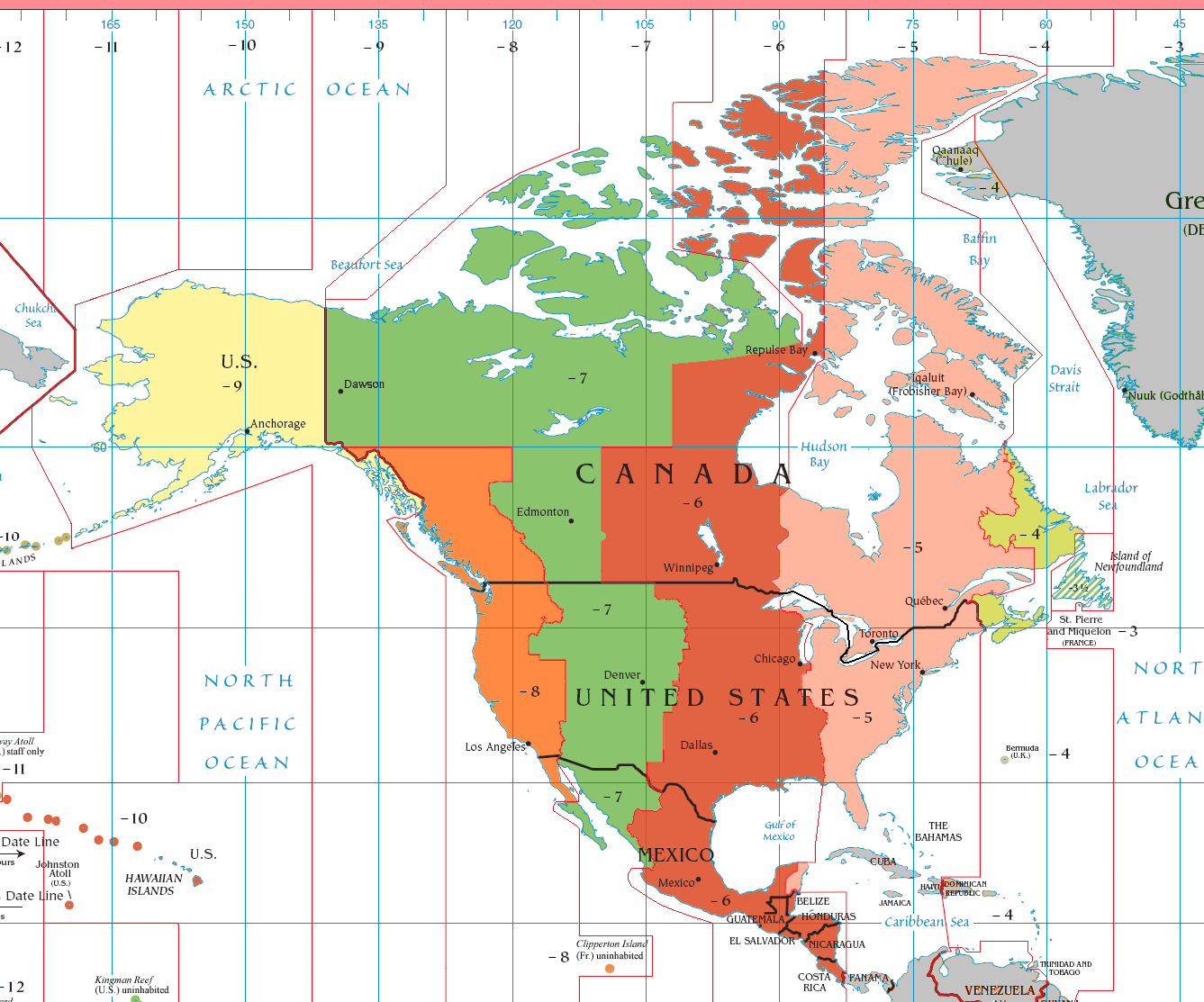
For travelers and residents alike, grasping the specifics of Montana’s time zone is the first step toward efficient planning and a stress-free visit. The state’s position in the western half of the United States places it squarely within the Mountain Time Zone, a standard that governs much of the Rockies region.
Mountain Time Zone Explained
The Mountain Time Zone (MT) is one of the six standard time zones observed in North America. It is generally seven hours behind Coordinated Universal Time (UTC-7) during Standard Time, which is referred to as Mountain Standard Time (MST). This means that when it is noon UTC, it is 5:00 AM MST.
Geographically, the Mountain Time Zone spans a significant portion of the western United States and Canada. In the United States, states such as Colorado, Wyoming, Utah, New Mexico, and parts of Idaho, Kansas, Nebraska, North Dakota, South Dakota, Oregon, and Texas adhere to MT. It’s crucial to note that one exception within the zone is Arizona, which does not observe Daylight Saving Time. This distinction is important because it means that during the summer months, Arizona remains on MST while other MT states switch to MDT.
Daylight Saving Time and Its Impact
Like most of the United States, Montana observes Daylight Saving Time (DST). This annual practice involves advancing clocks by one hour during warmer months, typically starting on the second Sunday in March and ending on the first Sunday in November. When DST is in effect, Montana switches from Mountain Standard Time (MST, UTC-7) to Mountain Daylight Time (MDT, UTC-6).
The primary purpose of Daylight Saving Time is to make better use of daylight, shifting an hour of daylight from the morning to the evening. For travelers, this means longer evenings for outdoor activities, sightseeing, and dining al fresco. However, it also means adjusting your internal clock and potentially rescheduling activities if you’re arriving during a transition period. Always double-check the current time, especially if your trip spans these changeover dates. Modern smartphones and computers automatically update, but it’s always wise to confirm, particularly when coordinating with local businesses or tour operators who might still operate on a different internal rhythm.
Practical Implications for Travelers
Understanding Montana’s time zone and its adherence to Daylight Saving Time is paramount for a smooth travel experience. Here’s why:
- Flights and Transportation: All flight times, train schedules, and bus departures and arrivals will be listed in local time. A flight arriving in Bozeman at 3:00 PM will be 3:00 PM MDT or MST, depending on the season. Failing to account for time zone changes or DST can lead to missed connections or unnecessary delays, especially if you’re traveling from a different time zone.
- Hotel Check-ins and Check-outs: Most hotels, from luxury resorts to budget-friendly accommodations, operate on strict check-in and check-out times. Knowing the local time ensures you arrive when your room is ready and depart without incurring extra charges.
- Tours and Activities: Whether you’re planning a guided fly-fishing excursion on the Gallatin River, a wildlife safari in Yellowstone National Park, or a historical walking tour in Helena, these activities will adhere to local time. Arriving late could mean missing the tour entirely or disrupting the group.
- Dining Reservations: Montana’s culinary scene, particularly in cities like Bozeman and Missoula, offers fantastic dining options. Secure your reservations according to local time to enjoy your meals without rush or delay.
- Communication: If you’re coordinating with friends, family, or business contacts in different time zones, being aware of Montana’s current time is crucial for effective communication. Avoid late-night or early-morning calls that might disrupt others.
A simple glance at a world clock app on your phone or a quick search online can provide the current time in Montana, but a deeper understanding allows for more robust and reliable travel planning.
Planning Your Montana Adventure: Timing is Everything
With the time zone clarified, let’s explore how strategic timing enhances every aspect of your Montana journey. From coordinating with nature’s schedule to optimizing your choice of accommodation, every decision can be informed by an understanding of local time and seasonal rhythms.
Synchronizing with Nature: Park Hours and Wildlife Viewing
Montana is a haven for nature enthusiasts, boasting iconic landmarks like Glacier National Park and the northern entrances to Yellowstone National Park. These natural wonders operate on specific schedules, and knowing the local time is key to maximizing your experience.
- Glacier National Park: The crown jewel of the Continental Divide, Glacier National Park often has varying road access, visitor center hours, and seasonal closures. For instance, the famous Going-to-the-Sun Road typically opens fully in late June or early July and closes by mid-October, depending on snow conditions. Early mornings are best for securing parking at popular trailheads or for wildlife viewing, as many animals are most active during dawn and dusk hours. Aligning your schedule with sunrise (which can be quite early in summer due to MDT) ensures you catch the golden hour for photography and spot elusive creatures like grizzly bears, moose, and mountain goats.
- Yellowstone National Park: While largely in Wyoming, Montana hosts the vital North Entrance in Gardiner and the West Entrance in West Yellowstone. Like Glacier, Yellowstone operates on Mountain Time. Geysers like Old Faithful have predicted eruption times, which are all given in local park time. Planning your arrival to these natural spectacles, especially during peak season, requires careful time management to beat crowds and secure good viewing spots.
Navigating Montana’s Vibrant Cities and Towns
Montana’s urban centers offer a different rhythm, but timing remains crucial. Cities like Bozeman, Missoula, and Helena are hubs for culture, dining, and shopping.
- Bozeman: Known for its proximity to Yellowstone and excellent skiing, Bozeman is a bustling town. Businesses typically open around 8 or 9 AM and close by 5 or 6 PM. Restaurants, however, often serve dinner later into the evening. Visiting attractions like the Museum of the Rockies requires checking their opening hours in local MST or MDT.
- Missoula: Home to the University of Montana, Missoula has a lively arts scene and popular farmers markets. These events often have specific start and end times, usually in the morning or early afternoon. Planning your visits to align with these schedules allows you to fully immerse yourself in the local atmosphere.
- Helena: The state capital, Helena, offers historical sites like the Montana State Capitol Building and the Cathedral of Saint Helena. Guided tours of these landmarks have fixed schedules, so a quick check of their current operating hours, adjusted for local time, is essential.
Optimizing Your Stay: Accommodations and Activities
Beyond the major attractions, timing plays a significant role in making the most of your chosen accommodation and overall travel lifestyle.
- Booking and Arrival: When booking accommodations, particularly through online platforms, ensure that the listed availability and check-in/check-out times are understood in Montana’s local time. A flight landing at 9 PM local time might mean late check-in at your chosen hotel or resort. Consider how your travel schedule impacts your first and last days of vacation.
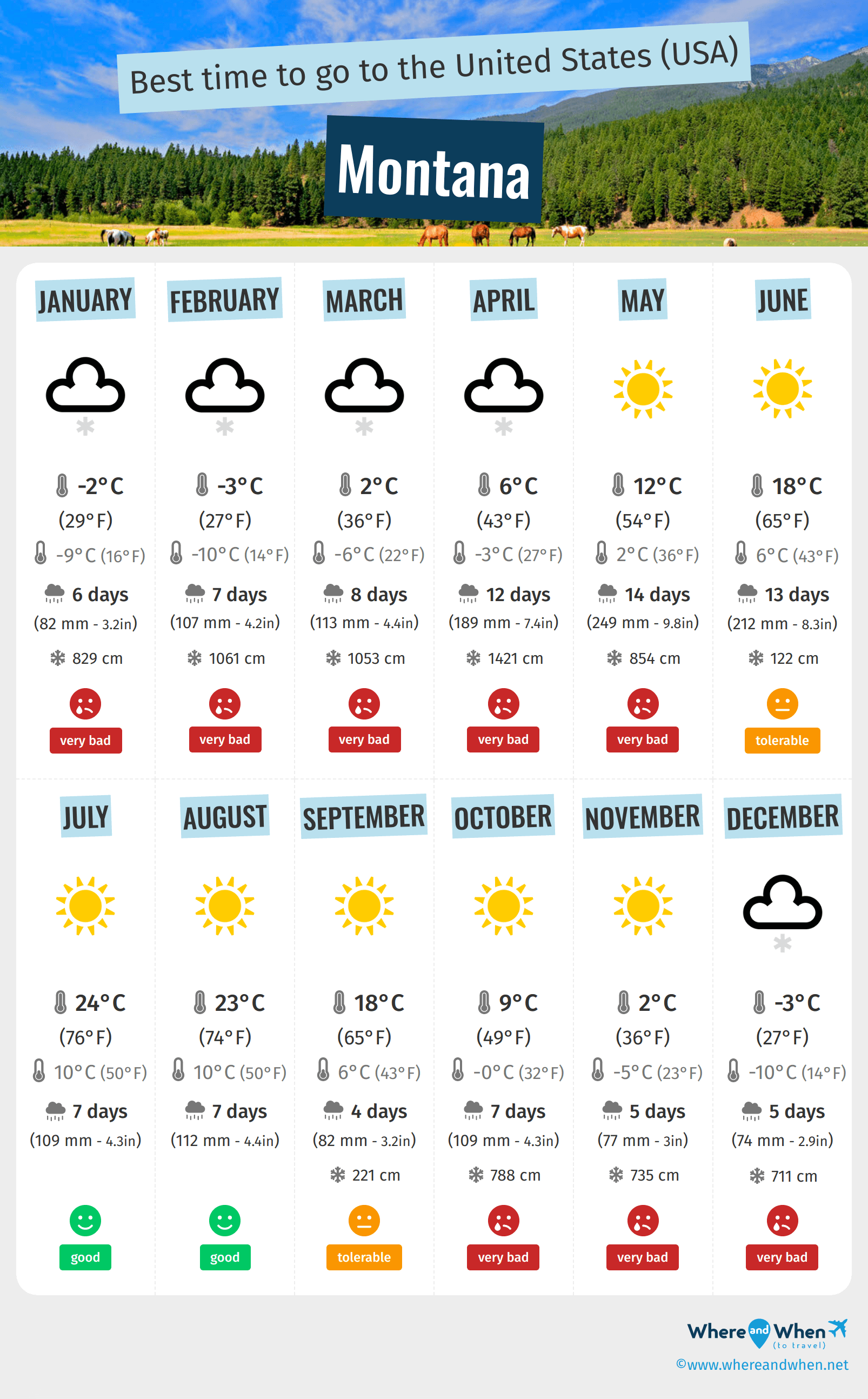
- Seasonal Considerations: Montana experiences distinct seasons, each offering different activities and requiring different planning. Summer offers long daylight hours for hiking, fishing on the Madison River, and exploring Flathead Lake, but also brings peak crowds. Winter brings shorter days but opens up opportunities for world-class skiing at resorts like Big Sky Resort or Whitefish Mountain Resort. Understanding these seasonal shifts and their impact on daylight (and thus your available activity window) is crucial for planning.
- Luxury vs. Budget Travel: Whether you’re indulging in a luxury stay at The Resort at Paws Up or exploring Montana on a budget, time is money. Efficient scheduling prevents wasted time and helps manage costs, especially if you’re paying for guides, lessons, or timed entry passes.
Iconic Destinations and Experiences Across Montana
Montana’s vastness means there’s an incredible array of experiences awaiting travelers. Understanding the local time is not just about logistics; it’s about fully immersing yourself in the destination and its offerings.
The Majesty of Glacier National Park and Yellowstone
These two national treasures are arguably the biggest draws to Montana and its surrounding region.
- Glacier National Park: Known for its stunning alpine scenery, ancient glaciers, and abundant wildlife, Glacier National Park is a hiker’s paradise. Staying near popular entry points like West Glacier or East Glacier allows for early morning starts, essential for tackling popular trails or experiencing the park’s serene beauty before the midday crowds. Sunrises over Lake McDonald or the Many Glacier Valley are moments not to be missed, necessitating an early wake-up in Montana time.
- Yellowstone National Park: While primarily in Wyoming, Montana serves as a critical gateway, particularly through Gardiner, home to the famous Roosevelt Arch. Visitors staying in nearby Livingston or Gardiner can easily access the park. Early mornings in Yellowstone are magical, with wildlife like bison and elk often grazing near roadsides. Knowing the local time helps plan your excursions to catch these moments and avoid traffic congestion, especially when aiming for popular spots like Mammoth Hot Springs or the Lamar Valley.
Urban Charms: Bozeman, Missoula, and Helena
Beyond the wilderness, Montana’s cities offer a vibrant contrast, each with its unique flavor.
- Bozeman: A rapidly growing city, Bozeman combines outdoor adventure with a sophisticated urban feel. It’s a prime base for exploring the Gallatin Valley or embarking on a fly-fishing trip on the Madison River or Yellowstone River. The downtown area thrives with boutiques, galleries, and excellent restaurants, many of which have specific operating hours. Timing your visit to enjoy a leisurely brunch or a lively evening out requires knowing current Montana time.
- Missoula: Nestled in the Northern Rockies and bisected by the Clark Fork River, Missoula is known for its liberal arts culture and proximity to outdoor recreation. Local festivals, concerts, and markets are often timed for specific parts of the day, making timely arrivals essential to catch the action.
- Helena: The capital city offers a rich historical experience, echoing its gold rush past. Exploring landmarks like Reeder’s Alley or following the Lewis and Clark National Historic Trail is best done with an awareness of the opening hours of visitor centers and historical sites, all operating on Montana’s local time.
Luxury and Outdoor Lifestyle: Big Sky and Beyond
For those seeking a blend of upscale amenities and rugged outdoor pursuits, Montana delivers with destinations like Big Sky and Whitefish.
- Big Sky: A premier ski destination in winter and a mountain biking and hiking paradise in summer, Big Sky offers luxury accommodations and high-end services. Lift operating hours, guided tours, and restaurant reservations are all time-sensitive. Coordinating your schedule to catch the first chairlift or a sunset dinner with mountain views adds to the luxury experience.
- Whitefish: Located near Glacier National Park in the Flathead Valley, Whitefish is another gem offering year-round recreation. Whitefish Lake activities, from paddleboarding to scenic boat tours, follow specific schedules. Many local shops and galleries have extended summer hours due to Daylight Saving Time, allowing for more leisurely exploration.
Accommodations and Hospitality in the Big Sky Country
Montana’s diverse landscape is matched by an equally diverse range of accommodation options, catering to every travel style and budget. The key to a seamless stay often lies in understanding local practices and planning your booking and arrival strategically, always with Montana time in mind.
From Rustic Retreats to Luxurious Resorts
Whether you dream of glamping under the stars, staying in a historic lodge, or indulging in a five-star resort, Montana has it all.
- Luxury Ranches and Resorts: For an unparalleled experience, consider places like The Resort at Paws Up near Greenough or Lone Mountain Ranch in Big Sky. These establishments offer meticulously planned itineraries, often including meals and activities, which operate on a precise schedule. Understanding their check-in/check-out policies and activity timings in MDT or MST is crucial for maximizing your stay. Expect dedicated concierge services that can help you with local time adjustments, but having your own awareness is always beneficial.
- Boutique Hotels and City Stays: In urban centers like Bozeman, hotels such as the Kimpton Armory Hotel Bozeman offer modern amenities and a vibrant atmosphere. These hotels often have standard check-in times around 3 PM and check-out by 11 AM local time. If you arrive early or depart late, inquire about luggage storage or late check-out options well in advance.
- Cabins, Vacation Rentals, and Campgrounds: For those seeking a more independent experience or budget-friendly options, vacation rentals and campgrounds are abundant, especially near national parks. While these may offer more flexible schedules, key pick-up times for keys or specific gate closures for campgrounds will adhere strictly to local Montana time. Ensure you have clear instructions for self-check-in if applicable, and factor in potential travel delays that could push you past office hours for property managers.
Booking Smart: Tips for Every Traveler
Regardless of your preferred accommodation type, smart booking practices can enhance your trip, with time considerations playing a pivotal role.
- Advance Booking: Especially during peak seasons (summer in the national parks, winter in ski towns), popular accommodations book up quickly. Booking several months, or even a year, in advance is often recommended. When checking availability online, remember that the booking calendar reflects dates and times relative to the property’s local Montana time.
- Reviews and Comparison: Utilize booking platforms to read reviews and compare options. Pay attention to comments regarding check-in processes, especially for late arrivals, which are directly impacted by time zones. Reviews often offer practical tips on how to best navigate arrival and departure.
- Communication with Hosts/Hotels: If you anticipate an arrival significantly outside standard check-in hours, it’s always best practice to communicate this directly with your hotel or rental host. This allows them to make arrangements, such as leaving a key in a lockbox or ensuring staff are available, preventing potential headaches upon your arrival in Montana’s late evening.
- Long-term Stays: For those planning extended visits, perhaps for remote work or exploring multiple regions, understanding the weekly rhythm of local services (grocery store hours, laundromats, postal services) will be essential, all operating on Montana’s clock.
Final Considerations for a Seamless Montana Trip
Beyond the immediate question of “What is the time in Montana?”, the broader implications for travel, tourism, and lifestyle demand a holistic approach to planning.
- Digital Tools: Leverage modern technology. Your smartphone, with its automatic time zone updates, will be your best friend. Set alarms for key activities in local time and consider adding a world clock widget to easily track your home time zone relative to Montana.
- Contingency Planning: Delays can happen. Flights can be late, traffic can build up, and weather conditions in Montana’s mountains can change rapidly. Always build buffer time into your itinerary, especially for critical connections or timed entries. A missed slot for Going-to-the-Sun Road could alter your entire day’s plan.
- Embrace the Pace: While planning is crucial, part of enjoying Montana is embracing its natural pace. The extended daylight hours during MDT offer more time for exploration, while the quieter MST periods provide opportunities for cozy evenings by a fire. Allow yourself flexibility to adapt to local rhythms.
- Local Culture and Etiquette: Being punctual for tours, reservations, and meetings shows respect for local businesses and guides. In a state where outdoor activities often depend on weather and animal behavior, being on time allows for maximum flexibility if plans need to shift.
In conclusion, understanding that Montana observes the Mountain Time Zone, and adjusts for Daylight Saving Time, is far more than a simple fact; it’s a foundational piece of knowledge that underpins every aspect of your travel. From the moment you begin envisioning your adventure to the instant you depart from its majestic landscapes, a keen awareness of local time will ensure your journey through the Big Sky Country is as smooth, enjoyable, and memorable as the breathtaking scenery itself. So, sync your watches, set your alarms to Montana time, and prepare for an extraordinary experience.
LifeOutOfTheBox is a participant in the Amazon Services LLC Associates Program, an affiliate advertising program designed to provide a means for sites to earn advertising fees by advertising and linking to Amazon.com. Amazon, the Amazon logo, AmazonSupply, and the AmazonSupply logo are trademarks of Amazon.com, Inc. or its affiliates. As an Amazon Associate we earn affiliate commissions from qualifying purchases.