
For anyone considering a visit, a relocation, or even a business venture, understanding the local tax landscape is often a crucial first step. When it comes to the question “Does New Hampshire have state income tax?”, the answer is a resounding no – at least, not in the traditional sense. This distinctive aspect of the Granite State’s financial policy sets it apart from many others in the United States and has significant implications for everything from personal finances to the broader tourism and lifestyle experience.
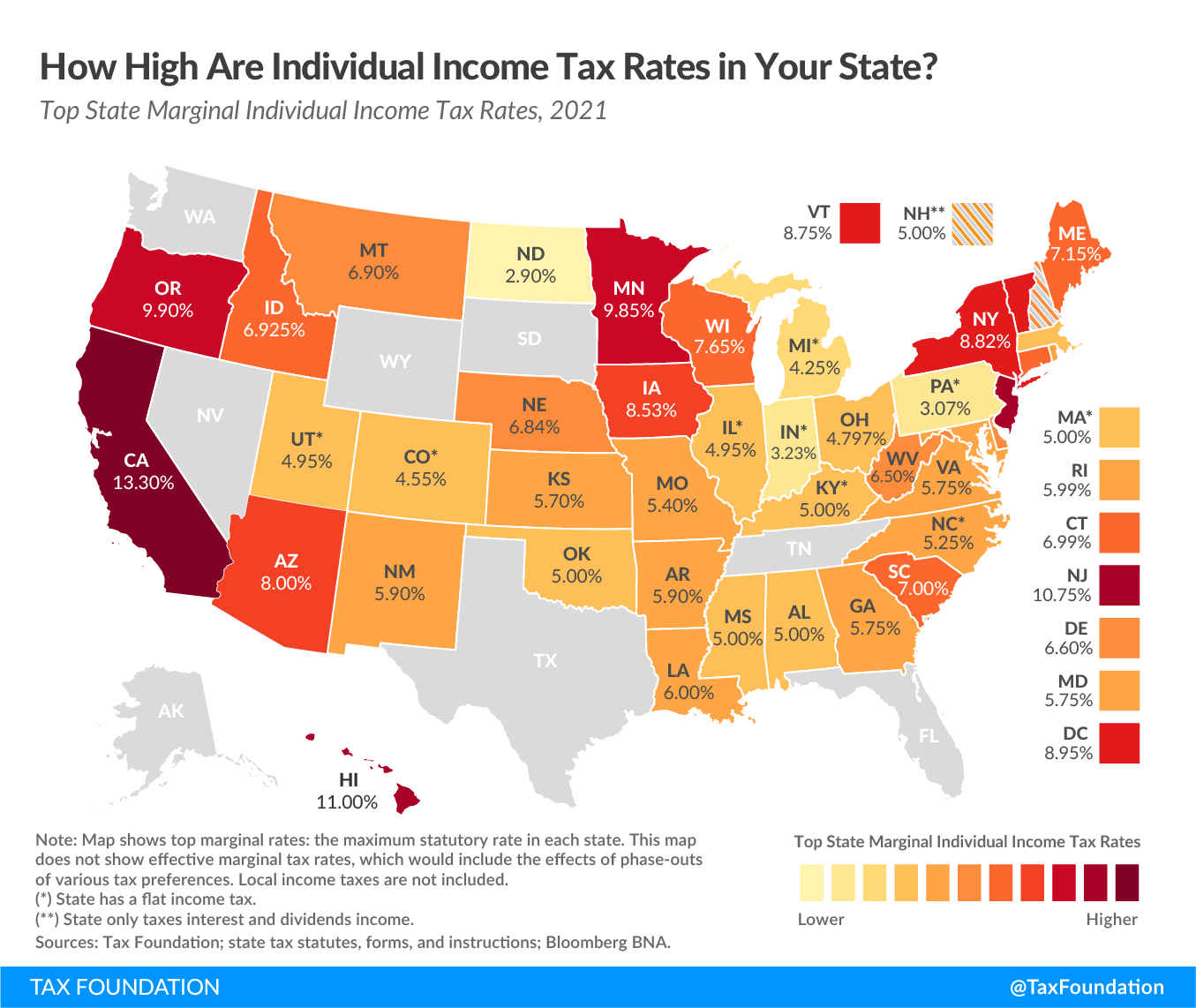
New Hampshire is proudly one of a handful of states that does not levy a general tax on earned income, such as wages and salaries. This makes it a unique proposition for residents and a fascinating case study for visitors interested in the economic underpinnings of a destination. While this absence of a broad income tax is a major draw, it’s essential to understand the nuances of the state’s revenue generation, as well as how this impacts the cost of living, travel, and the vibrant local culture that thrives within its borders.

Understanding New Hampshire’s Unique Tax Landscape
The absence of a general state income tax is a defining characteristic of New Hampshire’s financial framework. This policy has historical roots and is a source of considerable pride for many of its citizens. However, it doesn’t mean the state operates without any revenue. Instead, New Hampshire funds its public services through a combination of other taxes, notably property taxes and business taxes, and until recently, a tax on interest and dividends.
Historically, New Hampshire did impose what was known as the “Interest and Dividends Tax,” sometimes referred to as the “income tax for the rich.” This tax applied to interest and dividend income exceeding certain thresholds for individuals and married couples. However, in a significant legislative shift, this tax began to be phased out in 2023 and is slated for full repeal by 2027. This change further solidifies New Hampshire’s reputation as a tax-friendly state for investors and retirees, enhancing its appeal as a long-term destination or even a place to manage financial affairs remotely.
This unique approach to taxation has a ripple effect across the state, influencing everything from housing markets and business development to the pricing of local goods and services. For travelers, understanding this background can provide context for the economic environment they encounter, from the thriving independent businesses in towns like Portsmouth to the various accommodation options available across the state. The lack of a broad income tax can mean more disposable income for residents, potentially translating into a more robust local economy for tourism and hospitality.
The Role of Property Taxes
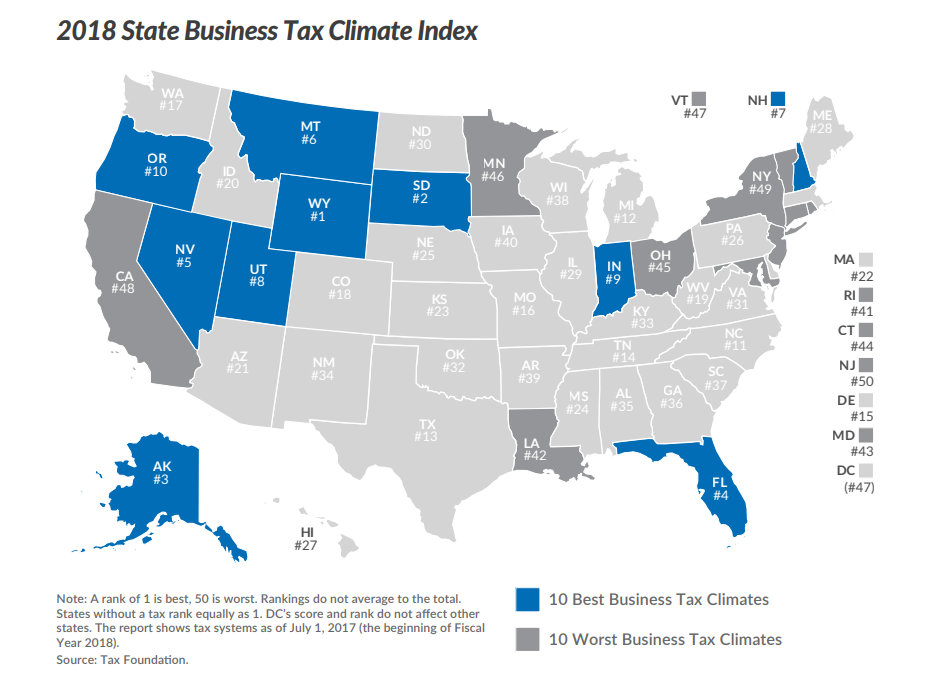
With no general income tax and the phasing out of the interest and dividends tax, property taxes bear a significant portion of the revenue burden in New Hampshire. This is a critical factor for anyone considering a long-term stay, purchasing a vacation home, or even relocating for retirement. Property tax rates in New Hampshire are among the highest in the nation, reflecting the need to fund local services like schools, infrastructure, and emergency services without state-level income tax contributions.
For visitors, this primarily impacts the cost of accommodation and, by extension, the overall travel budget. Hotels, resorts, and vacation rentals incorporate these property tax costs into their pricing. While a traveler might not directly pay income tax, the underlying economic structure impacts the services they use. This is especially true for those exploring extended stays or looking into vacation home ownership, where a detailed understanding of local property tax rates in different towns, from the bustling cities of Manchester and Nashua to the serene lakeside communities around Lake Winnipesaukee, becomes paramount.
Business Taxes and Their Influence
Another pillar of New Hampshire’s revenue system is its business taxes, specifically the Business Profits Tax (BPT) and the Business Enterprise Tax (BET). These taxes are applied to businesses operating within the state and contribute significantly to the state’s coffers. The business-friendly tax environment, often cited by state officials, focuses on attracting and retaining companies, which in turn creates jobs and stimulates economic growth.
For the tourism and hospitality sectors, this means that while businesses do pay state taxes, the overall environment is often perceived as favorable. This can encourage the development of new attractions, hotels, and services, offering travelers a wider array of choices. From luxury resorts nestled in the White Mountains to quaint bed and breakfasts in historic towns, the entrepreneurial spirit fostered by this tax structure indirectly benefits visitors by enriching the tourism landscape. It can also influence the pricing and availability of amenities, local restaurants, and experiential offerings, making New Hampshire an attractive place for entrepreneurs to set up shop and cater to both residents and the millions of tourists who flock to the state annually.
The Impact on Lifestyle and Travel in New Hampshire
The absence of a general state income tax significantly shapes the lifestyle for New Hampshire residents and subtly influences the experience for travelers. For residents, it translates into more take-home pay, which can affect everything from discretionary spending on local attractions to the ability to save for future travel adventures. For visitors, while they don’t directly benefit from the lack of income tax, the economic environment it creates contributes to the overall ambiance and offerings of the state.
Many individuals and families choose to move to New Hampshire specifically because of its tax policies. This influx of residents, often from neighboring, higher-tax states like Massachusetts, Vermont, and Maine, contributes to the state’s vibrant communities and diverse local economies. This population shift helps sustain local businesses, from boutique shops in Concord to acclaimed restaurants in Portsmouth, all of which enhance the visitor experience.
A Haven for Retirees and Long-Term Stays
New Hampshire’s tax structure, particularly with the repeal of the interest and dividends tax, makes it an increasingly attractive destination for retirees. States like Florida, Texas, Washington, Alaska, Nevada, Wyoming, South Dakota, and Tennessee are often cited as tax havens for retirees due to their lack of income tax. New Hampshire stands shoulder-to-shoulder with these, offering not just financial benefits but also a rich tapestry of natural beauty, cultural attractions, and four distinct seasons.
For those planning long-term stays, whether for a seasonal retreat or a potential relocation, the financial incentives are clear. A lower tax burden on retirement income and investments can free up funds for enjoying New Hampshire’s many offerings, from scenic drives along the Kancamagus Highway to exploring the historic sites of the Canterbury Shaker Village. This makes the state an ideal choice for those looking to maximize their retirement savings while enjoying a high quality of life. Accommodation options, from furnished apartments in urban centers to charming villas by the lake, cater to these extended stays, often offering better value in the long run when considering the overall tax environment.
The Cost of Living Beyond Income Tax
While the absence of a general income tax is a significant financial advantage, it’s crucial to consider the broader cost of living in New Hampshire. High property taxes, as discussed, can lead to higher housing costs, whether through direct ownership or through rental prices that reflect the landlord’s tax burden. This is an important consideration for travelers planning extended visits or for digital nomads considering the state as a temporary base.
Sales tax is another common state tax that New Hampshire notably lacks. This means that purchases of goods, from souvenirs to groceries, are free from state sales tax. For budget-conscious travelers and shoppers, this can result in significant savings, making shopping in New Hampshire a popular activity, especially for those visiting from neighboring states. This absence of sales tax can make a vacation budget stretch further, allowing for more experiences, dining, or perhaps a stay at a slightly more luxurious hotel like the Omni Mount Washington Resort. However, visitors should be aware of specific local taxes, such as the Rooms & Meals Tax, which applies to lodging and prepared food. This is a common practice in many tourist destinations and helps fund local services that benefit visitors.
Exploring New Hampshire: A Tax-Friendly Destination
Beyond its tax structure, New Hampshire offers an abundance of attractions and experiences that align perfectly with the interests of travelers. Its diverse landscapes, from the rugged peaks of Mount Washington in the White Mountains to the sandy shores of Hampton Beach, provide endless opportunities for adventure and relaxation. The state’s tax policies, by fostering a stable and often prosperous local economy, indirectly support the infrastructure and services that enhance the visitor experience.
Whether you’re planning a family trip, a romantic getaway, or a solo adventure, New Hampshire’s unique economic environment contributes to a distinctive travel lifestyle. The state’s commitment to low taxes for individuals means that businesses often find it an attractive place to operate, potentially leading to more competitive pricing for services and goods, which indirectly benefits tourists.
World-Class Attractions and Accommodation
New Hampshire is renowned for its natural beauty and outdoor activities. Franconia Notch State Park, with its stunning scenery and hiking trails, is a prime example. The White Mountains offer skiing in winter and breathtaking foliage drives in autumn. Lake Winnipesaukee provides summer fun with boating, swimming, and lakeside resorts.
Accommodation options in New Hampshire are as varied as its landscapes. From opulent resorts such as The Wentworth by the Sea to cozy cabins, family-friendly hotels, and charming bed and breakfasts, there’s something for every preference and budget. The absence of a sales tax can make purchasing vacation essentials or local crafts more appealing. While the Rooms & Meals tax applies to lodging, the overall value proposition of visiting a state with no general income or sales tax can be quite compelling, especially when comparing overall trip costs to destinations in neighboring states.
Local Culture, Food, and Activities
New Hampshire’s communities boast a rich history and vibrant local cultures. Historic sites like the Strawbery Banke Museum in Portsmouth offer glimpses into colonial life. Small towns across the state host farmers’ markets, craft fairs, and local festivals that celebrate New Hampshire’s heritage and community spirit.
The culinary scene also thrives, with farm-to-table restaurants, classic diners, and seafood eateries along the coast. The lack of sales tax on goods can mean a slightly lower cost for local produce and artisanal products, encouraging visitors to explore local markets and support small businesses. For those interested in the lifestyle aspect of travel, engaging with [New Hampshire](https://lifeoutofthebox.com/new-hampshire]’s unique blend of independent spirit and community pride offers a truly authentic experience. The state’s tax policies foster an environment where local entrepreneurs can flourish, adding to the richness and diversity of experiences available to visitors.
Planning Your Stay: Accommodation and Activities in Tax-Free New Hampshire
When planning your trip or considering a move to New Hampshire, its tax policies are certainly a factor to keep in mind, even if indirectly. While you won’t save on every single item, the lack of a sales tax on most goods and the generally lower individual tax burden create an overall economic climate that is distinct and often favorable.
For accommodation, consider what best suits your travel style. If you’re looking for luxury, resorts like the Omni Mount Washington Resort offer world-class amenities in stunning settings. For a more boutique experience, many charming hotels and inns can be found throughout towns like Portsmouth and Concord. Those seeking budget travel options will find numerous motels, campgrounds, and vacation rentals, particularly if booked outside peak seasons. For longer stays, exploring serviced apartments or villas can offer a home-away-from-home feel, allowing you to fully immerse yourself in the local lifestyle.
Activities in New Hampshire range from high-adrenaline adventures to serene natural explorations. Hike the trails in Franconia Notch State Park, ski at one of the many renowned resorts, explore the scenic Kancamagus Highway during fall foliage season, or relax on the beaches of Hampton Beach. Cultural enthusiasts can delve into history at the Strawbery Banke Museum or explore contemporary art galleries in the larger cities.
The overall lifestyle in New Hampshire is one of independence, natural beauty, and community spirit, all subtly influenced by its unique tax approach. It allows residents to retain more of their earnings, fostering a strong local economy that, in turn, provides rich experiences for visitors. Whether you’re drawn by the promise of financial freedom or the allure of its majestic landscapes, New Hampshire offers a compelling destination for both short-term visits and long-term stays. The answer to “Does New Hampshire have state income tax?” is a gateway to understanding a state that truly lives up to its “Live Free or Die” motto, offering a distinct and rewarding experience for all who visit or choose to call it home.
LifeOutOfTheBox is a participant in the Amazon Services LLC Associates Program, an affiliate advertising program designed to provide a means for sites to earn advertising fees by advertising and linking to Amazon.com. Amazon, the Amazon logo, AmazonSupply, and the AmazonSupply logo are trademarks of Amazon.com, Inc. or its affiliates. As an Amazon Associate we earn affiliate commissions from qualifying purchases.