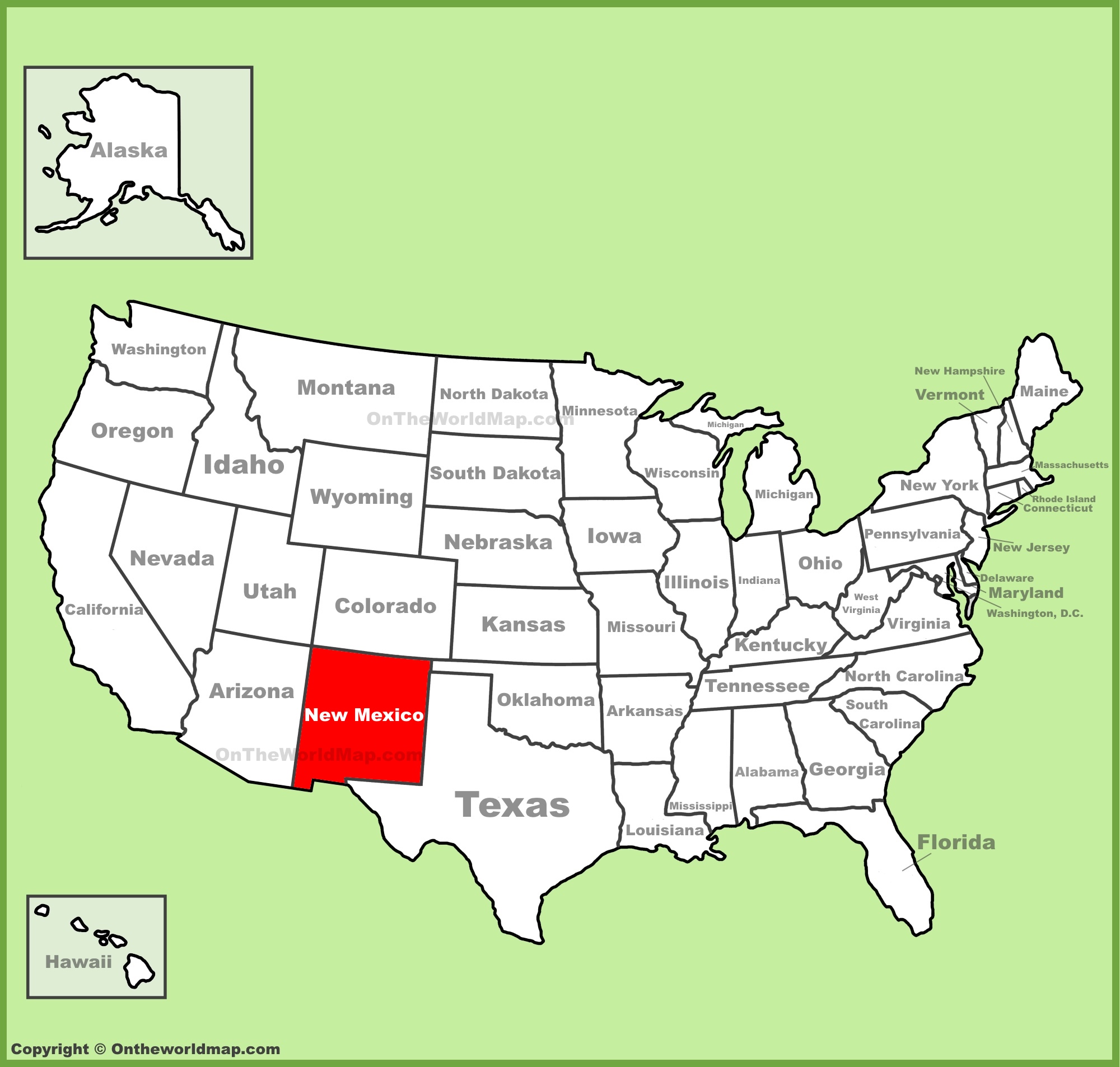
For many, the name “New Mexico” often sparks a moment of confusion. Is it a sovereign nation adjacent to Mexico? A territory? Or, as the name might suggest, a brand-new region within the United States of America? The answer, unequivocally, is that New Mexico is indeed a fully integrated US state, the 47th to join the Union in 1912. This misconception, while common, overlooks one of the most culturally rich and geographically diverse destinations within the entire USA.
Known as the “Land of Enchantment“, New Mexico offers a unique tapestry of Native American, Hispanic, and Anglo cultures seamlessly woven together. Its vibrant history, stunning landscapes ranging from the towering peaks of the Rocky Mountains to the vast expanses of the Chihuahuan Desert, and a culinary scene unlike any other, make it an exceptional subject for travel enthusiasts, culture seekers, and outdoor adventurers alike. This article will delve into the rich identity of New Mexico, exploring its historical journey, cultural mosaic, and the myriad of attractions that firmly establish it as a captivating destination within the United States.
A Land Forged by History and Cultural Fusion
The historical narrative of New Mexico is as compelling as its landscapes, providing the foundation for its distinct identity and addressing the very root of the “Is it in the USA?” question. Its long and complex past explains why it feels so different from other American states.
From Ancient Roots to American Statehood
Before any European set foot in the Southwest, New Mexico was home to numerous sophisticated Native American cultures, including the Pueblo, Navajo, and Apache peoples. Their ancient cities, advanced agricultural techniques, and rich spiritual traditions shaped the land for millennia. The arrival of the Spanish in the late 16th century marked a profound turning point. Led by figures like Don Juan de Oñate, the Spanish established New Mexico as a Spanish colony in 1598, predating the founding of Jamestown in Virginia. Santa Fe, founded in 1610, remains the oldest capital city in the United States.
For over 200 years, New Mexico thrived as a remote but culturally significant outpost of the Spanish Empire. Its isolation fostered a unique blend of Spanish colonial traditions and indigenous influences. Following Mexico’s independence from Spain in 1821, New Mexico became a Mexican territory. This period saw the opening of the Santa Fe Trail, connecting New Mexico with the burgeoning United States and facilitating increased trade and cultural exchange.
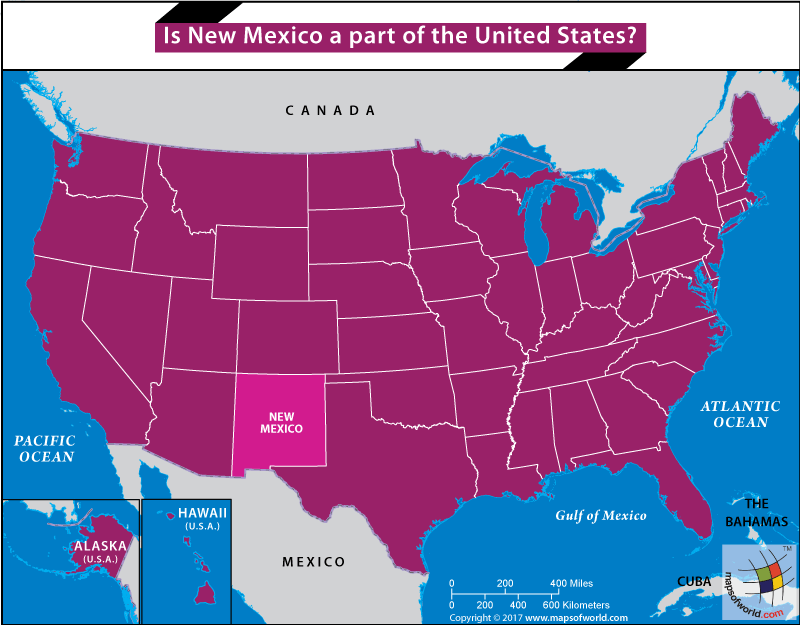
The most significant shift came after the Mexican-American War. With the Treaty of Guadalupe Hidalgo in 1848 and the subsequent Gadsden Purchase in 1853, a vast tract of land, including what is now New Mexico, became part of the United States. Despite becoming a US territory, the rich Spanish and Mexican heritage remained deeply ingrained, giving rise to its distinctive culture. It wasn’t until January 6, 1912, that New Mexico achieved statehood, marking its formal integration into the USA as a true “new” Mexico within the American fabric.
The Enchantment of Cultural Diversity
The legacy of this profound history is a cultural mosaic that is truly unique to North America. New Mexico is a place where three major influences—Native American, Hispanic, and Anglo—have not merely coexisted but have intertwined to create a vibrant, living culture.
- Native American Heritage: The presence of 23 federally recognized tribes, including numerous Pueblo nations and the Navajo and Apache, is palpable. Their ancestral lands, traditional ceremonies, art forms (pottery, weaving, jewelry), and spiritual beliefs continue to enrich the state. Visiting a Pueblo for a cultural dance or exploring ancient ruins like those at Chaco Culture National Historical Park offers profound experiences.
- Hispanic and Spanish Influences: The Spanish language is widely spoken, and the architecture (think adobe buildings and mission churches), music, and religious traditions reflect centuries of Spanish and Mexican legacies. The celebration of saints’ days, vibrant fiestas, and the enduring use of Spanish surnames are all testaments to this heritage.
- Anglo Contributions: While newer to the scene, Anglo settlers and artists brought their own influences, particularly in the fine art scene of Santa Fe and Taos, and in the development of industries. The fusion has created a unique Southwestern aesthetic that is instantly recognizable.
This vibrant blend is particularly evident in New Mexican cuisine, a true highlight for any food lover. Characterized by its reliance on chile peppers—either red or green—the cuisine offers a spicy, savory, and utterly addictive array of dishes. From hearty green chile stew to savory enchiladas and comforting posole, the food of New Mexico is a direct reflection of its deep cultural roots.
Discovering the Best of New Mexico: Top Destinations and Attractions
For those seeking to explore the “Land of Enchantment”, New Mexico offers a plethora of attractions and destinations that cater to every type of traveler. Whether you’re interested in immersing yourself in history, admiring world-class art, or embarking on thrilling outdoor adventures, this US state has it all.
Iconic Cities and Their Charms
New Mexico’s cities are not just urban centers; they are living museums and vibrant hubs of culture.
-
Santa Fe: The Artistic and Historic Heart
As the nation’s oldest capital city, Santa Fe exudes an unparalleled charm. Its historic Plaza, surrounded by adobe buildings and artisan markets, is the focal point. Visitors can explore the Palace of the Governors, the oldest continually occupied public building in the United States, which now houses the New Mexico History Museum. The city is renowned for its thriving art scene, with countless galleries lining Canyon Road and institutions like the Georgia O’Keeffe Museum celebrating the artist’s deep connection to the [Southwest](https://lifeoutofthebox. From luxury boutique hotels like the Inn of the Five Graces to charming B&Bs, Santa Fe offers exquisite accommodation options that reflect its unique architecture. -
Albuquerque: The Vibrant Metropolis
New Mexico’s largest city, Albuquerque, blends modern urbanity with deep historical roots. Its Old Town district, founded in 1706, offers a glimpse into the city’s Spanish past with its historic churches and shops. Albuquerque is globally famous for the Albuquerque International Balloon Fiesta, an annual spectacle that fills the desert skies with hundreds of colorful hot air balloons, making it a bucket-list experience for many. Other notable attractions include the Petroglyph National Monument and a ride on the Sandia Peak Tramway for panoramic views of the city and surrounding mountains. -
Taos: Artistic Sanctuary and Mountain Retreat
Nestled in the foothills of the Sangre de Cristo Mountains, Taos is a spiritual and artistic haven. It is home to Taos Pueblo, a multi-story adobe complex that has been continuously inhabited for over 1,000 years and is a designated UNESCO World Heritage Site. The town has long attracted artists and bohemians, contributing to its vibrant art galleries and unique atmosphere. In winter, Taos Ski Valley offers some of the best skiing in the Southwest, appealing to adventure travelers.
Natural Wonders and Outdoor Adventures
Beyond its cities, New Mexico’s natural landscapes are incredibly diverse and offer endless opportunities for outdoor recreation.
-
White Sands National Park: A Gypsum Wonderland
One of the most surreal landscapes in the United States, White Sands National Park features vast, undulating dunes of pure white gypsum. Visitors can hike, sled down the dunes, or simply marvel at the stark beauty. It’s an unforgettable experience that feels otherworldly. -
Carlsbad Caverns National Park: Subterranean Marvels
Deep beneath the Chihuahuan Desert lies the spectacular Carlsbad Caverns National Park, home to over 119 known caves. The “Big Room” is a breathtaking chamber adorned with incredible stalactites, stalagmites, and other formations. Bat flights at dusk are another popular attraction, offering a glimpse into the park’s vibrant ecosystem. -
Gila Cliff Dwellings National Monument: Ancient Secrets
For a journey back in time, the Gila Cliff Dwellings National Monument showcases well-preserved homes built by the Mogollon people in the late 1200s. These dwellings, nestled into natural caves, offer a fascinating insight into ancient Native American life and provide a challenging but rewarding hike through a rugged, pristine wilderness. -
Other Noteworthy Natural Landmarks:
The dramatic Rio Grande Gorge near Taos is perfect for hiking and rafting. Bandelier National Monument offers additional ancient Pueblo cliff dwellings and ceremonial caves. The vast Valles Caldera National Preserve, a collapsed volcano, provides stunning high-altitude grasslands for wildlife viewing and photography.
Planning Your Enchanting New Mexico Journey
To truly savor all that the “Land of Enchantment” has to offer, a well-planned itinerary considering accommodation, food, and preferred activities is essential.
Accommodation and Hospitality
New Mexico excels in providing diverse accommodation options that often reflect the state’s unique architecture and [culture](https://lifeoutofthebox. Whether you’re planning a luxury travel escape or a budget travel adventure, there’s something for everyone.
- Luxury Resorts: For an indulgent stay, Santa Fe and Taos boast exquisite resorts like the Four Seasons Rancho Encantado or the Rosewood Inn of the Anasazi, offering spa amenities, fine dining, and breathtaking views. Many of these embrace the traditional adobe-style hotels, providing a truly immersive experience.
- Boutique Hotels and B&Bs: Smaller, independently owned hotels and bed & breakfasts offer personalized service and a cozy atmosphere, often housed in historic adobe structures. These are ideal for couples or those seeking a more intimate stay.
- Standard Hotels and Motels: All major cities and many smaller towns have familiar chain hotels and motels suitable for family trips or business stays, providing comfortable and convenient accommodation options.
- Vacation Rentals and Apartments: For longer stays or larger groups, apartments, villas, and vacation homes are readily available through various booking platforms. This option can offer more space and kitchen facilities, appealing to digital nomads or those seeking a long-term stay.
Remember to check reviews and use comparison tools when booking to find the best fit for your needs and budget.
Culinary Delights: A Taste of the Southwest
As mentioned, New Mexican cuisine is a cornerstone of the state’s identity and a must-try for any visitor. The question “Red or Green?” (referring to the color of chile sauce) is an essential part of the dining ritual.
- Signature Dishes: Don’t leave without trying chile rellenos, breakfast burritos smothered in green chile, posole, and sopapillas (fluffy fried bread often served with honey).
- Dining Experiences: From high-end restaurants offering modern New Mexican interpretations to casual diners and authentic food trucks serving up traditional fare, the options are plentiful. Explore local markets for fresh produce and homemade treats, and perhaps even take a cooking class to learn the secrets of New Mexican cuisine.
Activities and Experiences for Every Traveler
New Mexico’s diverse landscape and rich culture mean there’s an endless array of activities to suit every lifestyle.
- Art and Culture Tours: Visit the numerous museums in Santa Fe and Albuquerque, explore ancient pueblos with local guides, or attend one of the many festivals celebrating Native American or Hispanic heritage. The “High Road to Taos” scenic byway is a must for art and history lovers, connecting charming villages and historic churches.
- Outdoor Adventures:
- Hiking and Backpacking: Trails abound in the Pecos Wilderness, Santa Fe National Forest, and the Gila National Forest.
- Skiing and Snowboarding: Hit the slopes at Taos Ski Valley, Ski Santa Fe, or Angel Fire Resort.
- Water Sports: Rafting the Rio Grande, kayaking on Elephant Butte Lake, or enjoying natural hot springs provide unique ways to connect with nature.
- Hot Air Ballooning: Beyond the Balloon Fiesta, daily flights in Albuquerque offer breathtaking views.
- Wellness and Spa Retreats: New Mexico’s serene landscapes and spiritual atmosphere make it an ideal location for wellness retreats and spa experiences, with many resorts focusing on holistic health.
Tips for Travelers: Consider a road trip to fully appreciate the varied landscapes. Be mindful of the high altitude in cities like Santa Fe and Taos and stay hydrated. Embrace the local pace of life and engage with the friendly residents to truly understand the Land of Enchantment.
Conclusion: Embrace the Enchantment of New Mexico
In conclusion, to answer the question “Is New Mexico in the USA?”, the resounding answer is yes. It is not only a legitimate US state but also one of the most culturally profound and naturally stunning regions within the nation. Its deep history, forged by centuries of Native American, Spanish, and Anglo influences, has created an indelible character that is palpable in its art, architecture, and especially its exquisite cuisine.
For those seeking truly unique travel experiences, New Mexico offers an unrivaled blend of vibrant cities, ancient landmarks, and breathtaking natural wonders. From the artistic allure of Santa Fe to the outdoor adventures of Taos and the surreal beauty of White Sands, the state invites exploration and discovery. Whether you’re interested in cultural tourism, outdoor activities, or simply savoring delicious food and unique accommodation (from hotels to resorts), New Mexico promises an unforgettable journey within the very heart of America. It’s a testament to the diverse and rich tapestry that makes up the United States, proving that sometimes, the most enchanting discoveries are found where you least expect them.