
Few urban spaces capture the imagination quite like Central Park in New York City. More than just a park, it’s a vibrant ecosystem, a historical landmark, and an essential component of the city’s soul. For first-time visitors and seasoned travelers alike, the sheer scale of this green oasis often comes as a delightful surprise. The question “How big is Central Park in New York?” is more than a simple query about dimensions; it opens a window into understanding its profound impact on urban life, tourism, and the very lifestyle of millions.
The Astonishing Scale of an Urban Oasis
Nestled amidst the towering skyscrapers of Manhattan, Central Park stands as a testament to far-sighted urban planning and the enduring human need for nature. Its presence is not just a luxury but a crucial lung for the city, providing respite, recreation, and a vital connection to the natural world. Understanding its size is the first step in appreciating its majesty and planning an unforgettable experience.
Unpacking the Dimensions: Acres, Miles, and More
So, precisely how big is Central Park? It spans an impressive 843 acres (3.41 square kilometers or 1.32 square miles). To put that into perspective, the park stretches 2.5 miles (4 kilometers) from north to south, extending from 59th Street to 110th Street, and 0.5 miles (0.8 kilometers) from east to west, between Fifth Avenue and Eighth Avenue. This makes it roughly 6% of the entire land area of Manhattan itself.
These statistics, while informative, barely scratch the surface of what that size entails for a visitor. It means you cannot, in good conscience, expect to see all of Central Park in a single day, or even several. The park is a tapestry of diverse landscapes, from dense woodlands and open meadows to formal gardens and intricate waterways, each inviting exploration and quiet contemplation. Its vastness allows for a multitude of activities to coexist without feeling crowded, offering everything from serene walks to energetic sports, all within the bustling heart of one of the world’s greatest cities.

A Green Giant: Comparing Central Park to Other Spaces
To truly grasp the magnitude of Central Park, it’s helpful to compare it to other famous urban parks and landmarks around the globe. While it might not be the largest urban park in the United States (that title often goes to parks like Fairmount Park in Philadelphia or Golden Gate Park in San Francisco), its strategic location and iconic status give it unparalleled prominence.
For instance, Central Park is significantly larger than London’s Hyde Park, which covers about 350 acres, and nearly twice the size of Tokyo’s Yoyogi Park (134 acres). It’s roughly the same size as the entire country of Monaco and could comfortably contain both the Vatican City and the National Mall in Washington D.C. with room to spare. This comparison underscores its status not just as a park, but as a monumental piece of landscape architecture and urban planning, an “urban wilderness” designed for the democratic enjoyment of all. Its sheer size means it offers an incredible diversity of experiences, appealing to every kind of traveler, from those seeking solitude to families on a bustling city adventure.
A Legacy of Vision: The Creation and Design of Central Park
The existence of such a massive green space in one of the world’s most densely populated cities is not accidental; it is the product of an ambitious vision and an extraordinary feat of engineering and landscape design. The story of Central Park is a fascinating chapter in the history of New York City, reflecting a growing awareness in the mid-19th century of the importance of public parks for urban dwellers.
From Wasteland to Wonderland: The Park’s Genesis
In the mid-1800s, New York City was experiencing rapid industrial growth and a dramatic increase in population. As the city expanded northward, its residents, particularly those living in cramped tenements, longed for open spaces. The idea of a large public park, akin to the grand parks of Europe, began to gain traction. The land designated for the park, however, was far from the picturesque ideal. It was a rugged, swampy, rock-strewn area dotted with squatters’ shantytowns, pig farms, and industrial enterprises. Transforming this challenging landscape into the verdant sanctuary we know today required immense political will, financial investment, and a groundbreaking design competition.
The visionaries behind the park recognized that this was not merely about creating a pretty garden but about building a vital social institution – a place where people of all social classes could mingle, relax, and reconnect with nature. It was an ambitious undertaking that involved displacing thousands of residents, draining wetlands, blasting rock, and transporting millions of cubic yards of earth and plant material, much of it from outside the immediate area. This colossal effort laid the groundwork for what would become an iconic symbol of urban planning and a beloved feature of the city.
Olmsted and Vaux: Masters of Landscape Architecture
The design of Central Park was the result of the “Greensward Plan,” submitted by landscape architect Frederick Law Olmsted and architect Calvert Vaux. Their winning proposal envisioned a democratic park accessible to all, providing a diverse range of experiences from pastoral vistas to formal gardens, all while subtly separating different types of traffic (pedestrian, equestrian, and carriage) through ingenious sunken roadways and bridges.
Olmsted and Vaux’s genius lay in their ability to manipulate the existing topography to create entirely new landscapes. They imported trees, shrubs, and soil, creating rolling hills, tranquil lakes, and winding paths that make visitors forget they are in the heart of a bustling metropolis. Their philosophy emphasized the therapeutic qualities of nature, believing that exposure to beautifully designed natural spaces could improve public health and foster a sense of community. The meticulous planning involved in creating this “designed wilderness” is evident in every curve of a path, every strategically placed tree, and every breathtaking vista. Their work not only transformed a patch of land but also established principles of urban park design that continue to influence landscape architecture worldwide.
Exploring the Myriad Wonders Within Central Park
Given its extensive size, Central Park is not just a homogenous green expanse but a collection of distinct areas, each with its own character, attractions, and activities. From world-renowned landmarks to hidden gems, the park offers an inexhaustible array of experiences for every visitor. For those planning a trip, understanding the park’s diverse offerings is key to maximizing their time and tailoring their adventure.
Iconic Landmarks and Attractions
The park is dotted with famous sites that have become synonymous with New York City itself. Strolling through these areas is like walking through a living postcard.
- Bethesda Terrace and Fountain: Often considered the heart of the park, this grand architectural feature offers stunning views of the Lake and features the iconic “Angel of the Waters” fountain. The acoustics of the lower arcade make it a popular spot for street performers.
- Strawberry Fields: A tranquil memorial to John Lennon, located near his former residence at The Dakota building. Its “Imagine” mosaic is a place of pilgrimage for fans worldwide.
- Central Park Zoo: A compact yet diverse zoo home to snow leopards, grizzly bears, and red pandas, perfect for families.
- The Mall and Literary Walk: A broad, tree-lined promenade featuring statues of literary giants, leading to Bethesda Terrace. It’s a quintessential spot for people-watching and enjoying the park’s grandeur.
- Conservatory Garden: A beautifully manicured six-acre formal garden, divided into French, Italian, and English styles, offering a peaceful retreat from the city’s hustle.
- Belvedere Castle: Perched atop Vista Rock, this miniature castle offers panoramic views of the Great Lawn, the Ramble, and the city skyline. It also houses a nature observatory.
- Wollman Rink: Famous for ice skating in winter, it transforms into an amusement area in warmer months.
- Loeb Boathouse: Offering rowboat and gondola rentals on the Lake, it’s also home to a popular lakeside restaurant.
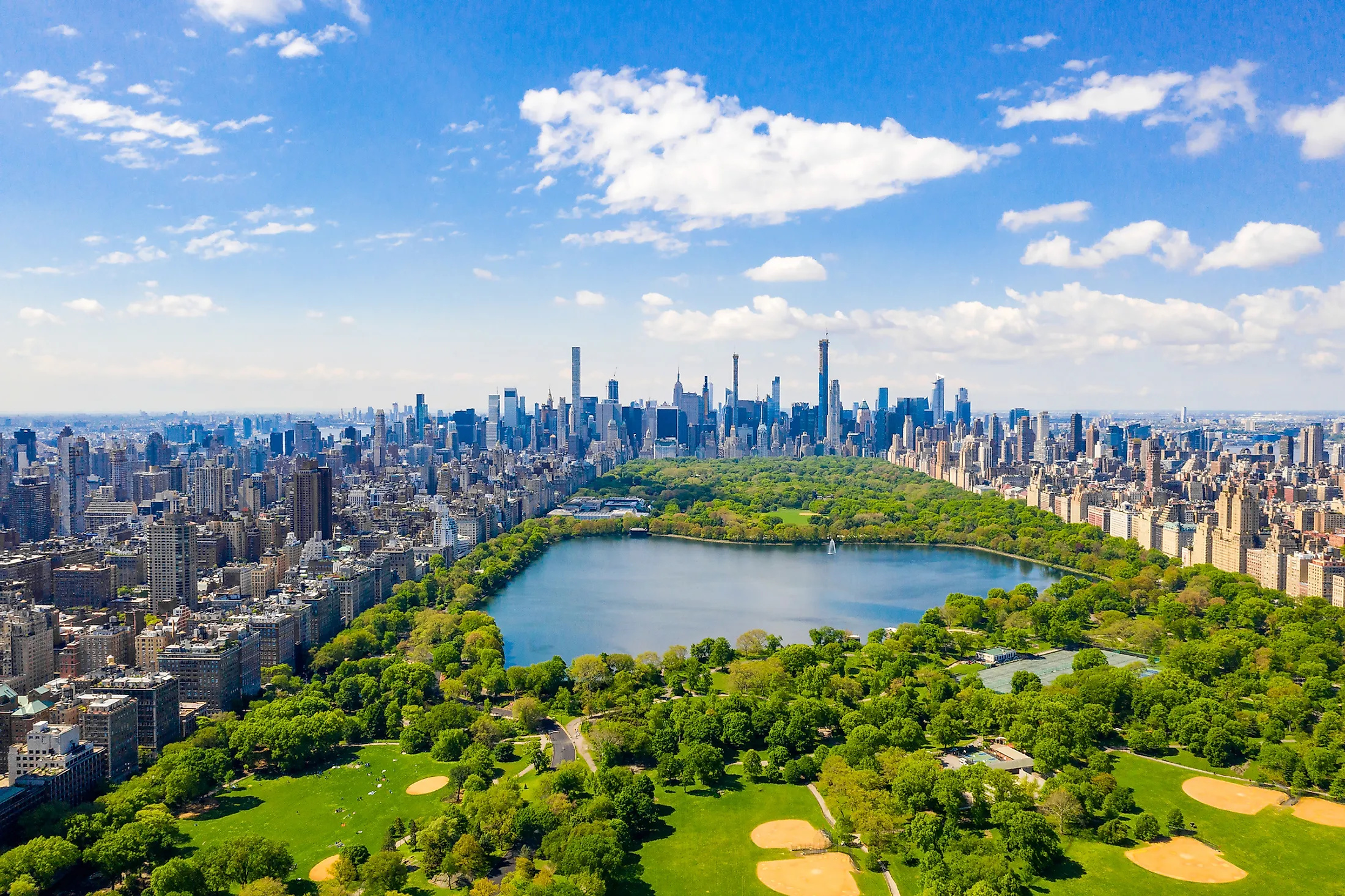
These are just a handful of the countless attractions. From the Victorian Gardens amusement park to various playgrounds, bridges, and sculptures, every corner of Central Park holds a new discovery. This incredible density of unique features within such a vast area makes it a top destination for travel and tourism, catering to diverse interests and ensuring that no two visits are ever quite the same.
Seasons of Serenity and Activity
One of the most remarkable aspects of Central Park is how it transforms with the seasons, offering a continually evolving set of experiences. This seasonal dynamism adds another layer to its appeal as a landmark and a destination.
In spring, the park bursts into life with cherry blossoms, magnolias, and tulips, creating a vibrant spectacle perfect for romantic strolls or leisurely picnics. Summer brings free concerts on the Great Lawn, outdoor Shakespeare performances (Shakespeare in the Park), and sunbathers dotting the Sheep Meadow. The pathways are filled with joggers, cyclists, and rollerbladers, while rowboats glide across the Lake.
Autumn paints the park in fiery hues of red, orange, and gold, making it a photographer’s paradise and an ideal setting for reflective walks amidst crisp air. As winter descends, the park takes on a serene, often snow-covered beauty. Ice skating at Wollman Rink or Lasker Rink becomes a cherished tradition, and cross-country skiing is popular after a fresh snowfall.
Beyond these seasonal highlights, the park offers year-round activities and attractions: birdwatching, horse-drawn carriage rides, guided tours focusing on history or nature, and simply enjoying the local culture by people-watching. The variety of experiences available means that Central Park is not just a place to visit, but a lifestyle choice for millions of New Yorkers and a captivating experience for every tourist, regardless of the time of year.

Central Park’s Enduring Impact on New York City Tourism and Lifestyle
Beyond its physical dimensions and natural beauty, Central Park plays an indispensable role in the economic and cultural fabric of New York City. It is a prime example of how a well-designed public space can influence everything from real estate values to tourism patterns and the overall quality of urban life.
A Magnet for Millions: Tourism and Economic Influence
As one of the world’s most visited urban parks, Central Park attracts an estimated 42 million visitors annually. This makes it a cornerstone of New York City’s tourism industry, drawing travelers from every corner of the globe. Its presence significantly boosts the appeal of nearby neighborhoods, from the upscale luxury of the Upper East Side and Upper West Side to the bustling energy of Midtown Manhattan.
The park’s allure extends beyond mere sightseeing; it influences hotel bookings, restaurant patronage, and local businesses. Many of the city’s most prestigious hotels, such as The Plaza Hotel, the Ritz-Carlton Central Park, and the Mandarin Oriental New York, boast direct views or close proximity to the park, commanding premium rates for their suites and amenities. This creates a vibrant ecosystem of accommodation options for every budget, from luxury resorts offering unparalleled service to boutique hotels providing unique experiences, and even long-term stay apartments for those seeking a more immersive visit.
Furthermore, events held within the park, from large-scale concerts to charity runs and festivals, generate significant economic activity and media attention, further solidifying its status as a global landmark. Its role in tourism is not just about attracting visitors, but about enhancing the overall “lifestyle” experience that New York City offers.
Experiencing Central Park: Travel Tips and Nearby Stays
For those planning to explore this magnificent park, a few travel tips can enhance the experience. Given its size, prioritize what you want to see. Utilize a map (digital or physical) to navigate its winding paths. Consider renting a bike to cover more ground, or join a guided tour for historical insights. Comfortable walking shoes are a must, and packing a picnic is a popular and budget-friendly way to enjoy the park’s beauty. Food carts are available, but for a more upscale dining experience, the restaurants at Loeb Boathouse or nearby establishments on Fifth Avenue offer delightful options.
When it comes to accommodation, the areas surrounding Central Park are some of the most sought-after in the city.
- Midtown Manhattan: South of the park, offering easy access to attractions like Times Square and the Theater District, with a wide range of hotels, from business-oriented to luxury resorts.
- Upper East Side: Along the park’s eastern edge, known for its elegant brownstones, high-end boutiques, and cultural institutions like the Metropolitan Museum of Art. Accommodation here often embodies luxury travel.
- Upper West Side: To the west, offering a more residential feel with classic New York charm, vibrant restaurants, and proximity to the American Museum of Natural History. This area offers a mix of budget-friendly and upscale options, including apartments for longer stays.
Booking accommodation near the park offers convenience and the unique lifestyle benefit of having this expansive green space as your backyard. Websites and travel guides are invaluable resources for comparing reviews, amenities, and prices, whether you’re seeking a family trip, a business stay, or a romantic getaway. The sheer variety of options ensures that experiencing the grandeur of Central Park is achievable for any type of traveler.
In conclusion, Central Park’s size, while impressive on paper, truly comes alive when experienced firsthand. It’s a marvel of landscape architecture, a cultural hub, and a testament to the foresight of those who envisioned a green sanctuary in the heart of one of the world’s most dynamic cities. Its enduring appeal cements its status as not just a park, but a fundamental part of the New York City experience, a landmark that truly defines urban living and global tourism.
LifeOutOfTheBox is a participant in the Amazon Services LLC Associates Program, an affiliate advertising program designed to provide a means for sites to earn advertising fees by advertising and linking to Amazon.com. Amazon, the Amazon logo, AmazonSupply, and the AmazonSupply logo are trademarks of Amazon.com, Inc. or its affiliates. As an Amazon Associate we earn affiliate commissions from qualifying purchases.