
Embarking on a journey from the vibrant, bustling streets of New York City to the historically rich, monumental landscape of Washington D.C. is a classic American travel experience. These two iconic East Coast metropolises, each a powerhouse of culture, history, and modern dynamism, are surprisingly accessible to one another, making the route a popular choice for both leisure travelers and business professionals. Whether you’re planning a quick weekend getaway, a comprehensive historical tour, or a necessary business trip, understanding the distance and various travel options between the Big Apple and the Nation’s Capital is the first step towards a memorable adventure.
This guide will delve into the geographical distance, explore the myriad of travel methods available – from high-speed trains to scenic road trips – and highlight what to expect in terms of time, cost, and overall experience. We’ll also touch upon the incredible landmarks, attractions, and diverse accommodation choices awaiting you in both cities, ensuring your journey is as enriching as your destination.
The Geographical Distance Between New York and Washington D.C.
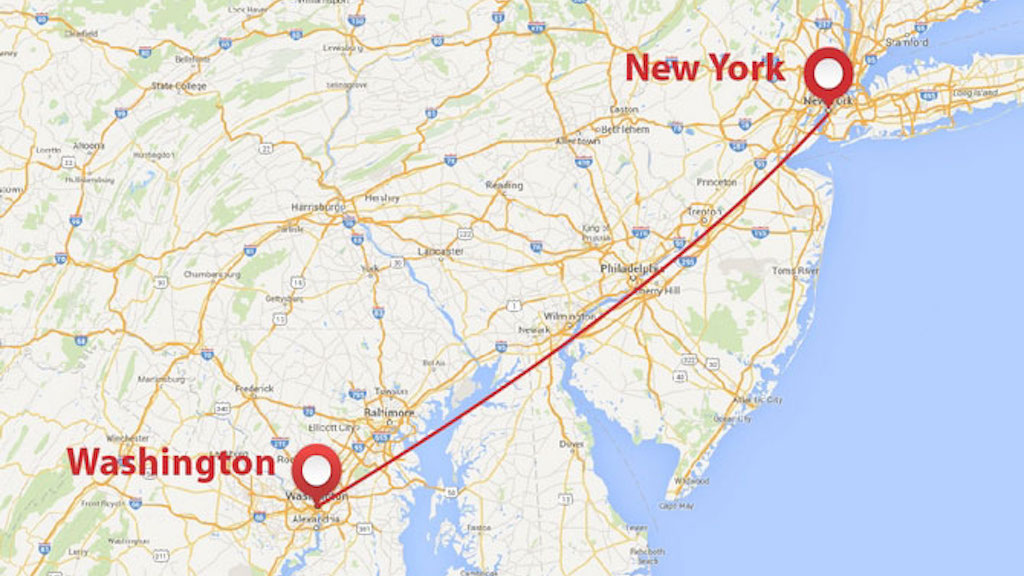
The straight-line, or “as the crow flies,” distance between New York City and Washington D.C. is approximately 204 miles (328 kilometers). However, for practical travel purposes, the actual distance you’ll cover depends significantly on your chosen mode of transportation.
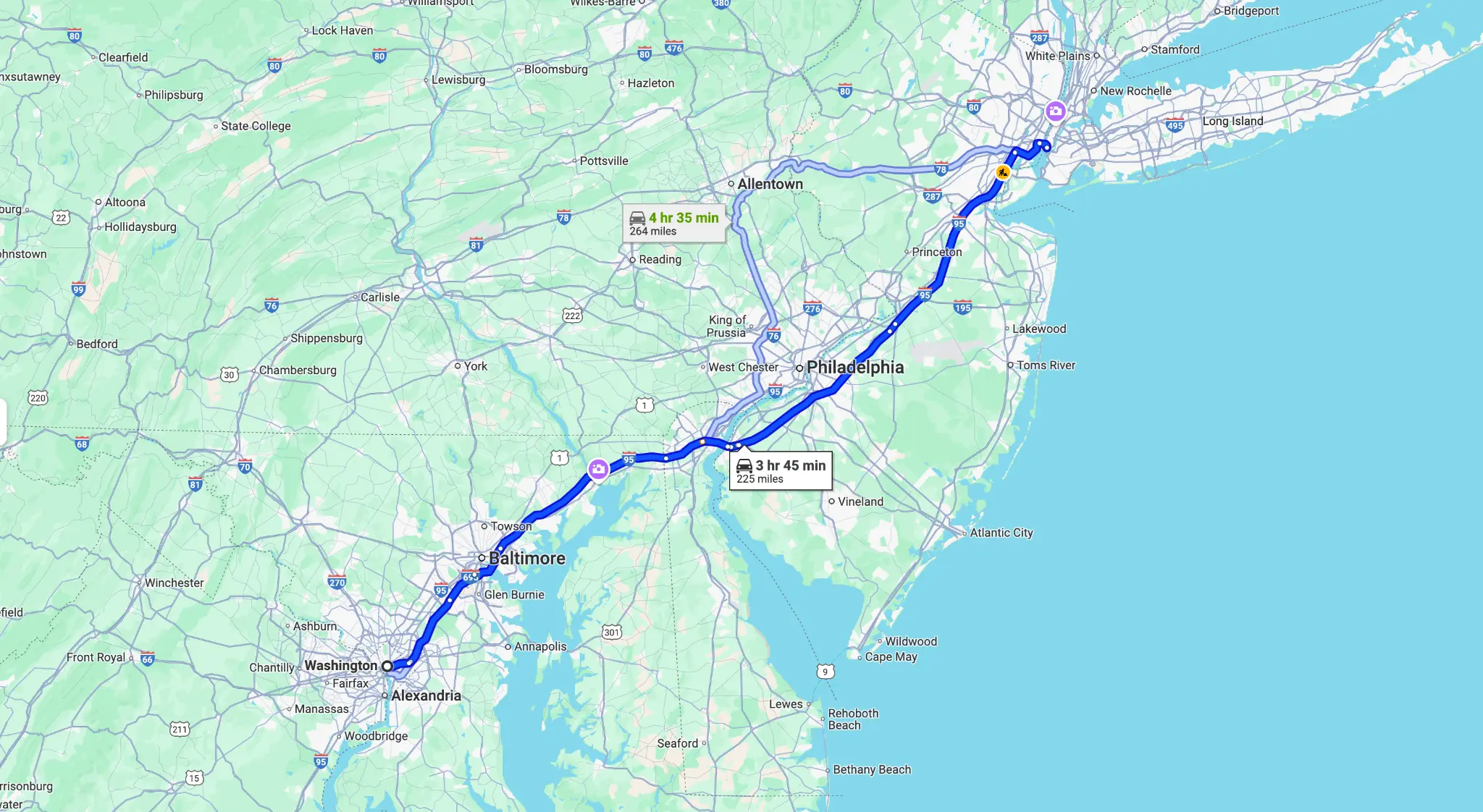
By road, the journey typically spans around 225-230 miles (362-370 kilometers). This accounts for the winding highways and necessary detours, primarily along the Interstate 95 corridor, which is the most direct and frequently used route connecting these two major cities. Driving time can range from 3.5 to 5 hours without significant stops, though traffic, especially around major metropolitan areas like Philadelphia and Baltimore, can easily extend this duration.
For train travelers, the distance covered by rail lines is similar, offering a slightly different perspective of the landscape. Air travel, while covering the least direct distance, involves significant time at airports for check-in, security, and boarding, often making the total door-to-door travel time comparable to or even longer than train journeys for such a relatively short hop. Understanding these nuances is crucial when planning your itinerary.
Exploring Travel Options: Journeying from the Big Apple to the Nation’s Capital
The corridor between New York and Washington D.C. is one of the busiest travel routes in the United States, offering a wealth of transportation choices to suit every budget, timeline, and preference.
By Car: The Classic American Road Trip
Driving from New York to Washington D.C. provides the ultimate flexibility. The primary route is I-95 South, a major interstate highway that runs along the East Coast. As mentioned, the distance is roughly 225-230 miles, and without factoring in stops or heavy traffic, the drive can take anywhere from 3.5 to 4.5 hours. However, real-world conditions often push this to 5-6 hours, especially during peak travel times, holidays, or if you encounter congestion in cities like Philadelphia or Baltimore.
Considerations for Drivers:
- Tolls: Be prepared for numerous tolls along the route, particularly in New Jersey, Delaware, and Maryland. An EZ-Pass is highly recommended for convenience and often provides discounted rates.
- Traffic: Weekday rush hours (morning and late afternoon) and weekend travel can significantly impact journey times. Using navigation apps like Google Maps or Waze for real-time traffic updates is essential.
- Fuel Costs: Factor in gasoline expenses, which can fluctuate.
- Parking: Both New York and Washington D.C. have expensive and often scarce parking options. Consider your parking strategy upon arrival, especially if your accommodation doesn’t offer it.
The advantage of driving lies in the freedom it offers. You can make spontaneous stops at charming towns or historical sites along the way, turning a simple commute into a mini-road trip. For family trips or those with significant luggage, a car can be the most practical choice.
By Train: Scenic Routes and Stress-Free Travel with Amtrak
For many, the train is the preferred mode of transport between these two cities. Amtrak, the national passenger railroad corporation, operates frequent services along the Northeast Corridor.
Key Amtrak Services:
- Acela Express: This is Amtrak’s high-speed service, offering a premium travel experience. The journey duration is approximately 2 hours and 50 minutes to 3 hours and 15 minutes. It’s the fastest train option, featuring comfortable seating, Wi-Fi, and a cafe car.
- Northeast Regional: This service makes more stops but is generally more affordable. The travel time typically ranges from 3 hours and 30 minutes to 3 hours and 50 minutes. It offers a comfortable, albeit slower, journey with standard amenities.
Advantages of Train Travel:
- Convenience: Trains depart from centrally located stations: Moynihan Train Hall and Penn Station in New York, and Union Station in Washington D.C.. This eliminates the hassle of airport transfers or city driving.
- Comfort: Ample legroom, power outlets, and often Wi-Fi make train travel productive or relaxing. You can walk around, enjoy scenic views, and avoid traffic stress.
- No Security Hassles: Unlike flying, there’s no lengthy security screening process, allowing for quicker boarding.
- Eco-Friendly: Train travel is generally considered a more environmentally friendly option compared to flying or driving solo.
Prices vary based on how far in advance you book, the type of service, and the time of day. Booking early can secure significantly better fares.
By Bus: The Economical and Convenient Choice
Bus travel is often the most budget-friendly option for the New York to Washington D.C. route. Several companies operate frequent services throughout the day.
Popular Bus Operators:
- Greyhound: A long-standing provider of intercity bus travel in the United States.
- Megabus: Known for its double-decker buses and competitive pricing, especially when booking in advance.
- FlixBus: A European-based operator that has expanded significantly in the U.S., offering comfortable buses with Wi-Fi and power outlets.
- OurBus: Another popular option, often providing direct routes and modern amenities.
Travel Time and Cost:
Bus journeys typically take between 4 to 5.5 hours, heavily dependent on traffic conditions. Fares can be incredibly low, especially if you book weeks or months in advance, often starting from as little as $15-$25 for a one-way ticket.

Advantages of Bus Travel:
- Affordability: Unbeatable prices make it ideal for budget travelers.
- Frequency: Numerous departures throughout the day offer flexibility.
- Convenience: Buses typically depart from major transportation hubs (e.g., Port Authority Bus Terminal in New York) and arrive at central locations in Washington D.C..
- Amenities: Many modern buses offer Wi-Fi, power outlets, and reclining seats.
While bus travel can be slower due to traffic and potential stops, it’s a practical and cost-effective solution for many travelers, fitting well within a budget travel lifestyle.
By Air: The Fastest Link Between Two Hubs
Flying is theoretically the fastest way to cover the distance, with actual flight times being around 1 hour to 1 hour and 15 minutes. However, the total travel time often extends significantly due to the logistics of air travel.
Airports Serving New York:
- John F. Kennedy International Airport (JFK)
- LaGuardia Airport (LGA)
- Newark Liberty International Airport (EWR) (in New Jersey)
Airports Serving Washington D.C.:
- Ronald Reagan Washington National Airport (DCA): Closest to downtown D.C.
- Dulles International Airport (IAD): Further out, west of the city.
- Baltimore/Washington International Thurgood Marshall Airport (BWI): Between Baltimore and Washington D.C., accessible by Amtrak and MARC train.
Total Travel Time for Flying:
When considering travel to and from airports, check-in, security, boarding, and potential delays, the door-to-door time for flying can easily be 4-6 hours. This often negates the speed advantage of the short flight itself for such a relatively close destination.
Cost:
Flight prices can fluctuate widely. Sometimes, a cheap flight can be found, but often, the cost is comparable to or higher than Acela Express tickets. For business travelers prioritizing speed at any cost, or those connecting from other flights, air travel remains a viable option.
What to See and Do: Maximizing Your Journey and Destination Experience
The journey between New York and Washington D.C. isn’t just about reaching your destination; it’s an opportunity to immerse yourself in the rich tapestry of the East Coast.
En Route Delights: Stops Worth Making
If you’re traveling by car or even considering extended stops via train, there are fantastic places to explore along the way.
- Philadelphia, Pennsylvania: Roughly halfway, Philadelphia offers a deep dive into American history. Visit Independence Hall where the Declaration of Independence and U.S. Constitution were signed, see the iconic Liberty Bell, and explore the historic Old City district. Don’t forget to grab a famous Philly cheesesteak!
- Baltimore, Maryland: A vibrant port city, Baltimore is known for its beautiful Inner Harbor, home to the National Aquarium, historic ships like the USS Constellation, and numerous restaurants and shops.
- Princeton, New Jersey: For a more academic and charming stop, Princeton offers a picturesque university campus to stroll through, with beautiful architecture and a vibrant downtown area.
Iconic Landmarks and Attractions in New York City
Before or after your journey, dedicating time to explore New York City is a must.
- Statue of Liberty and Ellis Island: Essential stops for history and panoramic views.
- Empire State Building and Top of the Rock: For breathtaking skylines.
- Times Square: Experience the dazzling lights and energy of the “Crossroads of the World.”
- Central Park: An urban oasis perfect for relaxation, picnics, or a leisurely stroll.
- Broadway: Catch a world-class theatrical performance.
- Museums: Explore institutions like the Metropolitan Museum of Art, the Museum of Modern Art (MoMA), or the American Museum of Natural History.
Exploring the Historical Richness of Washington D.C.
Once you arrive in Washington D.C., you’re stepping into the heart of American democracy and history.
- National Mall: This expansive park is home to an incredible concentration of iconic landmarks, including the Lincoln Memorial, Washington Monument, World War II Memorial, and the U.S. Capitol Building.
- Smithsonian Museums: A collection of 19 world-class museums and galleries, almost all offering free admission. Highlights include the National Air and Space Museum, National Museum of Natural History, and the National Museum of American History.
- The White House: The iconic residence and principal workplace of the President of the United States.
- National Archives Museum: See the original Declaration of Independence, Constitution, and Bill of Rights.
- Georgetown: A historic neighborhood known for its upscale shopping, dining, and beautiful colonial architecture.
Where to Stay: Accommodation Options in Both Metropolises
Both New York and Washington D.C. offer a vast array of accommodation options, catering to every style, budget, and preference, from luxurious five-star resorts to cozy boutique hotels and budget-friendly apartments.
New York City: A Spectrum of Stays
New York’s accommodation scene is as diverse as the city itself.
- Luxury Hotels: For a lavish experience, consider iconic establishments like The Plaza Hotel overlooking Central Park, the sophisticated St. Regis New York, or the modern elegance of the Mandarin Oriental New York. These offer unparalleled service, amenities, and often stunning views.
- Mid-Range Options: Numerous reputable chains and independent hotels provide excellent value. Brands like Hotel Indigo, citizenM, or Hyatt Centric offer stylish stays in prime locations. Look for options in neighborhoods like Midtown, Chelsea, or Greenwich Village for a blend of accessibility and local charm.
- Budget-Friendly Stays: New York can be expensive, but budget options exist. Hostels such as HI NYC Hostel or micro-hotels like Pod Hotels offer compact, efficient rooms. Consider staying in boroughs like Brooklyn or Queens for more affordable rates, with excellent subway connections to Manhattan.
- Apartments and Long-Term Stays: For extended visits or a more local experience, serviced apartments or vacation rentals (via platforms like Airbnb or Vrbo) are popular, offering kitchens and more space, ideal for family trips.
Washington D.C.: From Historic Hotels to Modern Comforts
Washington D.C.’s accommodation landscape caters heavily to both tourists and business travelers, often blending historic grandeur with contemporary amenities.
- Luxury Hotels: Indulge in history and luxury at the Willard InterContinental Washington, a landmark hotel near the White House, or experience the refined elegance of The Hay-Adams with its stunning views. The Four Seasons Hotel Washington D.C. in Georgetown offers another high-end option.
- Mid-Range Hotels: You’ll find a strong presence of well-regarded chains like Kimpton Hotels (known for their unique, pet-friendly properties), Marriott properties like the Hyatt Regency Washington on Capitol Hill, and Hilton options throughout the city. Many are strategically located near major attractions and metro stations.
- Budget-Friendly Accommodation: While generally more expensive than other major U.S. cities, D.C. does have budget options. Look for hostels in areas like Dupont Circle or Adams Morgan, or consider hotels slightly further from the immediate downtown core, accessible via the excellent metro system.
- Extended Stay Suites: For longer visits, business stays, or family trips, consider hotels offering suite accommodations with kitchenettes, such as Residence Inn by Marriott or Homewood Suites by Hilton.
When booking accommodation in either city, always check reviews, compare prices across different booking platforms, and consider the proximity to public transportation, as this can significantly enhance your travel experience and potentially reduce overall costs.
Planning Your Trip: Tips for a Seamless Journey
Making the most of your trip from New York to Washington D.C. involves careful planning and consideration of a few key elements.
- Best Time to Travel: Spring (Cherry Blossom Festival in D.C.) and fall offer pleasant weather, ideal for exploring on foot. Summer can be hot and humid, especially in D.C., while winters can be cold with occasional snow. Shoulder seasons often see fewer crowds and better prices.
- Budgeting: Determine your budget early. Train and bus tickets are generally cheaper when booked in advance. Hotels in both cities can be pricey, so flexibility with dates or location can help. Factor in local transportation, dining, and attraction costs. Washington D.C. offers many free attractions (like the Smithsonian Museums), which can significantly reduce expenses.
- Booking in Advance: For all modes of transport, particularly Amtrak and popular bus services, booking several weeks ahead can yield significant savings. The same applies to hotel accommodations, especially during peak seasons or major events.
- Local Transportation: Both cities boast excellent public transportation systems – the MTA subway and bus system in New York and the Metrorail and Metrobus in Washington D.C.. Familiarize yourself with them to navigate easily and cost-effectively. Consider purchasing multi-day passes if you plan extensive use.
- Packing Essentials: Depending on the season, pack layers. Comfortable walking shoes are a must for exploring either city. Don’t forget portable chargers for your devices, especially if you plan to use navigation apps or capture photos throughout your journey and stay.
- Travel Insurance: For longer trips or those involving significant bookings, consider travel insurance to protect against unforeseen circumstances.
In conclusion, the distance from New York to Washington D.C. is easily manageable, making it a highly desirable and accessible route for a variety of travelers. With numerous transportation options available, each offering its unique blend of speed, cost, and comfort, you can tailor your journey to perfectly match your preferences. Whether you opt for the efficiency of an Acela Express train, the flexibility of a road trip, or the affordability of a bus, the adventure connecting these two grand American cities promises to be as enriching as the destinations themselves. Prepare to be captivated by the energy of New York and inspired by the history of Washington D.C. – a truly iconic East Coast experience awaits.
LifeOutOfTheBox is a participant in the Amazon Services LLC Associates Program, an affiliate advertising program designed to provide a means for sites to earn advertising fees by advertising and linking to Amazon.com. Amazon, the Amazon logo, AmazonSupply, and the AmazonSupply logo are trademarks of Amazon.com, Inc. or its affiliates. As an Amazon Associate we earn affiliate commissions from qualifying purchases.