
Embarking on a journey from the bustling metropolis of New York to the historic capital of Washington D.C. is a classic American travel experience. These two iconic cities, anchors of the United States East Coast, offer a compelling contrast of vibrant urban energy and profound national history. Whether you’re a first-time visitor to the United States, a seasoned domestic traveler, or a business professional, understanding the distance and various travel options between New York and Washington D.C. is key to planning a seamless and enjoyable trip. This comprehensive guide will delve into everything you need to know, from geographical distances and travel times to transportation choices, accommodation insights, and must-see landmarks, ensuring your journey is as enriching as the destinations themselves.
The route between New York and Washington D.C. is one of the most frequently traveled corridors in the country, connecting centers of finance, culture, and government. This makes it an incredibly well-serviced path, offering a diverse array of travel choices tailored to different budgets, preferences, and timelines. From the speed and efficiency of high-speed rail to the scenic flexibility of a road trip or the quick hop of a flight, there’s a perfect mode of transport for every traveler. Beyond the logistics, the journey itself, and the destinations, promise a rich tapestry of experiences, from world-class museums and historical sites to diverse culinary scenes and vibrant local cultures.
Understanding the Distance and Travel Duration
Before diving into the specifics of each transportation method, it’s helpful to get a clear picture of the actual distance between these two significant urban hubs and the general time commitment involved.
The Straight Line vs. Road Distance
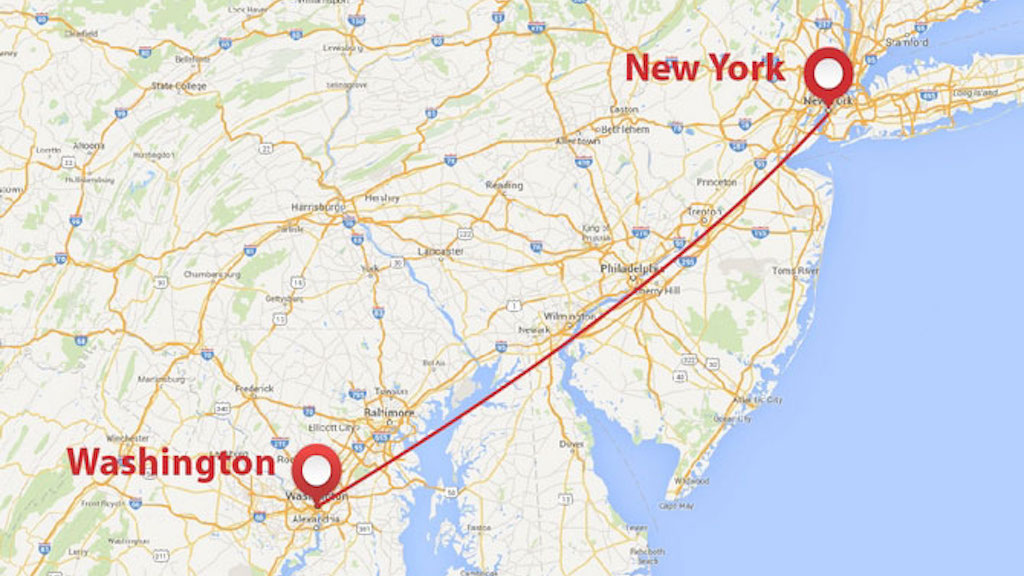
The straight-line, or “as the crow flies,” distance between New York City and Washington D.C. is approximately 204 miles (328 kilometers). However, as travelers, we rarely fly directly. The actual driving distance, following major interstate highways like I-95, is closer to 225 to 230 miles (362 to 370 kilometers). This variation accounts for the winding nature of roads and the necessity of navigating through urban areas.
The drive typically takes you through several states, including New Jersey, Pennsylvania, Delaware, and Maryland, before reaching the District of Columbia. Each state offers its own unique landscape and potential points of interest, though most travelers on this route prioritize efficiency.
Average Travel Times by Mode
Travel times can fluctuate significantly depending on your chosen mode of transport, traffic conditions, and the number of stops you make. Here’s a general overview:
- By Car: Without significant traffic or stops, a direct drive usually takes around 3.5 to 4.5 hours. However, peak-hour traffic, especially around major cities like Newark, Philadelphia, and Baltimore, can easily extend this to 5-6 hours or more.
- By Train: Amtrak offers routes ranging from 2.5 hours (Acela Express) to 3.5-4 hours (Northeast Regional), providing a reliable and often faster alternative to driving.
- By Bus: Bus journeys generally take between 4 and 5 hours, though this can be longer during periods of heavy traffic. They are typically the most budget-friendly option.
- By Air: The actual flight time is incredibly short, often less than an hour. However, when you factor in travel to and from airports, security checks, and boarding, the total door-to-door travel time often averages 4 to 5 hours, making it comparable to or even longer than train travel in many cases.
Understanding these baseline times is crucial for setting realistic expectations and choosing the best option for your schedule and priorities.
Navigating Your Journey: Modes of Transportation
The choice of transportation is perhaps the most critical decision for your trip between New York and Washington D.C.. Each mode offers distinct advantages and disadvantages.
By Train: Comfort and Convenience
For many, train travel is the preferred way to journey along the Northeast Corridor. Amtrak is the primary operator, offering a comfortable, stress-free experience that connects city centers.
- Acela Express: This high-speed service is Amtrak’s premium offering. It boasts fewer stops, more spacious seating, power outlets, and a café car, making it ideal for business travelers or those seeking a quicker, more luxurious journey. Travel time is typically around 2.5 to 3 hours. Fares are generally higher, especially during peak times.
- Northeast Regional: The more budget-friendly and frequent option, the Northeast Regional makes more stops but still offers comfortable seating, Wi-Fi, and a café car. Travel time ranges from 3.5 to 4 hours. This service is popular with both leisure and business travelers due to its flexibility and affordability.
One of the biggest advantages of train travel is its directness. In New York, you’ll depart from Moynihan Train Hall (adjacent to Penn Station) and arrive at Washington D.C.’s Union Station – both centrally located and well-connected to public transport, eliminating the need for costly and time-consuming airport transfers.
By Bus: The Economical Choice
For travelers on a tighter budget, bus services offer an excellent, cost-effective alternative. Several companies operate frequent routes between the two cities.
- MegaBus, BoltBus, and Greyhound: These popular carriers provide direct services with amenities such as free Wi-Fi, power outlets, and reclining seats. Fares can be incredibly low, especially when booked in advance or during promotional periods.
- Travel Time and Experience: Bus journeys typically take between 4 and 5 hours, though they are more susceptible to traffic delays, especially entering and exiting major metropolitan areas. Departure and arrival points are usually conveniently located, though not always as central as train stations. For instance, in New York, buses often depart from various points near Port Authority Bus Terminal or curbside stops, arriving at Union Station in Washington D.C.. While less spacious than trains, modern buses are generally comfortable enough for this duration of travel.
By Car: Flexibility and Scenic Opportunities
Driving provides unmatched flexibility and the chance to explore at your own pace. The primary route is the I-95 corridor, a major artery along the East Coast.
- Driving Route and Time: The journey along I-95 is relatively straightforward. As mentioned, without significant traffic, it’s about a 3.5 to 4.5-hour drive. However, traffic can be a major factor, particularly on weekends, holidays, and during rush hour.
- Considerations:
- Tolls: Expect to encounter several tolls along I-95, especially in New Jersey, Delaware, and Maryland. Consider getting an E-ZPass or equivalent for convenience.
- Fuel and Parking: Factor in fuel costs and potentially expensive parking fees in both New York and Washington D.C..
- Stopovers: A significant advantage of driving is the option to make interesting stopovers. Cities like Philadelphia and Baltimore are directly on the route, offering opportunities for a meal, a historical detour, or even an overnight stay.
- Car Rental: If you don’t own a car, numerous rental agencies operate in both cities, offering a range of vehicles to suit solo travelers, families, or business groups.
By Air: The Fastest Option (with caveats)
While the flight itself is incredibly short, typically less than an hour, air travel often ends up being comparable in total door-to-door time to train or even bus travel, especially for solo travelers without checked luggage.
- Airports:
- For New York: JFK Airport, LaGuardia Airport, and Newark Liberty International Airport (in New Jersey but serving the New York City area).
- For Washington D.C.: Ronald Reagan Washington National Airport (DCA, closest to downtown), Dulles International Airport (IAD, a bit further out in Virginia), and Baltimore/Washington International Thurgood Marshall Airport (BWI, in Maryland, serving both cities).
- Airlines: Major carriers like Delta Air Lines, United Airlines, and American Airlines operate frequent flights, alongside budget airlines such as Spirit Airlines.
- Total Travel Time: The time spent getting to and from airports, navigating security, and waiting for boarding can easily add 3-4 hours to your trip, making a short flight a longer overall experience. Flights can also be more susceptible to weather delays.
- Cost: Airfares vary widely. While you can find competitive deals, flights are generally more expensive than buses and often comparable to Amtrak tickets, especially when considering baggage fees.
Enhancing Your Experience: What to See and Where to Stay
Beyond the journey itself, the destinations offer a wealth of experiences. Smart planning for sightseeing and accommodation will elevate your trip.
Essential Stops Along the Way (If Driving)
If you opt for a road trip, you have the fantastic opportunity to break up your drive and discover other historic cities.
- Philadelphia, Pennsylvania: Approximately halfway, Philadelphia is a treasure trove of American history. You can visit Independence Hall where the Declaration of Independence and the U.S. Constitution were signed, and see the iconic Liberty Bell. A quick lunch at Reading Terminal Market or a stroll through Old City can add a rich layer to your journey.
- Baltimore, Maryland: Just an hour north of Washington D.C., Baltimore’s historic Inner Harbor is a vibrant area with attractions like the National Aquarium and the USS Constellation. It’s a great spot for a walk and a seafood dinner.
Iconic Landmarks in New York City
New York is a city of superlatives, offering endless attractions.
- Manhattan Icons: No visit is complete without seeing the majestic Statue of Liberty, ascending the Empire State Building for panoramic views, experiencing the dazzling lights of Times Square, and taking a leisurely stroll through Central Park.
- Cultural Hub: Catch a world-class show on Broadway, explore the diverse neighborhoods, from the historic charm of Greenwich Village to the trendy boutiques of SoHo, and indulge in a culinary scene that spans the globe. New York offers something for every taste and budget, from Michelin-starred dining to delicious street food.
Must-Visit Sights in Washington D.C.
Washington D.C. is a city steeped in history and patriotism, with most of its major attractions conveniently located around the National Mall.
- Government and Memorials: Witness the grandeur of the White House and the US Capitol Building. Pay respects at the profound Lincoln Memorial and marvel at the towering Washington Monument.
- Smithsonian Museums: D.C. is home to the unparalleled Smithsonian Museums, many of which offer free admission. Don’t miss the National Air and Space Museum, the National Museum of Natural History, or the National Gallery of Art.
- Beyond the Mall: Explore the charming streets of Georgetown for upscale shopping, dining, and historic architecture.
Accommodation Choices for Every Traveler
Both New York and Washington D.C. offer an extensive range of accommodation options, catering to every style of travel, from luxury escapes to budget-friendly stays and family-friendly resorts.
- Luxury & Boutique Hotels: For those seeking an indulgent experience, both cities boast world-class luxury hotels like the Four Seasons, Ritz-Carlton, and independent boutique hotels offering unique charm and personalized service. These properties often feature high-end amenities, exquisite dining, and prime locations.
- Mid-Range & Business Hotels: Reputable chains such as Marriott, Hilton, and Hyatt are abundant, providing consistent quality, comfortable rooms, and business-friendly amenities like meeting spaces and executive lounges. These are popular choices for business travelers and those seeking a balance of comfort and value.
- Budget-Friendly Options: Hostels, economy hotels, and guesthouses are available for budget-conscious travelers. Consider staying slightly outside the immediate city centers for better value, with easy access via public transportation.
- Apartments & Villas: For longer stays, family trips, or groups, consider booking apartments or villas through platforms specializing in vacation rentals. These often provide more space, kitchen facilities, and a “home away from home” feel, which can be particularly beneficial for long-term stays or those wishing to experience local culture more deeply.
- Booking Tips: Always book your accommodation well in advance, especially during peak tourist seasons or major events. Compare prices across different booking platforms, read recent reviews to gauge quality, and check for amenities that align with your lifestyle (e.g., fitness centers, pet-friendly policies, kids’ clubs for family trips).
Practical Tips for Your Journey
Thoughtful planning can significantly enhance your travel experience, regardless of your chosen mode or travel style.
Best Time to Travel
- Spring (April-May) and Fall (September-October): These seasons offer the most pleasant weather, with mild temperatures and beautiful foliage or blooming cherry blossoms (in D.C.). They are also popular, meaning higher prices and more crowds.
- Summer (June-August): Can be hot and humid, but it’s peak tourist season, with many outdoor activities and festivals. Book well in advance.
- Winter (November-March): Generally colder, but fewer crowds and potentially lower prices for flights and hotels, especially outside of the holiday season. Snow can occasionally impact travel, particularly driving and flying.
Budgeting Your Trip
- Transportation: Compare costs for trains, buses, cars, and flights. Buses are usually the cheapest, while high-speed trains and flights can be more expensive. Factor in tolls, fuel, and parking if driving.
- Accommodation: This will likely be your biggest expense. As mentioned, booking early and considering different neighborhoods can save money.
- Food and Activities: Both cities offer a spectrum of dining options. Take advantage of free attractions in D.C. (like the Smithsonian Museums) and look for free walking tours or outdoor events. For luxury travel, budgeting for fine dining and exclusive experiences is key.
- Public Transport: Utilize the excellent public transportation systems in both cities (subway, buses) to save on taxi or rideshare costs.
Lifestyle Considerations
- Family Trips: Look for hotels with family-friendly amenities, and plan activities suitable for all ages. Train travel can be a good option as children can move around more easily.
- Business Stays: Prioritize efficiency. Acela Express train services and hotels near business districts or convention centers are often preferred. Ensure your accommodation offers reliable Wi-Fi and meeting facilities.
- Luxury Travel: Consider premium train car service, private car transfers, and stays at renowned luxury hotels. Private tours and exclusive dining experiences will define your journey.
- Budget Travel: Buses and economy hotels are your best friends. Utilize public transport, seek out free attractions, and explore diverse, affordable food options.
Essential Packing and Pre-Trip Planning
- Comfortable Shoes: You’ll be doing a lot of walking in both cities.
- Layered Clothing: Weather can change, especially during shoulder seasons.
- Travel Documents: Keep your ID, tickets, and booking confirmations easily accessible.
- Charging Devices: Portable chargers for your phone and other electronics are invaluable.
- Reservations: For popular attractions, shows, and high-demand restaurants, make reservations well in advance. This is especially true for Broadway shows or tours of the White House or US Capitol Building.
In conclusion, the journey from New York to Washington D.C. is easily manageable and rich with possibilities. Whether you prioritize speed, cost, comfort, or the flexibility to explore, a suitable option awaits. By understanding the distances, exploring the various transportation methods, and planning your stay with insights into landmarks and accommodation, you’re well-equipped to experience the unique charm and significance of both these incredible American cities. Enjoy your travels!
LifeOutOfTheBox is a participant in the Amazon Services LLC Associates Program, an affiliate advertising program designed to provide a means for sites to earn advertising fees by advertising and linking to Amazon.com. Amazon, the Amazon logo, AmazonSupply, and the AmazonSupply logo are trademarks of Amazon.com, Inc. or its affiliates. As an Amazon Associate we earn affiliate commissions from qualifying purchases.