
Embarking on a journey from the bustling metropolis of New York to the historic charm of London is a dream for many. Whether it’s for business, leisure, or family visits, understanding the nuances of this transatlantic flight is crucial for a smooth and enjoyable travel experience. The primary question on most travelers’ minds is: “How long will the flight take?” While a direct flight typically spans 6.5 to 7.5 hours, several factors contribute to the exact duration, making it a topic worth exploring in detail.
This comprehensive guide will delve into the typical flight times, the elements that influence them, and offer insights into planning your journey, from choosing the right airport to managing jet lag and maximizing your time in both the United States and the United Kingdom. We’ll also touch upon the broader aspects of travel, accommodation, and the vibrant tourism opportunities awaiting you.
Understanding the Direct Flight Duration
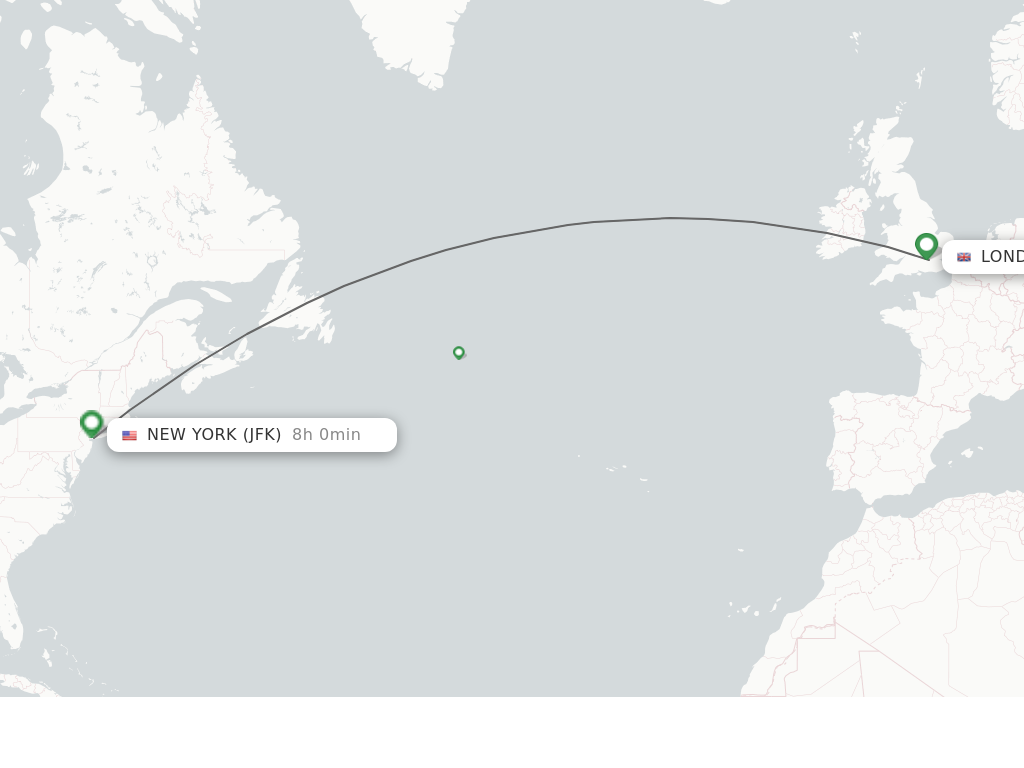
The direct flight between New York and London is one of the most popular and frequently serviced international routes in the world. As a general rule, you can expect the flight to take anywhere from 6 hours and 30 minutes to 7 hours and 30 minutes for a non-stop journey. This timeframe applies largely to eastbound flights, as the Earth’s rotation and prevailing winds (jet stream) typically make westbound flights a bit longer.
For instance, a flight from New York to London might average 7 hours, while the return journey from London to New York could easily extend to 7 hours and 30 minutes or even 8 hours. These figures are for direct flights, which are overwhelmingly the preferred option for this route due to their efficiency and the high volume of daily services.
Factors Influencing Flight Time
Several variables can slightly alter the actual flight time, even on a direct route:
- Aircraft Type: Modern aircraft, such as the Boeing 787 Dreamliner, Airbus A350, and Boeing 777, are designed for long-haul efficiency and often fly at higher cruising speeds and altitudes, potentially shaving minutes off the total time. Older models might take a bit longer.
- Wind Conditions (Jet Stream): This is perhaps the most significant natural factor. The powerful jet stream flows from west to east across the Atlantic Ocean. When flying eastbound, aircraft often ride this tailwind, which can significantly reduce flight duration. Conversely, flying westbound means battling headwinds, extending the journey.
- Flight Path and Air Traffic Control: The specific route taken by the aircraft can vary depending on air traffic congestion, weather systems, and optimization by air traffic controllers. A more direct path means a shorter flight.
- Take-off and Landing Delays: While not part of the ‘in-air’ flight time, these can add to the total journey duration. Delays can occur due to airport congestion, weather, or operational issues at either John F. Kennedy International Airport (JFK), Newark Liberty International Airport (EWR), or the various London airports.
Major Airlines and Their Routes
Numerous reputable airlines operate direct flights between New York and London, offering a range of services from budget-friendly economy to luxurious first-class experiences. Some of the most prominent carriers include:
- British Airways: As the flag carrier of the United Kingdom, British Airways offers frequent daily flights, primarily from JFK and EWR to London Heathrow Airport (LHR).
- Virgin Atlantic: Known for its distinctive style and service, Virgin Atlantic also operates multiple daily flights between JFK, EWR and LHR, and sometimes to London Gatwick Airport (LGW).
- Delta Air Lines: A major United States carrier, Delta Air Lines has a strong presence on this route, often in partnership with Virgin Atlantic.
- United Airlines: Primarily flying from its hub at Newark Liberty International Airport (EWR) to LHR.
- American Airlines: Another key United States airline, American Airlines offers frequent services, often in collaboration with British Airways.
- JetBlue: A newer entrant to the transatlantic market, JetBlue has quickly gained popularity for its competitive pricing and comfortable cabins, flying from JFK to both LHR and LGW.
- Norse Atlantic Airways: Offering more budget-friendly options, Norse Atlantic Airways often flies from JFK to LGW.
Each airline offers different cabin classes, amenities, and loyalty programs, catering to various travel styles and budgets. Booking in advance is always recommended, especially during peak seasons, to secure the best fares and preferred seating.
Navigating the Journey: From New York’s Airports to London’s Hubs
The transatlantic journey doesn’t just begin and end with the flight itself; it involves navigating major international airports on both sides of the Atlantic. Understanding the departure and arrival points is essential for a stress-free experience.
Departure Points: NYC’s Premier Airports
New York City is served by three major airports, two of which handle the vast majority of direct flights to London:
- John F. Kennedy International Airport (JFK): Located in Queens, JFK is the busiest international gateway to North America. It boasts numerous terminals, each serving specific airlines, and offers a vast array of shops, restaurants, and lounges. Connectivity to Manhattan and other boroughs is efficient via the AirTrain, Long Island Rail Road (LIRR), subway, taxis, and ride-sharing services.
- Newark Liberty International Airport (EWR): Situated in New Jersey, EWR is a significant hub for transatlantic flights, particularly for United Airlines. It offers similar amenities to JFK and is well-connected to New York City via NJ Transit trains, AirTrain, and bus services.
- LaGuardia Airport (LGA): While LaGuardia Airport (LGA) is undergoing significant modernization and primarily serves domestic flights, it occasionally handles some international charters, though it’s rare for direct London flights.
When planning your departure, consider your proximity to these airports, traffic conditions (especially in New York City), and public transport options to ensure you arrive with ample time for check-in and security.
Arrival Gateways: London’s Major Airports
London is unique in having several international airports, each serving different purposes and offering varying connections to the city center:
- Heathrow Airport (LHR): Located west of Central London, LHR is the United Kingdom’s largest and busiest airport and one of the busiest in the world. It’s the primary hub for premium transatlantic flights. Connections to Central London are excellent, with the Heathrow Express train offering a 15-minute journey to Paddington Station, the Elizabeth Line (Crossrail), Piccadilly Line of the London Underground, buses, and taxis.
- Gatwick Airport (LGW): Situated south of London, LGW is the second-largest airport and often serves a mix of full-service and budget airlines. The Gatwick Express provides a non-stop rail service to London Victoria Station in about 30 minutes, with regular train services and bus links also available.
- London City Airport (LCY): Located just 6 miles east of Central London, LCY is a smaller airport primarily catering to business travelers due to its convenient location and quick check-in/security processes. It has limited transatlantic flights, but those available are highly prized for their direct access to the financial district of Canary Wharf and the City of London via the Docklands Light Railway (DLR).
- Stansted Airport (STN): North-east of London, Stansted Airport (STN) is a hub for many European low-cost carriers. While less common for direct New York flights, it might be an option for connecting journeys. The Stansted Express train offers services to London Liverpool Street Station.
- Luton Airport (LTN): North of London, Luton Airport (LTN) also primarily serves low-cost European routes. Similarly, it’s less likely to be your direct arrival point from New York.
Choosing your arrival airport often depends on the airline, fare, and the specific area of London you plan to visit. Consider the total travel time from touchdown to your final destination, including customs and ground transport.
Beyond the Flight: Planning Your Transatlantic Adventure
The journey from New York to London is more than just the time spent in the air; it’s about the entire experience, from preparing for departure to immersing yourself in your destination.
Battling Jet Lag and Maximizing Your Arrival
The time difference between New York (typically Eastern Standard Time – EST) and London (Greenwich Mean Time – GMT/BST) is usually 5 hours. Flying east means you’ll “lose” 5 hours, often leading to jet lag. Here are some tips to minimize its effects:
- Adjust Sleep Gradually: A few days before your flight, try to shift your sleep schedule closer to London time.
- Stay Hydrated: Drink plenty of water before, during, and after your flight to combat dehydration, which can worsen jet lag symptoms.
- Avoid Excessive Caffeine and Alcohol: While tempting, these can disrupt your sleep cycle further.
- Sleep on the Plane: If possible, try to sleep during the flight, especially if it’s an overnight journey.
- Embrace the New Time Zone Immediately: Once you arrive, try to stay awake until London evening, even if you’re tired. Exposure to natural light helps reset your body clock.
- Gentle Activity: A walk through a London park like Hyde Park or Regent’s Park can help you adjust.
Exploring London: A City of Endless Wonders
Once you’ve landed and settled in, London unfolds as a treasure trove of history, culture, and vibrant experiences, aligning perfectly with the website’s focus on Travel and Tourism.
- Landmarks and Attractions: No visit to London is complete without seeing iconic landmarks such as Big Ben and the Houses of Parliament, the majestic Buckingham Palace, the historic Tower of London, and the panoramic views from the London Eye. Dive into history at Westminster Abbey or marvel at the vast collections in the British Museum and the National Gallery. For art lovers, Tate Modern offers compelling contemporary works. Science and history buffs will appreciate the Natural History Museum and the Victoria and Albert Museum.
- Local Culture and Food: Explore diverse neighborhoods like trendy Shoreditch, upscale Kensington and Chelsea, or the vibrant theater district of the West End and Covent Garden. Indulge in traditional afternoon tea, savor a hearty pub lunch, or explore London’s incredible international culinary scene, from Michelin-starred restaurants to bustling street food markets. Don’t forget to catch a show in Soho or visit Shakespeare’s Globe.
- Activities and Shopping: From strolling through Royal Parks to shopping on Oxford Street and Regent Street, or simply soaking in the atmosphere at Piccadilly Circus or Trafalgar Square, London offers activities for every taste. Consider a river cruise on the Thames for a different perspective of the city’s iconic structures like The Shard and St Paul’s Cathedral.
Maximizing Your Experience: Lifestyle and Budget Considerations
The website’s focus on Lifestyle and Accommodation is particularly relevant when planning a trip to London.
- Accommodation: London offers an extensive range of accommodation options. For luxury travelers, boutique hotels in Mayfair or Knightsbridge provide unparalleled service and amenities, often featuring lavish suites and fine dining. Budget travelers can find value in hostels, guesthouses, or serviced apartments further out from the city center. Mid-range options include popular chains offering comfortable stays, often with excellent transport links. Websites focusing on booking and comparison can help you find the best deals, whether you’re seeking a short stay or long-term accommodation. Consider areas like Victoria, Earl’s Court, or King’s Cross for good transport connections.
- Budget Travel vs. Luxury Travel: Your travel style will heavily influence your overall experience. Budget travelers can take advantage of free museums, walking tours, and street food. Luxury travelers might opt for private tours, high-end dining, and exclusive resorts or villas.
- Family Trips vs. Business Stays: Family trips might prioritize accommodation with more space or kid-friendly amenities and attractions like the Science Museum or London Zoo. Business travelers might prefer hotels close to financial districts like Canary Wharf or with excellent connectivity to major transport hubs.
Essential Tips for a Smooth Transatlantic Journey
Beyond the flight duration, several practical considerations contribute to a stress-free trip.
- Visa Requirements: Always check the latest visa and entry requirements for both the United Kingdom and the United States well in advance of your travel dates. United States citizens typically do not require a visa for tourist stays in the UK up to six months, but rules can change.
- Packing Smart: Consider the climate in London, which is notoriously variable. Layering is key. Also, be mindful of airline baggage restrictions to avoid extra fees.
- Travel Insurance: Investing in comprehensive travel insurance is always a wise decision to cover unforeseen circumstances like flight delays, cancellations, lost luggage, or medical emergencies.
- Currency Exchange: The currency in the United Kingdom is the British Pound (£). It’s advisable to have some local currency upon arrival or use an international credit/debit card, widely accepted everywhere.
- Connectivity: Consider purchasing a local SIM card or an international eSIM for easy access to data and calls while in London. Wi-Fi is widely available in hotels, cafes, and public spaces.
In conclusion, a direct flight from New York to London typically takes between 6.5 and 7.5 hours, a relatively swift journey across the Atlantic that opens the door to an incredible adventure. By understanding the factors influencing flight times, planning your airport transfers, and proactively managing jet lag, you can transform a long-haul flight into a seamless part of your memorable transatlantic experience. From the moment you book your flight to the instant you step off the plane into the vibrant streets of London, every detail contributes to a richer and more enjoyable trip, aligning with the ethos of discovering life’s amazing experiences, one destination at a time.
LifeOutOfTheBox is a participant in the Amazon Services LLC Associates Program, an affiliate advertising program designed to provide a means for sites to earn advertising fees by advertising and linking to Amazon.com. Amazon, the Amazon logo, AmazonSupply, and the AmazonSupply logo are trademarks of Amazon.com, Inc. or its affiliates. As an Amazon Associate we earn affiliate commissions from qualifying purchases.