
New York State, a land of captivating contrasts, is renowned for its iconic skyline, serene natural wonders, and vibrant cultural tapestry. From the pulsating energy of its namesake city to the tranquil beauty of its vast wilderness, the state offers an unparalleled diversity of experiences for every traveler. Yet, beneath the well-known destinations lies a fundamental administrative and geographical structure that profoundly shapes its character and offerings: its counties. So, how many counties are there in New York State? The answer is 62. These 62 distinct entities serve as the foundational building blocks of the state, each contributing its unique flavor, history, and array of attractions, making them essential to understand for anyone planning a comprehensive exploration of this magnificent region.
For travelers, knowing about these counties is more than just a trivial fact; it’s a key to unlocking deeper, more authentic experiences. Each county presents its own set of destinations, attractions, and local cultures, influencing everything from the type of accommodation available to the unique culinary delights one might encounter. Whether you’re seeking luxury resorts, budget-friendly apartments, historic landmarks, or an immersive lifestyle experience, the specific county you choose to explore will dictate much of your adventure. This guide will delve into the rich diversity of New York State’s counties, highlighting how they cater to various travel styles and interests, and helping you navigate this complex yet incredibly rewarding destination.
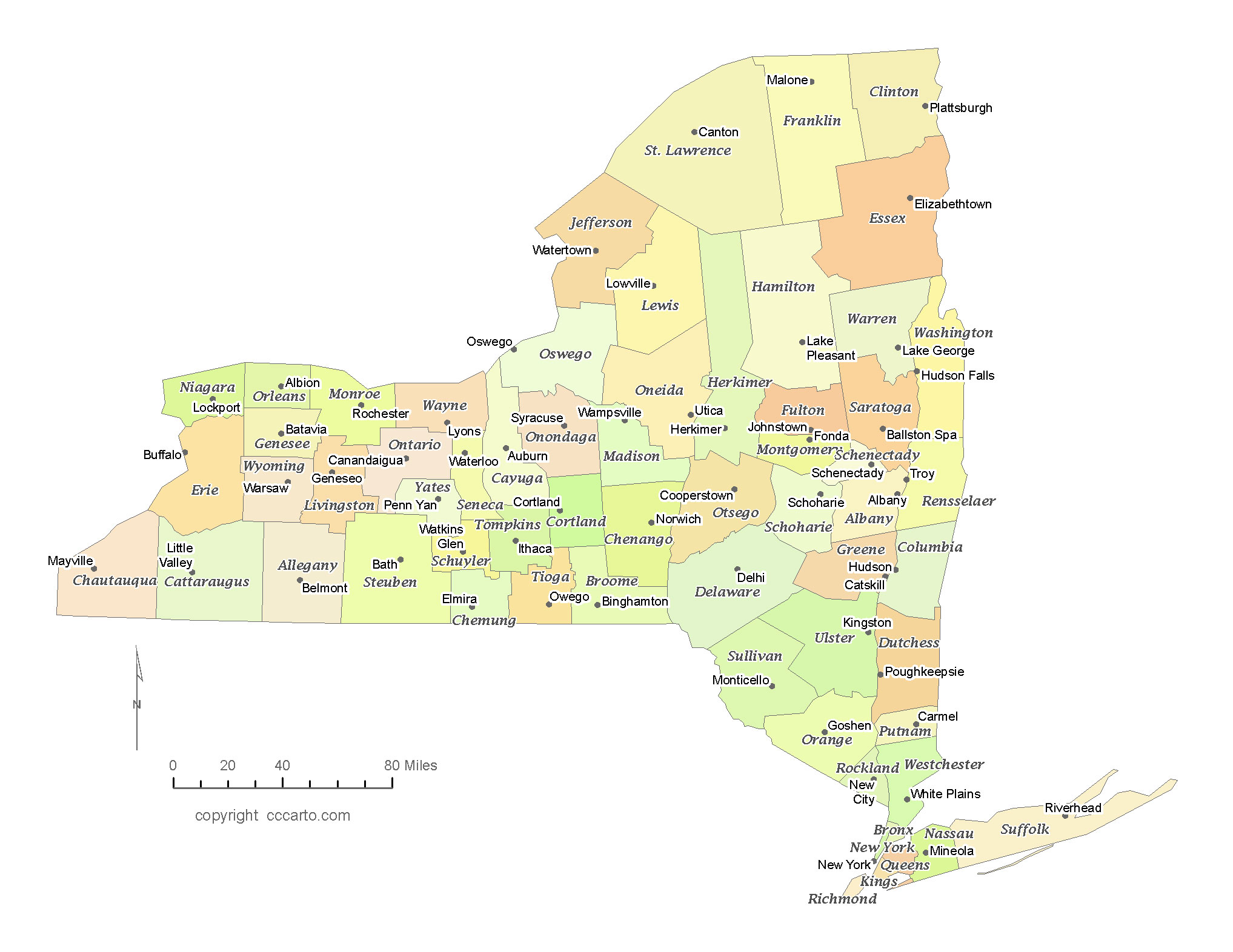
Unveiling New York State’s 62 Counties: A Tapestry of Diversity
The sheer number and geographical spread of New York State’s counties underscore its incredible diversity. These administrative divisions carve out distinct regions, each with its own character, economy, and appeal for tourism. From the bustling urban landscapes that draw millions of visitors annually to the sprawling rural expanses perfect for nature enthusiasts, the counties provide a framework for understanding the state’s multifaceted identity. Exploring them reveals a blend of natural beauty, historical significance, and modern innovation, promising unique experiences whether you’re a seasoned globetrotter or a first-time visitor.
The Metropolitan Heartbeat: Exploring New York City’s Boroughs and Beyond
Perhaps the most famous—and often misunderstood—aspect of New York State’s county structure is its integration with New York City. What many refer to simply as “the city” is, in fact, comprised of five distinct boroughs, each of which corresponds to an individual county within New York State. This unique setup means that a significant portion of the state’s global appeal is concentrated within just five of its 62 counties, forming an unparalleled hub of travel, accommodation, and lifestyle experiences.
-
New York County (Manhattan): This is the quintessential image of New York City, home to iconic landmarks such as the Statue of Liberty, Empire State Building, and the vibrant energy of Times Square. Manhattan is a paradise for luxury travel, offering world-class hotels like The Plaza and The St. Regis, alongside an array of exquisite dining experiences and high-end shopping. Culturally, it boasts institutions like the Metropolitan Museum of Art and the Guggenheim Museum, not to mention the legendary Broadway theaters. Even for budget travelers, hostels and boutique hotels offer opportunities to experience this global epicenter. The sheer density of attractions makes Manhattan a prime destination for those seeking an immersive urban adventure, complete with diverse accommodation options, from luxurious suites to long-term stay apartments.
-
Kings County (Brooklyn): Just across the bridge, Brooklyn has evolved into a cultural powerhouse, known for its vibrant arts scene, eclectic neighborhoods, and diverse culinary landscape. From the trendy boutiques of Williamsburg to the historic brownstones of Park Slope, Brooklyn offers a different, often more laid-back, New York City experience. It’s a fantastic spot for exploring local culture, with a plethora of unique eateries, breweries, and art galleries. Accommodation here ranges from chic boutique hotels to charming B&Bs, appealing to travelers looking for an authentic neighborhood feel. Prospect Park provides ample green space, and the Brooklyn Bridge itself is a landmark worth traversing.
-
Bronx County (The Bronx): The only mainland borough of New York City, the Bronx is rich in history and green spaces. It’s home to the world-renowned Bronx Zoo, the New York Botanical Garden, and Yankee Stadium. Travelers to the Bronx can delve into a blend of urban life and natural beauty, experiencing vibrant local communities and diverse culinary traditions, particularly in its historic Italian-American neighborhoods. Accommodation options cater to various budgets, offering a gateway to exploring a less-traveled, yet equally fascinating, part of the city.
-
Queens County (Queens): The largest borough by area and the most ethnically diverse urban area in the world, Queens is a melting pot of cultures, languages, and cuisines. It’s a fantastic destination for foodies seeking authentic international flavors, from Greek in Astoria to Chinese in Flushing. Queens also offers beautiful parks, art institutions like MoMA PS1, and the expansive Flushing Meadows-Corona Park, site of the US Open. With easy access to Manhattan and multiple international airports, Queens provides convenient and often more affordable accommodation choices, from standard hotels to serviced apartments, making it an excellent base for business stays or longer family trips.
-
Richmond County (Staten Island): Often called “the forgotten borough,” Staten Island offers a unique blend of suburban tranquility and urban accessibility. The iconic Staten Island Ferry provides breathtaking free views of the Manhattan skyline and the Statue of Liberty, making the journey itself an attraction. Staten Island features historic sites like Historic Richmond Town, beautiful parks, and a more relaxed pace of life. Accommodation options here tend to be more modest but provide a peaceful retreat from the city’s hustle and bustle, appealing to those seeking a quieter lifestyle experience within reach of metropolitan amenities.
These five counties, while forming the core of New York City, represent just a fraction of the state’s total. Their dense concentration of landmarks, diverse accommodation, and bustling lifestyle options demonstrate the profound impact that county divisions have on defining unique travel experiences.
From Urban Sprawl to Serene Landscapes: A Journey Through Upstate Counties
Beyond the metropolitan giants of New York City, the remaining 57 counties of New York State are broadly categorized as Upstate New York. This vast region offers a dramatic contrast to city life, showcasing an incredible array of natural beauty, quaint towns, historic sites, and outdoor adventures. Each region, composed of several counties, presents distinct opportunities for tourism, from luxurious lakeside resorts to rustic cabin getaways, catering to every conceivable lifestyle and travel budget.
-
Hudson Valley: Stretching north from the city, the Hudson Valley encompasses counties like Dutchess County, Orange County, and Ulster County. This region is steeped in history, art, and natural beauty. Visitors can explore grand estates like the Vanderbilt Mansion in Dutchess County, hike along the Walkway Over the Hudson, or marvel at the outdoor sculptures of Storm King Art Center in Orange County. The valley is also a burgeoning wine region, offering vineyard tours and tastings. Accommodation varies from historic inns and charming B&Bs to modern hotels, making it ideal for romantic getaways or family trips exploring history and nature.
-
Adirondacks: Further north lies the immense Adirondack Park, spanning several counties including Essex County and Franklin County. This protected wilderness area, larger than some national parks, is a haven for outdoor enthusiasts. Here, activities abound year-round: hiking, kayaking, skiing, and fishing. Destinations like Lake Placid in Essex County, a two-time Olympic host, offer resorts and rustic lodges, catering to those seeking adventure and tranquility. Lifestyle here leans towards rugged luxury or budget-friendly camping, with accommodation ranging from cozy cabins to full-service resorts boasting spas and gourmet dining.
-
Finger Lakes: To the west, the Finger Lakes region, encompassing counties like Ontario County, Steuben County, and Yates County, is celebrated for its eleven glacially carved lakes, stunning gorges, and world-class wineries. Seneca Lake and Cayuga Lake are particularly known for their wine trails, offering unique experiences for food and wine tourism. Charming towns, farm-to-table restaurants, and attractions like the Corning Museum of Glass in Steuben County add to the appeal. Accommodation in the Finger Lakes often includes lakeside cottages, elegant inns, and bed-and-breakfasts, perfect for a romantic escape or a serene family vacation.
-
Western New York: Anchored by Erie County (home to Buffalo) and Niagara County (home to Niagara Falls), this region offers a blend of urban revitalization and iconic natural wonders. Buffalo boasts a rich architectural heritage, a vibrant food scene, and is undergoing a significant renaissance. Niagara Falls, one of the world’s most breathtaking natural landmarks, draws millions annually, with attractions like the Maid of the Mist and the Cave of the Winds. Accommodation options range from grand hotels overlooking the falls to cozy city apartments, catering to both luxury travel and budget-conscious sightseers.
-
Capital Region: Centered around Albany County, where the state capital, Albany, is located, this region is a hub for history and government. Visitors can explore the magnificent New York State Capitol Building, historic sites, and a burgeoning craft beverage scene. Nearby, Saratoga County is home to Saratoga Springs, famous for its mineral springs, horse racing at the Saratoga Race Course, and a lively arts and dining scene. This region offers a mix of urban hotels, charming inns, and resorts, suitable for business stays or leisurely explorations of historical landmarks and cultural events.
-
Central New York: Encompassing counties like Onondaga County, home to Syracuse, this region serves as a crossroads, offering historical sites, recreational activities, and vibrant college town energy. Syracuse itself provides diverse dining and entertainment, while the surrounding areas offer lakes and parks for outdoor pursuits.
-
Other Notable Regions: Further counties extend to the scenic beauty of Lake George and the Thousand Islands in counties bordering Canada, offering boat tours and castle visits near Alexandria Bay. The Catskill Mountains, a historic retreat, sprawl across several counties, providing hiking, fishing, and rustic accommodation. Long Island, encompassing Nassau and Suffolk counties, offers stunning beaches like those in Montauk, charming seaside towns, and world-class golf courses, appealing to those seeking coastal relaxation or luxury escapes.
This diverse geographical and cultural spread across 62 counties truly makes New York State a world in miniature. Each county, with its distinct identity, contributes to the state’s appeal, offering a tailored experience for every type of traveler.
Planning Your New York State Adventure: Navigating Counties for Optimal Travel
Understanding New York State’s county system is not merely academic; it’s a practical guide for planning an unforgettable trip. By thinking in terms of counties, travelers can more effectively pinpoint destinations that align with their interests, budget, and desired lifestyle. This approach allows for a more granular exploration, moving beyond broad regional descriptions to discover the specific charm and unique offerings of smaller, localized areas. From selecting the perfect place to rest your head to immersing yourself in authentic local activities, the county framework provides invaluable insights.
Choosing Your Base: Hotels, Resorts, and Unique Accommodations Across Counties
The choice of accommodation is paramount to any travel experience, and New York State’s counties offer an astonishing array of options. Your county selection will largely dictate the type, style, and cost of your stay, catering to everything from lavish luxury to adventurous long-term stays.
In New York City counties like Manhattan and Queens, you’ll find a high concentration of internationally recognized hotel brands offering luxury suites and comprehensive amenities designed for both business and leisure travelers. From the historical grandeur of The Plaza Hotel in Manhattan to modern, high-rise apartments in Long Island City (part of Queens County), the urban environment is well-suited for those seeking convenience, vibrant nightlife, and proximity to major landmarks. Websites for booking, reviews, and comparison are essential here due to the vast selection and varying price points, making careful planning crucial for family trips or budget travel.
Moving Upstate, the accommodation landscape transforms. In the Adirondacks (e.g., Essex County), you can choose from rustic cabins, charming lakeside lodges, or luxurious resorts like the Mirror Lake Inn Resort and Spa in Lake Placid. These cater to a lifestyle focused on nature, outdoor activities, and serene retreats. The Finger Lakes counties (e.g., Yates County) are renowned for their picturesque bed-and-breakfasts, boutique inns, and vineyard accommodations, perfect for romantic getaways or culinary tours. Villas and charming holiday homes are also prevalent here, offering a more private and immersive experience.
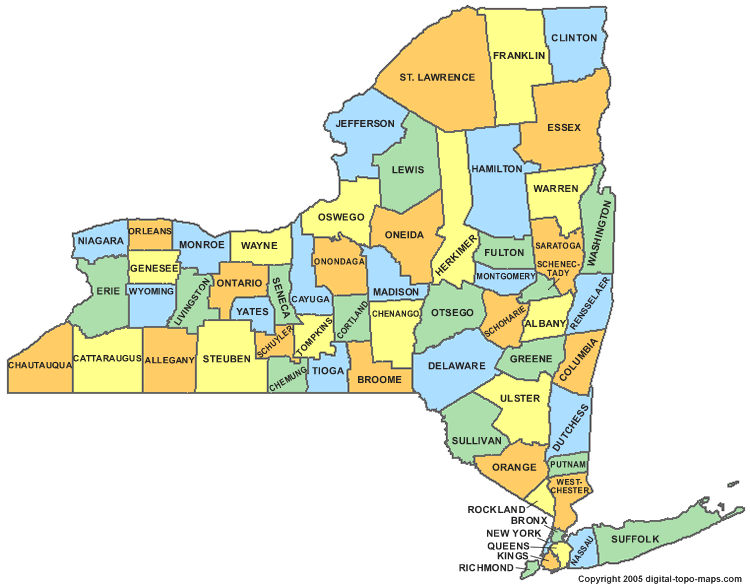
In the Hudson Valley (e.g., Dutchess County), historic inns, country estates converted into hotels, and art-focused boutique stays reflect the region’s rich heritage and artistic flair. Comparing options for amenities like spas, gourmet dining, or family-friendly activities is key. Many properties also offer long-term stay options, ideal for those looking to immerse themselves in the local culture for an extended period.
Even smaller, less-traveled counties have their unique accommodation gems, from mom-and-pop motels to quaint Airbnb rentals that offer a truly local experience. Travelers should leverage online booking platforms and review sites to compare prices, read guest feedback, and find accommodations that perfectly match their desired lifestyle, whether it’s luxury travel, a budget-conscious adventure, or a comfortable family trip.
Experiencing Local Culture and Landmarks: A County-by-County Guide
Each of New York State’s 62 counties possesses a distinct identity, expressed through its local culture, culinary traditions, and unique landmarks. Embracing this county-by-county approach to tourism allows for a richer and more authentic travel experience, moving beyond generic tourist traps to discover genuine local flavor.
For example, while Manhattan boasts world-famous landmarks like Central Park and One World Trade Center, Brooklyn’s culture revolves around its diverse neighborhoods, street art, independent shops, and vibrant music scene. Queens County offers a global culinary tour without ever leaving the borough, highlighting the incredible cultural diversity reflected in its food. For historical enthusiasts, Dutchess County and Albany County present an array of stately homes, battlefields, and governmental buildings that narrate the state’s storied past.
In the Finger Lakes, local activities are heavily influenced by the region’s viticulture, with wine tastings, vineyard tours, and farm-to-table dining experiences forming the core of its tourism. Steuben County, for instance, offers not just excellent wineries but also the Corning Museum of Glass, a world-renowned attraction celebrating glass art and history. The Adirondack Mountains (e.g., Essex County) promote an outdoor lifestyle, featuring extensive hiking trails, pristine lakes like Lake Placid, and winter sports facilities. Here, the local culture is intrinsically linked to nature and adventure.
Even more specific landmarks like the Thousand Islands region (split between Jefferson County and St. Lawrence County), near Alexandria Bay, offer unique boat tours and castles, providing a distinct blend of history and natural beauty. For families, the educational experiences at places like the New York State Museum in Albany (part of Albany County) offer a deep dive into local history and natural sciences.
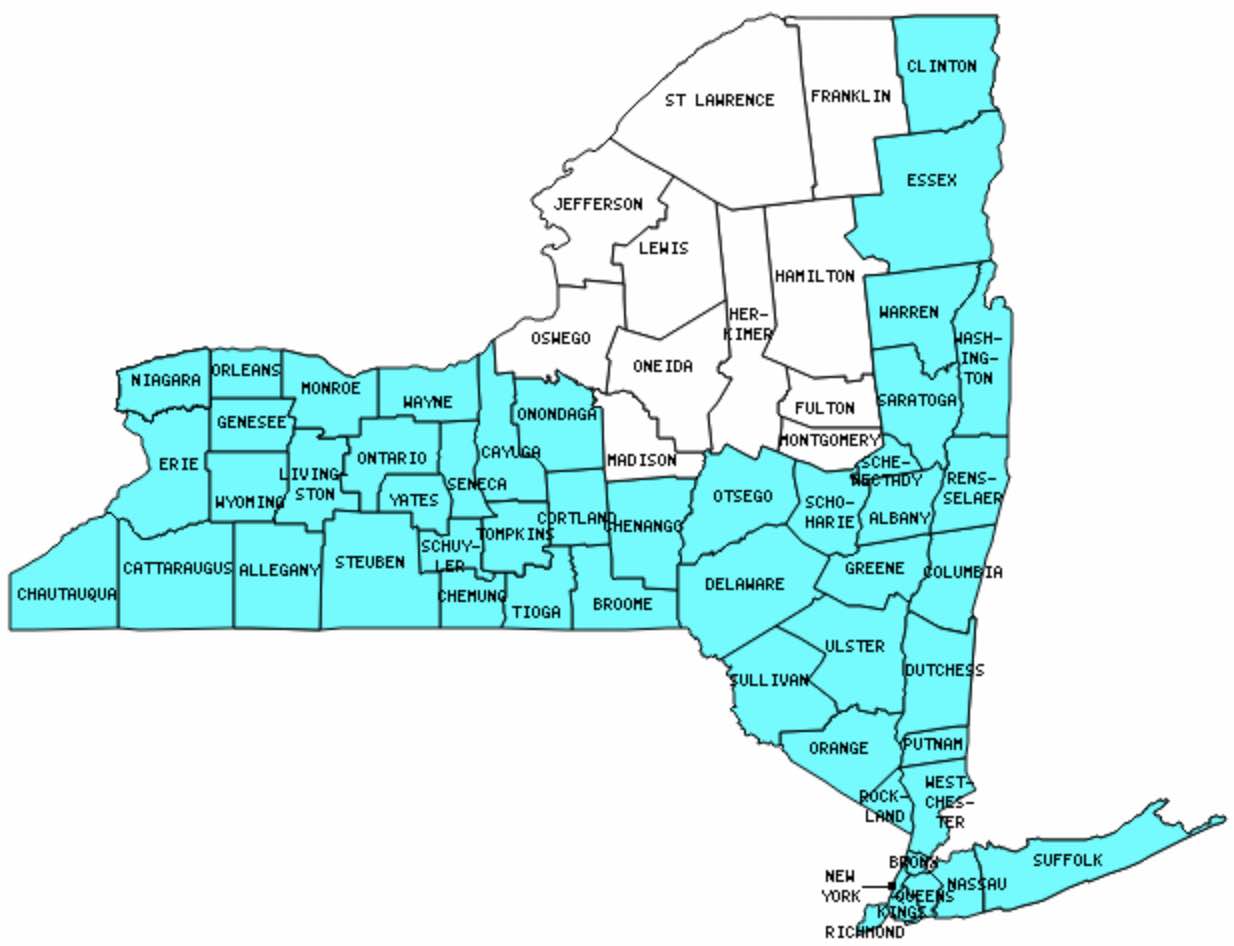
By focusing on the specific offerings of each county, travelers can curate highly personalized itineraries. Whether it’s a food-focused tour through Queens, a historical exploration of the Hudson Valley, or an adrenaline-fueled adventure in the Adirondacks, understanding the county landscape is key to experiencing the full, rich tapestry of New York State. This granular approach enhances travel, ensuring that every trip is filled with local activities, authentic cuisine, and memorable interactions that reflect the unique character of each corner of the state.
The Significance of Counties in New York State Tourism and Development
The 62 counties of New York State are far more than mere lines on a map; they are fundamental administrative and geographical units that are pivotal to the state’s tourism and development strategies. Each county plays a crucial role in shaping local identity, promoting regional attractions, and influencing the infrastructure that supports visitors and residents alike. Understanding this significance is key to appreciating the depth and breadth of New York State’s appeal as a world-class travel destination.
County governments often oversee local tourism boards and economic development agencies that are responsible for branding and promoting their unique assets. For instance, while New York State as a whole has “I Love NY” campaigns, individual counties or clusters of counties will have their own specific initiatives. The Finger Lakes Tourism Alliance, for example, unites multiple counties to promote the region’s wineries, lakes, and natural beauty under a cohesive brand. Similarly, the Adirondack Regional Tourism Council works to draw visitors to the vast wilderness and charming towns of that unique area, highlighting resorts, outdoor activities, and serene experiences available across counties like Essex and Franklin. This localized approach allows for targeted marketing and the development of tailored experiences that resonate with specific traveler interests, whether they are seeking luxury travel, budget adventures, or family-friendly excursions.
Furthermore, counties are responsible for much of the local infrastructure that impacts tourism, including roads, parks, and some public transportation systems. The maintenance and improvement of these assets directly affect the accessibility and enjoyment of attractions within their borders. Zoning laws and local planning also influence the development of hotels, resorts, apartments, and other accommodation types, ensuring that growth aligns with the community’s vision and preserves local character. For instance, a historic district within a county might have strict guidelines for new construction, maintaining its charm and appeal for heritage tourism, while another area might encourage the development of modern hotel chains for business stays.
The sense of community and local culture is often strongest at the county level. Events, festivals, and culinary traditions are frequently organized and celebrated within county lines, offering visitors an authentic glimpse into local life. From county fairs that showcase agricultural heritage to specific food festivals celebrating regional delicacies, these local activities enrich the tourism experience, providing a deeper connection to the place. The distinct cultural identity of a county, whether it’s the artistic vibrancy of Ulster County in the Hudson Valley or the historical significance of Albany County, becomes a significant draw for travelers seeking genuine experiences.
In essence, the 62 counties act as individual chapters in the grand narrative of New York State. They provide the administrative framework for governance, the geographical boundaries for distinct regions, and the cultural foundations for unique local identities. For anyone engaging in travel, exploring hotels, understanding tourism trends, booking accommodation, discovering landmarks, or embracing diverse lifestyles within New York State, acknowledging the role and individual character of each county transforms a mere trip into an enriching journey of discovery. The ongoing development and preservation efforts at the county level ensure that New York State remains a dynamic and appealing destination for all types of travelers, offering endless possibilities for exploration and unforgettable experiences.
In conclusion, the question “How many counties in New York State?” leads us to the answer of 62, a number that belies the immense diversity and intricate tapestry of this remarkable state. From the five urban powerhouses that form New York City to the vast, serene landscapes of Upstate New York encompassing mountains, lakes, and rolling farmlands, each county contributes a unique thread to the fabric of the state. For travelers, this administrative division is a powerful tool, enabling a more informed and enriched exploration of destinations, attractions, and local cultures. By understanding the distinct offerings of each county—be it world-class hotels and landmarks in Manhattan, charming B&Bs in the Finger Lakes, or rustic retreats in the Adirondacks—visitors can tailor their experiences to suit any lifestyle, from luxury getaways to budget-friendly adventures. The 62 counties are not just geographical markers; they are gateways to countless unique experiences, inviting you to delve deeper into the heart and soul of New York State and discover its endless wonders.
LifeOutOfTheBox is a participant in the Amazon Services LLC Associates Program, an affiliate advertising program designed to provide a means for sites to earn advertising fees by advertising and linking to Amazon.com. Amazon, the Amazon logo, AmazonSupply, and the AmazonSupply logo are trademarks of Amazon.com, Inc. or its affiliates. As an Amazon Associate we earn affiliate commissions from qualifying purchases.