
Embarking on a journey to the bustling metropolis of New York is an experience unlike any other. From the iconic skyline of Manhattan to the vibrant neighborhoods of Brooklyn and beyond, the Empire State offers an endless array of attractions and destinations for every kind of traveler. Whether you’re planning a luxury travel escape, a budget travel adventure, a memorable family trip, or a crucial business stay, effective communication is paramount. And in the digital age, while apps and social media dominate, traditional phone calls still play a vital role, especially when making reservations, contacting hotels, or reaching out to local services. This is where understanding the New York area codes becomes essential.
Far from being a mere string of numbers, New York area codes tell a story of urban growth, technological advancement, and the sheer density of a population that demands robust communication infrastructure. For visitors, knowing these codes can streamline everything from booking a room in a charming boutique hotel in Greenwich Village to confirming a dinner reservation in Times Square. This comprehensive guide delves into the intricacies of New York’s area codes, providing a traveler-centric perspective on why they matter and how to navigate them effortlessly during your visit to one of the world’s most dynamic cities.
Navigating the New York Area Code Landscape for Travelers
The landscape of phone numbers in New York City and its surrounding areas is a testament to the region’s colossal population and economic activity. What once began with a single area code has evolved into a complex overlay system designed to accommodate millions of residents and businesses. For those exploring the vibrant local culture, indulging in the diverse food scene, or admiring the city’s iconic landmarks and architecture, understanding this system is a small yet significant step towards a seamless tourism experience.
A Brief History and the Need for Multiple Codes
Initially, when the North American Numbering Plan (NANP) was established in 1947, the entire state of New York was served by a handful of area codes. New York City itself was assigned the now legendary 212 area code, covering all five boroughs. As the population boomed and the demand for telephone lines skyrocketed throughout the mid-20th century, it became evident that one area code simply wouldn’t suffice. The solution was to split existing codes or introduce new ones. The 212 code, once universal, was eventually restricted primarily to Manhattan.
This expansion led to the creation of additional codes like 718 for the outer boroughs (Brooklyn, Queens, The Bronx, and Staten Island) and later, the 917 overlay code that could be assigned across all five boroughs. The continuous growth of mobile phones, fax lines, and internet services further exacerbated the demand, leading to the introduction of even more overlay codes. This history illustrates the dynamic nature of New York’s communication infrastructure, a reflection of its unrelenting growth as a global hub for travel, commerce, and lifestyle.
Understanding Overlay Systems and Dialing Procedures
An overlay area code system means that multiple area codes serve the same geographic region. Rather than splitting a region and assigning new codes exclusively, an overlay adds new codes to an already existing service area. This prevents the need for existing subscribers to change their phone numbers, which is incredibly convenient but introduces a specific dialing procedure: ten-digit dialing.
In New York City and many surrounding areas, you must dial the area code plus the seven-digit local number for all calls, even if the recipient has the same area code as you. This is crucial for visitors to remember. If you’re staying at a hotel in Manhattan and need to call a restaurant just a few blocks away, you’ll still need to dial the three-digit area code before the seven-digit number. This universal 10-digit dialing ensures that calls are routed correctly, regardless of which of the multiple overlay codes the numbers belong to. This practice is commonplace throughout the United States in areas with overlay systems, making it a valuable piece of local tourism tips for any traveler.

Key New York Area Codes and Their Geographic Reach
As you explore the diverse boroughs of New York City, you’ll encounter several distinct area codes, each with its own history and geographic association. Understanding these can add a layer of insight to your journey, helping you identify regions and seamlessly connect with accommodations, attractions, and local businesses.
The Iconic 212 and Its Legacy
The 212 area code is arguably the most famous and coveted in the United States, synonymous with the prestige and allure of Manhattan. Originally covering all five boroughs, 212 was later restricted to Manhattan Island and Marble Hill. Today, it primarily serves legacy landlines and businesses established during an earlier era. Getting a new 212 number is rare and often comes at a premium, making it a status symbol in some circles.
When you see a 212 number, it immediately evokes images of Wall Street titans, Broadway theaters, upscale boutique hotels in Midtown or the Upper East Side, and the vibrant lifestyle of Downtown Manhattan. For travelers, many of the city’s most renowned landmarks, such as the Empire State Building, Central Park, and the Metropolitan Museum of Art, will have associated businesses or information lines using 212, or its later overlays.
Expanding Horizons: 646, 917, and Beyond
As the demand for phone numbers in Manhattan continued to surge, new area codes were introduced to serve the same geographic area as 212, creating an overlay system.
- 917: This was the first overlay area code introduced in New York City in 1992. Uniquely, 917 was initially assigned to cellular phones and pagers across all five boroughs before also being used for landlines. Today, it covers Manhattan, The Bronx, Brooklyn, Queens, and Staten Island. Many modern businesses, startups, and residents will have a 917 number.
- 646: Introduced in 1999, 646 is a direct overlay for Manhattan. Alongside 212 and 917, it’s one of the primary area codes you’ll encounter when dealing with businesses, hotels, and services primarily based in Manhattan.
- 332: The newest overlay for Manhattan, 332, was introduced in 2017 to meet the ongoing demand for new numbers.
These overlay codes mean that a business in Midtown Manhattan could have a 212, 646, or 332 number, and you would still dial the full 10 digits regardless.
Borough-Specific Codes: A Closer Look
Beyond Manhattan’s array of codes, the other four boroughs also have their primary identifiers, along with additional overlays.
- 718: This area code historically served Brooklyn, Queens, The Bronx, and Staten Island. It was introduced in 1984 as the population in these boroughs surged, necessitating a split from the original 212. If you’re exploring the trendy neighborhoods of Bushwick, visiting Flushing Meadows-Corona Park, or taking the ferry to the Staten Island Greenbelt, you’ll primarily see businesses and residents with 718 numbers.
- 347: An overlay for the 718 area, 347 was introduced in 1999 to cover The Bronx, Brooklyn, Queens, and Staten Island.
- 929: Another overlay for the 718/347 region, 929 was introduced in 2011 to cater to the continued growth in these boroughs.
- 322: The newest overlay for these boroughs, 322, was launched in 2023.
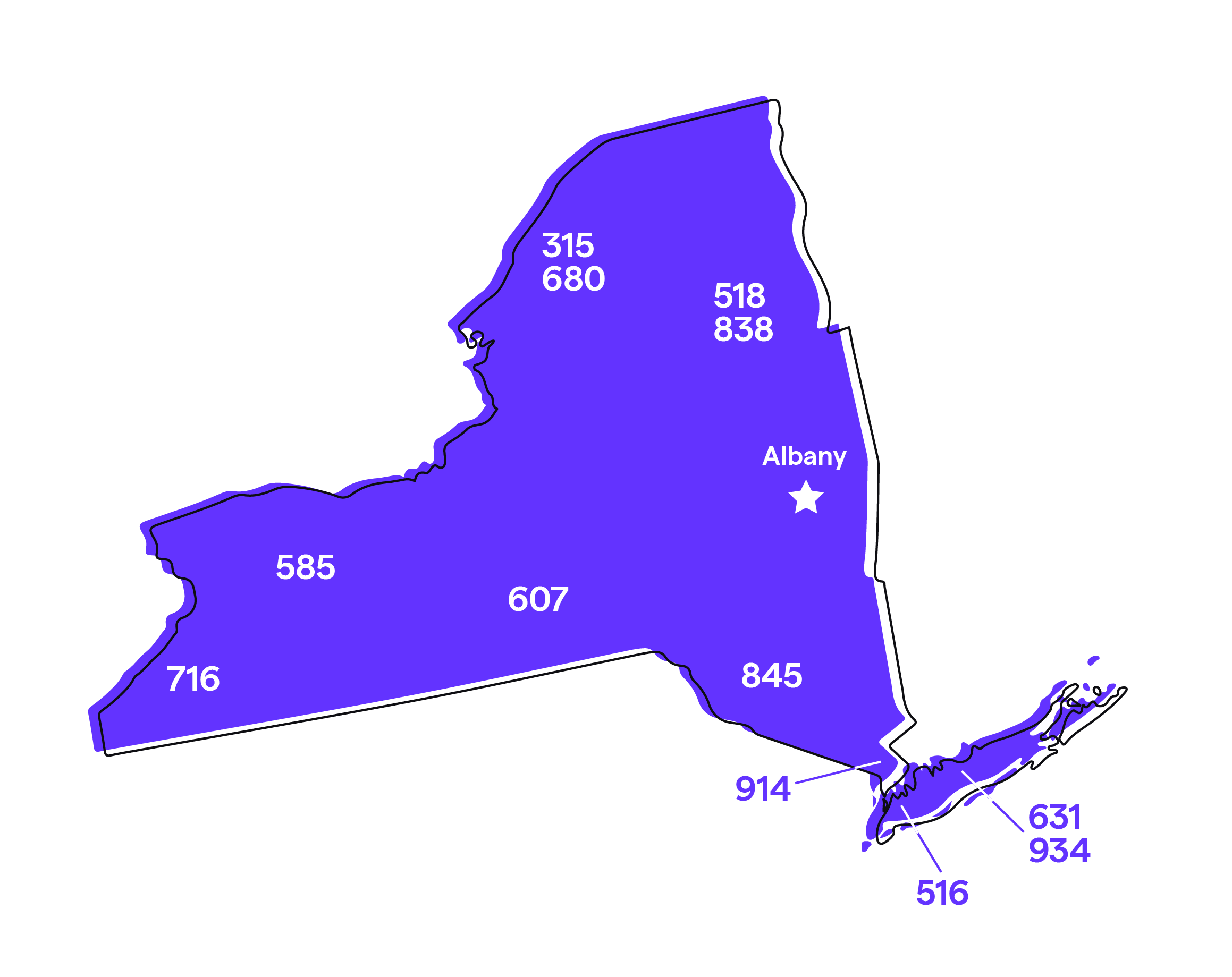
For travelers planning stays in apartments or villas in Brooklyn or Queens, or dining in local restaurants there, expect to see numbers predominantly starting with 718, 347, 929, or 322. Outside of New York City but still within the broader New York State metropolitan area, other codes exist, such as 516 and 934 for Nassau County, 631 and 725 for Suffolk County, and 914, 845 for Westchester and other upstate regions. These are less relevant for an urban New York City focused trip but good to be aware of if you plan to venture further afield.
Why Area Codes Matter for Your New York Trip
While seemingly a minor detail, understanding New York’s area codes can significantly enhance your travel experience, ensuring smooth communication and efficient planning, whether you’re on a tight budget travel schedule or enjoying the finest luxury travel offerings.
Seamless Hotel and Accommodation Bookings
Before you even set foot in New York, you’ll likely be in contact with hotels, resorts, or apartment rentals to secure your accommodation. When calling these establishments from outside the United States or from a different U.S. state, always remember the full dialing sequence: +1 (for the U.S.) followed by the three-digit area code, then the seven-digit local number.
Knowing the area code can also give you a subtle hint about the location of your hotel or suite. A 212 or 646 number almost certainly places you in Manhattan, while a 718 or 347 number indicates accommodation in the outer boroughs. This can be a useful verification tool, especially when comparing booking information online or reading reviews. Always double-check the area code when inputting contact details for taxi services, delivery food, or other essential services to avoid misdialing.

Connecting with Attractions, Restaurants, and Local Services
Once you’re immersed in your New York adventure, you’ll be making calls to confirm reservations at a Michelin-starred restaurant, check opening hours for a specific gallery, or book tickets for a Broadway show. From Rockefeller Center to the Statue of Liberty, most attractions and landmarks will provide contact numbers with a New York City area code.
The golden rule for calling within New York City is consistent: always dial 10 digits (area code + 7-digit number). This applies whether you are calling a business with a 212 number from your 646 mobile phone, or a 718 pizzeria from your Brooklyn apartment. For those on a business stay, accurately dialing ensures you connect with clients, conference centers, or transportation services without delay. Making calls correctly can save you precious time and avoid frustration, allowing you to focus on the myriad experiences New York has to offer.
Essential Communication Tips for Visitors
Beyond just knowing the area codes, a few communication tips can significantly enhance your tourism experience in New York.
- Save Important Numbers: Before you leave, save the phone numbers of your hotel, emergency contacts (both local and international), and any key reservations in your phone with the full country code and area code.
- Check Your Phone Plan: Verify with your mobile carrier whether your plan includes calls to U.S. numbers and what the charges are for calls within the U.S. (if you’re an international traveler) or for long-distance calls (if you’re from another U.S. state).
- Wi-Fi Calling: Utilize Wi-Fi calling features on your smartphone if available. This often allows you to make calls over an internet connection, potentially avoiding international roaming charges or long-distance fees while connected to your hotel’s Wi-Fi or public hotspots.
- Local SIM Card: For longer stays or extensive phone usage, consider purchasing a local prepaid SIM card from providers like T-Mobile or AT&T upon arrival. This provides you with a local New York number and often more affordable data and call rates.
Beyond the Codes: Communication Etiquette and Tips for a Smooth Stay
While area codes are fundamental, a truly smooth travel experience in New York also involves understanding broader communication aspects, catering to both the practicalities of making calls and the modern realities of staying connected.
International Dialing and Your Mobile Plan
For international visitors, making calls to your home country from New York requires dialing 011 (the U.S. international access code), followed by your country’s code, and then the local number. For example, to call the United Kingdom, you would dial 011-44-xxxx-xxxxxx. Conversely, if your family or friends are calling you in New York, they’ll need to dial your country’s international access code (e.g., 00 from most of Europe), then 1 (for the U.S.), followed by your New York area code and local number.
It is absolutely vital to check your mobile phone plan’s international roaming policies before your trip. The costs for making and receiving calls, sending texts, and using data can accumulate rapidly, potentially leading to a shocking bill upon your return. Many carriers offer international packages or daily passes that can be more economical than standard roaming rates. Alternatively, rely heavily on Wi-Fi for communication via apps like WhatsApp, FaceTime, or Skype when possible, especially if your accommodation provides reliable internet access.
Emergency Services and Important Local Numbers
In case of an emergency in New York or anywhere in the United States, the number to dial is universally 911. This connects you to police, fire, and ambulance services. This is a crucial number to remember and does not require an area code. For non-emergency situations, such as reporting a minor incident or seeking general city information, you can often dial 311. This service provides access to a wide range of municipal services and information and is an invaluable resource for both residents and tourism.
Keep a list of other important numbers handy, such as your hotel reception, your travel insurance provider, and the local embassy or consulate for international travelers. These small preparations contribute significantly to a worry-free travel experience and underscore the importance of being informed beyond just destinations and attractions.
The Digital Age: Apps and Connectivity
While traditional phone calls and area codes remain relevant, especially for official bookings and local business interactions, the digital age offers numerous alternatives for staying connected. Most hotels and many public spaces in New York City offer Wi-Fi access, sometimes free, sometimes for a fee. Download essential travel apps before you arrive, such as mapping apps (Google Maps, Apple Maps), public transportation apps (MTA or Citymapper), ride-sharing apps (Uber, Lyft), and communication apps.
Many New York City restaurants and attractions allow for online reservations, reducing the need for phone calls. Exploring the city’s myriad offerings, from luxury travel dining to budget travel street food, can often be done with a few taps on your smartphone. However, always have a backup plan, as Wi-Fi isn’t always reliable, and a direct phone call is sometimes the quickest way to resolve an issue or get specific information.
In conclusion, the area codes of New York are more than just numbers; they are a vital component of the city’s intricate communication network, reflecting its dynamic growth and sprawling urban fabric. For any visitor, from those on a whirlwind family trip to individuals undertaking a prolonged business stay, a basic understanding of these codes and the 10-digit dialing system ensures seamless interaction with the city’s vast array of hotels, attractions, and services. By incorporating these practical tips into your travel planning, you’ll be well-equipped to navigate New York City with confidence and enjoy every moment of your unforgettable experience.
LifeOutOfTheBox is a participant in the Amazon Services LLC Associates Program, an affiliate advertising program designed to provide a means for sites to earn advertising fees by advertising and linking to Amazon.com. Amazon, the Amazon logo, AmazonSupply, and the AmazonSupply logo are trademarks of Amazon.com, Inc. or its affiliates. As an Amazon Associate we earn affiliate commissions from qualifying purchases.