
New York City, a global epicenter of culture, finance, and iconic landmarks, beckons millions of visitors each year. From the bustling streets of Manhattan to the artistic enclaves of Brooklyn, the city offers an unparalleled array of experiences. However, to truly unlock the magic of this vibrant metropolis and make the most of your travel itinerary, understanding its dynamic weather patterns is absolutely crucial. New York City experiences four distinct seasons, each bringing its own unique charm, challenges, and opportunities for unforgettable tourism. Whether you’re planning a luxurious lifestyle getaway, a budget-friendly adventure, or a family trip, knowing what to expect from the skies above will guide your packing choices, accommodation bookings, and daily activities.

The Four Seasons of New York City: A Traveler’s Guide
New York City’s climate is classified as humid continental, characterized by cold, snowy winters and hot, humid summers. The transitional seasons of spring and autumn offer more moderate temperatures, often considered ideal for sightseeing. Let’s delve into what each season holds for prospective visitors.
Spring: A Time of Reawakening (March-May)
As winter’s chill recedes, New York City slowly awakens in a burst of green and blossoming flowers. Spring weather is notoriously variable, a delicate dance between lingering cold fronts and the promise of warmth.
- Temperature: March can still feel quite chilly, with average highs in the low 40s to low 50s Fahrenheit (4-12°C). April sees a noticeable warming trend, reaching the mid-50s to mid-60s (13-18°C), while May often brings truly pleasant, mild days, with averages in the 60s to low 70s (18-23°C).
- Precipitation: Spring is typically one of the wetter seasons, with a fair amount of rain. Snow is still possible in March, though less common.
- What to Expect: The city sheds its winter layers, and outdoor life begins to flourish. Parks like Central Park and the Brooklyn Botanic Garden become vibrant canvases of color, perfect for leisurely strolls. Outdoor dining starts to emerge, and rooftop bars cautiously reopen. Major attractions like the Statue of Liberty and Ellis Island become more enjoyable without the biting cold.
- Clothing: Layers are your best friend during spring. A waterproof jacket or umbrella is essential for unexpected showers. Scarves and light sweaters are useful for cooler mornings and evenings, while lighter shirts and trousers will suffice for warmer afternoons. Comfortable walking shoes are a must, regardless of the season.
- Travel Considerations: While not as crowded as summer, spring sees a significant increase in tourist numbers, especially towards May. Hotel prices can start to climb, so booking your accommodation in advance is advisable. It’s an excellent time for those who enjoy moderate temperatures and fewer extremes.
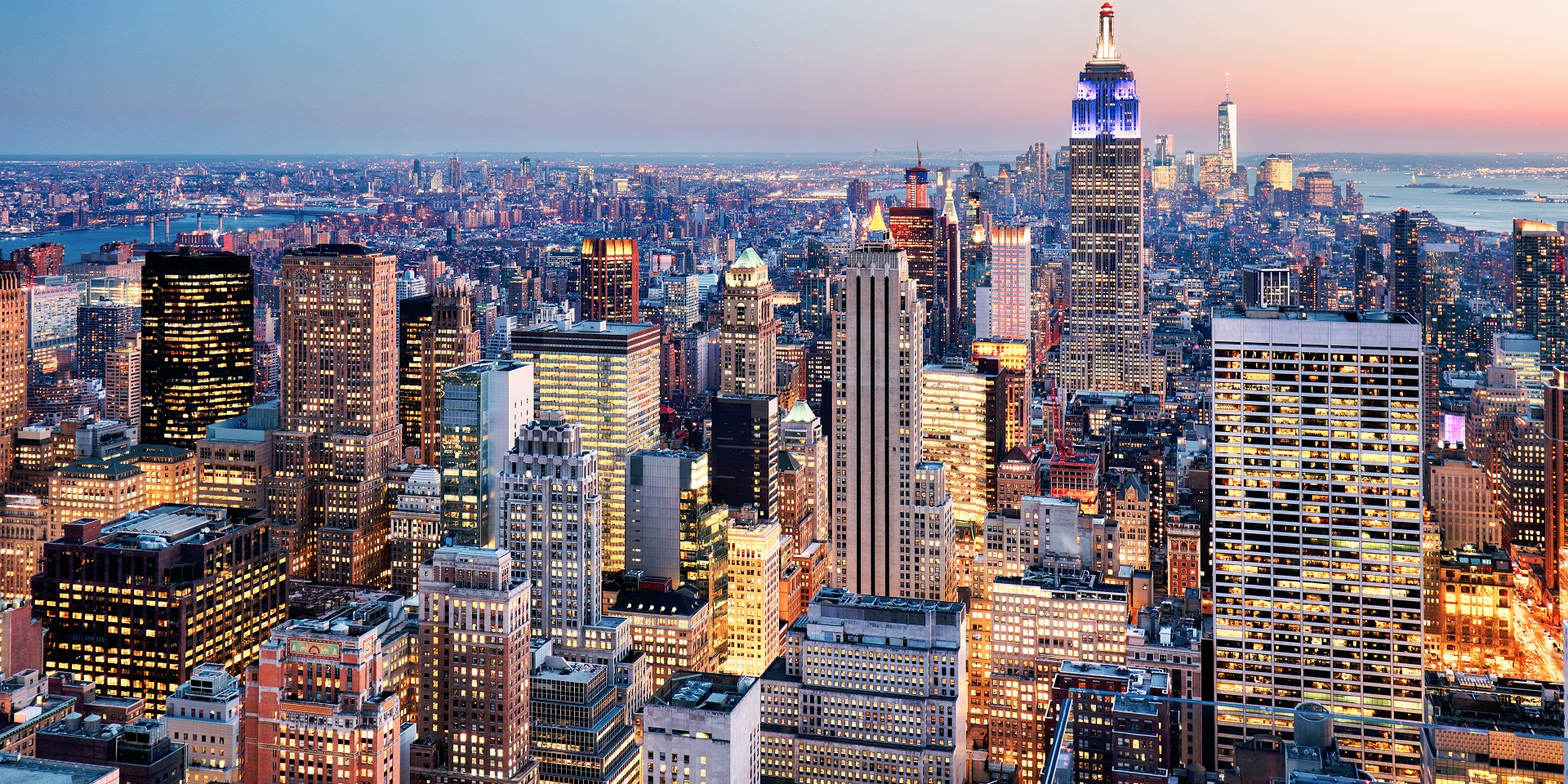
Summer: Bustling Energy and Warm Days (June-August)
New York City summers are characterized by vibrant energy, long daylight hours, and often hot, humid conditions. This is peak tourist season, drawing crowds eager to experience the city’s lively outdoor scene.
- Temperature: Temperatures consistently hover in the 80s Fahrenheit (27-32°C), frequently reaching into the 90s (32°C+) during heatwaves. Humidity can be high, making the “feels like” temperature even warmer. Nighttime temperatures remain warm, often in the 70s (21-26°C).
- Precipitation: While generally sunny, summer can bring sudden, intense thunderstorms, particularly in the late afternoons.
- What to Expect: The city truly comes alive outdoors. Outdoor festivals, free concerts in parks, street fairs, and open-air markets abound. Coney Island offers a classic seaside escape, while rooftop bars provide stunning views and a cool breeze. Attractions like the Empire State Building, Top of the Rock, and ferry rides to the Statue of Liberty are popular. Air-conditioned indoor venues like museums (The Metropolitan Museum of Art, Museum of Modern Art) and Broadway theaters offer welcome relief from the heat.
- Clothing: Light, breathable fabrics like cotton and linen are essential. Shorts, t-shirts, sundresses, and comfortable sandals are ideal. A wide-brimmed hat, sunglasses, and high-SPF sunscreen are crucial for sun protection. Keep a light sweater for intensely air-conditioned indoor spaces.
- Travel Considerations: Summer is the busiest and often most expensive time to visit. Book flights, hotels, and popular attraction tickets well in advance. Be prepared for crowds and longer lines. Ensure your accommodation has reliable air conditioning, as this is a non-negotiable for comfort. Hydration is key – always carry water.
Autumn: Picturesque Beauty and Crisp Air (September-November)
Often hailed as the most beautiful season in New York City, autumn delivers crisp air, brilliant foliage, and wonderfully moderate temperatures. It’s a favorite for many visitors seeking that quintessential autumnal lifestyle experience.
- Temperature: September continues with pleasant warmth, often in the 70s Fahrenheit (21-26°C), gradually cooling through October into the 50s and 60s (10-18°C). November brings a more pronounced chill, with averages dropping into the 40s (4-9°C).
- Precipitation: Autumn generally sees less rain than spring, with many clear, sunny days, particularly in September and October.
- What to Expect: The city transforms into a palette of reds, oranges, and yellows, especially in parks like Central Park, Washington Square Park, and along the Hudson River Park. It’s an ideal time for walking tours, outdoor photography, and enjoying the many fall festivals and Halloween festivities. Broadway shows and museums along Museum Mile remain popular choices. The cooler temperatures make exploring diverse neighborhoods like Greenwich Village and DUMBO particularly enjoyable.
- Clothing: Layers are again essential, starting with lighter options in early autumn and transitioning to warmer sweaters, light jackets, and perhaps even a heavier coat by November. A scarf and closed-toe shoes are recommended.
- Travel Considerations: Along with spring, autumn is often considered the best time to visit New York City for general tourism. Crowds are still significant, especially during popular events like the New York City Marathon or around Thanksgiving, but generally slightly less intense than summer. Accommodation prices remain high but may offer more flexibility than peak summer rates.
Winter: A Magical Wonderland (December-February)
Winter in New York City can be cold and blustery, but it also transforms the city into a magical, festive wonderland, especially during the holiday season.
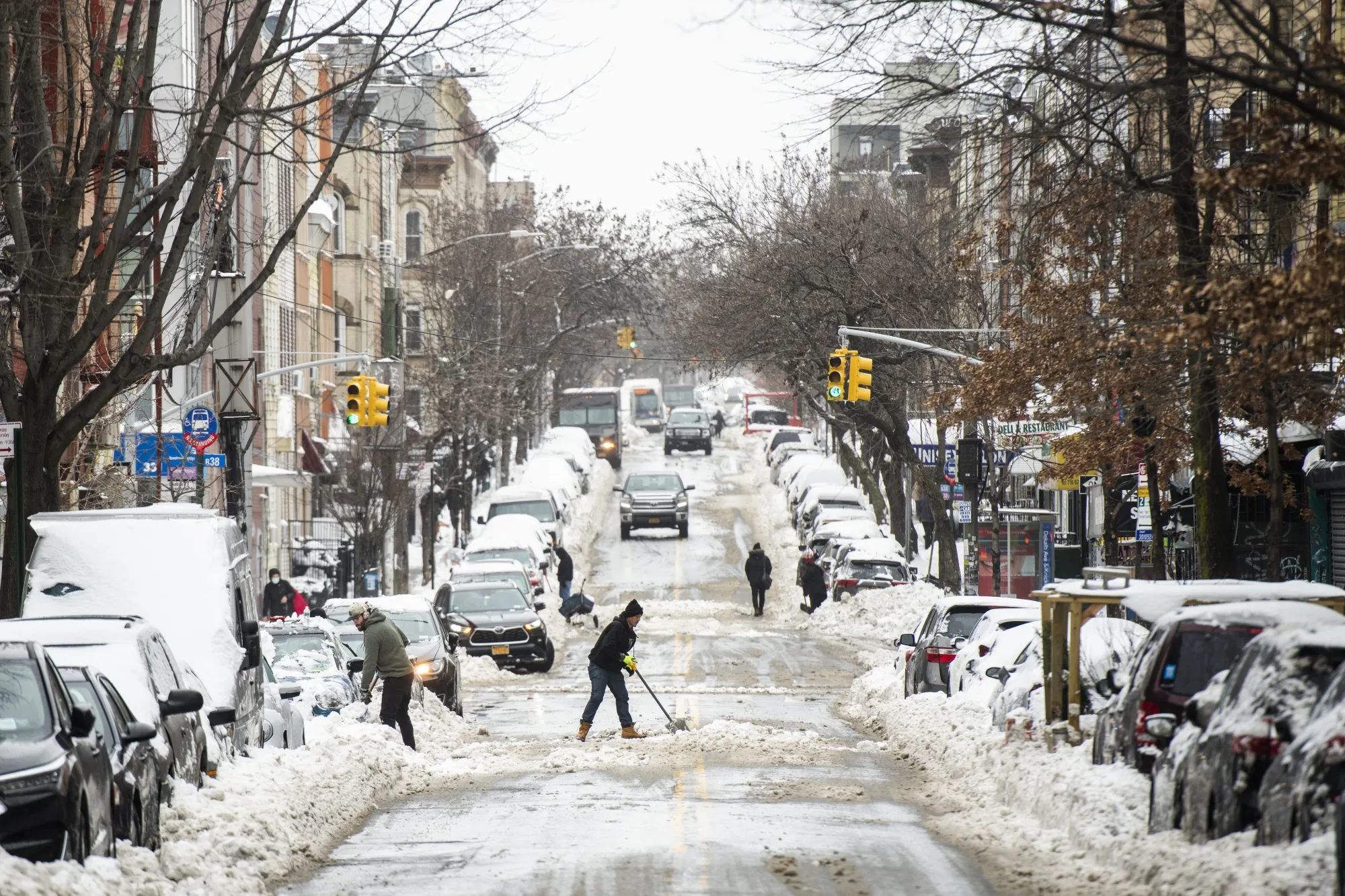
- Temperature: December sees temperatures drop into the 30s and 40s Fahrenheit (0-9°C), with January and February being the coldest months, often in the 20s and 30s (-6 to 4°C). Wind chill can make it feel significantly colder.
- Precipitation: Snowfall is common throughout winter, ranging from light dustings to significant blizzards that can temporarily halt city operations. Freezing rain and sleet are also possible.
- What to Expect: The holidays are a major draw, with the iconic tree at Rockefeller Center, elaborate window displays along Fifth Avenue, and festive holiday markets. Ice skating at Rockefeller Center or Bryant Park is a classic activity. Post-holiday, the crowds thin out, offering a more relaxed experience for exploring indoor attractions like the 9/11 Memorial & Museum, the American Museum of Natural History, or catching a Broadway show. Times Square on New Year’s Eve is an unforgettable, albeit freezing, experience.
- Clothing: Heavy, warm layers are essential. A thick winter coat (waterproof if possible), sweaters, warm trousers, thermal underwear, hats, gloves, scarves, and waterproof, insulated boots are all highly recommended.
- Travel Considerations: The holiday season (late November through New Year’s Day) is extremely popular and expensive. Flights and hotels should be booked many months in advance. January and February, however, are typically the off-peak season (excluding major events like Fashion Week), offering lower accommodation rates and fewer crowds. This can be an excellent option for budget travelers or those who don’t mind the cold and prefer indoor activities.
Planning Your New York City Trip Around the Weather
Making informed decisions based on New York City weather will significantly enhance your travel experience, ensuring comfort and maximizing your enjoyment of the city’s diverse offerings.
Best Time to Visit Based on Lifestyle and Budget
- For the Classic Tourist Experience (Moderate Weather & Sightseeing): Late spring (May) and early to mid-autumn (September-October) offer the most pleasant weather for extensive walking, outdoor sightseeing, and enjoying the city’s parks. These periods are popular, so expect moderate to high prices for hotels and flights.
- For Vibrant Outdoor Life & Festivals (Warm Weather): Summer (June-August) is perfect if you thrive in heat and humidity and want to immerse yourself in outdoor festivals, rooftop bars, and beach excursions to Coney Island. Be prepared for peak crowds and higher costs.
- For Holiday Magic & Winter Wonderland (Cold Weather): December, particularly early to mid-December, offers an unparalleled festive atmosphere. January and February are ideal for budget travelers, those seeking indoor cultural experiences, or anyone who dreams of seeing New York City blanketed in snow. Prices for accommodation are typically lowest after the New Year and before spring break.
- For Budget-Conscious Travel (Value Focus): Late January through early March generally presents the lowest travel and accommodation costs, though you’ll need to contend with cold weather. Early spring (March-April) and late autumn (November) can also offer better value before peak seasons.
Packing Essentials for Every Season
Regardless of when you visit, a few items are universally helpful:
- Comfortable Walking Shoes: You’ll do a lot of walking in New York City!
- Layering Options: Even in summer, indoor air conditioning can be intense.
- Portable Charger: For your phone, especially when navigating or taking photos all day.
- Reusable Water Bottle: Stay hydrated and reduce plastic waste.
- Small Umbrella/Rain Jacket: Weather can be unpredictable in any season.
Season-specific additions:
- Spring/Autumn: Light waterproof jacket, scarf, light sweaters.
- Summer: Sunscreen, hat, sunglasses, light breathable clothing.
- Winter: Heavy winter coat, thermal layers, hat, gloves, scarf, waterproof boots.
Navigating Accommodation and Activities
Your choice of accommodation can significantly impact your comfort, especially during extreme weather. During summer, ensure your hotel or apartment rental has reliable air conditioning. In winter, good heating is paramount. Many hotels in New York City cater to various budgets and lifestyles, from luxurious suites to boutique hotels and extended-stay apartments. Consider proximity to subway stations if you’ll be relying on public transportation, particularly in inclement weather.
Being flexible with your itinerary is key. On a rainy spring day, pivot to a museum or a Broadway show. If a summer heatwave hits, spend more time in air-conditioned art galleries, shopping centers, or enjoying a leisurely meal indoors. Winter visits can focus on indoor attractions like Grand Central Terminal, the United Nations Headquarters, or countless cozy cafes. The city offers an incredible wealth of indoor and outdoor options, so a change in weather doesn’t mean a ruined trip.
Beyond the Forecast: Microclimates and Urban Heat Island Effect
It’s also worth noting that New York City, like many large urban areas, experiences a “urban heat island” effect. The dense concentration of buildings, asphalt, and concrete absorbs and re-emits solar radiation more than natural landscapes, leading to higher temperatures within the city core compared to surrounding rural areas. This is particularly noticeable in Manhattan, where streets can feel several degrees warmer than a park on a sunny day. This effect also tends to keep the city warmer at night. Conversely, the narrow streets and tall buildings can create wind tunnels, making windy days feel even colder, especially in areas like Midtown. Always check local forecasts for the specific boroughs you plan to visit, as temperatures can vary slightly between Manhattan, Brooklyn, Queens, The Bronx, and Staten Island.
In conclusion, the weather in New York City is as diverse and dynamic as the city itself. Each season presents a unique backdrop for your urban adventure, influencing everything from your packing list to your preferred activities and even your choice of hotel. By understanding the typical conditions for each time of year and preparing accordingly, you can ensure a comfortable, memorable, and truly rewarding visit to one of the world’s most incredible destinations. Whether you dream of spring blossoms, summer sun, autumn foliage, or a winter wonderland, New York City’s weather adds another layer to its enduring allure.
LifeOutOfTheBox is a participant in the Amazon Services LLC Associates Program, an affiliate advertising program designed to provide a means for sites to earn advertising fees by advertising and linking to Amazon.com. Amazon, the Amazon logo, AmazonSupply, and the AmazonSupply logo are trademarks of Amazon.com, Inc. or its affiliates. As an Amazon Associate we earn affiliate commissions from qualifying purchases.