
New York City, often heralded as the “Capital of the World,” is a vibrant tapestry woven from countless stories, ambitions, and cultures. At the heart of its unparalleled dynamism lies its staggering population – a human mosaic that not only defines its character but also shapes every aspect of life, travel, and experience within its five boroughs. Understanding the sheer scale of New York City’s inhabitants is crucial for anyone looking to truly grasp its essence, whether as a prospective resident, a first-time tourist, or a returning visitor seeking deeper insights. This metropolis is a living, breathing entity, constantly evolving, and its population is the very lifeblood that fuels its ceaseless energy, influencing everything from the culinary scene and public transport to the demand for luxury hotels and the bustling atmosphere around its iconic landmarks.
The Numbers Behind the Metropolis: A Snapshot of NYC’s Population
The sheer volume of people who call New York City home is one of its most defining characteristics, setting it apart as a global megacity. These numbers aren’t just statistics; they represent the collective force that drives its economy, diversity, and cultural output, creating an environment unlike any other on earth.
Current Population and Density
According to the most recent official census data, the population of New York City hovers around 8.8 million people. This figure firmly establishes it as the most populous city in the United States and one of the largest urban agglomerations globally. But it’s not just the absolute number that’s remarkable; it’s how these millions are distributed across its relatively compact land area, leading to an extraordinary population density.
The city’s five boroughs – Manhattan, Brooklyn, Queens, The Bronx, and Staten Island – each contribute to this density in varying degrees. Manhattan, in particular, is one of the most densely populated areas in the world, with over 72,000 people per square mile. This incredible concentration of human activity is what gives New York City its characteristic vibrant, crowded, and fast-paced energy. Imagine millions of lives converging daily in towering skyscrapers and bustling streets, each contributing to the city’s ceaseless hum. This density impacts everything from the efficiency of its public transportation system to the vertical growth of its architecture and the constant evolution of its public spaces. For travelers, this means a dynamic atmosphere where unique experiences are always just around the corner, albeit often shared with a significant number of fellow explorers.
Historical Growth and Future Projections
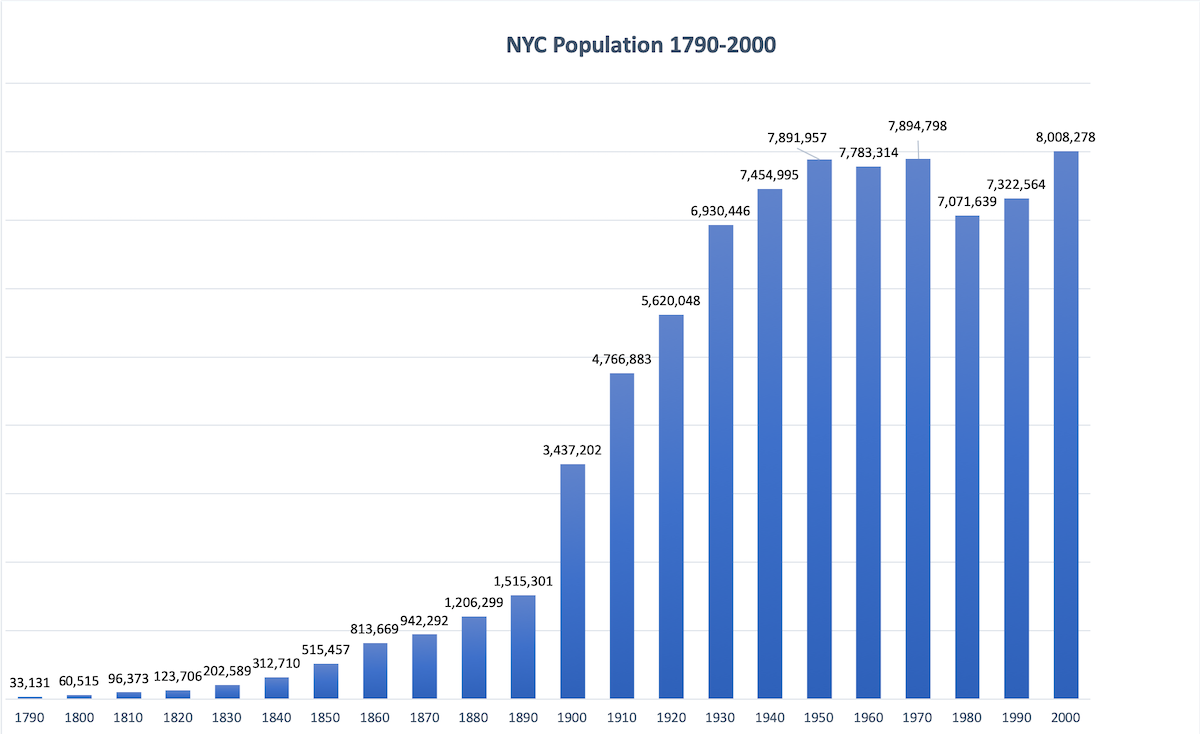
The population story of New York City is one of continuous growth, fueled by waves of immigration and economic opportunity. From its early days as a Dutch trading post, through the industrial revolution, and into the modern era, New York City has consistently drawn people from every corner of the globe seeking a new beginning, prosperity, or simply the unparalleled excitement of urban life. This historical trajectory saw the city’s population swell from mere thousands in the 17th century to over a million by the late 19th century, continuing its upward trend throughout the 20th century.
Today, while the pace of growth may have moderated compared to peak immigration periods, the city continues to attract new residents, particularly young professionals, artists, and entrepreneurs, drawn by its economic prowess and cultural magnetism. Urban planners and demographers constantly project future population trends, considering factors like birth rates, migration patterns, and housing availability. While challenges such as affordability and infrastructure strain exist, the resilience and appeal of New York City suggest it will remain a populous hub for the foreseeable future. The demand for various forms of accommodation, from luxury apartments to budget-friendly long-term stays, will undoubtedly continue to rise, adapting to the diverse needs of its evolving populace.

A Melting Pot of Cultures: How Diversity Shapes New York City
Beyond the sheer numbers, the demographic composition of New York City is its true superpower. It is a true global melting pot, where people from nearly every country in the world live side-by-side, contributing to an unrivaled cultural richness that profoundly influences every aspect of urban life, particularly for visitors exploring its wonders.
The Tapestry of Neighborhoods
The city’s immense diversity is most vividly expressed in its distinct neighborhoods, each a microcosm of a particular culture or community. These areas are not just geographical divisions; they are vibrant cultural enclaves that offer authentic experiences reflecting their residents’ heritage. For instance, a stroll through Chinatown in Manhattan transports you to another continent, with its bustling markets, traditional eateries, and unique architecture. Similarly, Little Italy, though smaller than its heyday, still evokes the charm and culinary traditions of Italian immigrants, especially during its famous street festivals.
Further north, Harlem stands as a testament to African American history and culture, offering gospel brunches, historic jazz clubs, and powerful museums. In Queens, neighborhoods like Jackson Heights are famed for their South Asian and Latin American communities, creating an astonishing array of authentic restaurants and shops. This mosaic of cultures makes New York City an unparalleled destination for experiential travel. Visitors can embark on a global journey without ever leaving the five boroughs, diving into local cultures, tasting diverse cuisines, and witnessing traditions from around the globe. Exploring these unique neighborhoods allows travelers to go beyond typical tourist attractions and connect with the genuine pulse of the city, driven by its diverse population.
Gastronomy and Lifestyle
The culinary landscape of New York City is a direct, delicious consequence of its population’s diversity. With over 8.8 million people from more than 180 countries, the city boasts an astounding array of food options that cater to every palate and budget. From Michelin-starred fine dining establishments to humble street food carts, the gastronomic scene is a reflection of global culinary traditions brought to life by passionate chefs and restaurateurs. You can savor authentic Neapolitan pizza, indulge in spicy Szechuan noodles, explore vibrant West African stews, or discover innovative fusion dishes – all within a few subway stops. This cultural richness also fuels various lifestyles, ensuring there’s something for everyone.
For the luxury traveler, New York City offers world-class dining experiences, high-end shopping on Fifth Avenue, and stays in opulent suites. Budget travelers can enjoy incredible value, from delicious cheap eats to free attractions like walking the Brooklyn Bridge or visiting Central Park. Families will find countless kid-friendly activities, museums, and parks, while business stays are supported by a robust infrastructure of convention centers and business-oriented hotels. The city’s population drives demand for all these experiences, fostering a competitive and creative environment that constantly reinvents itself. Whether it’s attending a Broadway show, exploring a gallery in Chelsea, or enjoying live music in Greenwich Village, the city’s diverse residents ensure there’s always an authentic and engaging activity tailored to every interest and preference.
Navigating the Urban Jungle: Population’s Impact on Travel and Accommodation
The sheer density of New York City’s population profoundly influences the daily experience for both residents and visitors. Understanding how millions of people move, live, and interact within this bustling environment is key to a successful and enjoyable trip, particularly when it comes to planning travel and securing accommodation.
Tourism and Crowd Management
Popular tourist attractions in New York City, such as Times Square, the Statue of Liberty, the Empire State Building, and Central Park, naturally draw massive crowds. The constant flow of both residents and tourists creates an exhilarating, yet sometimes overwhelming, atmosphere. This population dynamic necessitates efficient crowd management strategies, from staggered entry times at museums like the Metropolitan Museum of Art and MoMA to the intricate dance of pedestrians navigating busy sidewalks.
For visitors, anticipating crowds and planning accordingly can significantly enhance the experience. Booking tickets in advance, visiting popular spots during off-peak hours (early mornings or late evenings), and utilizing the city’s extensive subway system are practical tips for navigating the urban flow. The public transportation network – a marvel of engineering and efficiency – is a lifeline for millions, designed to move vast numbers of people quickly and effectively across the boroughs. While sometimes crowded, it’s an authentic New York City experience and often the fastest way to get around. Embracing the energy of the crowds, rather than resisting it, is part of the New York City adventure.
The Accommodation Landscape
The constant influx of millions of people – residents, business travelers, and tourists alike – creates an enormous demand for accommodation in New York City. As a result, the city boasts one of the most diverse and extensive hotel landscapes in the world, catering to every preference and budget. From iconic luxury hotels like The Plaza Hotel and the Grand Hyatt offering opulent suites and unparalleled service, to trendy boutique hotels in neighborhoods like SoHo and the Lower East Side, to more budget-friendly options and extended-stay apartments, the choices are vast.
The density of the population, combined with global recognition as a major destination, means that hotel prices can be among the highest globally. However, fierce competition ensures a high standard of amenities and service. For those planning a trip, early booking is often recommended, especially during peak seasons or major events. Comparison websites and reviews are invaluable tools for finding the perfect stay, whether you’re looking for a resort experience in the heart of Manhattan, a family-friendly hotel near attractions, or a long-term rental for an extended business trip. The sheer volume of people constantly moving through New York City means that the accommodation sector is always evolving, striving to meet the diverse needs of its transient and permanent populations with innovative solutions and unparalleled hospitality.

Iconic Landmarks and the Human Element
New York City’s landmarks are more than just impressive structures; they are stages upon which millions of human stories unfold daily. The city’s population doesn’t merely pass by these icons; it interacts with them, breathes life into them, and makes them points of shared experience. These famous places, whether architectural marvels or historical sites, are inextricably linked to the people who inhabit and visit the city.
Think of the Empire State Building, a sentinel over the city, where countless individuals have marveled at panoramic views, proposed marriage, or simply admired its art deco splendor. Each person adds to the building’s legacy. The Statue of Liberty, a symbol of hope and freedom, has greeted generations of immigrants and continues to inspire millions of visitors who arrive by ferry. Her significance is amplified by the diverse population she overlooks, representing the very ideals that drew many to these shores. Central Park, a sprawling urban oasis, serves as the collective backyard for millions of New Yorkers and tourists. Here, the dense population finds respite, community, and recreation – from leisurely picnics and jogs to concerts and ice skating. The park’s purpose as a public space is defined by the multitude of people who use it, adapting its role to meet their diverse needs.
Even mundane structures like the Brooklyn Bridge are transformed by the human element. Walking across its majestic span, one becomes part of a continuous flow of pedestrians and cyclists, each experiencing its history and grandeur in their own way. Similarly, the hustle and bustle of Wall Street, home to the financial engine of the world, is defined by the ambitious individuals who work there, shaping global economies. The historical significance of these landmarks is intertwined with the human stories they contain, making them more than just static points of interest. They are living monuments, constantly redefined by the millions who interact with them, affirming New York City’s status as a city where human ambition and architectural prowess converge to create an unparalleled urban experience.
In essence, the population of New York City is not just a number; it is the very soul of the metropolis. It dictates its pace, defines its character, and fuels its legendary status as a global epicenter of culture, commerce, and innovation. From the moment you arrive, whether stepping into a bustling subway station or gazing up at a towering skyscraper, the presence of millions of lives is palpable. This dynamic human element ensures that every visit to New York City is a unique, unforgettable journey into the heart of a truly global community, constantly reinventing itself through the vibrant contributions of its diverse inhabitants.
LifeOutOfTheBox is a participant in the Amazon Services LLC Associates Program, an affiliate advertising program designed to provide a means for sites to earn advertising fees by advertising and linking to Amazon.com. Amazon, the Amazon logo, AmazonSupply, and the AmazonSupply logo are trademarks of Amazon.com, Inc. or its affiliates. As an Amazon Associate we earn affiliate commissions from qualifying purchases.