
For anyone planning a trip, conducting business, or simply curious about one of the world’s most dynamic urban centers, knowing the current time in New York City is often the first step. New York, a vibrant metropolis in the United States of America (USA), operates on a specific time zone that dictates everything from flight arrivals and hotel check-ins to Broadway showtimes and dinner reservations. Understanding New York City’s time zone isn’t just a matter of technicality; it’s a crucial component for seamless travel, effective communication, and immersing oneself fully in the rhythm of this 24/7 destination.
This article delves into the specifics of New York City’s time, exploring how it impacts your travel plans, accommodation choices, and overall lifestyle experience. From managing jet lag to synchronizing your itinerary with the city’s pulse, we’ll guide you through making every moment count in the Big Apple. Whether you’re a seasoned traveler or planning your first visit, a clear grasp of the local time is your passport to an unforgettable New York adventure.
Understanding New York’s Time Zone: Eastern Time
New York City observes Eastern Time (ET), which is a standard time zone encompassing the easternmost portion of the United States and Canada, as well as parts of Mexico, the Caribbean, and Central America. This time zone is defined by its offset from Coordinated Universal Time (UTC), which serves as the primary time standard by which the world regulates clocks and time. Specifically, Eastern Time is UTC-5 during standard time and UTC-4 during daylight saving time. This consistent framework ensures that businesses, transportation, and daily life in New York operate on a predictable schedule, crucial for a city that serves as a global hub for finance, culture, and tourism.
For travelers arriving from different parts of the world, especially those crossing multiple time zones from Europe, Asia, or the Pacific, understanding this offset is paramount. It directly influences when you should schedule flights, when you can check into your hotel, and how quickly you can adapt to the local rhythm. Beyond practicalities, it also sets the pace for New York City’s vibrant daily life, from the early morning rush in Manhattan to the late-night buzz of Times Square. Familiarizing yourself with Eastern Time is the first step in truly experiencing New York like a local, ready to embrace its unique energy from dawn till dusk.

Eastern Standard Time vs. Eastern Daylight Time
The distinction between Eastern Standard Time (EST) and Eastern Daylight Time (EDT) is vital for anyone engaging with New York City. The United States, along with many other countries, observes Daylight Saving Time (DST), which involves advancing clocks by one hour during warmer months.
- Eastern Standard Time (EST): This is observed during the fall and winter months. During EST, New York City is UTC-5, meaning it is five hours behind Coordinated Universal Time. This period typically begins on the first Sunday in November and ends on the second Sunday in March.
- Eastern Daylight Time (EDT): This is observed during spring and summer. During EDT, clocks are moved forward by one hour, making New York City UTC-4. This period generally starts on the second Sunday in March and concludes on the first Sunday in November.
The transition between EST and EDT can significantly impact international travel plans, particularly for those flying long distances. An overnight flight arriving in New York might experience a sudden shift in perceived arrival time if it coincides with the changeover. Similarly, scheduling video calls or virtual meetings with contacts in New York requires careful attention to whether DST is in effect. For tourists, it means an extra hour of daylight in the evenings during summer, perfect for exploring landmarks like the Statue of Liberty or enjoying al fresco dining, while shorter daylight hours in winter dictate earlier planning for outdoor activities. Always confirm whether New York City is on EST or EDT when making arrangements to avoid any timing mishaps.
Practical Tools for Checking the Current Time
In today’s interconnected world, determining the current time in New York City is remarkably easy, thanks to a plethora of digital tools. These resources are invaluable for travelers, business professionals, and anyone coordinating with individuals in this critical North American hub.
The most common and reliable methods include:
- Online Time Zone Converters: Websites like Time and Date (timeanddate.com) or World Clock (worldclock.com) allow you to instantly see the current time in New York City relative to your local time. They often account for Daylight Saving Time changes automatically, providing accurate information year-round.
- Smartphone World Clocks: Virtually all modern smartphones come equipped with a “World Clock” feature within their default clock application. You can add New York City to your list of cities, offering an immediate and convenient display of the local time, often alongside your home time zone.
- Search Engines: A quick search query on Google or Bing such as “what time is it in New York City now” will yield an instant and accurate result at the top of the search page.
- Weather Apps: Many weather applications also provide current time information for selected cities, often integrated with local weather forecasts, which can be useful for travel planning.
- Smartwatches and Digital Assistants: Devices like Apple Watch or Google Assistant can quickly provide the current time with a simple voice command or glance.
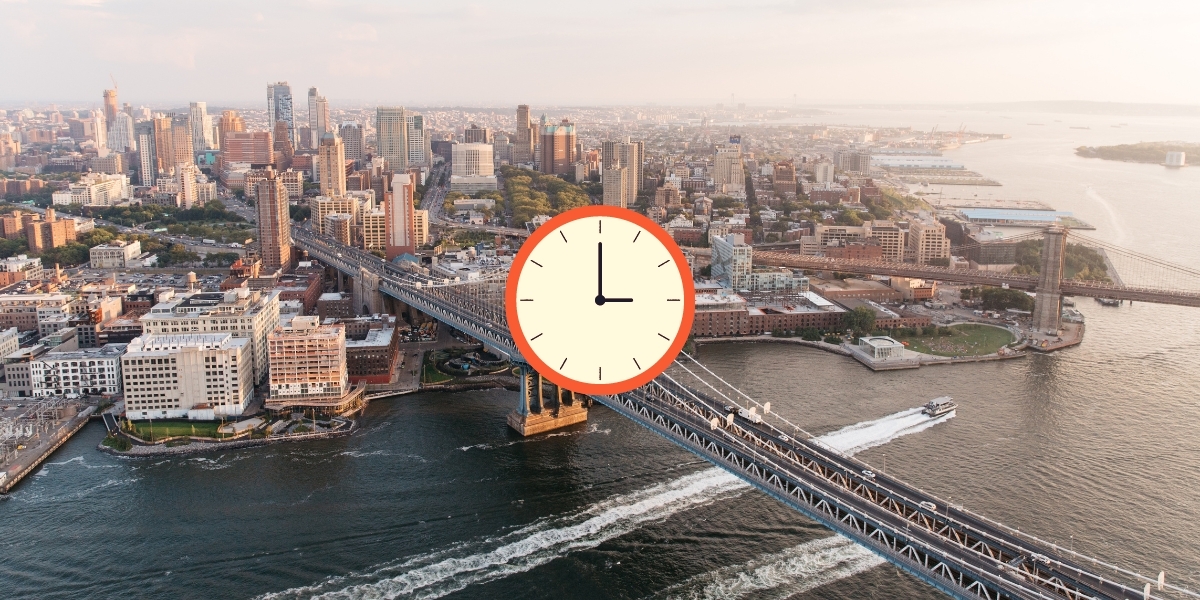
Using these tools ensures that you are always synchronized with New York City’s rhythm, preventing missed flights, late check-ins, or scheduling conflicts. They remove guesswork and allow for precise planning, an essential element for a smooth and enjoyable experience, whether for luxury travel or a budget travel adventure.
Time’s Influence on Your New York Travel Experience
The concept of time in New York City extends far beyond merely knowing the hour. It profoundly shapes every aspect of your travel experience, from your physical well-being upon arrival to the strategic planning of your daily itinerary. The bustling nature of New York means that timing is often everything. When you visit, how you arrive, and how you structure your days can dramatically impact how much you see, do, and enjoy. Understanding the subtle nuances of time, such as peak hours for attractions or the best windows for dining, allows you to maximize your exploration and minimize logistical frustrations.
For instance, arriving at major landmarks like the Empire State Building or the Metropolitan Museum of Art at opening can help you beat the crowds, turning a potentially long wait into a swift and serene experience. Similarly, knowing the optimal times for navigating the MTA Subway can save precious hours that would otherwise be spent stuck in congestion. This section delves into how time influences crucial aspects of your trip, ensuring you’re well-prepared to embrace the city’s ceaseless energy without feeling overwhelmed. From mitigating the effects of jet lag to crafting the perfect daily schedule, strategic time management is the key to unlocking the best of what New York City has to offer.
Navigating Jet Lag and Arrival Schedules
For international travelers, especially those crossing multiple time zones, jet lag is a significant consideration that directly impacts the initial days of a New York City trip. The physiological disruption caused by rapid travel across meridians can lead to fatigue, irritability, and difficulty concentrating, potentially diminishing the enjoyment of your early experiences in the city. When flying into airports such as John F. Kennedy International Airport (JFK), LaGuardia Airport (LGA), or Newark Liberty International Airport (EWR), your body’s internal clock will be out of sync with Eastern Time.
To combat jet lag, consider these strategies:
- Pre-Adjust: Begin shifting your sleep schedule by an hour or two each day in the days leading up to your departure, gradually aligning with New York City time.
- Hydrate and Avoid Alcohol: Drink plenty of water during your flight and minimize alcohol consumption to help your body adapt.
- Strategic Flight Times: If possible, choose flights that arrive in New York in the late afternoon or early evening. This allows you to check into your accommodation, have a light dinner, and then aim for a full night’s sleep, helping to reset your circadian rhythm.
- Embrace Daylight: Upon arrival, expose yourself to natural light as much as possible, especially in the morning. A stroll through Central Park or along the High Line can work wonders.
- Stay Active: Gentle exercise can help alleviate fatigue and encourage sleep at the appropriate local time.
- Power Naps: If absolutely necessary, a short power nap (20-30 minutes) can provide a boost without deepening jet lag, but avoid long naps during the day.
Coordinating your arrival schedule with hotel check-in times (typically 3:00 PM or 4:00 PM in New York) is also crucial. If you arrive early, inquire about early check-in options or utilize luggage storage services offered by most hotels. Planning for potential jet lag ensures you’re refreshed and ready to hit the ground running, maximizing your precious time in this incredible city.
Optimizing Your Itinerary: Mornings, Afternoons, and Evenings
New York City’s energy shifts throughout the day, offering unique experiences at different hours. Optimizing your itinerary by understanding this temporal flow is key to a fulfilling trip, especially for various travel lifestyles like family trips, business stays, or solo adventures.
-
Mornings (7:00 AM – 12:00 PM): This is the golden window for experiencing popular landmarks with fewer crowds.
- Early Risers: Head to the National September 11 Memorial & Museum, Museum of Modern Art, or the Metropolitan Museum of Art right at opening. You’ll enjoy a more contemplative experience.
- Iconic Strolls: Take a walk across the Brooklyn Bridge from Manhattan to Brooklyn for stunning skyline views before the afternoon rush.
- Breakfast & Brunch: Explore Greenwich Village or the Upper West Side for charming cafes and brunch spots.
-
Afternoons (12:00 PM – 5:00 PM): The city truly awakens, offering a myriad of activities.
- Shopping: Immerse yourself in retail therapy along Fifth Avenue, exploring flagship stores. For unique boutiques, wander through SoHo or Chelsea Market.
- Observation Decks: Ascend the Empire State Building, Top of the Rock at Rockefeller Center, or One World Observatory for panoramic views. Booking tickets in advance with timed entry is highly recommended to save time.
- Neighborhood Exploration: Dedicate an afternoon to discovering distinct neighborhoods like the Lower East Side, Chinatown, or Little Italy, delving into their unique cultures and cuisines.
-
Evenings (5:00 PM onwards): New York truly shines after dark, offering world-class entertainment and dining.
- Broadway Shows: Secure tickets well in advance for a quintessential New York experience. Pre-theater dinner reservations are essential.
- Fine Dining: New York City boasts an unparalleled culinary scene, from casual eateries to Michelin-starred restaurants. Book early, especially for weekend evenings.
- Rooftop Bars & Jazz Clubs: Enjoy cocktails with stunning skyline views or immerse yourself in the city’s legendary jazz scene.
- Nighttime Views: Revisit Times Square or embark on a Staten Island Ferry ride for breathtaking views of the Manhattan skyline and the Statue of Liberty illuminated at night.
By segmenting your day and planning activities accordingly, you can experience the full spectrum of New York City’s offerings efficiently and enjoyably, transforming your visit into a masterclass in urban exploration.
Accommodation, Logistics, and Lifestyle: Making the Most of Every Moment
In a city that never sleeps, how you manage your time directly impacts the quality of your accommodation choices, the smoothness of your logistics, and the overall lifestyle experience you cultivate during your stay. New York City’s hotels, from luxury resorts to boutique apartments, are finely tuned to the city’s ceaseless rhythm, offering amenities and services designed to cater to all schedules. Understanding check-in/check-out times, leveraging efficient transportation, and aligning your personal routine with the city’s pace are crucial elements for an enriching visit. This holistic approach ensures that your time, a precious commodity in New York, is spent on experiences rather than avoidable frictions.
Furthermore, integrating into the local lifestyle requires more than just visiting landmarks; it involves adopting the city’s tempo, whether it’s understanding optimal times to use public transport or knowing when popular eateries are less crowded. For individuals on business stays, precise scheduling can make or break a deal, while for family trips, careful time management ensures everyone’s needs are met without exhaustion. This section provides insights into how conscious time management, from booking your hotel to navigating daily life, enhances your entire New York City experience, allowing you to truly live like a New Yorker, even if just for a short while.
Hotel Stays and Time Management
When it comes to accommodation in New York City, effective time management starts even before arrival. Understanding hotel policies regarding check-in and check-out times is paramount for a stress-free experience. Most New York hotels, whether it’s a grand establishment like The Plaza Hotel or a modern boutique hotel like The Standard, High Line, typically have check-in around 3:00 PM or 4:00 PM and check-out by 11:00 AM or 12:00 PM.
- Early Arrivals/Late Departures: If your flight arrives well before check-in or departs long after check-out, communicate with your hotel in advance. Many properties, especially those catering to business stays or luxury travel such as The St. Regis New York or Ritz-Carlton New York, Central Park, offer luggage storage services. Some may even provide early check-in or late check-out for an additional fee or as a perk for loyalty program members. Utilizing amenities like hotel lounges or business centers during these interim periods can save valuable exploration time.
- Amenities for Jet Lag: High-end hotels understand the challenges of time zone changes. Look for properties that offer 24-hour room service, in-room blackout curtains, and quiet zones. Some even feature spa services designed to combat jet lag, offering massages or aromatherapy to help reset your internal clock.
- Proximity and Travel Time: When selecting your hotel, consider its proximity to key attractions or the subway system. Staying near Times Square at a Marriott Marquis or Times Square EDITION puts Broadway at your doorstep, minimizing travel time for evening entertainment. Alternatively, a hotel in Lower Manhattan like Four Seasons Hotel New York Downtown positions you perfectly for exploring Wall Street and the National September 11 Memorial & Museum.
- Booking Considerations: For peak seasons (e.g., holidays, summer), book your accommodation well in advance. This not only secures your preferred choice but can also offer better rates, preventing last-minute rushes and budget overruns, which is crucial for both luxury travel and budget travel.
Thoughtful planning around your hotel stay ensures that your base of operations in New York City enhances, rather than detracts from, your precious travel time.
Synchronizing with the City’s Rhythm
To truly experience New York City, one must learn to synchronize with its unique rhythm, a dynamic interplay of schedules, peak hours, and off-peak opportunities. This isn’t just about knowing the time; it’s about understanding the pulse of the city and leveraging it to your advantage, whether you’re interested in local culture, food, or activities.
- Transportation Timings: The MTA Subway system, while 24/7, has distinct peak hours (morning and evening commutes) when trains are more crowded. If your schedule allows, traveling outside these times can make for a more comfortable and efficient journey. For example, visiting the Bronx Zoo or Brooklyn Botanic Garden during late mornings can lead to a less congested ride.
- Dining Schedules: New York City’s dining scene is legendary, but popular restaurants can have long waits. Consider dining slightly earlier (e.g., 6:00 PM for dinner) or later (e.g., 9:00 PM) than the typical rush, especially if you haven’t secured reservations. Many local food establishments offer “happy hour” specials in the late afternoon.
- Attraction Flow: Iconic landmarks like Grand Central Terminal or the New York Public Library are always accessible, but observing them during quieter times, such as weekday mornings, offers a different, more serene perspective. Even Times Square, while iconic for its crowds, can be appreciated with slightly fewer people in the very early hours.
- Cultural Events: For Broadway shows, Carnegie Hall concerts, or events at Madison Square Garden, booking tickets well in advance is essential. Understand showtimes and allow ample travel time to avoid missing the start.
- Seasonal Considerations: New York offers different experiences throughout the year. Summer brings outdoor festivals and longer daylight, while winter features holiday markets and ice skating at Rockefeller Center. Adjusting your activities based on the season helps you capture the city’s unique charm.
- Personal Pace: Ultimately, synchronizing with New York’s rhythm also means finding your own pace within its hustle. Don’t feel pressured to see everything. Build in time for spontaneous discoveries, people-watching in Central Park, or simply enjoying a quiet coffee in a neighborhood like the Upper East Side or Chelsea.
By being mindful of these temporal dynamics, you can navigate New York City more effectively, turning potential frustrations into opportunities for richer, more authentic experiences that align with your preferred travel lifestyle.
Beyond the Clock: Embracing New York’s Timeless Allure
While knowing the exact time in New York City is crucial for practical planning, the true essence of this metropolis transcends the ticking clock. New York possesses a timeless allure, a quality that allows it to feel perpetually vibrant, historical, and cutting-edge all at once. From the enduring silhouette of the Empire State Building to the evolving art scenes of SoHo and Chelsea, the city offers experiences that resonate regardless of the hour or the season. It’s a place where history is made daily, where countless stories unfold, and where the past seamlessly blends with the present and the future.
Embracing New York’s timeless allure means appreciating its unique blend of iconic landmarks and hidden gems. It’s found in the quiet contemplation at the National September 11 Memorial & Museum, the bustling energy of Grand Central Terminal, or the artistic treasures along Museum Mile which features institutions like the Guggenheim Museum and the Metropolitan Museum of Art. The architectural grandeur of the United Nations Headquarters stands as a testament to global cooperation, while the historic streets of Federal Hall echo with the birth of a nation.

Whether you’re exploring the historic financial district of Wall Street, catching a New York Yankees game, or enjoying a performance at Radio City Music Hall, the city’s spirit remains constant. New York City is not just a destination; it’s an ongoing narrative, a continuous flow of human endeavor and creativity. So, while you keep an eye on your watch for appointments and reservations, remember to also look up, soak it all in, and allow yourself to be captivated by the city’s enduring magic, where every second is an opportunity for discovery and connection. The “time now” in New York is always an invitation to experience something extraordinary.
LifeOutOfTheBox is a participant in the Amazon Services LLC Associates Program, an affiliate advertising program designed to provide a means for sites to earn advertising fees by advertising and linking to Amazon.com. Amazon, the Amazon logo, AmazonSupply, and the AmazonSupply logo are trademarks of Amazon.com, Inc. or its affiliates. As an Amazon Associate we earn affiliate commissions from qualifying purchases.