
The New York Marathon, officially known as the TCS New York City Marathon, is one of the world’s most iconic and anticipated running events, drawing tens of thousands of participants and millions of spectators each year. For anyone planning to run, spectate, or simply experience the vibrant atmosphere of New York City during this monumental occasion, knowing the date is paramount. This incredible race is traditionally held on the first Sunday of November every year. This consistent timing places it perfectly in the crisp autumn weather, offering ideal running conditions and a beautiful backdrop of fall foliage, particularly noticeable as runners pass through Central Park towards the finish line.
The event is more than just a race; it’s a global spectacle that transforms the entire city into a hub of athletic endeavor, cultural celebration, and unparalleled energy. For travel enthusiasts, sports fans, and those looking to immerse themselves in a unique urban experience, the New York Marathon weekend offers an extraordinary opportunity. From securing prime accommodation to exploring world-famous landmarks and indulging in local cuisine, planning your trip around this event requires foresight and strategic booking. This guide delves into everything you need to know about the marathon, how to plan your visit, and what to expect from a city alive with a truly special kind of magic.
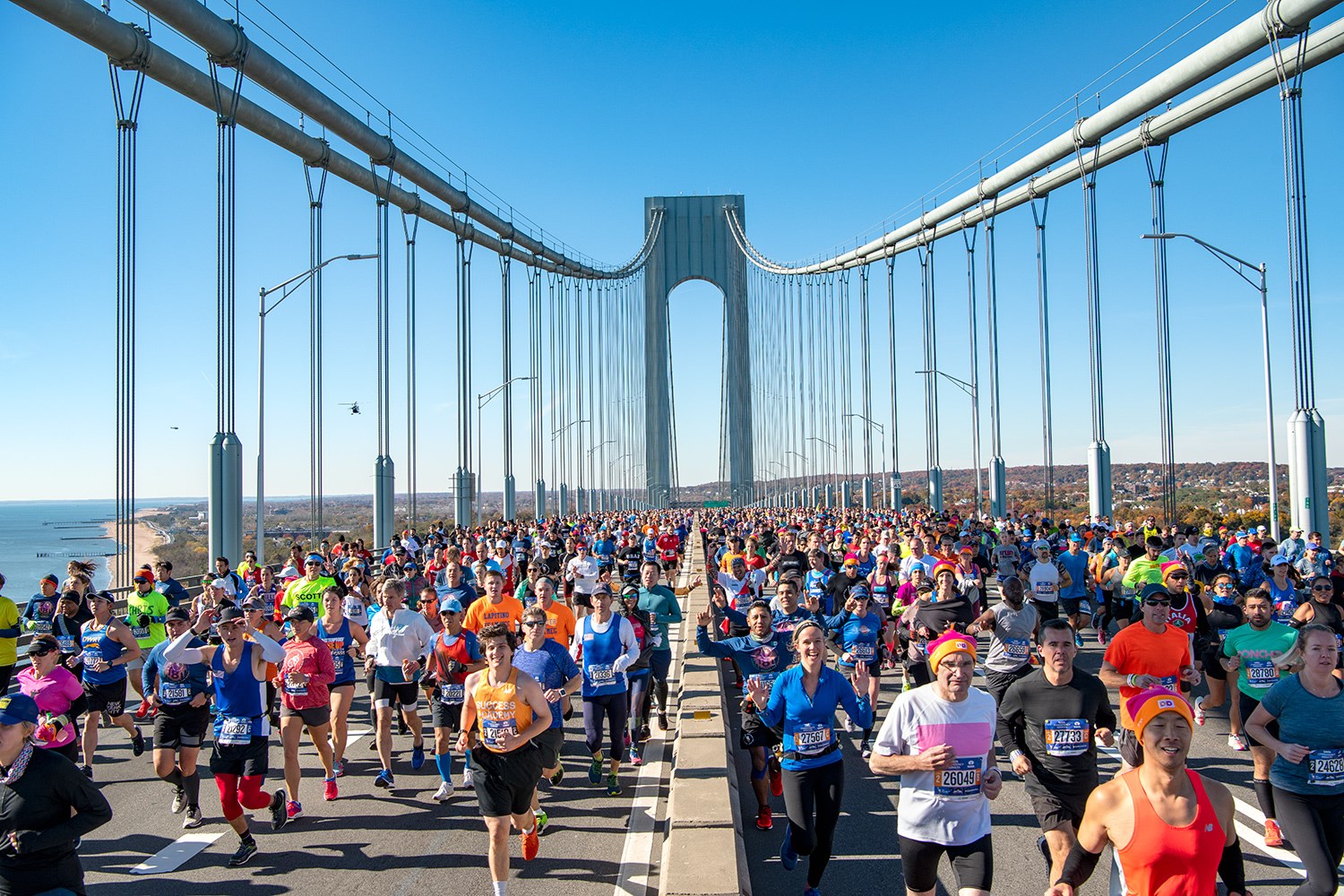
The Iconic Race: Timing, Tradition, and Triumphs
The tradition of hosting the New York Marathon on the first Sunday of November has been a cornerstone of the event for decades. This timing is strategic, chosen to leverage the typically cool and dry weather conditions that are optimal for long-distance running. While the specific date shifts slightly each year depending on the calendar, it consistently falls within the first week of the month, ensuring that participants can mark their calendars well in advance. For example, if November 1st falls on a Monday, the marathon would be held on November 7th. This predictability is a blessing for both runners, who meticulously plan their training schedules, and for those traveling from afar, allowing ample time to arrange flights and hotels.
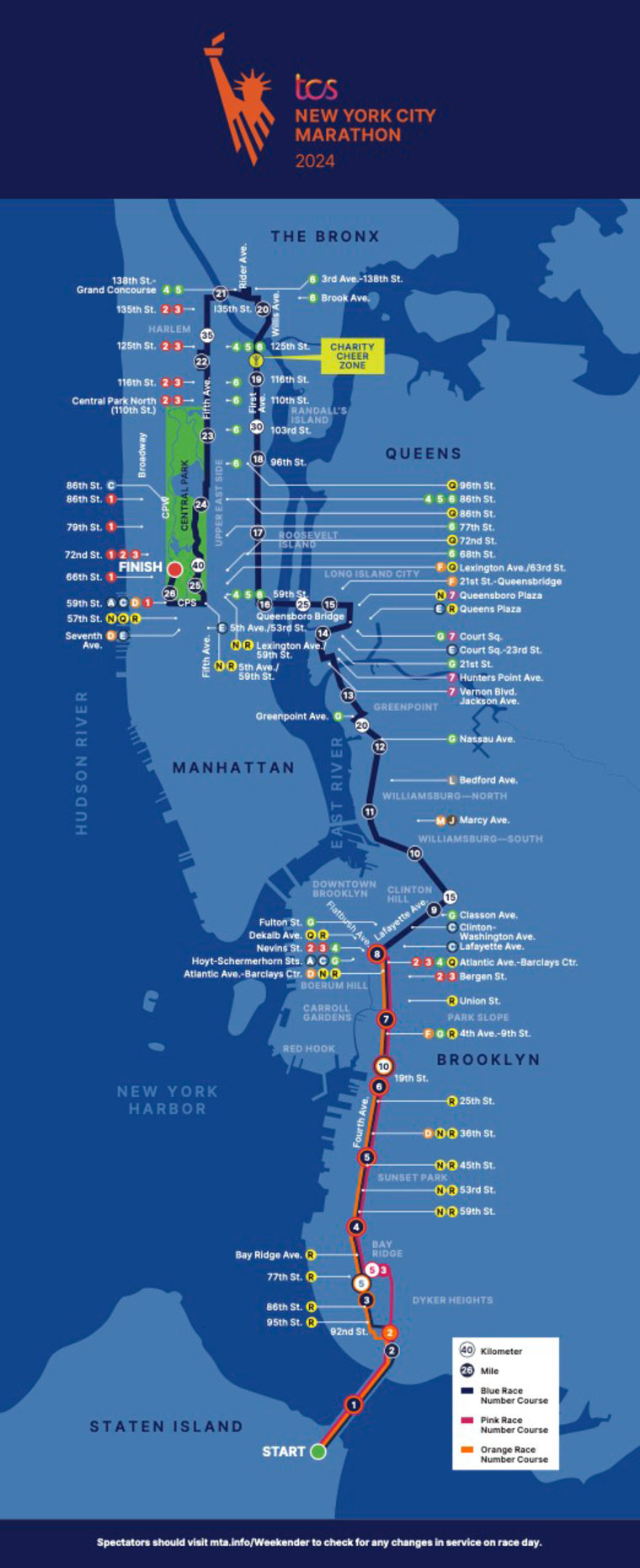
The marathon’s route is legendary, a 26.2-mile journey that takes runners through all five boroughs of New York City. Beginning on Staten Island at the base of the majestic Verrazzano-Narrows Bridge, the course winds through Brooklyn, Queens, Manhattan, and the Bronx, before culminating in a triumphant finish in Central Park. Each borough offers its own distinct character, reflected in the cheering crowds, local music, and diverse communities that line the streets. This truly global event attracts elite athletes from around the world vying for victory, as well as thousands of amateur runners, many participating for personal challenges or to raise money for charity.
A Marathon for the Ages: History and Community Spirit
The New York Marathon’s origins trace back to 1970, when a small group of 127 runners competed entirely within Central Park. Its growth into the massive, five-borough event we know today is largely attributed to race director Fred Lebow, who envisioned a race that would truly represent the spirit and diversity of New York City. This vision transformed the marathon into a beacon of community spirit, where residents come out in droves to support runners, offering everything from encouraging cheers to impromptu water stations and snacks. The roar of the crowd, particularly along First Avenue in Manhattan and in Harlem, is an experience in itself, creating an electric atmosphere that propels runners forward. This unique blend of athleticism, community engagement, and urban exploration makes the New York Marathon not just a race, but a cultural phenomenon.
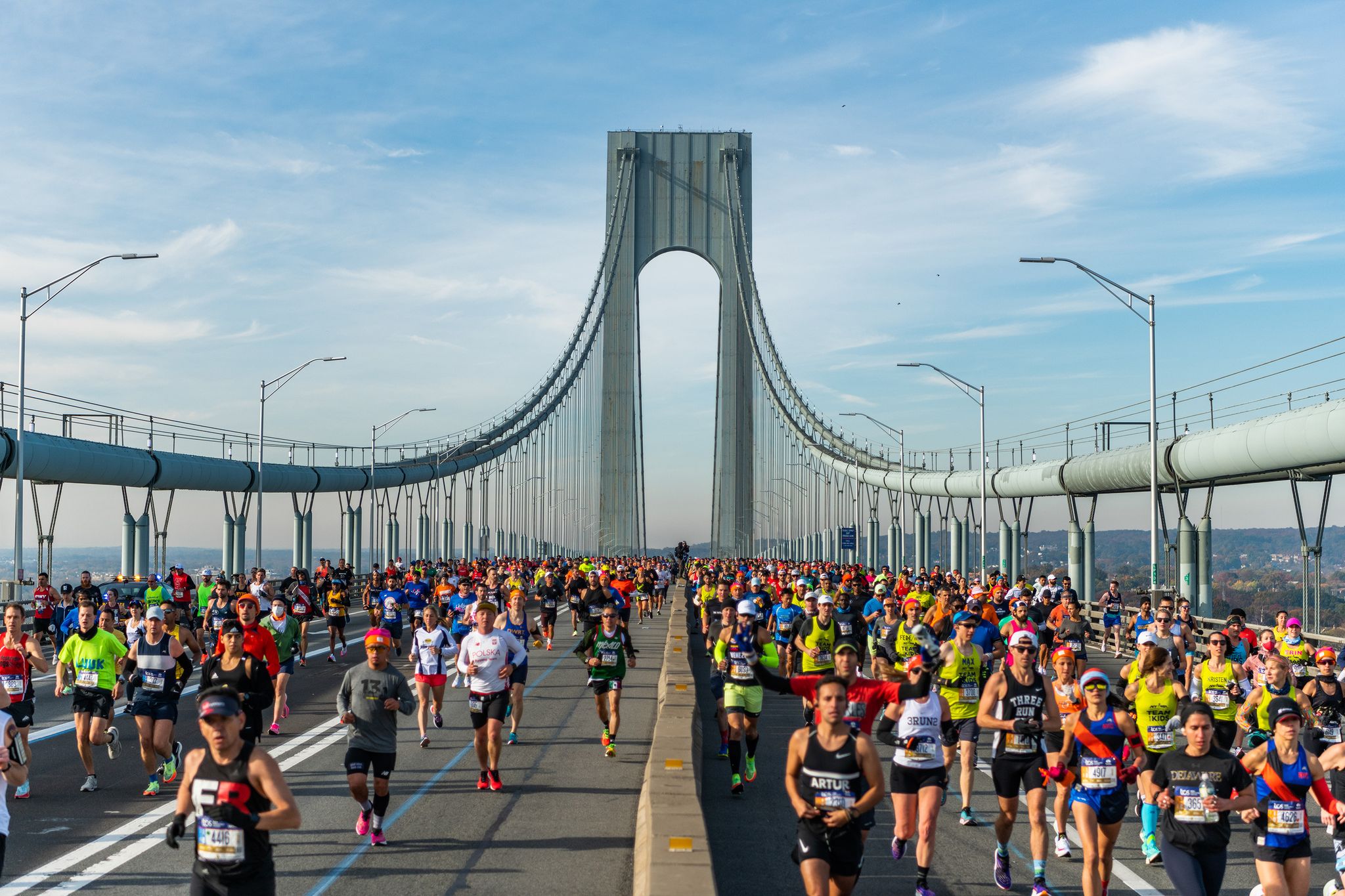
Planning Your Trip: Travel and Accommodation Essentials
Participating in or spectating at the New York Marathon requires careful planning, especially when it comes to travel and accommodation. As one of the most popular events in the city, prices for flights and hotels can soar, and availability dwindles quickly. Booking well in advance—often 6 to 12 months out—is not just recommended, it’s essential for securing the best rates and desired locations.
Securing Flights and Early Bird Deals
New York City is served by three major airports: John F. Kennedy International Airport (JFK), Newark Liberty International Airport (EWR), and LaGuardia Airport (LGA). All three offer extensive domestic and international connections. To combat inflated prices during marathon weekend, aim to book your flights as soon as the marathon date is confirmed. Setting price alerts and being flexible with your travel dates (if possible, arriving a day earlier or departing a day later than the peak weekend) can also yield significant savings. Consider flying into Newark or LaGuardia if JFK prices are too high, as all have good public transport links into Manhattan.
Accommodation Strategies for Race Weekend
Finding the right accommodation can make or break your marathon experience. Runners often prefer hotels that are easily accessible to transportation hubs and the race expo, usually located at the Jacob K. Javits Convention Center. Spectators, on the other hand, might prioritize proximity to key viewing spots or landmarks.
- Luxury Stays: For those seeking a premium experience, luxury hotels like The Plaza Hotel near Central Park or the Grand Hyatt Hotel offer unparalleled service and amenities. While these come at a higher price point, the comfort and convenience, especially for pre-race relaxation or post-race recovery, can be invaluable.
- Budget-Friendly Options: New York City also offers a range of more affordable hotels and hostels, particularly in areas like Long Island City in Queens or parts of Brooklyn, which are well-connected to Manhattan by subway. Booking these options far in advance is crucial, as they are often the first to sell out.
- Apartment Rentals: For groups or families, renting an apartment through services like Airbnb or local rental agencies can be a cost-effective and comfortable solution, providing more space and the option to cook your own meals, which can be beneficial for runners sticking to a specific diet.
- Consider Location: Runners often look for hotels in Midtown Manhattan or near the finish line in Upper West Side for ease of access on race day. Spectators might prefer hotels along the race route in Brooklyn or Queens to catch the early action, or close to Central Park to witness the grand finish. Always check the public transportation options from your chosen accommodation to ensure easy navigation around the city.
Beyond the Finish Line: Exploring New York City
While the New York Marathon is undoubtedly the main event, your visit to New York City offers a boundless array of tourism and cultural experiences. After the race excitement, take time to explore the city’s unparalleled attractions, indulge in its world-class dining, and soak in its unique lifestyle.
Must-See Landmarks and Iconic Sights
New York City is a treasure trove of famous landmarks. No trip is complete without visiting the majestic Statue of Liberty and Ellis Island, symbols of American freedom and immigration. Ascend the Empire State Building or Top of the Rock Observation Deck for breathtaking panoramic views of the urban sprawl. Immerse yourself in the dazzling lights and vibrant energy of Times Square, catch a Broadway show, or wander through the serene pathways of Central Park, which takes on a golden hue in early November. Other notable sites include the 9/11 Memorial & Museum, the Metropolitan Museum of Art, and strolling across the historic Brooklyn Bridge for iconic skyline views.
Culinary Adventures and Cultural Immersion
New York City’s food scene is as diverse as its population. From Michelin-starred restaurants to hole-in-the-wall eateries serving authentic global cuisine, there’s something for every palate and budget. Post-marathon, runners can indulge in well-deserved treats like classic New York-style pizza, a juicy bagel with lox, or explore the vibrant culinary neighborhoods of Chinatown, Little Italy, or the Lower East Side. Beyond food, delve into the city’s rich cultural tapestry by visiting its world-renowned museums, catching a live music performance in Greenwich Village, or exploring the unique boutiques and galleries of SoHo and the West Village.
Making the Most of Your Marathon Weekend: Lifestyle and Experiences
Whether you’re a runner, a dedicated spectator, or simply a visitor seeking an unforgettable experience, the New York Marathon weekend offers a plethora of lifestyle opportunities. Planning for various aspects, from race preparation to post-event celebrations, can enhance your trip.
Pre-Race Prep for Runners
For runners, the days leading up to the marathon are critical. Attending the TCS New York City Marathon Expo at the Jacob K. Javits Convention Center is mandatory for bib pickup and offers a chance to browse running gear and nutrition products. Many hotels and restaurants around the city offer runner-friendly amenities and carb-loading specials during this time. Remember to hydrate, rest, and explore the city gently to conserve energy for race day. The atmosphere among fellow runners is electric, a shared sense of anticipation that builds until the starting gun.
Spectator Hotspots and Cheering Strategies
Spectators play a crucial role in the marathon experience, offering vital encouragement to runners. Strategic planning for cheering spots can enhance your day.
- Verrazzano-Narrows Bridge: While inaccessible for spectators, catching a glimpse of runners crossing the bridge from afar offers a unique perspective.
- Fourth Avenue, Brooklyn: Early in the race, this long stretch is fantastic for spotting your runner among the waves.
- Pulaski Bridge: Marks the transition from Brooklyn to Queens and offers great views of the Manhattan skyline.
- First Avenue, Manhattan: This is arguably the most famous and loudest stretch of the course, often described as a wall of sound. Expect massive crowds and an exhilarating atmosphere.
- Fifth Avenue (Upper East Side) & Central Park South: As runners approach the finish, these areas are filled with emotional moments and intense energy.
- Central Park West & Finish Line: The ultimate destination for many, though accessing the finish line area can be restricted. Many find great viewing spots along Central Park West as runners complete their final miles.
Utilizing the New York City subway system is essential for moving between different viewing points. Plan your route in advance, wear comfortable shoes, and bring snacks and water, as it will be a long day. The energy from the crowds is infectious, making it a memorable day even for non-runners.
Post-Race Recovery and Celebration
After crossing the finish line in Central Park, runners often seek recovery and celebration. Many hotels offer late check-out options or dedicated recovery amenities. Consider booking a spa treatment, enjoying a hearty meal, or simply relaxing. The city comes alive with post-marathon celebrations, with many bars and restaurants offering specials for runners wearing their medals. It’s a time to reflect on an incredible achievement and soak in the vibrant atmosphere of a city that has just hosted one of the world’s greatest races.
In conclusion, the New York Marathon, held on the first Sunday of November, is a monumental event that transcends the boundaries of a typical sporting competition. It’s a testament to human endurance, community spirit, and the unparalleled energy of New York City. Whether you’re a runner pushing your limits, a spectator cheering on loved ones, or a traveler eager to experience the city at its most vibrant, planning ahead for travel, accommodation, and activities will ensure a truly unforgettable journey to this global metropolis.
LifeOutOfTheBox is a participant in the Amazon Services LLC Associates Program, an affiliate advertising program designed to provide a means for sites to earn advertising fees by advertising and linking to Amazon.com. Amazon, the Amazon logo, AmazonSupply, and the AmazonSupply logo are trademarks of Amazon.com, Inc. or its affiliates. As an Amazon Associate we earn affiliate commissions from qualifying purchases.