
The vibrant, ever-evolving metropolis of New York City has once again captured the world’s attention, not just for its iconic skyline or bustling avenues, but for a pivotal moment in its political landscape: the election of its new mayor. The question, “Who is the new Mayor of New York?” is more than a simple query about a public figure; it’s an inquiry into the future trajectory of one of the planet’s most beloved destinations. For travelers, hoteliers, tourism enthusiasts, and those fascinated by urban living, a new leader in New York City signals potential shifts in everything from public safety initiatives to urban development projects, all of which profoundly impact the visitor experience and local lifestyle.

After a dynamic and closely watched election cycle, New York City has welcomed Eric Adams as its 110th mayor. A figure with a distinctive background, Adams brings a unique perspective to the city’s top office, having served both as a former captain in the NYPD and as the Brooklyn Borough President. His journey from law enforcement to local governance positions him as a leader deeply familiar with the intricate challenges and immense potential of the five boroughs. This deep local understanding is particularly relevant for those planning to explore New York City, as a mayor’s priorities directly shape the urban environment, from the cleanliness of public spaces to the accessibility of cultural landmarks.
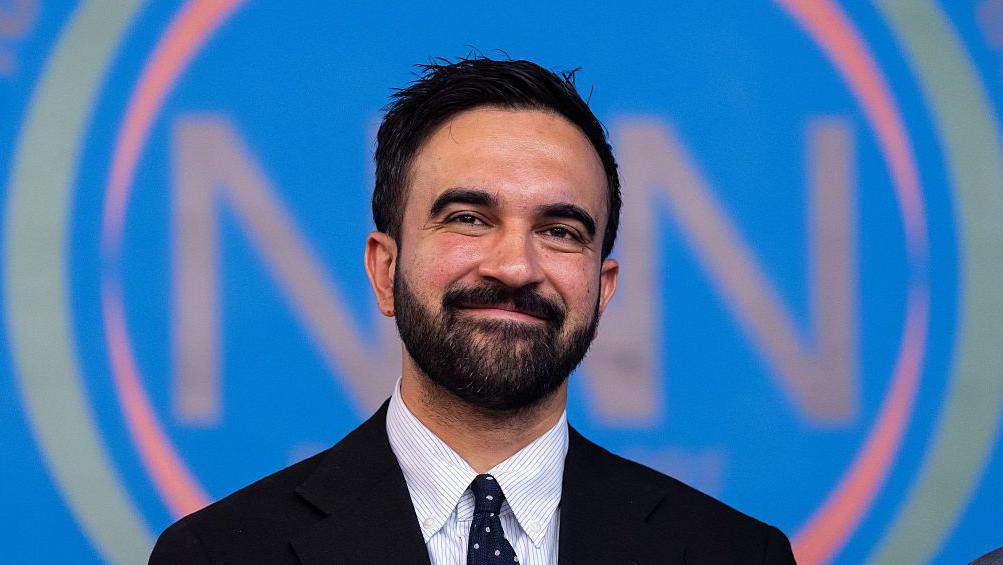
Adams, a Democrat, secured his victory after navigating a competitive primary, followed by the general election. His campaign resonated with a significant portion of the electorate, centering on core issues that touch every aspect of city life: bolstering public safety, igniting post-pandemic economic recovery, and tackling long-standing inequalities. For tourists and residents alike, these priorities translate into tangible benefits. Enhanced public safety means a more comfortable and reassuring experience when exploring diverse neighborhoods or enjoying late-night attractions. A focus on economic recovery promises a thriving array of businesses, from gourmet restaurants to boutique hotels and unique local shops, enriching the travel experience. And addressing inequalities can lead to a more inclusive and vibrant city, showcasing the true diversity of its people and cultures. The anticipation surrounding his inauguration, which traditionally occurs on January 1st at City Hall, underscores the profound hope and expectation many residents and business owners in areas like Manhattan and Queens hold for his leadership. They are particularly optimistic about his commitment to restoring a sense of normalcy and further promoting the city’s undeniably vibrant culture, especially after the unprecedented challenges posed by recent global events.

A Mayor’s Vision for a Thriving Urban Landscape
The incoming administration’s agenda extends beyond immediate recovery, aiming for long-term enhancements that will redefine New York City’s appeal as a premier travel destination and a dynamic place to live. Eric Adams’ emphasis on revitalizing the city’s economy is particularly pertinent, given New York City’s heavy reliance on tourism and the success of its myriad small businesses. A robust economy fuels innovation in the hospitality sector, supports local artisans, and ensures the continued maintenance and development of iconic attractions and public infrastructure.
Enhancing Public Safety and Visitor Confidence
One of the cornerstones of Mayor Adams’ platform is public safety. A former police captain, he brings firsthand experience to the challenge of ensuring a secure environment for all. For visitors, a perception of safety is paramount when choosing a destination. Initiatives aimed at reducing crime, improving emergency response, and fostering better community relations can significantly boost traveler confidence, encouraging longer stays and a willingness to explore beyond the well-trodden paths. This translates into more immersive experiences for tourists who might venture into cultural enclaves in Brooklyn or discover hidden gems in Queens, feeling secure as they navigate the city’s diverse offerings. Hoteliers, tour operators, and local businesses stand to benefit immensely from increased visitor numbers and an overall positive perception of the city’s safety.
Economic Recovery and its Ripple Effect on Tourism
The pandemic left an indelible mark on New York City’s economy, particularly its tourism and hospitality sectors. Mayor Adams’ commitment to economic recovery is therefore a beacon of hope for an industry eager to bounce back stronger than ever. This includes support for small businesses, which are the lifeblood of New York City’s unique character, offering everything from quaint cafes to bespoke shopping experiences. Policies that facilitate business growth, encourage entrepreneurship, and attract investment will directly impact the quality and diversity of offerings available to tourists. For instance, a thriving restaurant scene, supported by local government, ensures that New York City remains a global culinary capital, drawing food enthusiasts from around the world. Similarly, robust cultural institutions, often relying on public and private funding, continue to offer world-class entertainment, exhibitions, and performances that are major draws for visitors.
Investing in Infrastructure and Urban Development
A critical aspect of any successful urban administration is its approach to infrastructure and urban development. Mayor Adams has highlighted the necessity of improving public transit and addressing affordable housing – two areas that, while seemingly focused on residents, have profound implications for travelers and the overall urban lifestyle.
Modernizing Public Transit for Seamless Exploration
New York City’s public transit system, particularly its subway, is legendary but also constantly in need of modernization. Investments in public transit mean more efficient, cleaner, and safer ways for tourists to navigate the city. Improved subway lines, expanded bus routes, and integration with newer mobility options make it easier for visitors to access attractions across all boroughs, from the vibrant art scenes in Brooklyn to the cultural diversity of Queens, and of course, the iconic sights of Manhattan. A seamless transit experience not only enhances convenience but also encourages exploration beyond typical tourist hotspots, providing a more authentic and diverse New York City experience. This aligns perfectly with the lifestyle traveler looking for genuine local immersion rather than just ticking off famous landmarks.
Urban Renewal and Iconic Landmarks
Mayor Adams has specifically referenced areas like Times Square and Central Park in his discussions on urban renewal. These are not just places; they are symbols of New York City’s global appeal. Efforts to enhance these spaces – whether through improved maintenance, new public art installations, or better visitor services – will significantly uplift the tourist experience. Imagine Central Park with even more accessible pathways, enhanced landscaping, or innovative programming that attracts families and solo travelers alike. Or a Times Square that feels even more vibrant and welcoming, with upgraded pedestrian zones and improved security. Such initiatives bolster New York City’s reputation as a world-class destination for landmarks, history, and nature. Furthermore, focusing on the revitalization of various neighborhoods can create new “attractions” – burgeoning cultural districts, culinary hubs, or artistic enclaves – offering fresh experiences for repeat visitors and attracting a wider demographic of travelers.
The Future of Hospitality and Accommodation
The success of New York City’s tourism sector is intrinsically linked to its accommodation landscape. From luxury suites in five-star hotels to cozy boutique apartments and long-term stay options, the variety of lodging choices caters to every traveler. A mayoral administration focused on economic recovery and urban development inevitably creates a more favorable environment for the hospitality industry.
Supporting Hotels and Unique Accommodation Options
Policies that encourage investment in new hotels, renovations of existing properties, and the sustainable growth of alternative accommodations like vacation rentals are crucial. As mayor, Eric Adams’ administration will likely play a role in navigating regulations that impact hotels and other lodging providers, ensuring a balance between supporting the industry and addressing community needs. A thriving hospitality sector means a wider range of options for travelers, from budget-friendly stays to opulent resorts, ensuring New York City remains competitive on the global stage. This also includes supporting amenities that enhance the guest experience, whether through promoting local food suppliers, advocating for sustainable practices, or encouraging unique cultural experiences within hotel offerings. For example, a focus on local culture could lead to hotels partnering with local artists or performers, offering guests unique insights into New York City’s vibrant arts scene.
A Renewed Sense of Confidence for Long-Term Stays and Business Travelers
As businesses worldwide reconsider travel, a stable and recovering New York City under new leadership becomes an even more attractive prospect for business stays and long-term accommodation. Mayor Adams’ emphasis on restoring normalcy and fostering economic growth provides a foundation of confidence for corporations planning conferences, extended projects, or establishing new offices in the city. This, in turn, boosts demand for corporate apartments, serviced residences, and executive suites, catering to a demographic that contributes significantly to the city’s economy. The integration of technology and improved urban services championed by the new administration could also streamline operations for business travelers, making their trips more productive and enjoyable.
Lifestyle: Luxury, Budget, Family, and Business Travel in the New Era
The concept of “lifestyle” travel encompasses the diverse motivations and preferences that drive individuals to explore. New York City caters to every niche, from those seeking ultimate luxury experiences to budget-conscious adventurers, families on vacation, and professionals on business trips. The new mayoral leadership is poised to influence these various lifestyle segments in meaningful ways.
Cultivating Diverse Experiences for Every Traveler
Mayor Adams’ vision for a vibrant and inclusive New York City naturally lends itself to cultivating diverse experiences. For luxury travelers, this could mean new high-end dining experiences, exclusive cultural events, or enhanced premium services across the city’s top hotels. Budget travelers might benefit from improved public spaces, affordable public transit options, and a wider array of free or low-cost attractions. Families traveling to New York City will appreciate safer parks, family-friendly events, and accessible educational landmarks. Business travelers will find a city that is not only efficient and secure but also offers world-class amenities and networking opportunities. By focusing on the overall health and dynamism of the city, the new administration indirectly supports the unique needs and desires of each travel lifestyle, ensuring New York City remains a perennial favorite.
Promoting Local Culture and Community Engagement
A mayor with a deep understanding of New York City’s diverse communities is uniquely positioned to promote local culture as a key aspect of tourism. Encouraging community-based initiatives, supporting local festivals, and highlighting the unique cultural contributions of each borough can transform the tourist experience from passive sightseeing to active engagement. This offers a more authentic journey into the soul of New York City, allowing visitors to connect with its people, traditions, and hidden stories. From jazz clubs in Harlem to vibrant street art in Brooklyn and diverse culinary scenes in Queens, the emphasis on community engagement enriches the travel narrative for those seeking more than just famous sights.
In conclusion, the election of Eric Adams as the new Mayor of New York City is a significant development for residents and visitors alike. His background, campaign promises, and vision for the city are set to shape the urban landscape in ways that directly impact travel, tourism, accommodation, landmarks, and diverse lifestyles. With a focus on public safety, economic revitalization, and infrastructure improvement, the new administration aims to usher in an era of renewed confidence and vibrancy. For anyone considering a trip to the Big Apple, or simply interested in its future, understanding the priorities of its new leader provides valuable insight into the evolving experience of one of the world’s most captivating cities. The promise of a safer, more vibrant, and economically stronger New York City under Mayor Adams’ leadership is an exciting prospect for globetrotters and urban explorers around the globe, ensuring that the city continues to live up to its reputation as a place of endless discovery and unforgettable experiences.
LifeOutOfTheBox is a participant in the Amazon Services LLC Associates Program, an affiliate advertising program designed to provide a means for sites to earn advertising fees by advertising and linking to Amazon.com. Amazon, the Amazon logo, AmazonSupply, and the AmazonSupply logo are trademarks of Amazon.com, Inc. or its affiliates. As an Amazon Associate we earn affiliate commissions from qualifying purchases.