
Crater Lake in Oregon is more than just a breathtaking vista; it’s a geological marvel, a natural wonder, and a profound testament to the power of nature. Its striking azure waters, framed by towering caldera walls, hold a secret that captivates visitors and scientists alike: an astonishing depth that makes it a true anomaly among the world’s lakes. For travelers seeking unique destinations, natural landmarks, and unforgettable experiences, Crater Lake offers an unparalleled journey into the heart of the Pacific Northwest.
The question “How deep is Crater Lake?” often arises the moment one gazes upon its pristine surface. The answer not only highlights its physical grandeur but also underscores the profound geological history that shaped this iconic landmark. This article will delve into the remarkable depth of Crater Lake, explore its fascinating formation, guide you through the myriad activities and experiences available, and provide essential tips for planning your visit to this extraordinary Oregon treasure. Whether you’re a geology enthusiast, an avid hiker, a photography aficionado, or simply a curious traveler, Crater Lake National Park promises a blend of awe-inspiring beauty and serene tranquility that few places on Earth can match.

The Astonishing Depth of Crater Lake: A Record-Holder
The answer to the titular question is straightforward yet astounding: Crater Lake is 1,943 feet (592 meters) deep. This makes it the deepest lake in the United States and the ninth deepest in the world. Its exceptional depth is not merely a number; it’s a defining characteristic that contributes to the lake’s mesmerizing beauty and ecological significance. Imagine the height of the Eiffel Tower stacked twice over, or a substantial skyscraper submerged beneath the surface — that’s the scale of Crater Lake’s profound abyss.
This incredible depth, combined with its unique hydrology, results in water of extraordinary clarity and a vibrant, almost ethereal blue hue. Fed solely by snowmelt and rain, with no incoming streams or rivers, Crater Lake is one of the purest bodies of water on the planet. Visibility often extends to 100 feet or more, allowing sunlight to penetrate deep into the water column and scatter, producing its signature indigo and sapphire tones that change subtly with the light and seasons.
Beyond its depth and clarity, Crater Lake harbors fascinating features. One of its most famous inhabitants is the “Old Man of the Lake,” a full-sized hemlock tree stump that has been vertically floating in the lake for over a century. Driven by winds and currents, this remarkable phenomenon has traversed the lake for decades, defying the odds of typical driftwood behavior. It’s a whimsical natural landmark that adds to the lake’s mystique and charm. Stories and local folklore also hint at the existence of a “Crater Lake Monster,” a legendary creature said to inhabit the depths, adding a touch of playful mystery to the otherwise scientifically explained wonders of the lake. These elements combine to create a destination that is not only visually stunning but also rich in natural intrigue and local storytelling, making it a truly immersive experience for any visitor.
A Geological Marvel: The Formation of Crater Lake
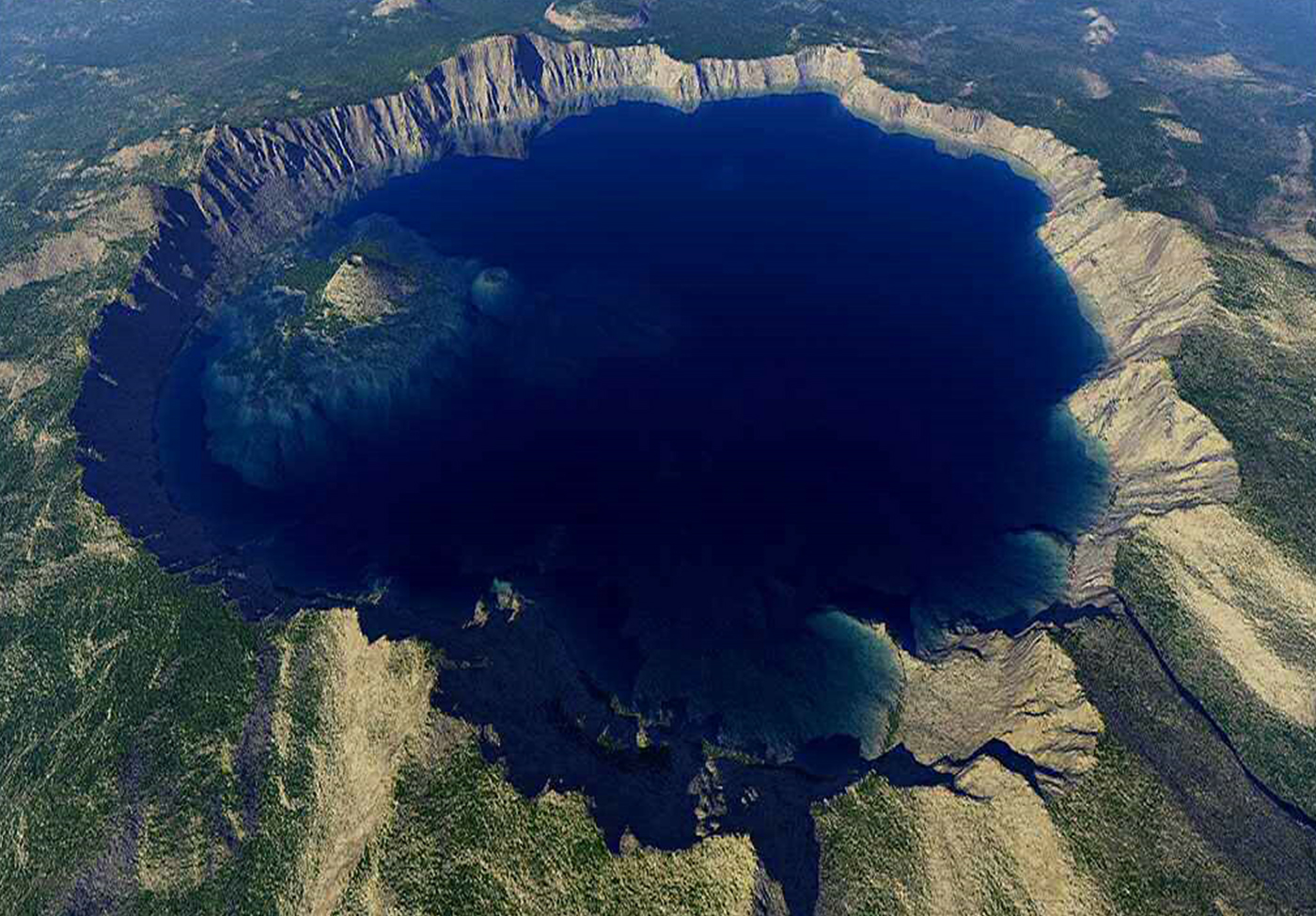
The immense depth of Crater Lake is a direct consequence of its violent, volcanic birth. Approximately 7,700 years ago, a colossal eruption ripped apart Mount Mazama, a once-towering volcano in the Cascade Range. This cataclysmic event, estimated to be 42 times more powerful than the 1980 eruption of Mount St. Helens, emptied the volcano’s magma chamber, causing the summit to collapse inward and form a massive caldera.
Over millennia, rain and snowmelt gradually filled this 2,148-foot-deep basin, transforming the fiery crater into the serene, sapphire lake we know today. The unique enclosed nature of the caldera means that no rivers flow into or out of Crater Lake, making it an incredibly pristine and self-contained ecosystem. This geological isolation is crucial to its exceptional clarity and purity, allowing scientists a rare glimpse into a minimally disturbed freshwater environment.
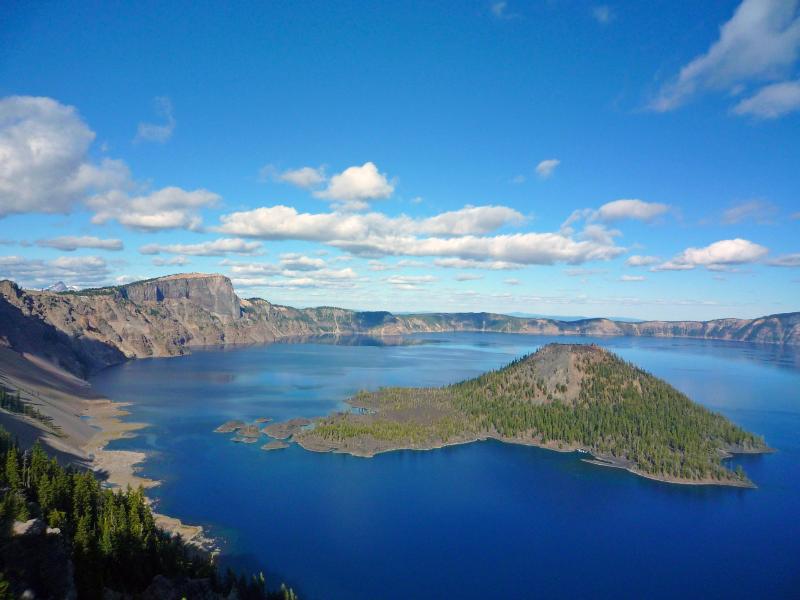
Within the lake itself, further volcanic activity sculpted two prominent features: Wizard Island and Phantom Ship. Wizard Island is a symmetrical cinder cone, a “volcano within a volcano,” rising majestically from the lake’s western side. It stands as a testament to the continued geological forces that shaped the caldera after its initial collapse. Phantom Ship, a smaller, jagged island, resembles a ghostly schooner sailing across the water, especially in the morning mist. These features add dramatic visual interest and serve as constant reminders of the lake’s fiery origins. The sheer scale of the caldera, coupled with its pristine water and unique islands, offers a compelling narrative of geological time and natural resilience, drawing visitors from across the globe to witness its grandeur.
Exploring the Azure Jewel: Activities and Experiences at Crater Lake National Park
A visit to Crater Lake National Park is an immersive travel experience, offering a diverse range of activities that cater to all types of adventurers, from leisurely sightseers to avid hikers. The park’s main attraction is, of course, the lake itself, but the surrounding landscape provides ample opportunities for exploration and enjoyment.
Scenic Drives and Overlooks
The most popular way to experience the park’s grandeur is via Rim Drive, a picturesque 33-mile loop that encircles the caldera. This drive offers nearly 30 stunning overlooks, each providing a unique perspective of the lake’s mesmerizing blues, the caldera walls, and the islands. Key viewpoints like Watchman Peak and Pinnacles Overlook are easily accessible and offer fantastic photo opportunities. Rim Drive is typically open from July to October, weather permitting, transforming into a wonderland for snowshoeing and cross-country skiing during the winter months. Driving this scenic route allows visitors to grasp the immense scale of the caldera and appreciate the lake’s ever-changing beauty throughout the day.
Hiking Trails for Every Level
For those who prefer to explore on foot, Crater Lake National Park boasts a network of trails ranging from easy strolls to challenging climbs. The relatively short and accessible Plaikni Falls Trail leads to a beautiful waterfall, perfect for families. More strenuous options include the Garfield Peak Trail, which offers panoramic views of the lake and surrounding mountains, or the iconic Cleetwood Cove Trail. This latter trail, the only one providing legal access to the lake’s surface, is a steep but rewarding descent of 700 feet over 1.1 miles, leading to the dock for boat tours. Be prepared for a challenging climb back up, but the reward of touching the pristine waters is well worth the effort.
Water-Based Adventures
Once at Cleetwood Cove, visitors can embark on ranger-guided boat tours across the lake, offering an intimate perspective of the caldera walls and geological formations. These tours provide fascinating insights into the lake’s history, ecology, and legends. Many tours include a stop at Wizard Island, allowing visitors to hike to its summit or explore its shoreline. Swimming is permitted only at Cleetwood Cove, offering a refreshing (and often brisk!) dip in the incredibly pure water. Fishing for rainbow trout and kokanee salmon, introduced species, is also a popular activity, requiring no license within the park. These unique water experiences provide an unparalleled way to connect with the lake’s profound beauty.
Winter Wonderland
While Crater Lake National Park is stunning in summer, it transforms into a snow-covered wonderland in winter. Heavy snowfall, averaging 43 feet annually, often closes Rim Drive to vehicles, but opens it up for snowshoeing and cross-country skiing. Ranger-guided snowshoe walks are a fantastic way to learn about the park’s winter ecology and witness the serene beauty of the snow-draped landscape. The contrast of the deep blue lake against the pristine white snow is an unforgettable sight, offering a completely different, yet equally captivating, experience for those brave enough to embrace the cold.
Planning Your Visit: Accommodation and Beyond
A trip to Crater Lake National Park requires thoughtful planning, especially concerning when to visit and where to stay. The park’s remote location and seasonal variations heavily influence accessibility and available activities.
Best Time to Visit
The prime time to visit Crater Lake is typically from July through September, when Rim Drive is fully open, and all park facilities and boat tours are operational. During these months, the weather is generally mild, making it ideal for hiking and exploring. However, this is also peak season, so expect larger crowds and higher demand for accommodation.
Shoulder seasons (late May to June and October) can offer a more tranquil experience with fewer visitors, though some roads and facilities might still be closed due to snow. Visiting in winter (November to April) is an entirely different adventure, showcasing a breathtaking snowscape. Be prepared for limited access, with only the south entrance usually open, and services restricted to the Rim Village Visitor Center and limited overnight options. Always check the park’s official website for current road and weather conditions before planning your trip.
Where to Stay: Crater Lake Lodging
Accommodation options range from historic lodges within the park to various hotels and resorts in nearby towns, catering to different preferences and budget travel styles.
-
Inside the Park:
- Crater Lake Lodge: Perched directly on the caldera rim, this historic lodge offers unparalleled views of the lake. It provides a luxurious and immersive experience, perfect for those seeking comfort and convenience amidst stunning natural beauty. Rooms here are in high demand and require reservations well in advance, often a year out.
- Mazama Village: Located 7 miles south of the rim, Mazama Village offers more rustic lodging options, including cabins and a large campground. This is an excellent choice for families, budget travelers, or those who prefer a more outdoorsy lifestyle. The village also features a general store, a cafeteria, and a gas station.
- Lost Creek Campground: A smaller, more primitive campground offering tent-only sites, located southeast of the lake.
-
Outside the Park:
- Klamath Falls: Approximately an hour south of the park, Klamath Falls offers a wider selection of hotels, motels, and dining options, making it a convenient base for exploring the region.
- Medford: About a 1.5-hour drive west, Medford is a larger city with an international airport (Rogue Valley International-Medford Airport), more extensive accommodation choices, and greater amenities. It serves as a gateway for travelers flying into Southern Oregon.
- Bend: Located 2 hours north, Bend is a vibrant city known for its craft breweries and outdoor recreation. It’s an ideal option for those combining a Crater Lake visit with other Central Oregon adventures.
- Throughout the surrounding region, you can find charming bed & breakfasts, vacation rentals, and even some resorts that offer a comfortable stay after a day of exploration. When considering accommodation, especially during peak season, early booking is highly recommended.
Essential Travel Tips
- Reservations: Make reservations for lodging, boat tours, and even some campgrounds well in advance, especially for summer visits.
- Fuel and Supplies: Fill up your gas tank before entering the park, as services are limited. Carry plenty of water, snacks, and any necessary medications. The general store at Mazama Village offers basic supplies, but selections are limited.
- Layered Clothing: Even in summer, weather at the high elevation of Crater Lake can change rapidly. Pack layers, including a waterproof jacket, sturdy hiking shoes, and sun protection.
- Visitor Centers: Stop at the Rim Village Visitor Center or the Park Headquarters Visitor Center for maps, current conditions, ranger programs, and educational exhibits.
- Leave No Trace: Help preserve the pristine beauty of Crater Lake by packing out everything you pack in, staying on marked trails, and respecting wildlife.
Beyond the Depths: The Crater Lake Region
While Crater Lake is undeniably the star attraction, the surrounding Southern Oregon region offers a wealth of diverse experiences that can seamlessly complement your park visit. Extending your travel beyond the caldera allows for a richer appreciation of Oregon’s natural beauty, local culture, and vibrant communities.
Just a short drive from Crater Lake, you can delve into the subterranean wonders of Oregon Caves National Monument & Preserve. Known as the “Marble Halls of Oregon,” these intricate limestone caves offer ranger-guided tours through a magical landscape of stalactites, stalagmites, and flowstones. It’s a fascinating contrast to the open vastness of Crater Lake and a unique geological landmark in its own right.
For those who enjoy water sports and outdoor activities, the legendary Rogue River is a must-visit. Famous for its salmon and steelhead fishing, exhilarating whitewater rafting, and scenic wilderness floats, the Rogue River provides a thrilling counterpoint to the tranquil waters of Crater Lake. Guided trips ranging from half-day excursions to multi-day wilderness adventures are readily available, offering a chance to experience one of Oregon’s wildest and most beautiful rivers.
Further south, the charming city of Ashland beckons with its thriving arts scene and culinary delights. Home to the internationally acclaimed Oregon Shakespeare Festival, Ashland offers a sophisticated cultural experience, complete with world-class theater, art galleries, and diverse restaurants. It’s an ideal place for a relaxing evening or an extended stay, blending cultural enrichment with the relaxed vibe of a scenic Oregon town.
To the north, Bend stands as an outdoor recreation hub, nestled at the foot of the Cascade Mountains. This vibrant city is a mecca for hikers, mountain bikers, skiers, and craft beer enthusiasts. Its lively downtown, numerous breweries, and proximity to scenic trails and winter sports areas make it a popular destination for travelers seeking an active and engaging lifestyle experience.
For those planning a longer road trip, Crater Lake can be integrated into a grand tour of Oregon. Combine your visit with explorations of the dramatic Oregon Coast, the stunning waterfalls and hiking trails of the Columbia River Gorge, or the high desert landscapes of Eastern Oregon. Each region offers distinct attractions and experiences, allowing you to craft a personalized itinerary that highlights the diverse beauty of the state.
In conclusion, Crater Lake’s immense depth is just one facet of its profound allure. It’s a place where geological history, stunning natural beauty, and a wealth of recreational opportunities converge to create an unforgettable destination. Whether you spend your time marveling at the views from Rim Drive, hiking its challenging trails, or venturing into the pristine waters on a boat tour, Crater Lake National Park promises an experience that will deepen your appreciation for the natural world and leave you with memories as clear and vibrant as its iconic blue waters. This truly is a jewel of the United States, waiting to be discovered by every passionate traveler.
LifeOutOfTheBox is a participant in the Amazon Services LLC Associates Program, an affiliate advertising program designed to provide a means for sites to earn advertising fees by advertising and linking to Amazon.com. Amazon, the Amazon logo, AmazonSupply, and the AmazonSupply logo are trademarks of Amazon.com, Inc. or its affiliates. As an Amazon Associate we earn affiliate commissions from qualifying purchases.