
Nestled in the heart of the Cascade Range in Southern Oregon, Crater Lake stands as a profound testament to nature’s dramatic power and enduring beauty. Its sapphire waters, encased within the caldera of a collapsed volcano, have long captivated travelers and scientists alike. Beyond its striking visual appeal, one question frequently arises, echoing the lake’s mystique: exactly how deep is Crater Lake? The answer is as awe-inspiring as the lake itself, solidifying its status not just as a prominent landmark but also as a natural wonder deserving of a top spot on any travel itinerary.
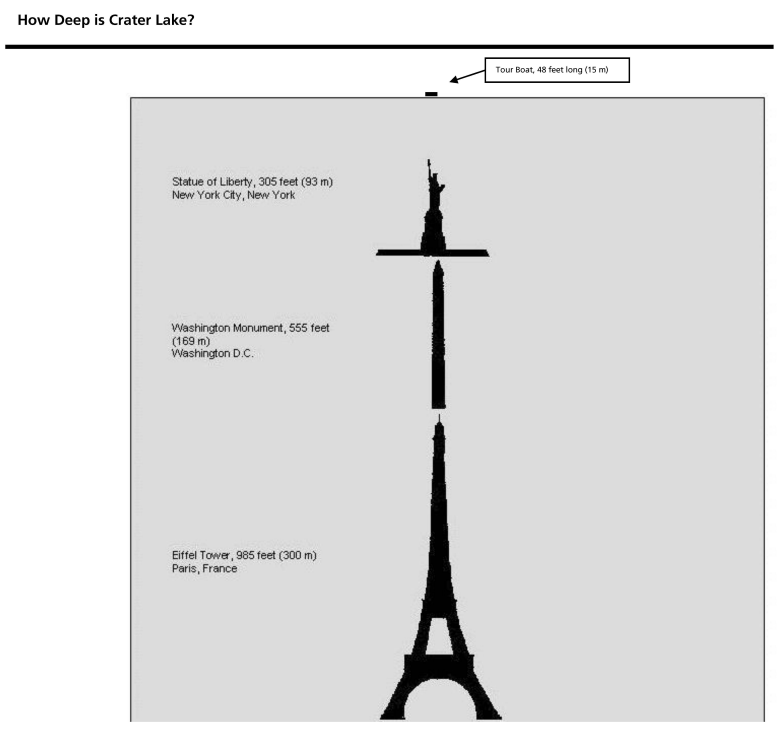
Crater Lake holds the distinction of being the deepest lake in the United States, and the ninth deepest in the world. Its profound depth plunges to an astonishing 1,943 feet (592 meters). This incredible measurement is not merely a statistic; it’s a defining characteristic that contributes to the lake’s mesmerizing clarity and unique ecological profile. For anyone planning a visit to Crater Lake National Park, understanding this depth offers a deeper appreciation for the forces that shaped this magnificent destination and the unparalleled experiences it offers. From exploring its geological origins to discovering the best accommodations and engaging in enriching tourism activities, a journey to Crater Lake promises an unforgettable adventure.

Unveiling the Azure Depths: The Geology and Grandeur of Crater Lake
The remarkable depth of Crater Lake is inextricably linked to its violent volcanic past, a story that began millennia ago. This landmark is not merely a body of water but a geological marvel, offering a captivating blend of scientific wonder and breathtaking natural beauty. For those with a passion for natural history and spectacular landscapes, delving into the lake’s formation adds an extra layer of richness to the travel experience.
A Volcanic Masterpiece: The Birth of Crater Lake
The story of Crater Lake begins approximately 7,700 years ago with the cataclysmic eruption and subsequent collapse of Mount Mazama, a once-towering volcano that stood proudly in the Cascade Range. This monumental event created a vast caldera, a massive basin where the mountain’s peak once resided. Over centuries, this immense depression gradually filled with pristine rainwater and snowmelt, eventually forming the incredibly deep and pure lake we see today. The absence of inlets or outlets means that the lake’s water source is solely precipitation, contributing significantly to its remarkable clarity and vibrant blue hue. This natural filtration system, combined with the lack of sediment inflow, makes Crater Lake one of the purest and clearest large bodies of water on Earth, a fact that draws countless tourism enthusiasts and environmentalists.
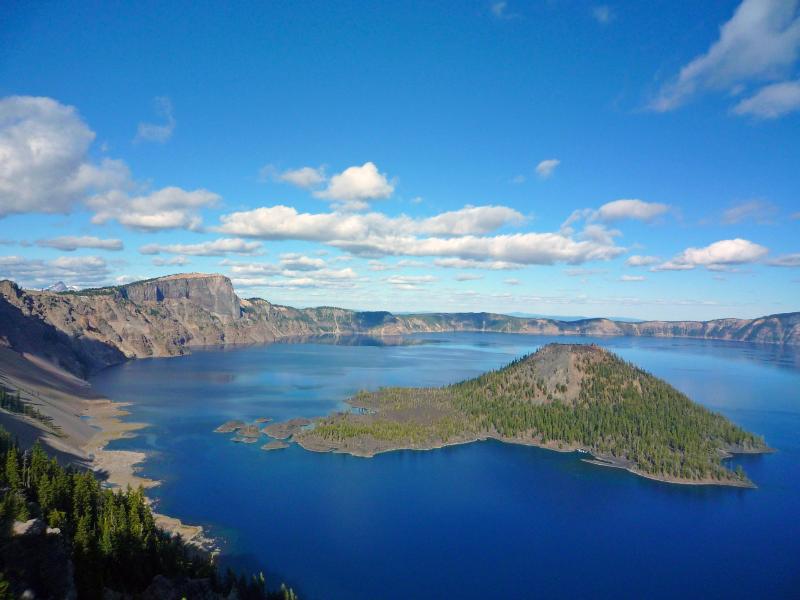
The caldera walls rise dramatically, forming a protective amphitheater that shelters the tranquil waters. These sheer cliffs, often snow-capped for much of the year, offer striking contrasts to the deep blue lake, creating photographic opportunities that are hard to match. As a destination, the geological narrative enriches every view and every moment spent absorbing the landscape, transforming a simple trip into an educational journey through time.
The Measurement: Delving into Record-Breaking Waters
Confirming Crater Lake’s astonishing depth was a significant undertaking, combining scientific rigor with intrepid exploration. While estimates existed for years, the definitive measurement of 1,943 feet (592 meters) was established in 1959 by a team from the U.S. National Park Service using sonar technology. This depth makes it unparalleled in the United States, easily surpassing other well-known deep lakes like Lake Tahoe (1,645 feet) and holding its own globally against titans like Lake Superior (1,333 feet).
The sheer volume of water contained within this deep basin is staggering, creating a unique aquatic environment. The cold temperatures at such depths mean that light penetration is limited, fostering conditions for unique biological processes. While the lake supports some aquatic life, its ecosystem is notably simpler than many other freshwater bodies, a direct consequence of its extreme depth and purity. This ecological uniqueness contributes to the allure of Crater Lake, inviting researchers and curious visitors alike to marvel at its pristine, untouched nature. The impressive depth and the geological history are key attractions that drive tourism to this remote but accessible Oregon landmark.
Experiencing Crater Lake: A Journey into Nature’s Core
Beyond its impressive depth, Crater Lake National Park offers a wealth of experiences for every type of traveler. Whether you’re seeking serene contemplation, thrilling adventure, or picturesque views, this destination seamlessly blends natural grandeur with accessible activities, making it an ideal choice for both short getaways and extended stays.
Iconic Landmarks and Scenic Vistas
The primary way to experience the breathtaking beauty of Crater Lake is via the Rim Drive, a magnificent 33-mile scenic route that encircles the caldera. This drive is dotted with over 30 overlooks, each offering a unique perspective of the lake’s vivid blues and the surrounding rugged landscape. Key stops include the famous Wizard Island, a cinder cone rising majestically from the lake’s western side, and the enigmatic Phantom Ship, a small, natural rock island resembling a ghost ship sailing in the distance.
The Sinnott Memorial Overlook, located near the Crater Lake Lodge, provides an excellent vantage point and educational exhibits about the lake’s formation. These landmarks are not just points on a map; they are essential components of the Crater Lake experience, offering endless opportunities for photography and quiet reflection. The grandeur of these sights makes it clear why Crater Lake is considered one of the United States’ most cherished natural landmarks, drawing visitors from around the globe seeking awe-inspiring natural attractions.
Activities for Every Adventurer
The activities available at Crater Lake cater to a wide range of interests and fitness levels, enhancing its appeal as a diverse travel destination.
- Boat Tours: During the summer months, guided boat tours depart from Cleetwood Cove Trail, the only legal access point to the lake’s shore. These tours offer an unparalleled opportunity to get up close to Wizard Island, learn about the lake’s geology and ecology from park rangers, and even disembark on the island for a short hike to its summit. This is a must-do experience for anyone wanting to truly immerse themselves in the lake’s environment.
- Hiking: Crater Lake National Park boasts over 90 miles of hiking trails. Options range from easy strolls along the rim to challenging backcountry treks. Popular trails include the Garfield Peak Trail, offering panoramic views, and portions of the renowned Pacific Crest Trail, which passes through the park. Each hike provides unique perspectives of the lake and surrounding old-growth forests, perfect for nature lovers and adventurers.
- Swimming and Fishing: The incredibly cold and clear waters of Crater Lake offer a refreshing dip for the brave at Cleetwood Cove Trail. Fishing for kokanee salmon and rainbow trout is also permitted without a license, providing a serene pastime for those seeking tranquility by the water.
- Winter Sports: When snow blankets the park, typically from October through June, a whole new set of activities emerges. Cross-country skiing, snowshoeing, and even winter camping become popular. The Rim Drive transforms into a pristine winter wonderland, offering unique and challenging routes for experienced winter enthusiasts.
These diverse activities ensure that Crater Lake is not just a place to observe, but a place to actively engage with nature, aligning perfectly with adventurous lifestyle travel preferences.
Planning Your Crater Lake Getaway: Travel, Accommodation, and Local Insights
A trip to Crater Lake National Park requires thoughtful planning to maximize the experience, especially considering its remote location and unique seasonal accessibility. From choosing the right time to visit to securing the best accommodations, careful preparation can transform a good trip into an exceptional one.
Gateway Cities and Travel Essentials
Crater Lake National Park is somewhat secluded, typically requiring a drive from larger cities. The most common gateway cities in Oregon include Klamath Falls (approximately 1.5 hours southeast), Medford (approximately 2 hours southwest), and Bend (approximately 2.5 hours north). Each of these cities offers its own charm, various hotels, and amenities, serving as excellent bases for exploring the wider Southern Oregon region. For those traveling from further afield, major airports in Portland, Seattle, or San Francisco would be the starting points for a road trip across the stunning landscapes of the Pacific Northwest.
The best time to visit significantly impacts the experience. Summer (July to early October) offers the warmest weather, full access to the Rim Drive, and all activities, including boat tours. However, it’s also the busiest time for tourism. Spring and fall provide cooler temperatures, fewer crowds, and stunning seasonal foliage, but some roads or facilities may still be closed due to snow. Winter visits, while incredibly beautiful, demand careful planning due to heavy snowfall and limited access.
Regardless of the season, essentials for your packing list should include layers of clothing, sturdy hiking boots, rain gear, sunscreen, a hat, and plenty of water. Binoculars are highly recommended for wildlife viewing, and a good camera is a must to capture the lake’s vibrant colors. It’s always wise to check the U.S. National Park Service website for current road conditions and facility statuses before heading out.
Where to Stay: Lodges, Resorts, and Unique Accommodations
Accommodation options near Crater Lake range from rustic camping to historic lodges, catering to various preferences and budgets.
- Inside the Park: The iconic Crater Lake Lodge, perched right on the rim, offers unparalleled views and a historic atmosphere. Booking here often requires reservations well in advance, sometimes a year out, due to its popularity as a unique hotel experience. For a more budget-friendly option within the park, the cabins and campground at Mazama Village, located just a few miles south of the rim, provide comfortable stays closer to nature. These accommodations are perfect for immersing oneself in the park’s tranquility and offer easy access to trails and viewpoints.
- Outside the Park: The nearby towns of Klamath Falls and Medford offer a wider selection of hotels, motels, and resorts, including chains and boutique options. These cities provide more amenities, restaurants, and shopping, along with diverse accommodation choices that might include suites and family-friendly resorts. For those seeking something truly unique, consider a stay at a charming bed-and-breakfast in a smaller community or a cabin rental along the Rogue River, offering a taste of Oregon’s rural lifestyle. Camping outside the park is also plentiful in national forests, offering a more rustic experience for budget travelers.
When comparing options, consider factors like proximity to the park, desired amenities, and overall travel style. Booking early is always advisable, especially during peak season, to secure your preferred accommodation.
Embracing Local Culture and Cuisine
While Crater Lake is the star attraction, the surrounding Southern Oregon region offers a rich tapestry of local culture, delectable food, and unique activities that can enhance your tourism experience. The area is known for its burgeoning wine industry, particularly in the Rogue Valley near Medford, where visitors can enjoy tastings and tours. Oregon’s farm-to-table ethos is strong here, with local restaurants serving fresh, seasonal ingredients. Don’t miss the chance to sample local craft beers, artisanal cheeses, and fresh produce from farmers’ markets.
Beyond gastronomy, exploring the region offers insights into its history and natural beauty. Destinations like Oregon Caves National Monument and Preserve or the redwood forests of Northern California (such as the Avenue of the Giants), though a bit further, can be combined with your Crater Lake trip for a grander exploration of the Pacific Northwest’s natural wonders. Engaging with local communities, whether through visiting small town festivals or chatting with shop owners, offers valuable tips and a deeper connection to the place.
Lifestyle Choices at Crater Lake: From Budget-Friendly to Luxurious Escapes
Crater Lake National Park caters to a diverse range of lifestyle choices, making it an accessible destination for almost anyone. Whether you’re seeking a luxurious retreat, an adventurous family trip, or a budget-conscious solo journey, the park and its surroundings offer flexible options to craft your ideal experience.
Tailoring Your Adventure: Family, Solo, or Romantic Travel
- Family Trips: Crater Lake is an excellent destination for families. The easy access of the Rim Drive and numerous overlooks makes it suitable for all ages. Educational opportunities abound, from ranger programs to self-guided tours explaining the lake’s formation and ecology. Children can participate in the Junior Ranger program, fostering a love for nature and conservation. Camping at Mazama Village or a family-friendly resort in nearby towns provides amenities suitable for all members, making for a memorable family travel experience.
- Solo Exploration: For the solo traveler, Crater Lake offers profound opportunities for introspection and connection with nature. The solitude found on many of the hiking trails, especially outside of peak hours, is perfect for quiet contemplation. The sheer beauty of the lake provides a constant source of inspiration, and the friendly park staff and fellow travelers often create a welcoming environment for independent adventurers.
- Romantic Getaways: The breathtaking scenery of Crater Lake provides an idyllic backdrop for a romantic escape. Staying at the historic Crater Lake Lodge offers a touch of luxury and convenience, with unparalleled sunset views over the lake. Enjoying a quiet dinner with stunning vistas, taking a leisurely stroll along the rim, or simply marveling at the stars together can create cherished memories for couples.
The flexibility in activities and accommodation choices allows visitors to perfectly align their Crater Lake trip with their preferred travel lifestyle, ensuring satisfaction whether they seek adventure, relaxation, or cultural immersion.
Maximizing Your Visit: Tips for an Unforgettable Experience
To truly make the most of your visit to this deep and magnificent lake, consider these tips:
- Photography: The light at Crater Lake changes dramatically throughout the day. Early mornings and late afternoons offer the best conditions for capturing the vibrant blue hues and dramatic shadows. Don’t forget to photograph the unique natural landmarks like Wizard Island and Phantom Ship.
- Stargazing: Due to its remote location and minimal light pollution, Crater Lake National Park is an exceptional spot for stargazing. On clear nights, the Milky Way is often visible, offering a celestial spectacle that complements the daytime grandeur. Check for ranger-led astronomy programs during the summer.
- Responsible Tourism: As part of the National Park System, Crater Lake is a protected area. Practice Leave No Trace principles: pack out everything you pack in, stay on marked trails, and observe wildlife from a respectful distance. This ensures that the lake’s purity and natural beauty are preserved for future generations of travelers.
- Embrace the Weather: Weather at Crater Lake can be unpredictable, even in summer. Be prepared for sudden changes in temperature, rain, or even snow. Embracing these elements as part of the wilderness experience will enhance your adventure.
In conclusion, the answer to “How deep is Crater Lake Oregon?” goes far beyond a simple number. It reveals a story of geological wonder, ecological purity, and a destination offering endless opportunities for travel, tourism, and unforgettable experiences. Whether you’re planning a luxurious escape or a rugged adventure, Crater Lake promises a journey into the heart of one of America’s most profound and beautiful natural landmarks. Its mesmerizing depths beckon, inviting all to discover the magic held within its azure embrace.
LifeOutOfTheBox is a participant in the Amazon Services LLC Associates Program, an affiliate advertising program designed to provide a means for sites to earn advertising fees by advertising and linking to Amazon.com. Amazon, the Amazon logo, AmazonSupply, and the AmazonSupply logo are trademarks of Amazon.com, Inc. or its affiliates. As an Amazon Associate we earn affiliate commissions from qualifying purchases.