
The allure of the Hawaiian Islands, with their sun-drenched beaches, verdant landscapes, and vibrant culture, draws millions of visitors each year. Planning a trip to this Pacific paradise often involves considering various factors, from the best time to witness the humpback whales in Maui to securing a charming villa in Kauai. However, one crucial element that can impact your travel plans is the timing of tropical storm season. Understanding when these weather phenomena are most likely to occur in Hawaii will allow you to make informed decisions about your vacation, ensuring a safer and more enjoyable experience.

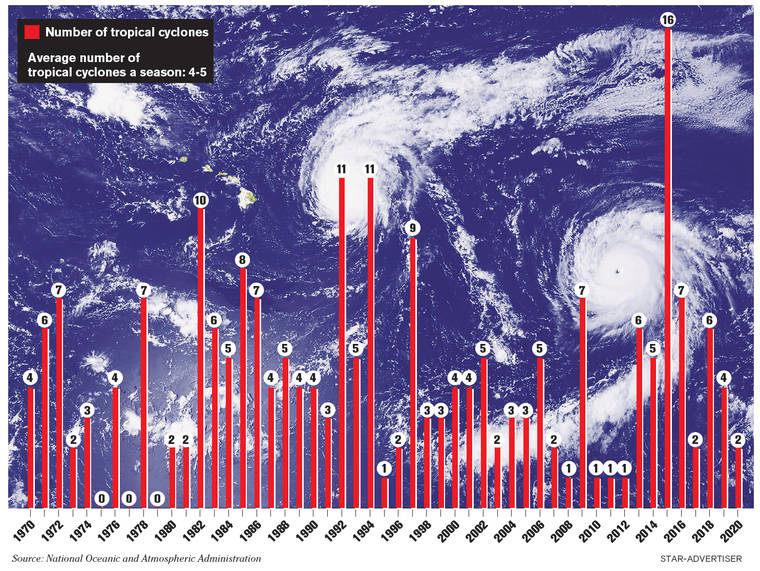
While Hawaii is renowned for its generally pleasant climate year-round, it is not immune to the tropical systems that can brew in the Pacific Ocean. These storms, ranging from tropical depressions to powerful hurricanes, can bring heavy rainfall, strong winds, and high surf, affecting travel, outdoor activities, and even hotel operations. Fortunately, Hawaii experiences a relatively predictable tropical storm season, offering ample opportunity for travelers to plan around potential disruptions.
Understanding Tropical Storms in Hawaii
Tropical storms, which encompass tropical depressions, tropical storms, and hurricanes, are characterized by a rotating system of thunderstorms that forms over warm ocean waters. These systems are fueled by the heat and moisture of the ocean and can intensify as they move across the sea. In the Pacific Ocean, east of the International Date Line and north of the Equator, these storms are primarily influenced by the warm waters of the North Pacific and the prevailing atmospheric conditions.
The season for these tropical systems in Hawaii generally runs from June 1st to November 30th. This six-month period encompasses the warmer months when ocean temperatures are highest, providing the necessary energy for storm development. Within this broader season, there are periods of higher and lower risk.
The Peak of the Storm Season
While tropical storm activity can occur at any point within the defined season, the peak months for storms affecting Hawaii are typically August, September, and October. During these months, the ocean waters are at their warmest, and the atmospheric patterns are most conducive to the formation and sustenance of tropical cyclones.
It’s important to note that not every tropical storm that forms in the Pacific will reach Hawaii. Many dissipate over the vast ocean, or their paths take them far from the islands. However, the possibility of an impact is highest during these late summer and early autumn months. This means that if you are planning a trip during August, September, or October, it is especially prudent to stay informed about weather forecasts and have contingency plans in place.
Factors Influencing Tropical Storms
Several meteorological factors contribute to the formation and track of tropical storms that could potentially impact Hawaii. Understanding these can provide further insight into the predictability of the season.
Ocean Temperatures
The surface temperature of the ocean is a primary driver for tropical storm development. Warm waters, generally 80 degrees Fahrenheit (26.5 degrees Celsius) or warmer, provide the energy needed for thunderstorms to organize and intensify into a tropical cyclone. During the summer and early fall months, the waters surrounding Hawaii are at their warmest, creating a favorable environment for storm formation.
Prevailing Winds and Atmospheric Patterns
The direction and strength of prevailing winds, as well as larger-scale atmospheric patterns like the El Niño-Southern Oscillation (ENSO), play a significant role in the frequency and intensity of tropical storms that affect Hawaii. For instance, during El Niño years, Hawaii can experience an increased likelihood of tropical storm activity due to shifts in atmospheric circulation patterns. Conversely, La Niña years may see less activity. Meteorologists closely monitor these patterns to refine seasonal hurricane forecasts.
Storm Tracks
The paths that tropical storms take are influenced by steering currents in the atmosphere. These currents can guide storms westward across the Pacific. While many storms track north or south of Hawaii, a direct hit or close passage is possible, especially during the peak of the season. The National Hurricane Center in Miami, Florida, along with the Central Pacific Hurricane Center in Honolulu, Hawaii, diligently track these systems and issue advisories and warnings.
Preparing for Tropical Storms While Traveling
While the possibility of a tropical storm can be a concern for travelers, proactive preparation can significantly mitigate any potential disruption to your Hawaiian vacation. The focus is on staying informed, being flexible, and having a plan.
Staying Informed About Weather Conditions
The most critical aspect of preparing for tropical storms is to stay updated on weather forecasts. Reliable sources include the National Weather Service, the Central Pacific Hurricane Center, and reputable local news outlets in Hawaii. Many hotels and resorts will also have information readily available for their guests.
Before and during your trip, regularly check weather updates. If a tropical storm is forecast to approach Hawaii, pay close attention to any advisories, watches, or warnings issued by the authorities. This information will guide decisions about travel, outdoor activities, and safety precautions.
Flexibility in Travel Plans
If your travel dates fall within the tropical storm season, particularly during the peak months, building flexibility into your itinerary is wise. This could mean:
- Adjusting Flight Schedules: Airlines may adjust flight schedules or even cancel flights in anticipation of or during a storm. Having travel insurance that covers weather-related disruptions can be invaluable.
- Modifying Accommodation Bookings: If you have booked a hotel, resort, or villa, understand their cancellation and rebooking policies in case of severe weather. Some accommodations might offer flexible booking options during periods of heightened storm risk.
- Rescheduling Activities: Popular attractions and experiences like boat tours, hiking excursions to Diamond Head, or luaus might be canceled or postponed due to unsafe weather conditions. Having alternative indoor activities or being prepared to reschedule is a good strategy.
Safety Precautions and Emergency Preparedness
In the event of a tropical storm impacting Hawaii, prioritizing safety is paramount.
- Follow Official Guidance: Always heed the advice and instructions from local authorities and emergency management agencies. This includes evacuation orders if they are issued.
- Secure Your Accommodation: If you are staying in a rental property or villa, secure windows and doors against strong winds. Bring in any loose outdoor furniture or decorations.
- Prepare an Emergency Kit: While not usually necessary for casual travelers, it’s prudent to have a basic emergency kit in your accommodation with essentials like water, non-perishable food, a flashlight, batteries, and a first-aid kit.
- Know Evacuation Routes: If you are in an area prone to flooding or storm surge, be aware of designated evacuation routes.
Tropical Storm Season vs. Ideal Travel Times
When planning a Hawaiian vacation, many travelers consider the weather alongside other factors like crowds and prices. The tropical storm season, from June 1st to November 30th, overlaps with some of the most popular travel periods.
Shoulder Seasons and Their Appeal
The shoulder months of the tropical storm season, such as June, early July, late October, and November, can offer a good balance for travelers. The weather is generally still pleasant, with fewer crowds and potentially lower prices for flights and accommodations compared to the peak winter months or the summer holidays. However, the risk of tropical storm activity, though lower than in August through October, still exists.
For those seeking the absolute best weather with the lowest chance of tropical storms, the period from December to May is often considered ideal. This time of year boasts calmer seas, consistently sunny skies, and the highest whale-watching opportunities, particularly in Maui. However, it is also the busiest and most expensive time to visit Hawaii.

Making the Most of Your Trip Regardless of Season
Ultimately, a tropical storm is a possibility, not a certainty, during the designated season. Hawaii has robust infrastructure and experienced emergency management systems to handle such events. Millions of visitors enjoy Hawaiian vacations every year without experiencing any significant impact from tropical storms.
The key takeaway is to plan intelligently. By understanding when tropical storm season is, staying informed, and maintaining a degree of flexibility, travelers can confidently book their dream Hawaiian getaway, whether it’s exploring the iconic Pearl Harbor, relaxing on the beaches of Waikiki, or embarking on an adventurous hike in Volcanoes National Park. The magic of the islands awaits, and with a little preparedness, you can ensure your visit is filled with aloha and unforgettable memories, come rain or shine.
LifeOutOfTheBox is a participant in the Amazon Services LLC Associates Program, an affiliate advertising program designed to provide a means for sites to earn advertising fees by advertising and linking to Amazon.com. Amazon, the Amazon logo, AmazonSupply, and the AmazonSupply logo are trademarks of Amazon.com, Inc. or its affiliates. As an Amazon Associate we earn affiliate commissions from qualifying purchases.