
While the sun-drenched beaches, volcanic landscapes, and rich cultural tapestry of Hawaii often dominate conversations, the islands also possess a distinct political identity. For travelers and residents alike, understanding the voting patterns of America’s Aloha State offers a deeper insight into its governance and the priorities of its people. This exploration delves into Hawaii’s general political leanings, examining the historical trends and the factors that shape its electoral landscape, all within the context of the vibrant lifestyle and unique experiences the islands offer.
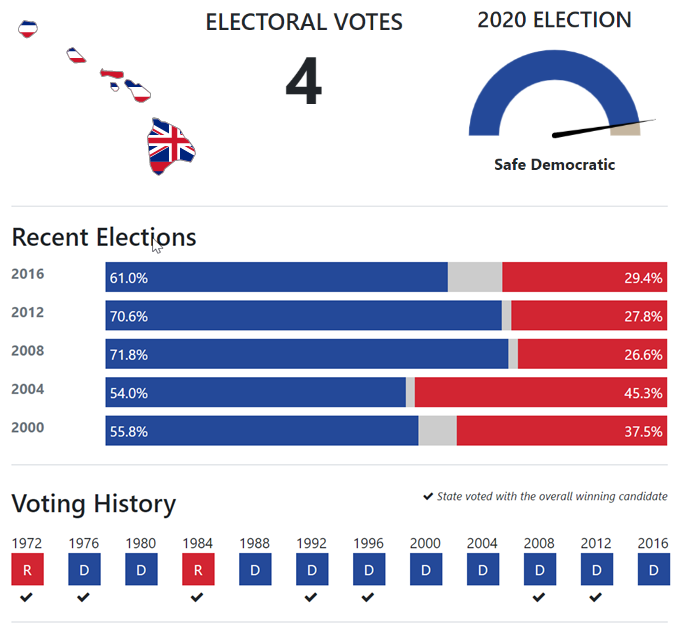
Hawaii consistently leans towards the Democratic Party. This has been a pronounced trend for several decades, making it one of the most reliably Democratic states in the United States. This consistent voting pattern is not a recent phenomenon but rather a deeply ingrained characteristic of the state’s political consciousness. Understanding this inclination is key to appreciating the nuances of Hawaiian governance, from local tourism policies to broader social and economic initiatives that impact the lives of those who call Hawaii home and those who visit for its unparalleled travel experiences.

The Enduring Democratic Tide
A Historical Overview of Voting Trends
To grasp Hawaii’s current political climate, it’s essential to look back at its electoral history. Following its admission as a U.S. state in 1959, Hawaii initially showed a more mixed voting record. However, by the late 1960s and early 1970s, a clear shift towards the Democratic Party began to solidify. This trend has continued unabated through numerous presidential, senatorial, and gubernatorial elections.
In presidential elections, Hawaii has overwhelmingly supported Democratic candidates. The last time Hawaii voted for a Republican presidential candidate was in 1964, when Lyndon B. Johnson won the state, but even before that, there were instances of Republican victories. However, since the late 1960s, the Democratic Party has held a commanding lead in the presidential vote. This consistent pattern underscores the state’s strong alignment with Democratic platforms and ideologies.
The same holds true for state-level elections. Democrats have dominated the Hawaiian legislature, holding supermajorities in both the State Senate and the State House of Representatives for many years. Similarly, the governorship has predominantly been held by Democrats. While there have been occasional Republican governors and a few Republican members of Congress, the overall trend is a substantial Democratic advantage. This dominance allows the Democratic Party to shape much of the legislative agenda and state policy, influencing everything from hotel regulations and accommodation standards to tourism development and environmental protection.
This enduring Democratic tide isn’t accidental. It’s shaped by a confluence of historical, demographic, and socioeconomic factors that are intrinsically linked to the lifestyle and character of Hawaii. These elements contribute to a unique political identity that sets the state apart within the United States.
Factors Influencing Hawaii’s Democratic Leanings
Several key factors contribute to Hawaii’s consistent Democratic voting patterns, many of which are interwoven with the very essence of the islands and their appeal to travelers and residents alike.
Demographic Composition
Hawaii is renowned for its diverse population, a rich mosaic of ethnic and racial groups. This diversity is a significant driver of its Democratic affiliation. Historically, many of Hawaii’s ethnic minority groups, including Native Hawaiians, Asian Americans (such as Japanese Americans, Filipino Americans, and Chinese Americans), and Pacific Islanders, have found the Democratic Party’s platform more aligned with their interests and concerns. The party’s emphasis on social justice, civil rights, workers’ rights, and a social safety net resonates strongly with these communities.
The history of Hawaii, from its indigenous roots to its plantation past, has fostered a collective consciousness that often champions the underdog and advocates for equitable treatment. The Democratic Party, with its focus on inclusivity and representation, has historically been seen as the party that best addresses these historical and ongoing societal needs. This is particularly relevant to Native Hawaiians, who have a deep connection to the land and culture, and often seek political solutions that protect their heritage and rights, areas where the Democratic Party has often found common ground.
Socioeconomic Landscape
Hawaii’s economy, while heavily reliant on tourism, also has a significant number of middle and lower-income residents, as well as a substantial unionized workforce. The Democratic Party generally champions policies that support organized labor, advocate for fair wages, and provide social programs. These policies are attractive to a significant portion of the Hawaiian electorate.
The cost of living in Hawaii is notoriously high, particularly for housing. Democratic proposals often focus on affordable housing initiatives, renter protections, and increased social services, which are critical issues for many Hawaiian residents struggling with these economic realities. The state’s reliance on imports also means that issues of fair trade and economic stability are paramount, and the Democratic Party often presents itself as the party that can best navigate these complex economic challenges.
Cultural Values and Progressivism
Hawaii is often perceived as a more progressive state, with a strong emphasis on environmental protection, social welfare, and community well-being. These values align closely with the core tenets of the modern Democratic Party. The state’s stunning natural beauty, from the iconic Diamond Head to the lush rainforests of Kauai, has fostered a deep appreciation for conservation. Democrats in Hawaii have generally been at the forefront of advocating for stronger environmental regulations, sustainable tourism practices, and the preservation of natural landmarks.
Furthermore, Hawaii has a history of embracing social progressiveness. Issues such as LGBTQ+ rights, marriage equality, and reproductive rights have generally found strong support within the Hawaiian electorate, mirroring the stances of the national Democratic Party. This progressive ethos, deeply embedded in the lifestyle and aspirations of many Hawaiians, further solidifies the state’s Democratic leanings.
Beyond the Islands: How Hawaii’s Vote Impacts the Nation
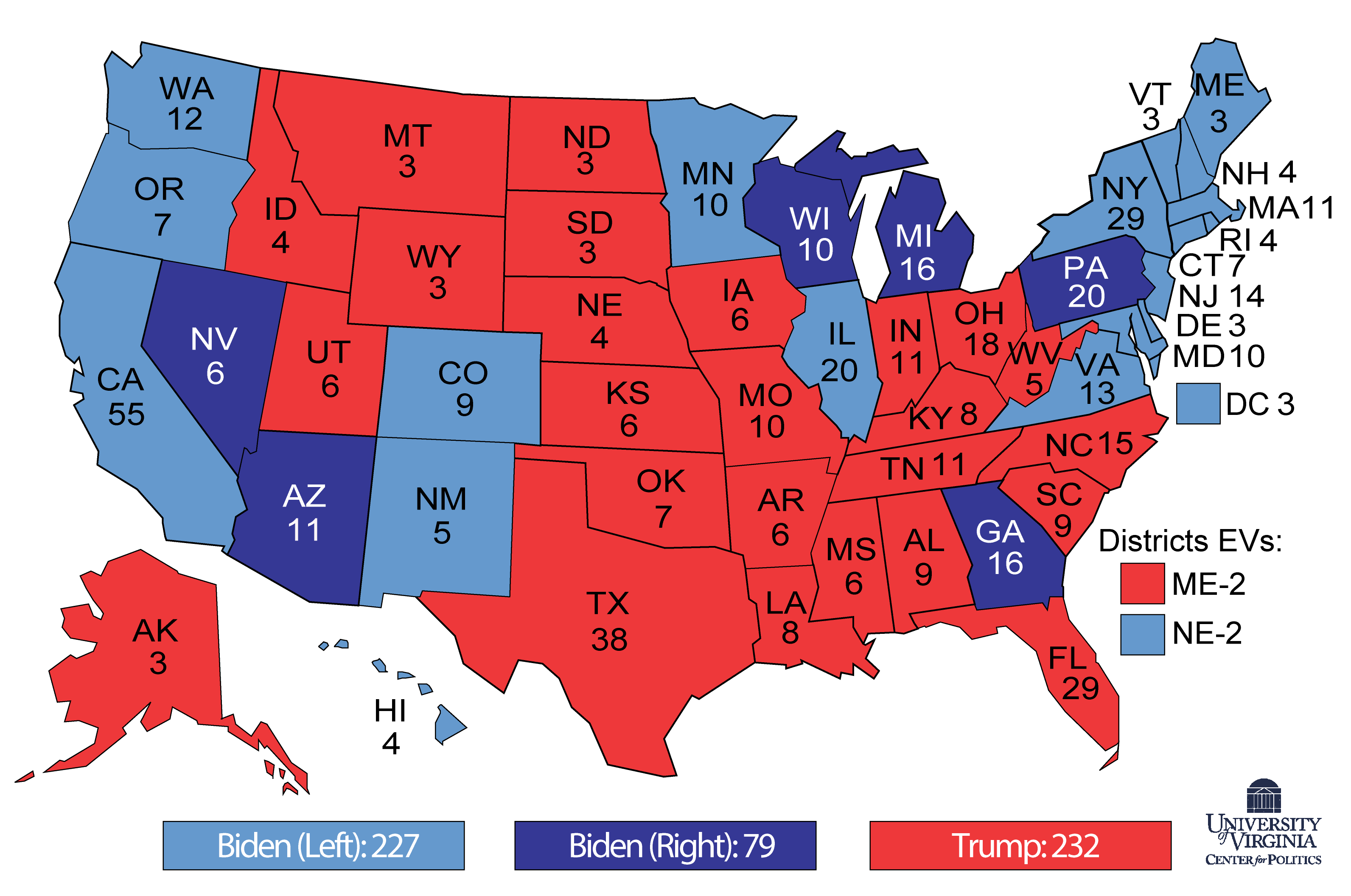
While Hawaii may seem geographically distant from the mainland United States, its voting patterns and the politicians it elects play a role in the broader national political landscape. The state’s consistent Democratic affiliation adds to the Democratic Party’s electoral college count and contributes to its representation in Congress.
Congressional Representation and Policy Influence
Hawaii typically elects two Democratic members to the U.S. House of Representatives and two Democratic U.S. Senators. These elected officials, such as Senator Brian Schatz and Representative Ed Case, participate in national debates, vote on federal legislation, and often champion issues specific to Hawaii, such as military base presence (Pearl Harbor), the protection of Native Hawaiian rights, and environmental conservation.
Their votes and influence in Washington, D.C., can contribute to the passage or defeat of key legislation, affecting national policy on a wide range of issues from healthcare and immigration to economic development and foreign policy. The Democratic nature of Hawaii’s delegation means they generally align with the Democratic Party’s caucus positions, reinforcing the party’s overall strength and agenda in Congress. This influence is felt even in seemingly unrelated areas, as national policies can indirectly impact tourism, accommodation prices, and the overall lifestyle of the islands.
The “Aloha Spirit” in National Politics
The unique cultural ethos of Hawaii, often referred to as the “Aloha Spirit,” which emphasizes kindness, compassion, and a sense of community, sometimes finds its way into the political discourse of its representatives. While politics can be a contentious arena, Hawaiian politicians often strive to embody this spirit, seeking bipartisan solutions and fostering a more collaborative approach to governance.
This can manifest in their willingness to work across the aisle or to emphasize unity and understanding in their public statements. While party lines are still drawn, the Hawaiian approach to politics can sometimes offer a refreshing contrast to the more polarized environments found elsewhere in the United States. This influence, though subtle, contributes to the diverse perspectives brought to the national stage by Hawaiian lawmakers.
Exploring Hawaii: A Deeper Understanding Through Its Politics
Understanding Hawaii’s voting patterns provides a richer context for appreciating the islands as a destination and a place of residence. It highlights the values and priorities that guide its governance and shape its society. Whether one is exploring the historical landmarks of Honolulu, indulging in the culinary scene, or simply relaxing at a luxury resort like the Four Seasons Resort Maui at Wailea, a grasp of the local political landscape adds another layer to the Hawaiian experience.
The Democratic leanings of Hawaii are a testament to its diverse population, its progressive values, and its unique historical trajectory. These factors coalesce to create a political identity that is both distinct and influential within the United States. For anyone interested in the full spectrum of what Hawaii has to offer, from its breathtaking natural beauty and vibrant culture to its social and political fabric, acknowledging its voting patterns is an essential step towards a more complete understanding. This knowledge enriches the travel experience and fosters a deeper appreciation for the islands’ unique place in the American tapestry.
LifeOutOfTheBox is a participant in the Amazon Services LLC Associates Program, an affiliate advertising program designed to provide a means for sites to earn advertising fees by advertising and linking to Amazon.com. Amazon, the Amazon logo, AmazonSupply, and the AmazonSupply logo are trademarks of Amazon.com, Inc. or its affiliates. As an Amazon Associate we earn affiliate commissions from qualifying purchases.