
Hawaii’s journey from an independent kingdom to the 50th state of the United States is a complex tapestry woven with threads of monarchy, economic influence, geopolitical strategy, and the desire for self-determination. While often viewed through the lens of idyllic beaches and vibrant local culture, the path to statehood was a long and often contentious one, shaped by powerful external forces and the evolving aspirations of the Hawaiian people. Understanding this history requires delving into the unique circumstances that led to the overthrow of the Hawaiian Kingdom and the subsequent decades of territorial rule before statehood was finally achieved in 1959.
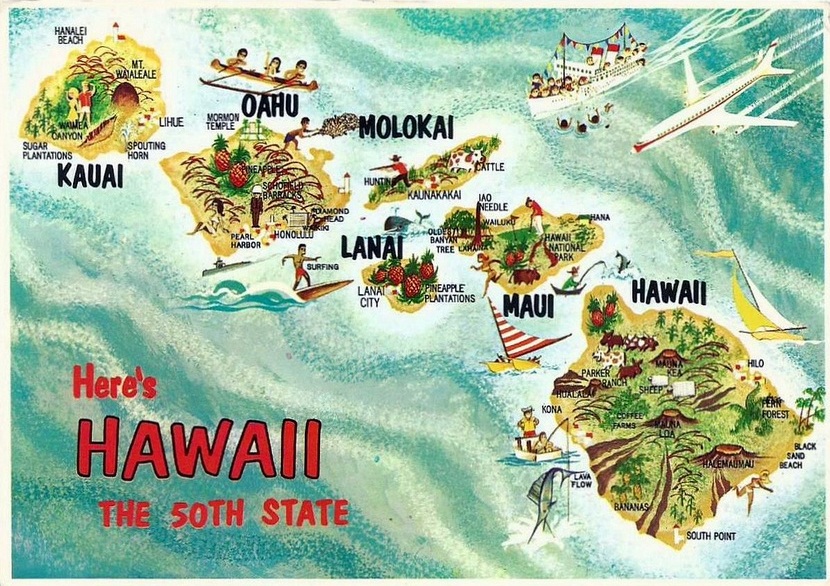
The Hawaiian Islands, a breathtaking archipelago in the heart of the Pacific Ocean, were first unified under King Kamehameha I in the late 18th century. For nearly a century, the Kingdom of Hawaii maintained its sovereignty, developing a distinct political system, a rich cultural heritage, and engaging in international trade. Early interactions with Western powers, primarily the United States and Great Britain, were marked by trade, the introduction of Christianity, and a growing presence of foreign businessmen. However, as the 19th century progressed, the influence of American business interests, particularly in the burgeoning sugar industry, began to exert significant pressure on the Hawaiian government.
The Seeds of Change: Economic Interests and Political Influence
The economic relationship between Hawaii and the United States became increasingly intertwined. American missionaries, many of whom later became prominent businessmen, established vast sugar plantations that became the backbone of the Hawaiian economy. These entrepreneurs sought favorable trade conditions with the United States, particularly to avoid tariffs on sugar imports. This led to a series of Reciprocity Treaties, with the most significant one in 1875, granting Hawaiian sugar duty-free access to the American market in exchange for exclusive trading privileges and territorial concessions, notably the lease of Pearl Harbor to the U.S. Navy.
This economic dependency gradually translated into political influence. American businessmen and their descendants, often referred to as the “Haole” (foreigner) elite, began to lobby for greater political power within the Kingdom. They found allies in the United States, which saw Hawaii as strategically important for its growing presence in the Pacific. The desire for annexation, driven by the economic benefits and strategic advantages, intensified over time.
The Hawaiian monarchy, under rulers like Queen Liliuokalani, recognized the growing threat to their sovereignty. Queen Liliuokalani sought to restore power to the monarchy and curb the influence of foreign businessmen. In 1893, her efforts to enact a new constitution that would strengthen royal authority were met with swift and decisive action by a group of American and European businessmen, supported by the landing of U.S. Marines from the USS Boston. This event, known as the Bayonet Constitution, effectively led to the overthrow of the Hawaiian monarchy.
The Provisional Government and the Republic of Hawaii
Following the overthrow, a Provisional Government was established, led by Sanford B. Dole, a prominent American businessman and lawyer. The Provisional Government immediately sought annexation by the United States. However, President Grover Cleveland, upon reviewing the situation, concluded that the overthrow was an illegal act and withdrew the annexation treaty from the U.S. Senate. He advocated for the restoration of Queen Liliuokalani, but the Provisional Government refused to relinquish power.
Undeterred, the Provisional Government continued to press for annexation. In 1894, they established the Republic of Hawaii, with Dole as its president. This republic, though not recognized by all nations, continued to operate with the aim of eventual union with the United States. The strategic importance of Hawaii was further underscored during the Spanish-American War in 1898. The United States recognized the immense value of Pearl Harbor as a naval base and coaling station, solidifying its commitment to controlling the islands. This geopolitical imperative, coupled with the persistent lobbying efforts of the Republic of Hawaii, finally led to the passage of the Newlands Resolution, which annexed Hawaii as a territory of the United States on July 7, 1898.
Territorial Hawaii: A Long Road to Statehood
The period of Territorial Hawaii lasted for over six decades. While Hawaii was under American administration, the path to full statehood was fraught with obstacles and delays. The initial years of territorial status were marked by a complex relationship between the U.S. federal government and the Hawaiian population. The appointed territorial governors, often chosen for political reasons, sometimes clashed with the local populace over issues of governance and representation.
During this era, the diverse population of Hawaii, comprising Native Hawaiians, Japanese, Chinese, Filipino, Portuguese, and European immigrants, worked to shape the islands’ identity. The economic engine continued to be driven by agriculture, particularly pineapple and sugar, with large corporations like Dole Food Company and Castle & Cooke playing significant roles. The American military presence also grew substantially, especially after the attack on Pearl Harbor in 1941, which propelled the United States into World War II. The war further highlighted Hawaii’s strategic importance and led to increased federal investment and involvement in the islands.
Despite the economic and military integration, there was a strong movement for statehood among many Hawaiians. They argued that as American citizens living in a territory, they lacked full representation in Congress and the right to vote for their president. They felt a sense of second-class citizenship and believed that statehood would grant them equal rights and opportunities. However, opposition to statehood came from various quarters. Some U.S. Southern politicians were concerned about the potential impact of adding non-white representatives to Congress. Others worried about the perceived racial and cultural differences of Hawaii’s population. Furthermore, there were concerns about the powerful corporations that dominated the Hawaiian economy, with some fearing that statehood might disrupt their influence.

The Final Push for Statehood
The post-World War II era saw a renewed and intensified drive for statehood. The Hawaii Admission Act was introduced multiple times in Congress, facing various political hurdles. The Cold War also played a role. The United States wanted to project an image of democracy and equality to the world, and granting statehood to Hawaii, a strategically vital Pacific outpost, would serve this purpose. The Civil Rights Movement in the mainland United States also created a more receptive political climate for granting statehood to a diverse territory.
The Democratic Party in Hawaii, with its strong support base among the islands’ diverse population, became a powerful advocate for statehood. They actively campaigned, organized rallies, and lobbied Congress. Significant efforts were made to demonstrate Hawaii’s readiness for statehood, including showcasing its democratic institutions, its contribution to the U.S. economy, and the loyalty of its residents to the United States.
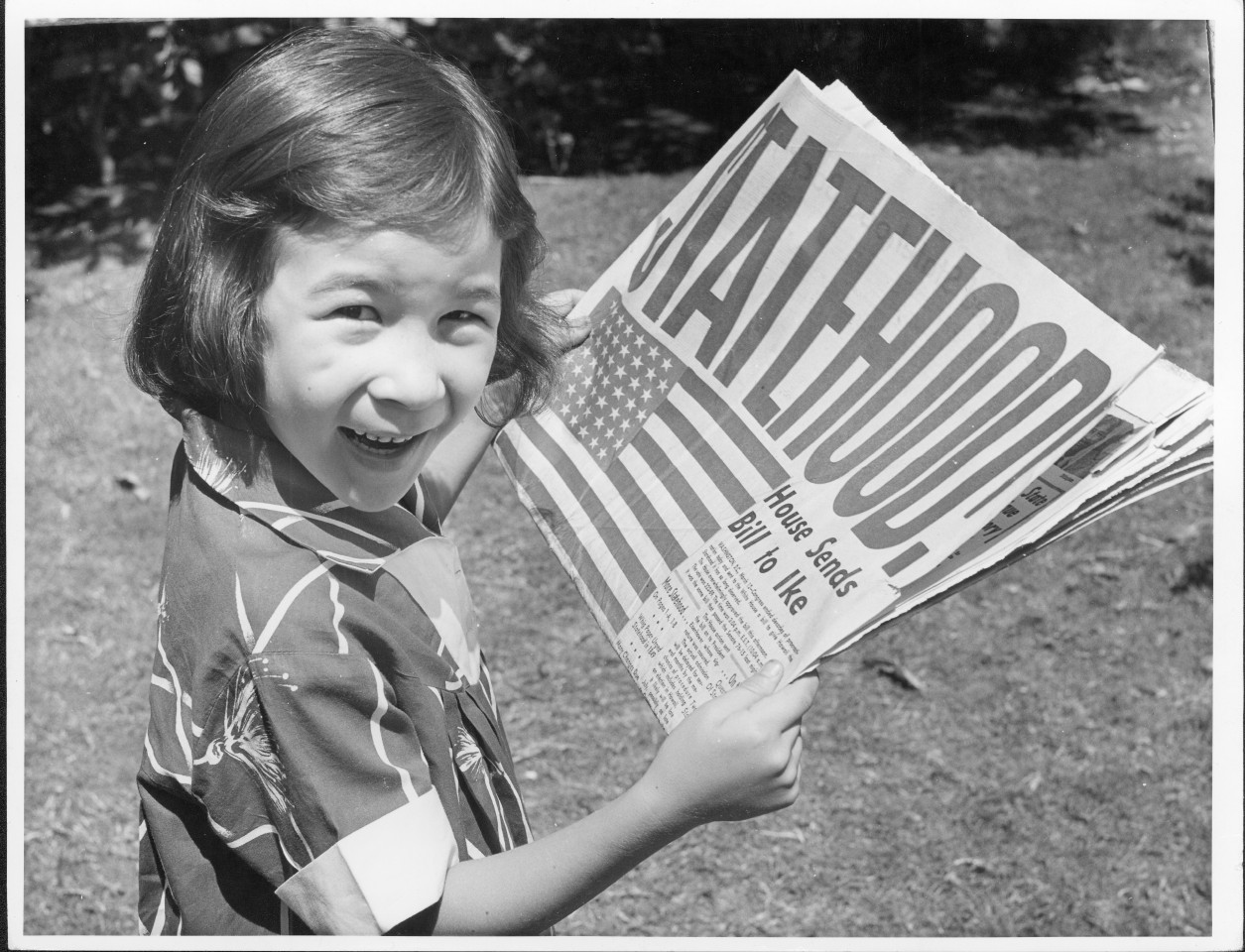
Finally, after decades of struggle, the Hawaii Admission Act was passed by both the U.S. House of Representatives and the U.S. Senate in March 1959. A plebiscite was held in Hawaii on June 27, 1959, where the residents overwhelmingly voted in favor of statehood. On August 21, 1959, Hawaii officially became the 50th state of the United States, concluding a remarkable and transformative chapter in its history. The journey from an independent kingdom to a state was a testament to the resilience of the Hawaiian people, the shifting tides of global politics, and the enduring power of the pursuit of equality and self-governance.
LifeOutOfTheBox is a participant in the Amazon Services LLC Associates Program, an affiliate advertising program designed to provide a means for sites to earn advertising fees by advertising and linking to Amazon.com. Amazon, the Amazon logo, AmazonSupply, and the AmazonSupply logo are trademarks of Amazon.com, Inc. or its affiliates. As an Amazon Associate we earn affiliate commissions from qualifying purchases.