
When the word “hotel” is mentioned, our minds typically conjure images of bustling lobbies, plush amenities, and convenient locations in vibrant cities or serene beach towns. We think of destinations like Paris, New York, or even exotic locales like the Maldives. However, when the continent of Antarctica comes to mind, the concept of traditional hotels seems almost incongruous. This vast, icy wilderness, a continent dedicated to science and preservation, is not a place typically associated with commercial accommodation. Yet, the allure of Antarctica as a unique travel destination is undeniable. So, are there hotels in Antarctica? The answer, much like the continent itself, is complex and fascinating.

The Antarctic Landscape: A Continent Unsuited for Conventional Hotels
Antarctica is the southernmost continent, a polar desert of extreme temperatures, relentless winds, and a landscape dominated by ice. It is the coldest, driest, and windiest continent, with an average annual temperature of -57°C (-70°F) in the interior. Its population is transient, consisting primarily of scientists and support staff at research stations scattered across the continent. There are no permanent settlements, no indigenous populations, and certainly no infrastructure built for mass tourism in the way we understand it elsewhere. The very conditions that make Antarctica so pristine and awe-inspiring also make it incredibly challenging to build and maintain traditional hotel facilities.
The logistical hurdles alone are immense. Transporting building materials, ensuring reliable power and water supply, waste management, and providing services like food and hospitality for guests would be astronomically expensive and environmentally damaging. The Antarctic Treaty System, which governs activities on the continent, places a strong emphasis on environmental protection and scientific research, discouraging large-scale commercial development that could jeopardize these principles. Therefore, the idea of a five-star resort with room service and a swimming pool overlooking the Southern Ocean remains firmly in the realm of fantasy.
Research Stations: Not Your Average Hotel Experience
While traditional hotels are absent, Antarctica does have a form of “accommodation” in its numerous research stations. These stations, operated by various countries, are the lifelines of scientific endeavors on the continent. Stations like the Amundsen-Scott South Pole Station (United States), Vostok Station (Russia), and McMurdo Station (United States) are functional, self-sufficient communities. They house scientists, researchers, and support personnel, offering them living quarters, mess halls, laboratories, and recreational facilities.
However, these are not hotels for tourists. Access to these stations is highly restricted and typically reserved for individuals involved in scientific work or logistical support. Even if a tourist were to somehow gain access, the experience would be far from luxurious. Living conditions are utilitarian, designed for survival and efficiency rather than comfort. The focus is on supporting critical scientific research, not on providing a vacation experience. Imagine sharing a common mess hall with scientists, living in a small, functional room, and having limited access to amenities. While it offers a unique glimpse into life at the bottom of the world, it is a far cry from a hotel stay.
The Rise of Expedition Cruises: The Closest to “Hotels” in Antarctica
Given the absence of traditional hotels, how do tourists experience Antarctica? The answer lies in the burgeoning world of expedition cruises. These voyages are the most common and practical way for visitors to explore the Antarctic Peninsula and its surrounding islands. While not hotels in the conventional sense, these cruise ships act as floating hotels, providing accommodation, meals, and a base for exploration.
These are not your typical large cruise liners. Expedition ships are specifically designed for polar waters, often smaller and more robust, capable of navigating icy seas and carrying inflatable Zodiac boats for landings. They offer a range of cabin types, from comfortable suites to more basic but still well-appointed rooms. Onboard, passengers can expect amenities such as dining rooms serving a variety of cuisines, lounges for socializing and lectures, libraries, and sometimes even gyms or saunas.
Life Aboard an Antarctic Expedition Vessel
The experience aboard an expedition cruise is a unique blend of comfort and adventure. Days are filled with expertly guided excursions. Passengers disembark via Zodiacs to explore shorelines, visit penguin colonies, witness incredible ice formations, and potentially spot whales, seals, and other marine life. These landings are carefully managed to minimize environmental impact, adhering to strict guidelines set by the International Association of Antarctica Tour Operators (IAATO).
Evenings are dedicated to relaxation and learning. Expert guides, naturalists, historians, and photographers deliver engaging lectures about the continent’s geology, wildlife, and history. This educational component is a significant part of the Antarctic experience, enriching the understanding and appreciation of this extraordinary environment. The dining experience, while not Michelin-starred, is generally of a high standard, with fresh ingredients and diverse menus catering to various dietary needs.
Notable expedition cruise operators include companies like Hurtigruten, Quark Expeditions, and Lindblad Expeditions. These companies offer various itineraries, durations, and levels of luxury, catering to different budgets and interests. The ships themselves become a temporary home, a sanctuary from the harsh elements, offering warmth, safety, and all the necessities for a comfortable journey through the Antarctic wilderness.
The Emergence of Unique Antarctic “Lodges”
While expedition cruises dominate, a few pioneering initiatives have explored the possibility of land-based accommodation in Antarctica. These are not hotels in the traditional sense but rather exclusive, often temporary, or highly specialized structures designed to offer a unique lodging experience for a select few.
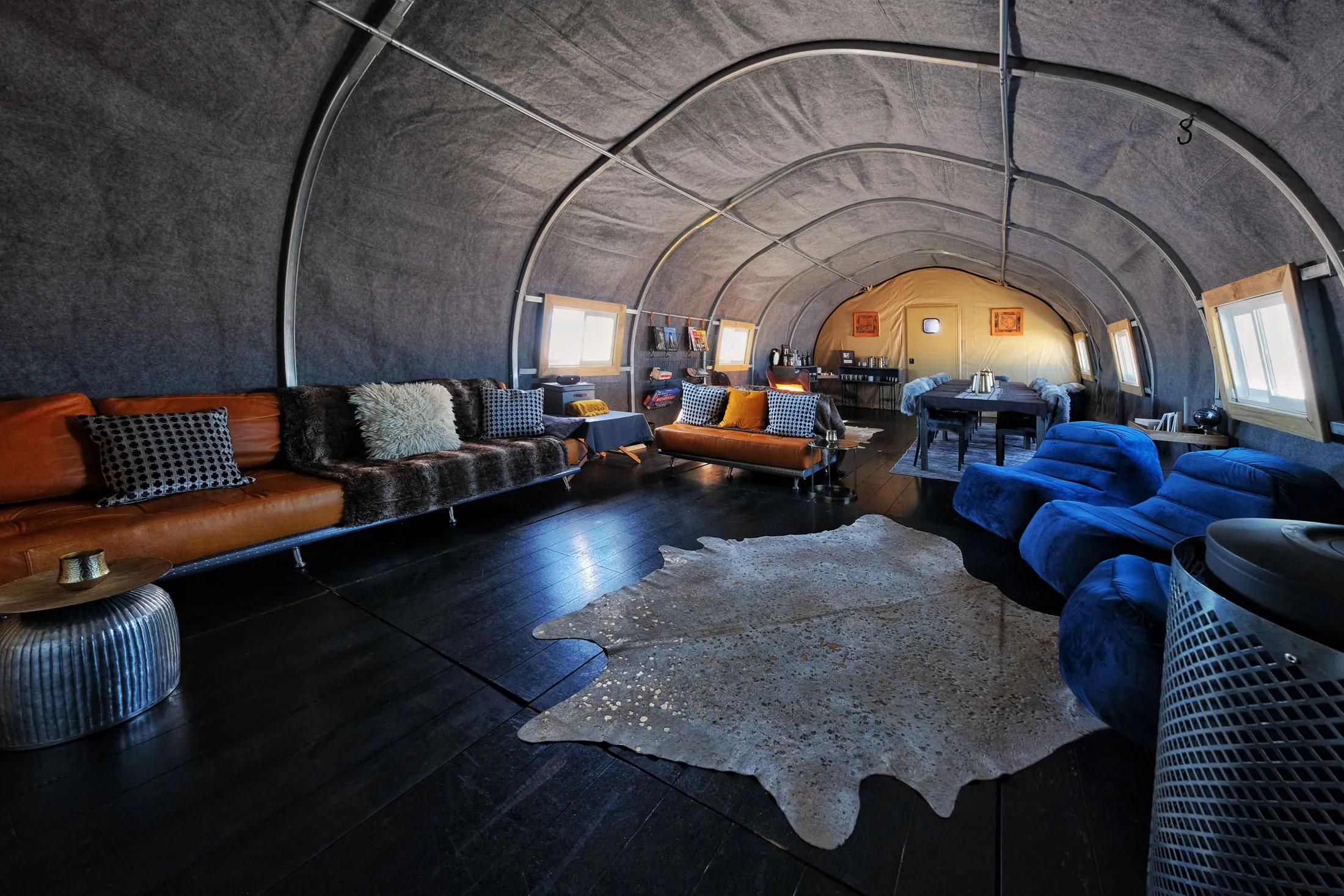
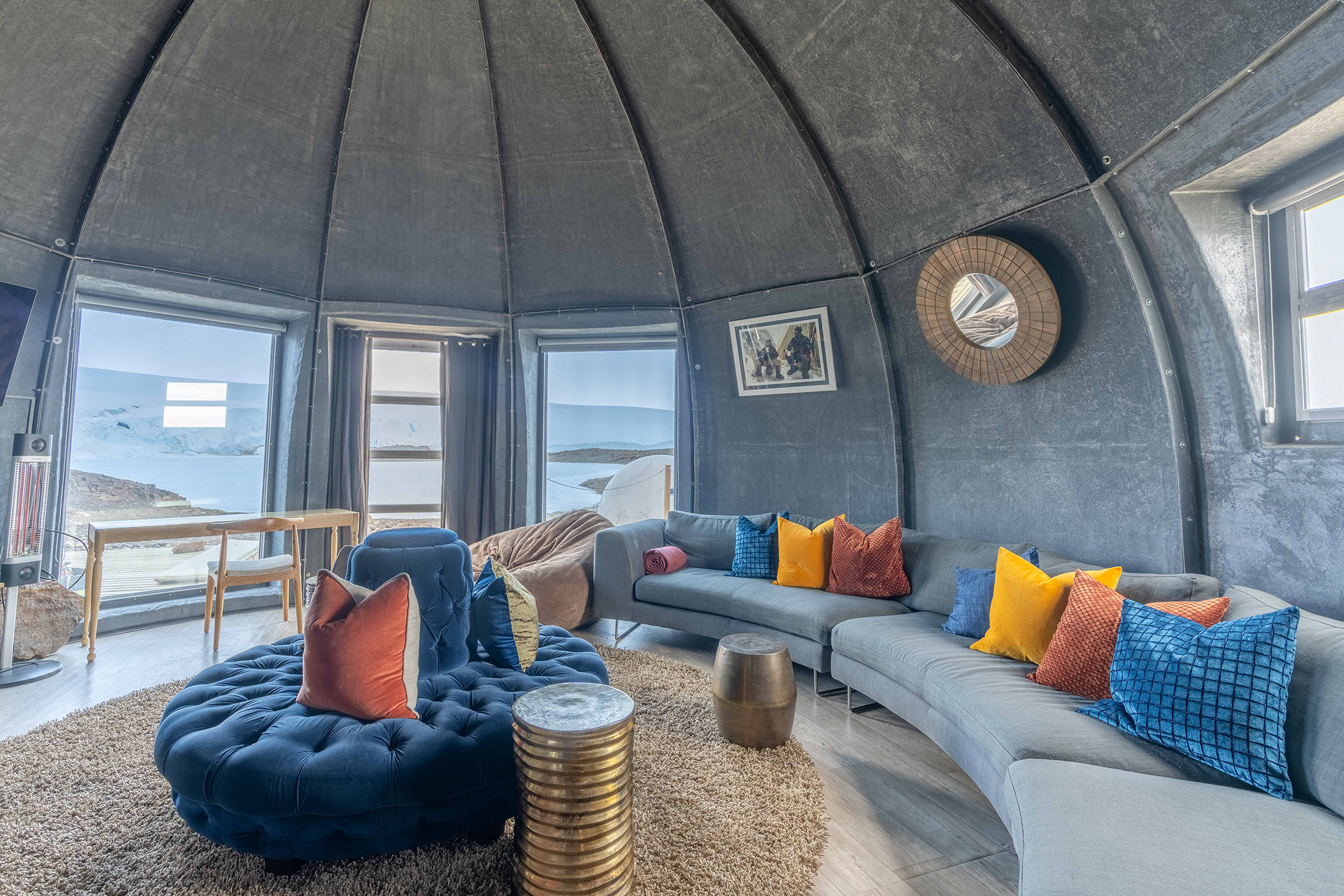
One such example is the White Desert Camp. This luxury tented camp, located in the interior of the Antarctic continent, offers a truly unparalleled experience. Guests fly into Antarctica via private jet from Cape Town, landing on a blue ice runway. The camp itself comprises a few geodesic domes, each furnished with comfortable beds, heating, and private bathrooms. It provides an opportunity to explore ice caves, visit penguin rookeries, and even undertake climbs of nearby peaks. This is the epitome of luxury adventure travel, offering a level of exclusivity and comfort rarely associated with Antarctica. However, it is important to note that this is an extremely high-end, seasonal operation, accessible only to those with substantial financial resources.
Another concept that has seen limited development involves the use of existing research station infrastructure for limited tourist stays. Some research stations, particularly those in more accessible areas or during certain periods, have occasionally offered very limited accommodation options to a small number of paying guests. These opportunities are rare and are usually facilitated through specialized tour operators who have established relationships with the station management. Again, the emphasis remains on supporting scientific operations and minimizing environmental impact, so these are not standard hotel bookings.
Factors to Consider for Antarctic Accommodation
When planning a trip to Antarctica, it’s crucial to understand the nature of the “accommodation” available.
- Expedition Cruises: This is the most accessible and popular option. Ships range from comfortable to luxurious, offering all-inclusive packages that cover accommodation, meals, excursions, and lectures. The primary focus is on experiencing the natural environment.
- Luxury Camps (e.g., White Desert Camp): For those seeking an ultra-luxury experience with a focus on interior exploration, these specialized camps offer unparalleled exclusivity and comfort, but at a very high price point and with limited availability.
- Research Station Stays: Extremely rare and highly restricted, these are not typical tourist options and require special arrangements.
No matter the chosen method of accommodation, a trip to Antarctica is an investment. Prices reflect the immense logistical challenges, the specialized equipment required, and the commitment to environmental preservation. Visitors are not just paying for a place to sleep; they are paying for an extraordinary journey to one of the planet’s last true frontiers, an experience that will undoubtedly leave an indelible mark.
In conclusion, while you won’t find traditional hotels lining the coast of Antarctica like you would in Rome or Tokyo, the continent offers unique and unforgettable ways to stay. From the well-appointed cabins on expedition cruise ships to the exclusive luxury of a tented camp, the accommodation options in Antarctica are designed to immerse you in its unparalleled beauty and wildness, ensuring that your journey to this frozen continent is as extraordinary as the destination itself.
LifeOutOfTheBox is a participant in the Amazon Services LLC Associates Program, an affiliate advertising program designed to provide a means for sites to earn advertising fees by advertising and linking to Amazon.com. Amazon, the Amazon logo, AmazonSupply, and the AmazonSupply logo are trademarks of Amazon.com, Inc. or its affiliates. As an Amazon Associate we earn affiliate commissions from qualifying purchases.