
When planning a group trip, whether it’s for a destination wedding, a corporate conference, a sports team event, or even a large family reunion, the logistics of securing enough accommodation can quickly become overwhelming. Imagine trying to book dozens, or even hundreds, of individual hotel rooms at the last minute – it’s a recipe for stress, inflated prices, and potentially separate, less desirable locations. This is precisely where the concept of a “hotel room block” comes into play, offering a structured and often cost-effective solution for groups. But how exactly do these blocks work, and what are the key considerations for those looking to utilize them?
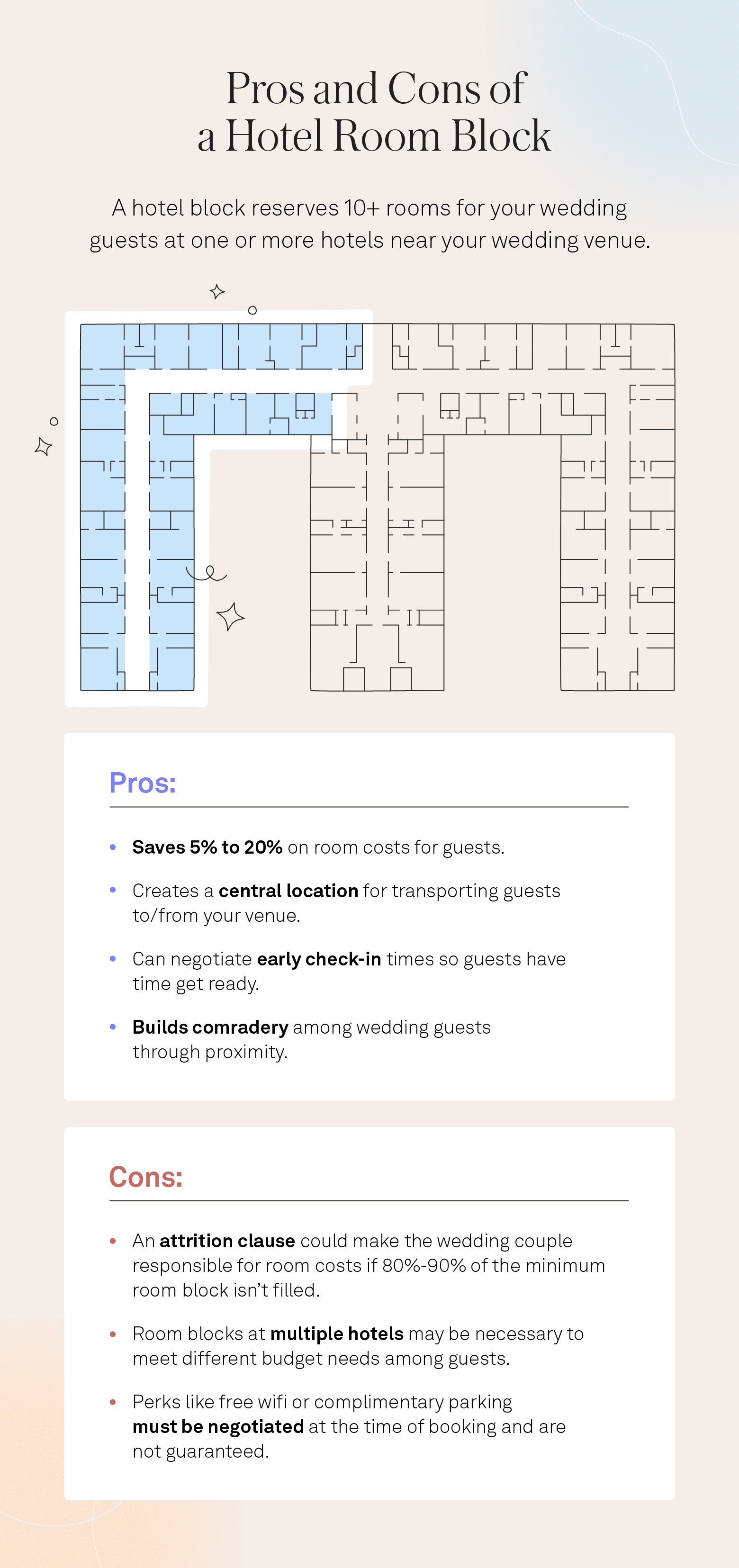
At its core, a hotel room block is a reservation of a set number of hotel rooms for a specific group of people for a defined period. Instead of each individual in the group booking their own room independently, a designated organizer – be it a wedding planner, a company representative, or a family member – negotiates with the hotel to secure these rooms together. This process streamlines booking, often leads to preferential rates, and ensures that the entire group stays at the same property, fostering a sense of togetherness and simplifying on-site coordination. The benefits extend beyond mere convenience; they can significantly impact the overall budget and the seamless execution of a large-scale event.
The Mechanics of Securing a Hotel Room Block
Initial Negotiation and Agreement
The journey to securing a hotel room block begins with reaching out to a hotel or a group of hotels in your desired location. The organizer will typically contact the hotel’s sales or group bookings department. During this initial phase, several crucial details are discussed and agreed upon.
1. Room Needs: The organizer must provide an estimate of the number of rooms required. This includes specifying the types of rooms needed (e.g., standard rooms, suites, rooms with specific amenities) and the expected occupancy per room. Hotels often have a minimum number of rooms required to constitute a “block,” which can vary by property and time of year.
2. Dates of Stay: Clear and precise dates are paramount. This includes arrival and departure dates for the entire group. If there’s flexibility in the dates, it’s beneficial to communicate this, as it might open up more favorable rates or availability.
3. Rates and Pricing: This is a cornerstone of the negotiation. Hotels will offer a special group rate, which is generally lower than the publicly advertised rates. This rate is often a flat price per room type, regardless of whether it’s occupied by one or two people. However, it’s important to clarify if there are any additional charges for extra occupants or specific room features. Sometimes, hotels might offer tiered pricing based on the number of rooms booked. The organizer should also inquire about any potential for complimentary rooms for organizers or speakers, especially for larger events.
4. Attrition and Pick-Up Rates: This is a critical and often misunderstood aspect of room blocks. An “attrition clause” in the contract outlines what happens if the group doesn’t “pick up” a certain percentage of the reserved rooms. Hotels, in essence, are setting aside inventory for your group, which they then can’t sell to other guests. To mitigate their risk, they will specify a “pick-up rate” – typically between 80% and 90% of the total block. If the group fails to book this minimum percentage of rooms by a predetermined deadline, they will be financially responsible for the unbooked rooms, known as “attrition fees.” Understanding this clause is vital to avoid unexpected costs. For instance, if a block of 100 rooms has an 85% pick-up rate, the group is responsible for 85 rooms. If only 80 rooms are booked, the group would owe for the remaining 5 rooms.
5. Deposit and Payment Terms: Hotels will require a deposit to secure the room block. The terms of payment for the remaining balance will also be outlined in the contract. This might involve partial payments leading up to the event or full payment upon arrival. It’s important to confirm who is responsible for the payment – individuals booking their own rooms directly, or the group organizer making a single consolidated payment.
6. Cut-off Date: A “cut-off date” is established. This is the last day individuals in the group can book their rooms under the agreed-upon group rate. After this date, any remaining unbooked rooms in the block are released back to the hotel’s general inventory and can be sold to the public. Rooms booked after the cut-off date may not be available at the group rate and might be significantly more expensive.
7. Amenities and Services: Organizers should also discuss any additional services that might be beneficial for the group, such as dedicated check-in areas, meeting room access, catering options, or transportation arrangements.
The Contract: Understanding the Fine Print
Once the terms are agreed upon, a formal contract will be drawn up by the hotel. It is imperative that the group organizer reads this contract thoroughly and understands every clause before signing. Key areas of focus include:
- Cancellation Policy: What are the penalties for canceling the entire block or a portion of it? Are there different penalties for cancellations made at various stages before the event?
- Attrition Clause Details: As mentioned earlier, this is critical. Ensure the pick-up rate and the definition of attrition fees are clearly understood.
- Rooming List Deadline: When does the hotel require the final list of names for each booked room?
- Concessions: These are benefits or perks offered by the hotel in exchange for booking the room block. They can include complimentary breakfast for the group, discounted parking, free Wi-Fi in meeting spaces, or even a complimentary suite for the organizer. The contract should clearly list all agreed-upon concessions.
- Liability: Who is responsible for damages caused by members of the group?
Why Use a Hotel Room Block? The Advantages
Opting for a hotel room block offers a multitude of advantages that go beyond simply booking multiple rooms. These benefits are particularly pronounced for larger gatherings.
Cost Savings and Predictability
One of the most significant draws of a room block is the potential for cost savings. Hotels are often willing to offer discounted group rates to secure a substantial number of rooms, ensuring a predictable revenue stream. This group rate is typically lower than what individuals could secure through online travel agencies or direct bookings, especially during peak seasons. Furthermore, having a fixed rate provides budget predictability, allowing organizers to accurately forecast accommodation expenses for the event. This is invaluable for managing budgets for weddings, conferences, or other group travel.

Convenience and Streamlined Booking
The process of booking individual rooms for a large group can be incredibly time-consuming and prone to errors. With a room block, a single point of contact at the hotel handles the reservations. The organizer then provides the hotel with a rooming list detailing who is assigned to each room. This significantly reduces the administrative burden. Individuals within the group often receive a dedicated booking link or phone number, making it easy for them to confirm their reservation under the group rate without needing to navigate complex booking systems. This streamlined approach minimizes confusion and ensures everyone is booked at the same property.
Ensuring Group Cohesion and Logistics
For events where proximity and togetherness are important, a room block guarantees that all attendees are housed at the same hotel. This is crucial for destination weddings at venues like the Waldorf Astoria Las Vegas, where guests want to easily connect and share experiences. For corporate events in cities like Orlando, where multiple venues might be involved, having everyone in one hotel simplifies transportation and social gatherings. It fosters a sense of community among attendees, making it easier to organize group activities, meetups, and shared meals. The convenience of having everyone in one location also simplifies communication and on-site management for the event organizers. Imagine coordinating meeting points or last-minute changes when your guests are scattered across multiple hotels – it’s a logistical nightmare.
Access to Special Amenities and Services
Hotels often provide additional perks or services when a room block is secured. These “concessions” can range from complimentary meeting space or A/V equipment for business events to discounted banquet services for wedding receptions. Some hotels may offer reduced parking fees, complimentary Wi-Fi throughout the property for the group, or even a dedicated concierge service. These added benefits can significantly enhance the overall experience for the group and further contribute to cost savings. For example, a group hosting an event at the Bellagio Las Vegas might negotiate for reduced rates at the hotel’s renowned restaurants or complimentary access to certain facilities.
Potential Pitfalls and How to Avoid Them
While hotel room blocks offer numerous advantages, there are potential pitfalls that can lead to unexpected costs and logistical headaches if not managed carefully. Understanding these risks and proactively addressing them is key to a successful group booking experience.
The Dangers of Attrition Fees
As previously discussed, the attrition clause is perhaps the most significant risk associated with room blocks. If the actual number of rooms booked by individuals in the group falls below the contracted “pick-up” percentage by the cut-off date, the group organizer (or the individuals, depending on the contract) will be held liable for the cost of the unbooked rooms. This can happen for various reasons:
- Overestimation of Needs: The initial estimate of required rooms might have been too high.
- Budget Constraints: Some attendees may find the group rate still too expensive for their personal budget, leading them to seek alternative, cheaper accommodation or to cancel their attendance altogether.
- Last-Minute Cancellations: Unforeseen circumstances can lead to individual cancellations, reducing the overall pick-up rate.
To mitigate this risk:
- Accurate Forecasting: Conduct thorough research and polling within the group to get the most accurate estimate of room needs. Consider the total number of attendees and their likely accommodation preferences.
- Flexible Contracts: Negotiate for the lowest possible pick-up percentage. While 85% is common, aiming for 80% or even lower can provide more breathing room.
- Clear Communication: Continuously communicate the cut-off date and the importance of booking within the block to all group members.
- Monitor Pick-Up: Regularly check the pick-up pace with the hotel in the weeks leading up to the cut-off date. If the pick-up is lagging, consider promotional efforts or adjustments to individual pricing if feasible.
- Backup Plans: Have a contingency plan for unbooked rooms. Can the hotel release them early to avoid attrition fees? Can you negotiate a partial release of rooms before the cut-off?
The Importance of a Clear Cut-off Date
The cut-off date is crucial for managing expectations and securing the group rate. If individuals in the group fail to book their rooms by this deadline, they forfeit the discounted rate. This can lead to frustration and dissatisfaction among attendees who may end up paying significantly more for their accommodation or facing the inconvenience of finding alternative lodging.
To avoid this issue:
- Prominent Communication: Make the cut-off date highly visible in all communications with the group. Include it on invitations, event websites, and email reminders.
- Early Booking Incentives: Consider offering small incentives for early bookings to encourage prompt reservations.
- Follow-Up Reminders: Send out reminder messages a week or two before the cut-off date to ensure no one misses the deadline.
Understanding Rooming Lists and Assignment
The rooming list, detailing which attendee is assigned to which room, needs to be managed carefully. Errors in the rooming list can lead to guests being assigned to the wrong rooms or even having their reservations disappear.
To ensure accuracy:
- Standardized Forms: Use a standardized form for collecting guest names and room assignments.
- Double-Checking: Implement a process for double-checking the rooming list for any inaccuracies or duplicate entries before submitting it to the hotel.
- Direct Communication: Encourage guests to confirm their reservation details with the hotel directly once the rooming list has been submitted, if possible.

The Nuances of Group Rates
While group rates are generally beneficial, it’s important to understand their structure. Typically, the rate is per room, not per person. This means that if a room is shared by two people, each person benefits from the discount, but the hotel still receives the agreed-upon room rate. Clarify if there are any “suite upgrades” or premium room options included in the block and how those are priced and allocated. Also, inquire about any mandatory resort fees or taxes that are not included in the advertised group rate, as these can add up. For a luxury experience at a place like the Four Seasons Resort Orlando at Walt Disney World Resort, understanding all associated costs is paramount.
By diligently addressing these potential pitfalls, organizers can navigate the complexities of hotel room blocks, ensuring a smooth, cost-effective, and enjoyable accommodation experience for their entire group.
LifeOutOfTheBox is a participant in the Amazon Services LLC Associates Program, an affiliate advertising program designed to provide a means for sites to earn advertising fees by advertising and linking to Amazon.com. Amazon, the Amazon logo, AmazonSupply, and the AmazonSupply logo are trademarks of Amazon.com, Inc. or its affiliates. As an Amazon Associate we earn affiliate commissions from qualifying purchases.