
Planning a trip to the Land of the Rising Sun often sparks the question: “How much are hotels in Japan?” This is a crucial detail for any traveler aiming to budget effectively and make informed accommodation choices. Japan, with its unique blend of ancient traditions and cutting-edge modernity, offers a diverse range of lodging experiences, from capsule hotels to luxurious ryokans and international chain hotels. The cost of your stay will depend on a multitude of factors, including the city you choose to visit, the time of year, the type of accommodation, and the level of luxury you desire.
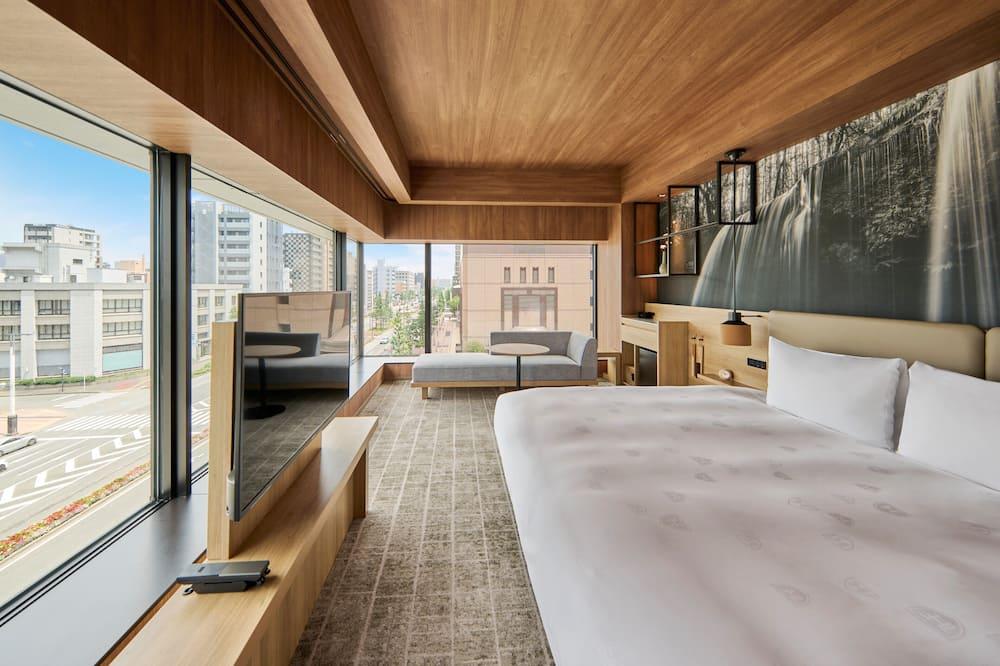
Understanding the Factors Influencing Hotel Prices in Japan
Before diving into specific price ranges, it’s essential to understand what drives the cost of hotels in Japan. A nuanced approach will help you navigate the market and secure the best value for your money.
Location, Location, Location
Just as in any country, location plays a significant role in determining hotel prices in Japan. Major metropolitan areas and popular tourist destinations will inevitably command higher rates.
Major Cities and Their Hotel Price Points
- Tokyo: As the bustling capital and a global hub, Tokyo hotels are generally the most expensive. The prime districts like Shinjuku, Shibuya, and Ginza offer the highest concentration of upscale hotels and command premium prices. Even budget options in these areas will be pricier than comparable accommodations in smaller cities. The convenience of being in the heart of the action comes at a cost. For instance, a business hotel in Shinjuku might start from ¥15,000 per night, while a luxury hotel in Ginza could easily exceed ¥50,000.
- Osaka: Osaka, Japan’s culinary capital and a vibrant commercial center, also boasts a lively hotel scene. While slightly more affordable than Tokyo, prices in central districts like Namba and Umeda remain significant. Expect to pay around ¥12,000 to ¥30,000 per night for a mid-range hotel.
- Kyoto: For those seeking historical charm and traditional Japanese culture, Kyoto is an unmissable destination. The city attracts a large number of tourists, especially during peak seasons like cherry blossom viewing in spring and autumn foliage. Hotels near major attractions like Kiyomizu-dera Temple or in the Gion district tend to be more expensive. Mid-range options can range from ¥13,000 to ¥25,000, with traditional ryokans often at the higher end.
- Sapporo: The capital of Hokkaido offers a different vibe, often associated with nature and winter sports. Hotel prices in Sapporo can be more variable, with a significant spike during winter months due to ski season and the famous Sapporo Snow Festival. Outside of peak times, you might find more competitive pricing, with mid-range hotels available from ¥10,000 to ¥20,000.
- Fukuoka: Located on the island of Kyushu, Fukuoka is a rapidly growing city with a relaxed atmosphere and excellent food scene. Hotel prices here are generally more affordable than in the larger metropolises, with mid-range options often available for ¥9,000 to ¥18,000 per night.
Rural and Less Populated Areas
Conversely, venturing outside the major cities and into more rural or less frequented areas can significantly reduce accommodation costs. Towns and villages nestled in the Japanese Alps or along coastal routes often feature charming guesthouses and smaller hotels with much lower price tags. Here, you might find comfortable lodging for as little as ¥7,000 to ¥15,000 per night.
Seasonality and Peak Travel Times
Japan experiences distinct seasons, each with its own appeal and, consequently, its own impact on hotel pricing. Understanding these peak periods is crucial for planning and budgeting.
Cherry Blossom Season (Spring)
The cherry blossom season, typically from late March to early April, is arguably the most beautiful and most popular time to visit Japan. The ephemeral beauty of the sakura blankets the country in pink, attracting tourists from all over the globe. During this period, demand for hotels skyrockets, leading to significantly inflated prices. Expect to pay a premium of 30-50% or even more for rooms in popular cherry blossom viewing spots like Kyoto, Tokyo, and Mount Fuji vicinity. Booking well in advance (6-12 months) is highly recommended.
Golden Week and Obon Festival
Golden Week, a cluster of national holidays in late April and early May, and the Obon Festival in mid-August are significant domestic travel periods in Japan. While Obon is a time for family reunions, many Japanese also take this opportunity for domestic travel. During these times, hotels, especially in popular leisure destinations and major cities, can be fully booked and prices can surge due to high demand from both domestic and international travelers.
Autumn Foliage
The autumn months, from October to November, offer another spectacular natural display with the vibrant changing leaves. Similar to the cherry blossom season, this period is highly sought after by tourists, particularly in regions known for their stunning autumn colors like Nikko and parts of Kyoto. Hotel prices will rise accordingly, though perhaps not as dramatically as during the cherry blossom peak.
Winter and Summer Holidays
While not as universally peak as spring and autumn, specific winter destinations like Hokkaido for skiing and snowboarding see significant price increases during the Christmas and New Year holidays. Similarly, summer, particularly July and August, can see a rise in prices in coastal resorts and areas popular for summer festivals. However, shoulder seasons, such as early spring before the cherry blossoms fully bloom or late autumn after the foliage has peaked, can offer a good balance of pleasant weather and more reasonable hotel rates.
Accommodation Types and Amenities
The type of accommodation you choose is a primary determinant of cost. Japan offers a spectrum of lodging options, each catering to different budgets and preferences.
Luxury Hotels and Resorts
For those seeking an opulent experience, Japan boasts world-class luxury hotels and resorts. Brands like The Ritz-Carlton, Four Seasons, Mandarin Oriental, and Park Hyatt offer impeccable service, exquisite dining, and prime locations. These establishments often feature premium amenities such as spas, fine-dining restaurants, and breathtaking city or natural views. Prices for a standard room in a luxury hotel in Tokyo or Kyoto can start from ¥50,000 and easily go upwards of ¥100,000 or more per night, especially for suites or rooms with exceptional views.
Business Hotels
Business hotels are a staple in Japan and offer a practical and comfortable mid-range option for both business and leisure travelers. They are typically located near train stations and business districts, offering essential amenities like clean rooms, en-suite bathrooms, Wi-Fi, and sometimes a small breakfast area. Brands like APA Hotel, Toyoko Inn, and Dormy Inn are well-known. Prices for business hotels generally range from ¥10,000 to ¥20,000 per night, offering good value for money.
Boutique Hotels and Independent Inns
Beyond the large chains, Japan has a growing number of stylish boutique hotels and charming independent inns that offer a more personalized and unique experience. These accommodations often focus on design, local character, and personalized service. Prices can vary widely, but you can expect to find options ranging from ¥15,000 to ¥40,000 per night, depending on the establishment’s prestige and location.
Traditional Ryokans
A stay in a ryokan, a traditional Japanese inn, is a quintessential cultural experience. Ryokans typically feature tatami mat floors, futon beds, communal baths (onsen), and elaborate multi-course dinners (kaiseki). They are often found in scenic locations or historic towns. The price of a ryokan stay can vary significantly based on its size, reputation, and the included meals. A mid-range ryokan might cost ¥20,000 to ¥40,000 per person per night (often including breakfast and dinner), while high-end ryokans can charge ¥50,000 to ¥100,000 or more.
Budget-Friendly Options: Hostels and Capsule Hotels
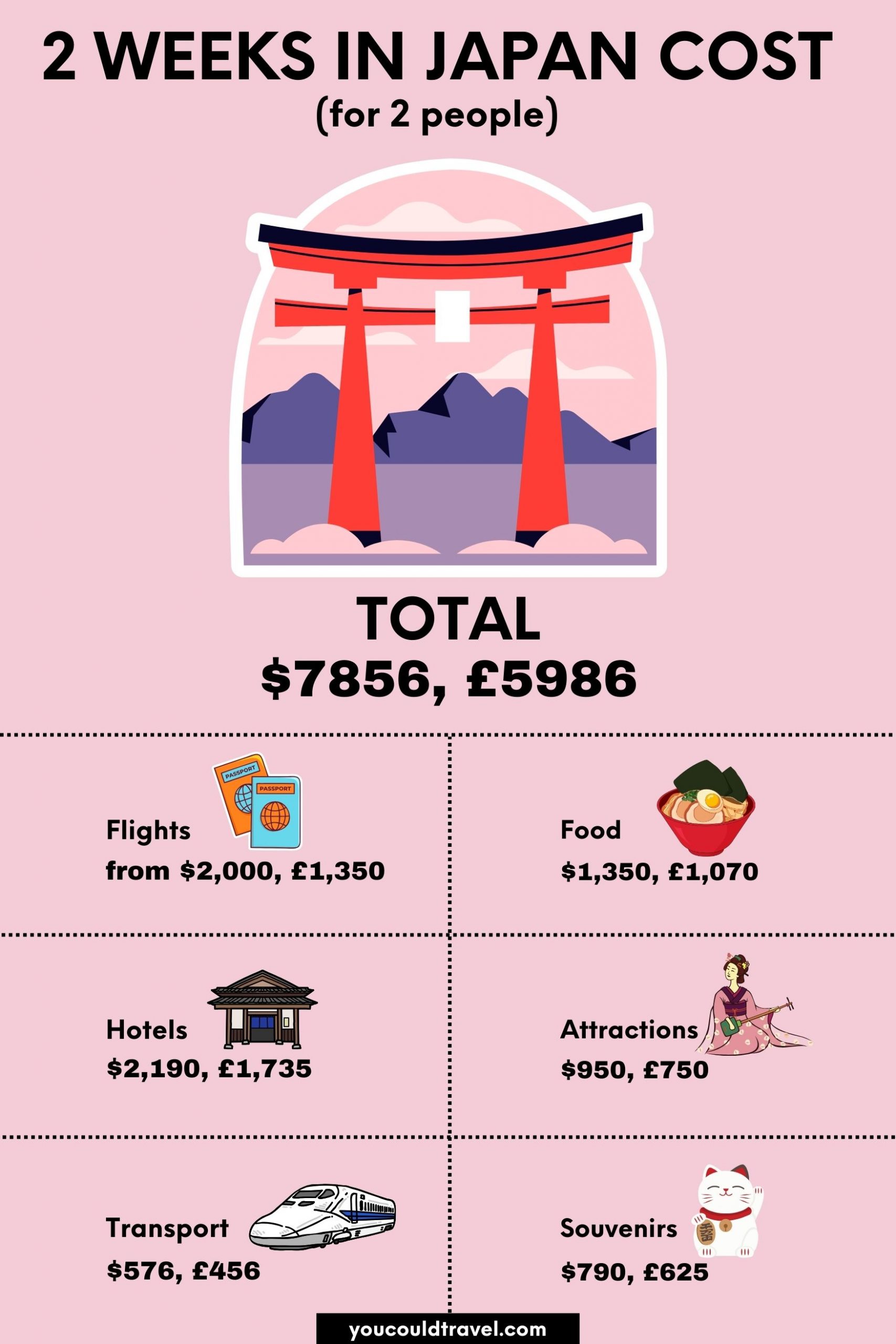
For travelers on a tighter budget, Japan offers excellent hostel and capsule hotel options.
- Hostels: Modern hostels are a great way to meet fellow travelers and are usually very clean and well-equipped with communal kitchens and lounges. Dorm beds can cost as little as ¥3,000 to ¥6,000 per night, while private rooms are also available at higher rates.
- Capsule Hotels: A unique Japanese invention, capsule hotels offer small, pod-like sleeping compartments stacked together. They are extremely efficient and provide basic amenities like a bed, TV, and shared bathroom facilities. Capsule hotels are incredibly cost-effective, with prices often ranging from ¥4,000 to ¥8,000 per night, making them an ideal choice for solo travelers or those prioritizing cost savings.
Amenities and Services
The presence and quality of amenities also influence hotel prices. Hotels offering extensive facilities such as swimming pools, fitness centers, spas, multiple dining options, and concierge services will generally be priced higher than those with more basic offerings. Free Wi-Fi, breakfast included, and on-site laundry facilities can add value, but their inclusion or exclusion will be factored into the nightly rate.
Typical Hotel Price Ranges in Japan (Per Night)
To give you a clearer picture, here’s a breakdown of typical price ranges for hotels in Japan, keeping in mind that these are estimates and can fluctuate:
Budget-Friendly (¥4,000 – ¥10,000)
- Capsule Hotels: (¥4,000 – ¥8,000) – Excellent for solo travelers prioritizing cost and basic comfort.
- Hostels (Dorm Beds): (¥3,000 – ¥6,000) – Social atmosphere, often with shared facilities.
- Budget Business Hotels: (¥8,000 – ¥10,000) – Basic, no-frills rooms, often in less central locations or slightly older buildings.
Mid-Range (¥10,000 – ¥25,000)
- Business Hotels: (¥10,000 – ¥20,000) – Comfortable, clean rooms with essential amenities, good for short stays and business travelers.
- Standard Hotels: (¥15,000 – ¥25,000) – Often 3-4 star hotels with more amenities, better locations, and larger rooms.
- Economy Hotels: (¥12,000 – ¥22,000) – A step up from budget, offering slightly more comfort and amenities.
Upper Mid-Range and Boutique (¥25,000 – ¥50,000)
- Higher-End Business Hotels & 4-Star Hotels: (¥25,000 – ¥40,000) – Superior comfort, better locations, and more services.
- Boutique Hotels: (¥25,000 – ¥50,000) – Unique designs, personalized service, often in trendy neighborhoods.
- Mid-Range Ryokans: (¥20,000 – ¥40,000 per person, incl. meals) – Authentic traditional experience.
Luxury (¥50,000+)
- Luxury Hotels & Resorts: (¥50,000 – ¥100,000+) – World-class service, prime locations, extensive amenities, and top-tier comfort.
- High-End Ryokans: (¥50,000 – ¥100,000+ per person, incl. meals) – Exclusive traditional inns with exceptional service, cuisine, and private onsen facilities.
Tips for Finding Affordable Accommodation in Japan
Securing a great hotel deal in Japan is achievable with a bit of strategy and flexibility. Here are some practical tips to help you manage your accommodation budget without compromising on experience:
Book in Advance
As mentioned earlier, especially during peak seasons like cherry blossom season, Golden Week, and autumn foliage, booking your accommodation well in advance is paramount. For popular destinations and high-demand periods, booking 6-12 months ahead is not uncommon for securing good rates and availability. This also gives you access to a wider range of options before they sell out.
Consider Shoulder Seasons
Traveling during the shoulder seasons – the periods just before or after the peak tourist times – can offer a significant saving. For example, late March or early May, or early October can provide pleasant weather with fewer crowds and more competitive hotel prices compared to the absolute peak of spring or autumn.
Explore Different Accommodation Types
Don’t limit yourself to traditional hotels. Japan offers a diverse range of lodging that can cater to various budgets.
- Apartment Rentals: Platforms like Airbnb can offer cost-effective solutions, especially for longer stays or for families and groups, providing more space and kitchen facilities. Prices can vary greatly but often offer competitive rates compared to hotels for equivalent space.
- Guesthouses (Minshuku): These are smaller, family-run inns that offer a more intimate and often more affordable alternative to ryokans.
- Business Hotels: As discussed, these offer excellent value for money and are widely available in all major cities.
Utilize Booking Comparison Websites
Websites like Booking.com, Agoda, Expedia, and Hotels.com can be invaluable tools for comparing prices across different hotels and platforms. They often have filters for amenities, star ratings, and guest reviews, helping you find the best fit for your needs and budget. Remember to also check the hotel’s direct website, as sometimes they offer better deals or packages.
Stay Slightly Outside the City Center
Hotels located directly in the heart of major tourist districts or business hubs will almost always be more expensive. Consider staying in neighborhoods that are a short train or subway ride away from the main attractions. Many Japanese cities have excellent public transportation networks, making it easy and affordable to commute from a slightly more peripheral location. For example, in Tokyo, staying in areas like Ueno or Ikebukuro can be more affordable than staying in Shinjuku or Ginza, while still offering excellent connectivity.
Look for Package Deals
Sometimes, booking your flight and hotel together as a package deal can result in savings. Travel agencies and online travel sites often offer discounted rates when booking these components simultaneously.
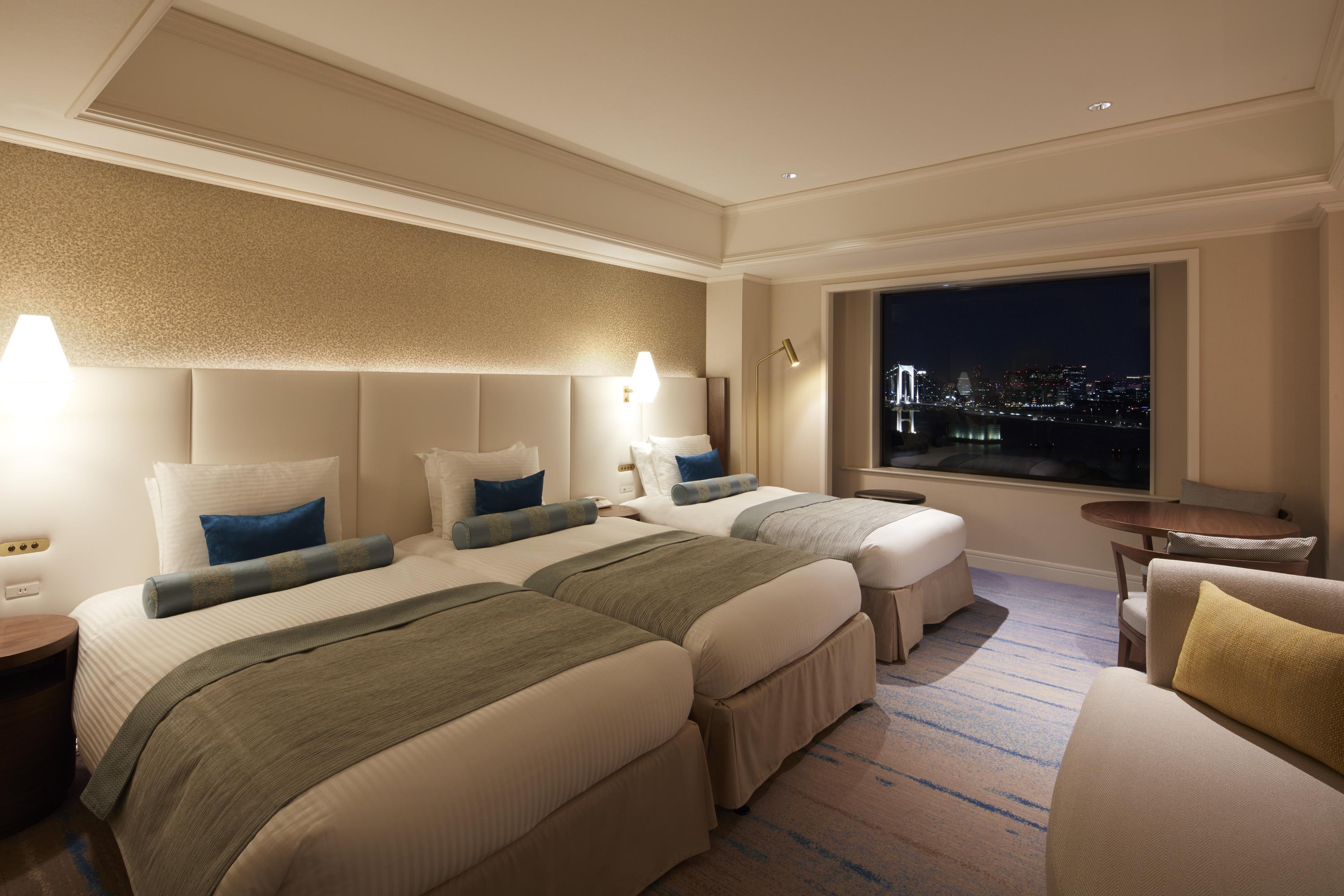
Be Flexible with Dates
If your travel dates are flexible, try to avoid weekends and national holidays. Hotel prices are often higher on Fridays and Saturdays, and during public holidays, demand surges. Being able to travel mid-week or outside of major holiday periods can lead to noticeable savings.
By understanding the factors that influence hotel prices and employing these strategic tips, you can effectively budget for your accommodation in Japan and ensure a memorable and enjoyable trip without breaking the bank. Whether you’re seeking the serene elegance of a traditional ryokan or the modern convenience of a city hotel, there’s an option to suit every traveler’s needs and budget.
LifeOutOfTheBox is a participant in the Amazon Services LLC Associates Program, an affiliate advertising program designed to provide a means for sites to earn advertising fees by advertising and linking to Amazon.com. Amazon, the Amazon logo, AmazonSupply, and the AmazonSupply logo are trademarks of Amazon.com, Inc. or its affiliates. As an Amazon Associate we earn affiliate commissions from qualifying purchases.