
Planning a trip to the dazzling, vibrant, and utterly unforgettable city of Las Vegas can be an exhilarating experience. The sheer variety of entertainment, dining, and accommodation options can sometimes feel overwhelming, but perhaps one of the most crucial questions for any traveler is: “How much are hotels in Vegas?” The answer, as you might expect, is not a single figure but rather a spectrum, influenced by a multitude of factors including the time of your visit, the type of hotel you desire, and the specific events gracing the Las Vegas Strip.
To truly answer this question comprehensively, we need to delve into the intricacies of hotel pricing in this unique destination. It’s not just about the nightly rate; it’s about understanding the value, the amenities, and the overall experience each establishment offers. Whether you’re dreaming of a lavish suite with panoramic views of the illuminated skyline or a comfortable, budget-friendly room that serves as a perfect base for exploration, Las Vegas has something for everyone. This guide aims to demystify hotel costs, providing you with the insights needed to budget effectively and choose the ideal accommodation for your unforgettable adventure.
Understanding the Factors That Influence Hotel Prices in Las Vegas
The cost of a hotel room in Las Vegas is a dynamic entity, constantly shifting in response to a complex interplay of market forces and seasonal trends. Understanding these driving factors is key to securing the best possible rates and making informed decisions about your stay.
1. Timing is Everything: Peak Seasons and Off-Peak Travel
The most significant determinant of hotel prices in Las Vegas is the time of year you choose to visit. The city experiences distinct peak seasons and off-peak periods, each with its own associated pricing.
High Demand Periods
During major holidays, conventions, and significant sporting events, hotel rates can skyrocket. For instance, the period around New Year’s Eve is notoriously expensive, as Las Vegas transforms into one of the world’s premier party destinations. Similarly, major conventions like the Consumer Electronics Show (CES) in January or the World of Concrete can draw tens of thousands of attendees, filling hotels and driving up prices. Sporting events, especially championship games or major boxing matches held at venues like the MGM Grand Garden Arena or the Allegiant Stadium, also see a surge in demand and, consequently, in hotel rates. Other popular times include spring break, the weeks leading up to and including Halloween, and during major music festivals or concerts.
Mid-Tier Demand Periods
Beyond the absolute peak, there are periods of consistently high demand. The spring and fall months, generally from March to May and September to November, are often considered prime tourist seasons. The weather is pleasant, and the city is alive with activity. During these times, you can expect moderate to high prices, especially on weekends.
Low Demand Periods (Off-Peak)
Conversely, certain times of the year offer the best value. The summer months, particularly July and August, can see slightly lower rates, although the extreme heat deters some visitors. Weekdays, as opposed to weekends, also consistently offer more affordable options across the board. If your travel dates are flexible, aiming for a weekday stay during the off-peak season can lead to substantial savings. Tuesdays and Wednesdays are often the cheapest days to book a room.
2. Location, Location, Location: The Strip vs. Off-Strip
The iconic Las Vegas Strip is the epicenter of the city’s glitz and glamour, and consequently, hotels located directly on or within a short walk of the Strip command premium prices. These resorts often feature world-class casinos, celebrity-chef restaurants, elaborate entertainment venues, and lavish amenities, all contributing to their higher cost. Staying on the Strip offers unparalleled access to the most famous attractions, such as the Bellagio Fountains, the Eiffel Tower at Paris Las Vegas, and the vibrant nightlife.
However, venturing just a few blocks off the Strip can lead to significant savings. Many excellent hotels are located on parallel streets or in downtown areas like Fremont Street, offering competitive prices without sacrificing comfort or quality. These off-Strip options often cater to a different clientele or cater to those who prefer a slightly quieter atmosphere while still being a short taxi or rideshare away from the main action. Some may even offer better value for money in terms of room size and amenities for the price. For budget-conscious travelers or those seeking a more local experience, exploring off-Strip accommodations is a wise strategy.
3. Hotel Tier and Star Rating: From Budget to Luxury
Las Vegas boasts an astonishing range of hotels, from no-frills motels to opulent, five-star resorts. The star rating and general tier of the hotel are direct indicators of the price you can expect to pay.
Luxury Resorts
At the pinnacle of Las Vegas accommodation are the luxury resorts. These establishments, often featuring names like Bellagio, Wynn Las Vegas, Encore at Wynn Las Vegas, and The Venetian, offer the highest level of service, exquisite decor, spacious suites, fine dining, and exclusive amenities such as designer boutiques, private pools, and world-class spas. Prices for these top-tier hotels can range from $300 to $1,000+ per night, with suites and premium rooms reaching even higher figures, especially during peak times.
Mid-Range Hotels
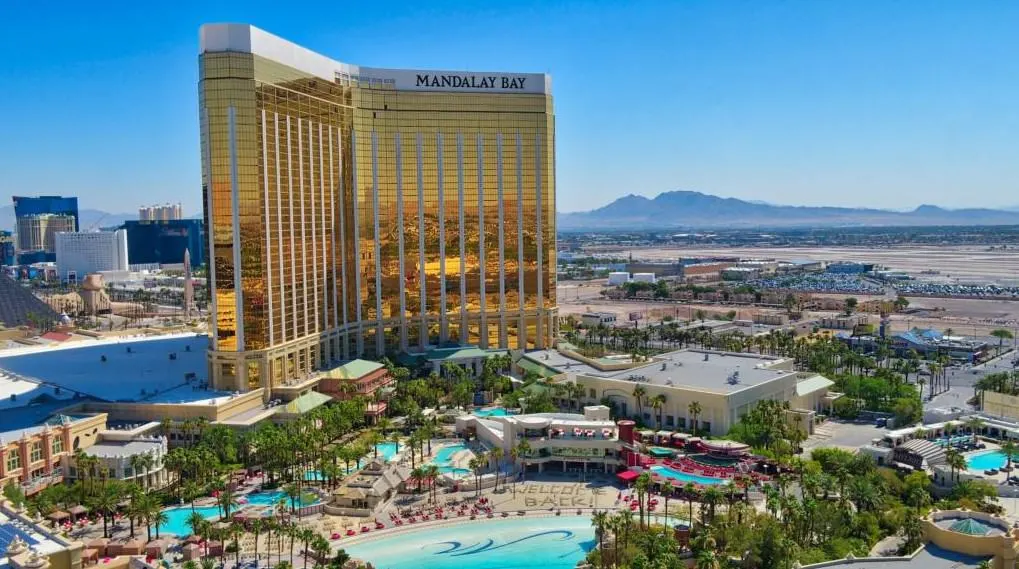
The majority of visitors will find themselves in the mid-range category. These hotels, which include well-known brands like MGM Grand Hotel & Casino, Caesars Palace, The Cosmopolitan of Las Vegas, and Mandalay Bay, offer a good balance of comfort, amenities, and price. You can expect comfortable rooms, on-site dining options, swimming pools, and access to the hotel’s casino and entertainment. Nightly rates for mid-range hotels typically fall between $100 and $300, with significant fluctuations based on the factors previously discussed.
Budget-Friendly Options
For travelers prioritizing budget, Las Vegas still offers viable options. These might include older, well-maintained hotels on the Strip that have been around for years, or newer, more modern hotels located off the Strip or in areas like downtown. While they may lack the extravagant amenities of their luxury counterparts, they provide clean, comfortable, and safe accommodations. Prices for budget-friendly hotels can start as low as $40-$80 per night, particularly during off-peak seasons and on weekdays. It’s important to note that “budget” in Las Vegas can still mean a decent room in a well-regarded establishment, especially when booked in advance or during promotional periods.
4. Resort Fees and Additional Charges
A crucial aspect of understanding hotel costs in Las Vegas that often catches first-time visitors by surprise is the ubiquitous resort fee. These mandatory daily charges, typically ranging from $35 to $50 per night (plus tax), are added to your bill regardless of whether you utilize the included amenities.
What Do Resort Fees Cover?
Resort fees are designed to cover the costs of various on-site facilities and services that guests may use. These commonly include:
- Wi-Fi access: While many hotels offer basic Wi-Fi, resort fees often cover higher-speed or in-room internet.
- Fitness center access: Use of the hotel’s gym and health club facilities.
- Pool and sundeck access: Entry to the hotel’s swimming pools and recreational areas.
- In-room amenities: This might include complimentary bottled water, local calls, or access to certain in-room entertainment systems.
- Printing services: Basic business center services.
- Valet or self-parking: Increasingly, parking is included in the resort fee, though some hotels still charge separately for it, especially for overnight stays.
Hidden Costs to Consider
Beyond the resort fee, other potential charges can add to your overall expenditure. These include:
- Parking fees: As mentioned, even with a resort fee, some hotels charge extra for parking, especially for longer stays or if you opt for valet service.
- Taxes: Las Vegas hotel taxes are substantial and will be added to your final bill, increasing the quoted room rate significantly.
- Food and beverages: While some rooms might include a coffee maker, most dining and drinking will incur additional costs.
- Entertainment and attractions: Tickets to shows, theme park entries, and tours are separate expenses.
- Gratuities: Tipping is customary for housekeeping, bellhops, and other service staff.
When comparing hotel prices, always factor in the resort fee and estimated taxes to get a true picture of the nightly cost.
Navigating Hotel Categories and Amenities
Las Vegas hotels are not just places to sleep; they are destinations in themselves, offering a vast array of experiences and amenities tailored to diverse traveler needs. Understanding these categories can help you pinpoint the perfect stay that aligns with your lifestyle and expectations.
1. The Mega-Resorts: Entertainment Hubs
The hallmark of the Las Vegas Strip is its collection of mega-resorts. These sprawling complexes are more than just hotels; they are self-contained cities offering everything from world-class gambling and dazzling live shows to gourmet dining and extensive shopping.
Iconic Properties
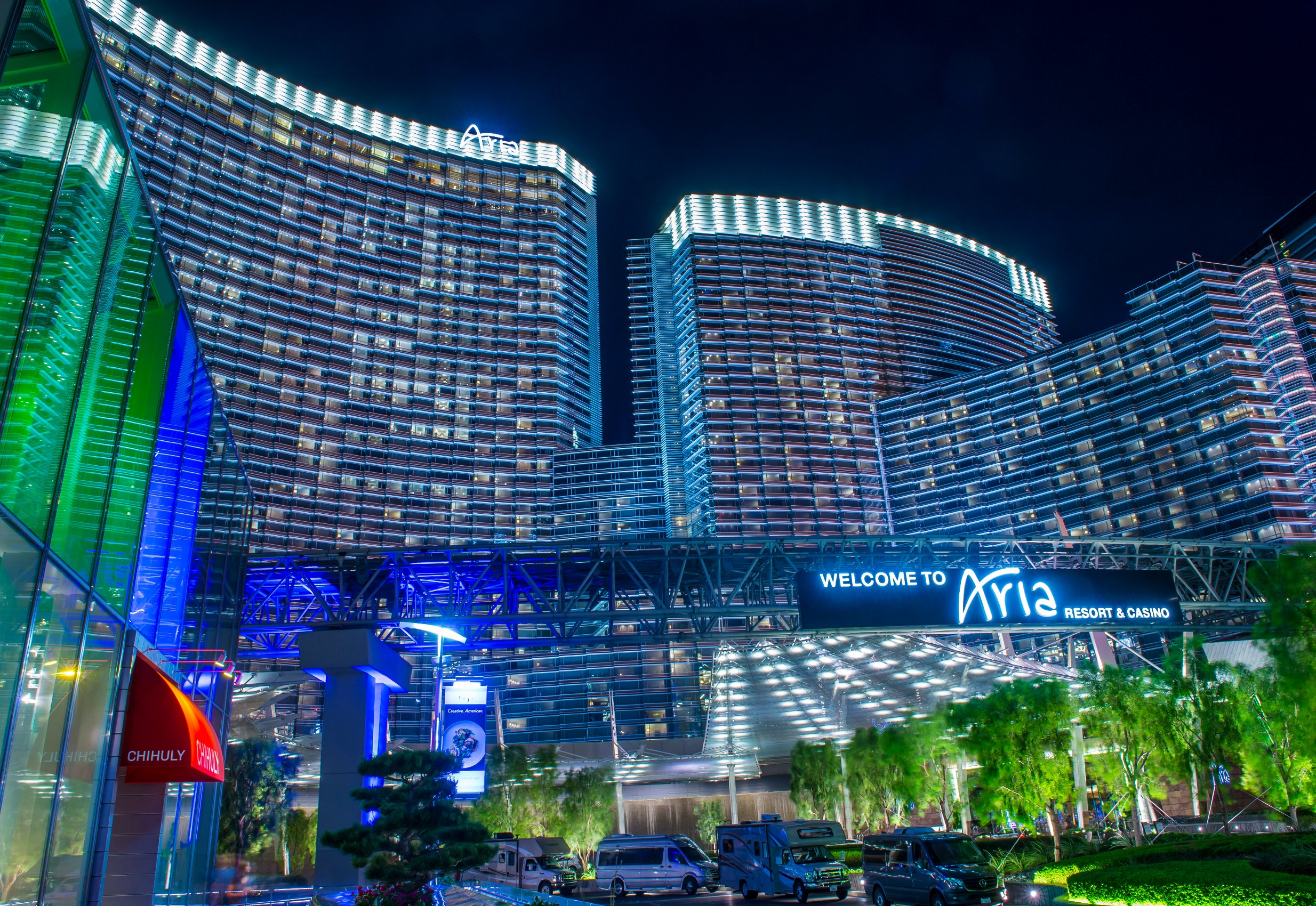
Hotels like The Bellagio, famous for its mesmerizing water shows, The Venetian, with its canals and gondolas, and The Cosmopolitan of Las Vegas, known for its contemporary luxury and vibrant nightlife, represent the pinnacle of the mega-resort experience. These properties often feature thousands of rooms, extensive casino floors, multiple swimming pools, expansive spas, and a curated selection of restaurants from celebrity chefs.
Amenities to Expect
When booking a mega-resort, you can anticipate a wide range of amenities designed to keep you entertained and pampered:
- Casinos: State-of-the-art gaming floors with a vast selection of slot machines, table games, and poker rooms.
- Shows and Entertainment: Residencies by world-renowned artists, Broadway-style productions, comedy clubs, and intimate lounges.
- Dining: From casual eateries to Michelin-starred restaurants, offering diverse culinary experiences.
- Pools and Spas: Elaborate pool complexes, some with dayclubs and lazy rivers, alongside luxurious spa facilities offering a range of treatments.
- Shopping: High-end boutiques and brand-name stores are often integrated into the resort.
- Convention Facilities: Many mega-resorts also boast extensive convention centers, attracting business travelers.
The prices at these resorts reflect their scale and the breadth of their offerings, typically placing them in the mid-range to luxury segments.
2. Boutique Hotels: Intimate Luxury and Unique Experiences
While the mega-resorts dominate the landscape, Las Vegas also offers a growing selection of boutique hotels. These establishments provide a more intimate, personalized experience, often focusing on unique design, specialized services, and a more curated atmosphere.
The Appeal of Boutique Stays
Boutique hotels often appeal to travelers seeking an escape from the overwhelming scale of the mega-resorts. They might feature fewer rooms, allowing for more attentive service, and often boast distinct themes or architectural styles. Examples might include hotels that prioritize art, music, or a specific culinary focus.
What Sets Them Apart
Key differentiating factors of boutique hotels include:
- Unique Design and Decor: Each hotel typically has its own distinct aesthetic, often reflecting local culture or a specific artistic vision.
- Personalized Service: With fewer guests, staff can often provide more tailored and attentive service.
- Exclusive Amenities: While they may not have the sheer volume of amenities of a mega-resort, boutique hotels often offer high-quality, curated experiences, such as artisanal bars, rooftop pools with stunning views, or avant-garde dining options.
- Location: Boutique hotels can be found both on and off the Strip, sometimes in quieter neighborhoods or historic districts, offering a different perspective on the city.
Prices for boutique hotels can vary widely, but they often fall into the mid-range to luxury categories, with the cost reflecting the exclusivity and unique experience they provide.
3. Suites and Villas: Elevated Comfort and Privacy
For those seeking an elevated level of comfort, space, and privacy, Las Vegas offers an impressive array of suites and villas. These accommodations are perfect for families, groups, or travelers who desire a more residential feel and premium amenities.
Types of Suites
From expansive one-bedroom suites to multi-story penthouses with private terraces and plunge pools, the options are vast. Many hotels on the Strip have dedicated floors or wings for their premium suites, offering exclusive access and enhanced services.
- One- and Two-Bedroom Suites: These offer separate living and sleeping areas, often with larger bathrooms and enhanced furnishings.
- Penthouses and Presidential Suites: These are the epitome of luxury, featuring multiple bedrooms, spacious living and dining areas, full kitchens, private balconies with spectacular views, and sometimes even dedicated butler service.
Villas: The Ultimate in Seclusion
For the ultimate in privacy and exclusivity, villas offer a self-contained living experience, often within the grounds of larger resorts. These can range from smaller private residences to grand estates with multiple bedrooms, private pools, and dedicated staff. They are ideal for larger groups or those seeking unparalleled privacy.
Associated Costs
The cost of suites and villas naturally reflects their size, amenities, and exclusivity. While standard suites might start in the low hundreds of dollars per night, top-tier penthouses and villas can easily command prices ranging from $1,000 to $10,000 or more per night, especially during major events. Booking these accommodations often involves direct consultation with the hotel and can include customized packages.
Budgeting for Your Vegas Adventure: Tips and Strategies
Making the most of your Las Vegas trip involves savvy budgeting, and understanding how to find value is paramount. Whether you’re aiming for a luxury travel experience or a budget travel adventure, there are strategies to help you stretch your dollar without compromising on enjoyment.
1. Booking in Advance and Leveraging Deals
The golden rule of securing good hotel rates in Las Vegas, as with many travel destinations, is to book as far in advance as possible. This is especially true if you are traveling during peak seasons or for major events. Early booking often grants access to better room selections and potentially lower introductory rates.
Proactive Booking Strategies
- Set Price Alerts: Many travel websites and booking platforms allow you to set price alerts for specific hotels or dates. You’ll be notified when prices drop, enabling you to snag a deal.
- Consider Package Deals: Sometimes, booking your flight and hotel together as a package can offer significant savings compared to booking them separately. Many travel agencies and online travel agencies (OTAs) specialize in these bundles.
- Sign Up for Hotel Loyalty Programs: Joining loyalty programs for major hotel chains like MGM Rewards, Caesars Rewards, or Marriott Bonvoy can unlock exclusive discounts, free nights, and other perks. Accumulating points can lead to free stays or upgrades.
- Look for Promotions and Flash Sales: Hotels in Las Vegas frequently run promotions, especially during the slower months. Keep an eye on their official websites and social media channels for flash sales, discount codes, or special offers.
- Third-Party Booking Sites: While booking directly with the hotel can sometimes offer advantages, comparison websites like Expedia, Booking.com, and Hotels.com can be excellent tools for comparing prices across multiple properties and finding competitive rates.
2. Exploring Beyond the Strip for Accommodation
As previously mentioned, the allure of the Las Vegas Strip is undeniable, but staying off-Strip can unlock significant savings. This is a key strategy for budget travel enthusiasts.
Downtown Las Vegas and Nearby Areas
Downtown Las Vegas, centered around Fremont Street, offers a more classic, retro vibe with its own set of casinos and hotels. While it may not have the sheer scale of the Strip’s mega-resorts, it provides a vibrant atmosphere and often much lower room rates. Many of these hotels, such as the Golden Nugget Hotel & Casino, are historic landmarks in their own right.
Furthermore, consider hotels located a few miles off the Strip. These might be in areas like Summerlin or other surrounding communities. While you’ll need to factor in transportation costs (taxis, rideshares, or a rental car), the savings on accommodation can often outweigh these expenses, especially for longer stays. These areas can also offer a more relaxed and local atmosphere, providing a different facet of the Las Vegas experience.
3. Smart Spending on Amenities and Dining
Once you’ve secured your accommodation, managing your spending on amenities and dining will further contribute to your overall budget.
Maximizing Included Amenities
- Utilize Resort Fees Wisely: Since resort fees are mandatory, make an effort to take advantage of what they cover. Use the gym, enjoy the pool, and take advantage of the included Wi-Fi.
- Pack Accordingly: If your resort fee includes gym access, pack your workout gear. If it includes coffee, bring your favorite mug.
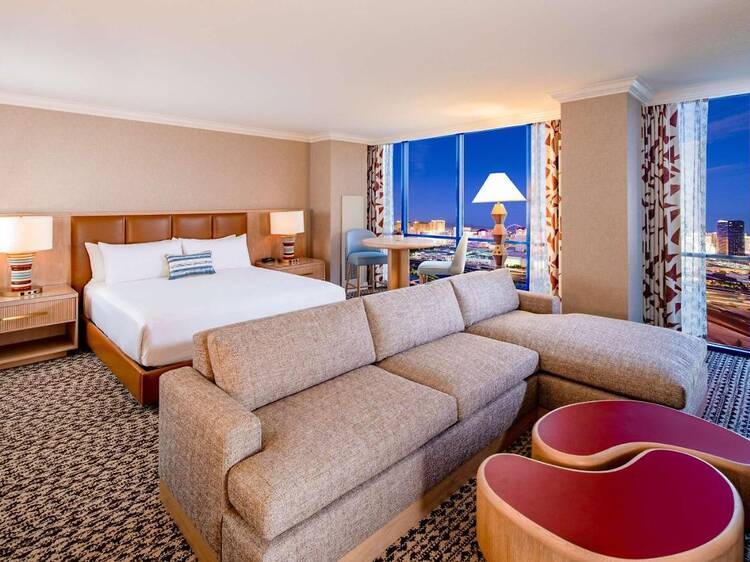
- Consider Room Type: If you plan on having breakfast in your room or bringing snacks, consider a room with a mini-fridge or even a kitchenette if available.
Dining on a Budget
Las Vegas is renowned for its high-end dining, but it also offers numerous affordable and delicious options.
- Happy Hour Deals: Many restaurants and bars offer excellent happy hour specials on drinks and appetizers, which can serve as a light meal.
- Buffets: While some of the legendary Las Vegas buffets have closed, many still offer a vast array of food at a fixed price, allowing you to sample various cuisines.
- Food Courts and Casual Eateries: Most resorts have food courts with diverse options ranging from fast food to more gourmet casual dining.
- Off-Strip Dining: Venture off the Strip to find local gems and ethnic restaurants that offer incredible food at much lower prices.
- Pack Snacks and Drinks: Bringing your own snacks and a reusable water bottle can save money on impulse purchases within casinos and tourist areas.
By implementing these budgeting strategies, you can ensure that your Las Vegas hotel stay, and indeed your entire trip, is both enjoyable and financially manageable, allowing you to experience the magic of this unique city without breaking the bank.
LifeOutOfTheBox is a participant in the Amazon Services LLC Associates Program, an affiliate advertising program designed to provide a means for sites to earn advertising fees by advertising and linking to Amazon.com. Amazon, the Amazon logo, AmazonSupply, and the AmazonSupply logo are trademarks of Amazon.com, Inc. or its affiliates. As an Amazon Associate we earn affiliate commissions from qualifying purchases.