
When considering a journey to Oregon in 2024, the question of whether it’s a “red” or “blue” state often arises, particularly for those interested in understanding the local culture, lifestyle, and overall travel experience. While political affiliations certainly paint a picture of a state’s ideological leanings, for the discerning traveler, this distinction offers a fascinating lens through which to explore Oregon’s diverse landscapes, vibrant cities, charming towns, and unique attractions. Rather than a simple binary, Oregon presents a rich tapestry of perspectives, where progressive urban hubs meet conservative rural expanses, each contributing to an unforgettable travel adventure.
From the rugged coastline and majestic mountains to the high desert and fertile valleys, Oregon’s geography is as varied as its political leanings. This internal diversity profoundly shapes the tourism infrastructure, the types of accommodations available, the local culinary scene, and the overall vibe you’ll encounter. Understanding these nuances allows visitors to tailor their itineraries, whether seeking cutting-edge cultural experiences, serene outdoor adventures, or a blend of both.
Understanding Oregon’s Political Tapestry Through a Traveler’s Lens
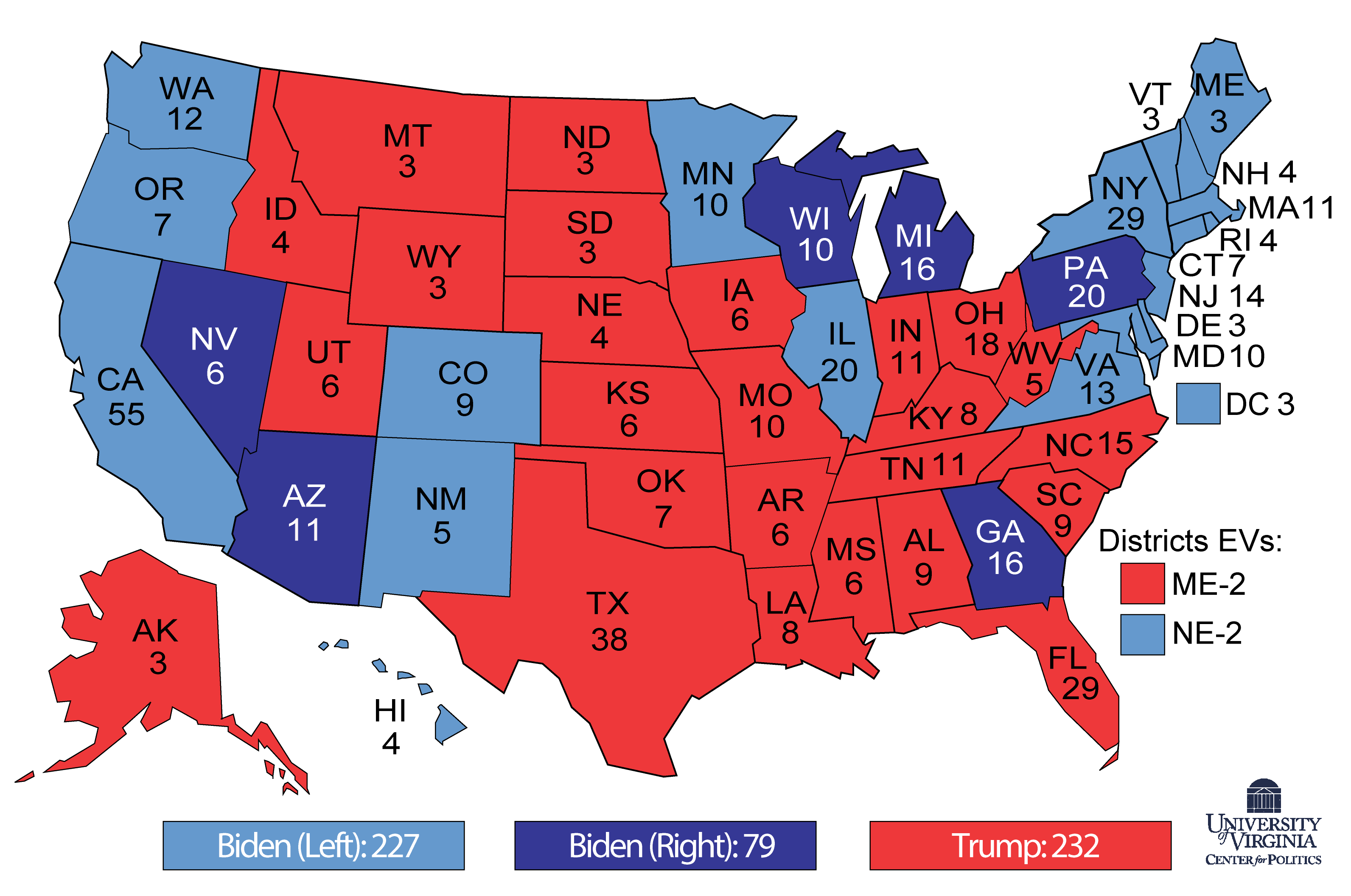
Oregon’s political landscape is often simplified to a statewide “blue” designation due to its consistent Democratic presidential votes. However, a closer look reveals a significant geographic divide that directly impacts the traveler’s experience. The densely populated western corridor, particularly the Willamette Valley, tends to be overwhelmingly progressive, while the vast eastern and southern regions of the state often lean conservative. This dichotomy isn’t just about voting patterns; it influences everything from the local art scene and dining options to the predominant outdoor activities and community values.
The Urban Blue: Progressive Hubs and Cultural Hotspots
The heart of Oregon’s “blue” identity resides in its major metropolitan areas, most notably Portland and Eugene. These cities are renowned for their progressive policies, strong emphasis on sustainability, thriving arts and culture scenes, and inclusive communities. For travelers, this translates into a unique urban experience characterized by innovation and individuality.
In Portland, often celebrated for its “Keep Portland Weird” ethos, you’ll discover a culinary landscape brimming with farm-to-table restaurants, innovative food carts, and a plethora of craft breweries and distilleries. Independent boutiques line the streets, and attractions like Powell’s City of Books offer hours of exploration. The city’s commitment to eco-friendliness is evident in its extensive public transportation system and numerous green spaces. Accommodation options range from chic boutique hotels, often housed in historic buildings, to luxurious establishments like The Nines, a Luxury Collection Hotel, Portland, which emphasize modern design and sustainable practices. Lifestyle here leans towards creative expression, community engagement, and a generally laid-back, yet sophisticated, urban vibe.
Eugene, home to the University of Oregon, shares much of Portland’s progressive spirit but with a slightly more relaxed, college-town atmosphere. It’s a mecca for outdoor enthusiasts and advocates for environmental causes, reflected in its organic food movement and focus on recreational activities along the Willamette River. Travelers will find numerous parks, cycling paths, and a vibrant local arts scene. Hotels and accommodations in Eugene often cater to a mix of academic visitors, sports fans, and nature lovers, offering a range from comfortable inns to modern hotels with eco-conscious amenities.
The Rural Red: Conservative Values Amidst Natural Beauty
Venturing beyond the urban centers, particularly into eastern and southern Oregon, reveals a different political and cultural landscape. Here, the values often lean conservative, rooted in a strong sense of community, agricultural heritage, and a deep connection to the land. Towns like Klamath Falls in the south or communities dotted across the high desert near Bend (though Bend itself is a growing blue pocket with a strong outdoor recreation focus) exemplify this “redder” Oregon.
These areas attract travelers seeking rugged outdoor adventures, tranquility, and an escape from city life. Activities commonly enjoyed include fishing, hunting, hiking, horseback riding, and exploring vast national forests and wilderness areas. The hospitality tends to be more traditional, with a focus on genuine, down-to-earth interactions. You might find family-run motels, rustic cabins, and lodges perfectly integrated into the natural environment. These accommodations often serve as gateways to some of Oregon’s most stunning natural landmarks, such as Crater Lake National Park or the Wallowa Mountains. The local cuisine often features hearty, home-style meals, emphasizing local produce and ranching traditions. The lifestyle is generally more focused on self-reliance, community events, and a strong appreciation for the outdoors.

How Political Climate Shapes Oregon’s Tourism and Lifestyle
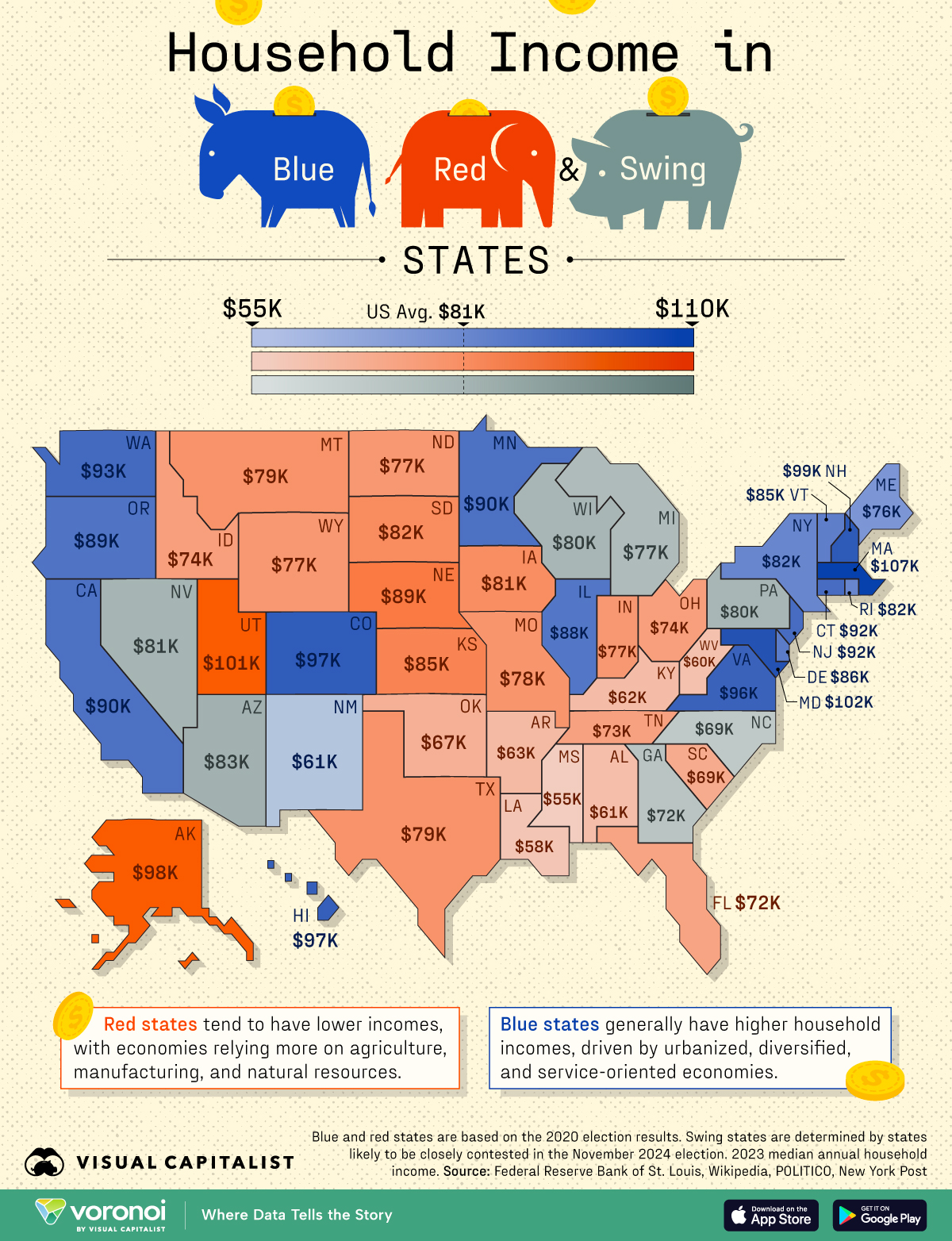
The political leanings across Oregon are not merely electoral statistics; they fundamentally shape the state’s tourism offerings, local lifestyles, and the overall visitor experience. This internal diversity is, in fact, one of Oregon’s greatest strengths, providing a spectrum of experiences for every type of traveler.
Lifestyle and Local Culture: Diverse Experiences for Every Traveler
In Oregon’s “blue” regions, particularly Portland, the lifestyle embraces innovation, artistic expression, and social consciousness. This translates into a vibrant cultural scene with diverse art galleries, live music venues, independent theaters, and a strong emphasis on plant-based and international cuisines. Travelers can immerse themselves in unique events, from quirky festivals to serious discussions on environmental sustainability. The accommodation sector in these areas often features hotels with modern amenities, co-working spaces, and a focus on design and technology, catering to both leisure and business travelers seeking an experience that aligns with their progressive values. Even specific attractions like Voodoo Doughnut, known for its unconventional approach, reflect this ethos.
Conversely, the “red” areas foster a lifestyle deeply connected to the land and traditional values. Here, local culture often revolves around agricultural fairs, rodeos, community potlucks, and a strong sense of neighborly support. Outdoor recreation is not just a pastime but a way of life, with fishing, hunting, and exploring national forests being core activities. For travelers, this offers an authentic glimpse into rural American life, where hospitality might come in the form of a warm welcome at a local diner or advice from a park ranger. Accommodation in these regions might include historic lodges, cabins, or family-owned ranches that offer a more rustic, immersive experience, often with direct access to natural landmarks and outdoor activities.
Despite these differences, there are many unique Oregon experiences that transcend political divides. The majestic Oregon Coast, for instance, with iconic spots like Cannon Beach and its famous Haystack Rock, draws visitors from all walks of life, united by the sheer beauty of the Pacific Ocean. Similarly, the world-renowned Willamette Valley Wine Country offers exquisite tastings and scenic tours, appealing to connoisseurs and casual visitors alike, irrespective of their political leanings. These shared natural and cultural treasures remind us that Oregon’s appeal is multifaceted and inclusive.
Economic Impact on Accommodation and Attractions
The political and cultural landscape also has a tangible economic impact on Oregon’s tourism and accommodation sectors. “Blue” urban areas tend to attract significant investment in luxury hotels, boutique properties, and innovative hospitality concepts. Portland’s thriving tech industry and burgeoning culinary scene, for example, fuel demand for high-end suites and modern amenities, often with a focus on sustainability and local sourcing. The emphasis on public art and cultural institutions also drives tourism, attracting visitors interested in contemporary art, music, and performance.
In contrast, “red” rural areas often rely on different types of tourism. The focus here is frequently on outdoor recreation, agritourism, and heritage tourism. This leads to investments in state parks, outdoor resorts, RV parks, and a greater number of vacation rentals like cabins or chalets. Small businesses, often family-owned, play a crucial role in providing services and accommodations. Government policies, such as those related to land use, resource management, and environmental protection, can differ significantly between these regions, impacting the types of tourism development permitted and encouraged. For instance, stricter environmental regulations in blue areas might encourage eco-tourism and sustainable lodging, while land use policies in redder, resource-dependent areas might support hunting lodges or recreational vehicle parks.
Navigating Oregon’s Diverse Landscapes: Tips for Travelers
Understanding Oregon’s political and cultural mosaic is not about choosing a side, but rather appreciating the breadth of experiences available. For travelers, this nuanced view allows for a richer, more informed journey through a state that truly offers something for everyone.
Embracing the Full Oregon Experience
To truly grasp the essence of Oregon, travelers are encouraged to explore beyond the confines of a single region. A road trip is an ideal way to experience the state’s dramatic shifts in scenery and culture. Start in the vibrant, progressive city of Portland, soaking in its unique urban charm, then head west to the rugged Oregon Coast for breathtaking natural beauty. From there, venture east into the high desert near Bend, a hub for outdoor adventure, and continue towards the more traditional, agricultural communities of eastern Oregon.
Consider driving a portion of the Pacific Coast Scenic Byway for unparalleled coastal views, or embark on a wine-tasting tour through the Willamette Valley. For adventurers, a trip to Mount Hood offers year-round recreation, from skiing to hiking. No matter where you go, remember that local customs and values vary, and respecting these differences will enhance your travel experience. Engage with locals, try regional foods, and be open to different perspectives.
Planning Your Stay: Accommodation Choices Across the Spectrum
Given Oregon’s diversity, accommodation options are plentiful and varied, catering to every preference and budget. In cities like Portland and Eugene, you’ll find a wide array of choices, from luxury hotels and boutique suites to trendy hostels and modern apartments available for short-term stays. These urban accommodations often boast amenities like rooftop bars, gourmet restaurants, and easy access to cultural attractions.
As you move into more rural areas, the options shift towards cozy bed and breakfasts, charming lodges near natural parks, rustic cabins, and even glamping sites that offer a unique blend of nature and comfort. Resorts catering to specific outdoor activities, such as those near ski areas like Mount Hood Meadows or fishing destinations, are also common. For those seeking extended stays or a more immersive experience, vacation rentals like villas or homes can be found throughout the state. It’s always advisable to book your accommodation in advance, especially during peak travel seasons or for specific events, to ensure you secure the perfect base for your Oregon adventure.
In conclusion, Oregon in 2024 is best described not as a monolithic “red” or “blue” state, but as a vibrant mosaic of both. Its political leanings are geographically diverse, creating distinct cultural, lifestyle, and tourism experiences across its regions. For the curious traveler, this inherent contrast is an invitation to explore a state rich in natural beauty, innovative urban centers, and genuine small-town charm. By embracing the full spectrum of what Oregon has to offer, from its progressive cities to its conservative countryside, visitors can discover a truly unique and unforgettable journey that transcends simple political labels, revealing the heart of a truly dynamic American state.
LifeOutOfTheBox is a participant in the Amazon Services LLC Associates Program, an affiliate advertising program designed to provide a means for sites to earn advertising fees by advertising and linking to Amazon.com. Amazon, the Amazon logo, AmazonSupply, and the AmazonSupply logo are trademarks of Amazon.com, Inc. or its affiliates. As an Amazon Associate we earn affiliate commissions from qualifying purchases.