
Navigating the world of travel often involves a myriad of practical questions, and one that frequently arises, particularly for younger travelers or those planning trips for them, is about the minimum age requirement for checking into a hotel. This seemingly simple question can have significant implications for your travel plans, from booking accommodation to ensuring a smooth check-in process. While the answer might appear straightforward, several factors influence this age limit, ranging from legal regulations to individual hotel policies. Understanding these nuances is crucial for any traveler to avoid unexpected issues and ensure a pleasant stay.

The primary reason for an age requirement at hotels is to ensure legal and contractual capacity. Individuals under a certain age are generally considered minors, lacking the legal standing to enter into contracts, such as a hotel booking agreement. This contract involves financial responsibility for the room, any damages incurred, and adherence to hotel rules and regulations. Therefore, hotels implement an age restriction to protect themselves from potential legal liabilities and financial losses.
The Universal Age Threshold: 18 Years Old
In most parts of the world, including the United States, the United Kingdom, and many other countries, the age of majority is 18. This means that individuals who have reached their 18th birthday are legally considered adults and are typically permitted to check into a hotel room without an adult present. They can sign the registration card, provide a valid form of identification, and assume responsibility for the booking. This aligns with the age at which individuals can vote, enter into employment contracts, and make other significant legal decisions.
However, it’s important to note that this is a general rule, and exceptions can and do exist. Some hotels, particularly those that cater to a younger demographic or offer amenities like bars or casinos, may have a higher minimum age requirement. Conversely, some establishments, like certain hostels or budget accommodations, might have policies that are more flexible, though this is less common for traditional hotel check-ins.
Why the Minimum Age? Legal and Financial Responsibility
The core of the age requirement lies in the legal and financial responsibilities associated with a hotel stay. When you check into a hotel, you are entering into a legally binding agreement. This agreement stipulates that you will:
- Pay for the room: This includes the nightly rate, taxes, and any additional charges.
- Abide by hotel policies: This covers rules regarding noise, smoking, guest limits, and the use of hotel facilities.
- Be responsible for damages: If any damage occurs to the room or hotel property during your stay, you are liable for the cost of repairs or replacement.
- Indemnify the hotel: You agree to protect the hotel from any claims or liabilities arising from your conduct or that of your guests.
Minors, by definition, do not possess the full legal capacity to enter into such contracts. Their assets are typically managed by parents or legal guardians, and they cannot be held fully responsible for financial obligations in the same way an adult can. Therefore, hotels set an age minimum to ensure that the person signing the registration and accepting these responsibilities is legally capable of doing so.
Variations in Age Requirements: Beyond the Standard 18
While 18 is the widely accepted minimum age, several factors can lead to variations in hotel age policies. These variations are often driven by the hotel’s target audience, the type of establishment, and the specific location’s legal landscape.
Higher Age Limits for Specific Establishments
Some hotels, particularly those that are more upscale or cater to an adult-oriented clientele, may enforce a higher minimum age. This is often the case for establishments that feature:
- Bars and Lounges: Hotels with on-site bars or lounges may have a minimum drinking age requirement for access to these areas, which can sometimes translate to a higher check-in age.
- Casinos: Resorts that include casinos will adhere to gambling laws, which typically set the minimum age for participation much higher than 18.
- Adults-Only Areas: Some hotels designate certain floors or wings as adults-only, and the check-in age may reflect this policy.
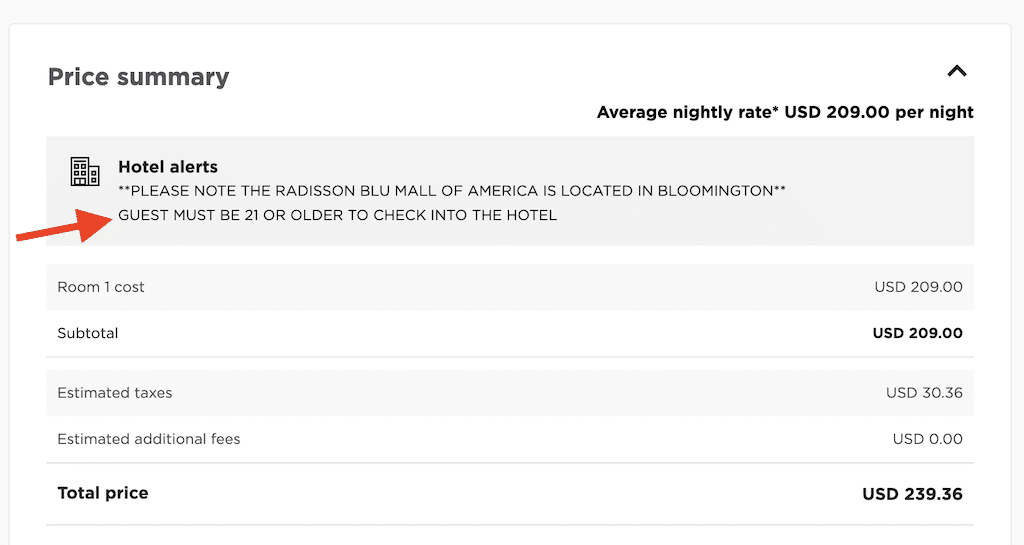
- Luxury Resorts: High-end resorts, such as certain properties in Las Vegas or Miami, might set their minimum age at 21 to align with the drinking age in the United States and to ensure a more mature guest profile. This is also common in regions where the legal drinking age is 21.
When planning a trip to such destinations or specific resorts, it’s essential to verify their check-in age policy in advance. For example, if you’re a group of 19-year-olds planning a celebratory trip to a resort in Orlando, you might find that while you can book a room, you might need one or more individuals in the group to be 21 or older to complete the check-in process.
Lower Age Limits: Hostels and Budget Accommodations
In contrast to establishments with higher age limits, some types of accommodation might have more flexible policies, although these are less common for traditional hotels. Hostels, for instance, are often geared towards younger travelers and backpackers. While many hostels will still require guests to be 18 to book and stay independently, some may have specific dormitories or private rooms designated for younger travelers, perhaps with an accompanying adult for those under 16. However, it’s crucial to distinguish between checking into a private room in a hostel and booking a bed in a shared dormitory, as policies can differ.
Budget hotels or guesthouses in certain regions might also have slightly more lenient age requirements, but again, this is not a widespread trend. The fundamental legal and financial responsibilities remain, making it rare for hotels to permit check-ins from individuals significantly younger than 18 without parental or guardian accompaniment.
Traveling with Minors: Parent or Guardian Requirements
When traveling with children or younger teenagers, the age requirement for check-in takes on a different dimension. The law generally presumes that a parent or legal guardian is accompanying and responsible for minors. Therefore, if a minor is traveling with an adult who is legally responsible for them, the age at which they can check in is less of a concern than the adult’s ability to book and pay for the room.
However, hotels often have specific policies regarding minors, even when accompanied. These can include:
- Identification for Minors: While not always mandatory, some hotels may request proof of age for children, especially if they appear to be nearing the age of majority.
- Consent Forms: In cases where a minor is traveling with someone other than their parent or legal guardian (e.g., grandparents, aunts, or uncles), the hotel might require a notarized letter of consent from the absent parent or guardian. This form typically authorizes the accompanying adult to make decisions for the minor during their stay, including consenting to hotel policies and medical emergencies.
- Room Occupancy Limits: Hotels have strict rules about the maximum number of people allowed in a room for safety and fire code reasons. This applies to families traveling with children as well.
- Accompanying Adult: If a minor is traveling with adults who are not their parents or legal guardians, the hotel may require one of the adults to be at least 21 years old, even if the minor themselves meets the check-in age requirement. This is to ensure a responsible adult is present.
For example, if a 16-year-old is traveling with their grandparents to New York City to visit attractions like the Empire State Building, the grandparents, being adults, would be the ones to check in. The 16-year-old would not typically be the primary registrant. However, if a group of friends, one of whom is 17 and traveling without an adult family member, attempts to book a room at a hotel in Hollywood, they would likely be denied check-in unless accompanied by an adult, or if one member of the group is 18 or older and willing to take full responsibility for the reservation.

Practical Tips for a Smooth Hotel Check-In
To ensure a hassle-free experience, especially when traveling with younger individuals, it’s always best to be prepared and proactive. Here are some practical tips:
- Check the Hotel’s Policy in Advance: Before booking, visit the hotel’s official website or call their reservations department directly. Ask specifically about their minimum check-in age requirement and any additional policies regarding minors or groups of young adults. This is especially important if you are booking at a Marriott, Hilton, or independent hotel, as policies can vary even within the same brand.
- Have Identification Ready: Ensure all adults in the party have valid, government-issued photo identification, such as a driver’s license or passport. For minors, while not always required, having a birth certificate or school ID can sometimes be helpful, particularly if there’s any ambiguity about their age or relationship to the accompanying adult.
- Understand the Registration Process: The person checking in must be prepared to provide their identification, credit card for incidentals, and sign the registration card. If a minor is traveling with an adult, the adult will be the primary registrant.
- Be Aware of Group Policies: Many hotels have specific policies for groups, especially those composed of younger travelers. These might include requirements for a security deposit, stricter rules, or designated chaperones.
- Consider Alternative Accommodations: If the hotel’s age policy poses a challenge, explore alternative accommodation options such as vacation rentals through platforms like Airbnb, or family-friendly resorts that may have more flexible arrangements.
- Communicate Clearly: If you are a young adult traveling with friends, and one of you is 18 or older, designate that person as the primary booker and registrant. Ensure they understand they are fully responsible for the booking. If you are a parent traveling with a teenager, clearly communicate that you will be handling the check-in process.
By being informed and prepared, travelers can confidently navigate the age requirements for hotel check-ins, ensuring a comfortable and enjoyable stay, whether exploring the vibrant streets of Tokyo, relaxing on the beaches of the Bahamas, or experiencing the historical charm of Rome. The key is to always confirm the specific policies of the hotel you intend to book.
LifeOutOfTheBox is a participant in the Amazon Services LLC Associates Program, an affiliate advertising program designed to provide a means for sites to earn advertising fees by advertising and linking to Amazon.com. Amazon, the Amazon logo, AmazonSupply, and the AmazonSupply logo are trademarks of Amazon.com, Inc. or its affiliates. As an Amazon Associate we earn affiliate commissions from qualifying purchases.