
For many modern travelers, vaping has become an integral part of their daily routine. As you journey across cities and continents, the question inevitably arises: how does one responsibly and discreetly vape within the confines of a hotel room? This isn’t just a matter of personal preference; it delves into a complex interplay of hotel policies, guest etiquette, technological considerations, and even international legal frameworks. Navigating this landscape requires a thoughtful approach, balancing individual habits with the comfort and property rights of the accommodation provider and fellow guests.
Hotels, by their very nature, are shared spaces where diverse individuals converge. Ensuring a pleasant and respectful environment for everyone is paramount. While the vapor from e-cigarettes differs significantly from traditional tobacco smoke, its presence can still raise concerns regarding air quality, lingering odors, and potential damage to furnishings. This guide aims to provide a professional, insightful, and engaging exploration into the nuances of vaping in a hotel room, offering practical advice for the conscientious traveler.
Understanding Hotel Policies and Potential Repercussions
The first and most critical step before considering vaping in any hotel room is to thoroughly understand the establishment’s specific policies. These policies are designed to protect the hotel’s assets, ensure guest comfort, and comply with local regulations. Ignorance is rarely an excuse when it comes to potential penalties.
Decoding “Smoke-Free” Policies: Vaping vs. Smoking
The vast majority of modern hotels, particularly in destinations like New York City or London, proudly advertise themselves as “smoke-free” environments. This designation traditionally referred to tobacco cigarettes. However, with the rise of vaping, many establishments have broadened their definitions to include e-cigarettes, vape pens, and other electronic nicotine delivery systems. The rationale often stems from concerns about residual odors, potential activation of smoke detectors, and the general principle of maintaining pristine air quality for all guests.
It’s common for hotel websites, booking confirmations, or front desk signage to explicitly state whether vaping is permitted. If the policy isn’t immediately clear, a polite inquiry at check-in can save a significant amount of trouble later. Do not assume that “smoke-free” means “vape-friendly.” Many global chains, such as Marriott International, Hilton Worldwide, and Accor, have comprehensive policies that treat vaping much like traditional smoking, largely prohibiting it indoors.
The Financial Implications of Policy Violations
Ignoring hotel policies regarding vaping can lead to substantial financial penalties. Hotels often impose hefty cleaning fees, sometimes ranging from $250 to $500 or more, to cover the cost of deep cleaning and deodorizing a room that has been exposed to vapor. This isn’t merely to remove the scent; hotels aim to prevent future guests from detecting any lingering residue, ensuring their experience is untainted. These charges are typically clearly outlined in the guest agreement signed at check-in or posted prominently in the room.
Beyond cleaning fees, triggering a fire alarm due to vaping can lead to even more severe consequences. Depending on local regulations, false alarms might incur fines from emergency services, which the hotel could pass on to the guest. Furthermore, repeated or blatant disregard for rules could lead to eviction from the property without a refund, potentially impacting future bookings with the same hotel group. Understanding these potential costs underscores the importance of adherence to stated policies.
Navigating International Hotel Chains: A Global Perspective
The policies of international hotel chains can vary subtly by region, even under the same brand umbrella. For instance, while a Hyatt Hotels Corporation property in Tokyo might have very strict no-vaping rules in line with Japan’s broader cultural sensitivity to smoking indoors, a resort property in a more lenient jurisdiction might offer designated outdoor vaping areas. Travelers must be aware that local laws can also dictate hotel policies. Countries like Thailand and Singapore have outright bans on the import and use of e-cigarettes, making any attempt to vape illegal, regardless of hotel rules. Therefore, a global perspective on hotel chains necessitates checking both brand policy and local legal frameworks for your specific destination.
Practical Strategies for Discreet Vaping
If a hotel’s policy permits vaping or has explicitly designated areas, exercising discretion remains key. For those moments when adherence to the rules is paramount, yet personal habits are sought to be maintained, thoughtful execution is essential to minimize impact and avoid inconvenience for others.
Ventilation Techniques: Windows, Balconies, and Bathroom Fans
Effective ventilation is arguably the most crucial strategy for discreet vaping. If your room has an openable window or, ideally, a private balcony, this provides the best opportunity for vapor dissipation. Step out onto the balcony or lean out the window, ensuring the vapor disperses into the open air and not back into the room or towards neighboring rooms. If only a window is available, opening it wide and directing vapor directly out can help.
Inside the room, the bathroom fan can be a surprisingly effective tool. Many hotel bathrooms are equipped with powerful exhaust fans designed to remove humidity and odors. Vaping while the bathroom fan is running, with the door closed, can draw much of the vapor out of the room’s circulating air. However, it’s vital to ensure the fan is genuinely an exhaust system and not merely a circulation fan. Even with a fan, keep the session short and allow ample time for the air to clear before opening the bathroom door.
Device and E-Liquid Choices for Minimal Impact
The type of vaping device and e-liquid used can significantly affect discretion. Smaller, lower-power devices (like pod systems or mouth-to-lung setups) typically produce less visible vapor compared to high-wattage, direct-to-lung sub-ohm tanks. Less vapor means less to dissipate and a lower chance of detection. Similarly, e-liquids with a higher Propylene Glycol (PG) content tend to produce less dense vapor than those with a high Vegetable Glycerin (VG) content.
Flavor profiles also play a role. Strong, sweet, or fruity e-liquid flavors can leave a more noticeable and longer-lasting scent than milder, unflavored, or tobacco-flavored options. Choosing lighter, less aromatic e-liquids can contribute significantly to maintaining a low profile and minimizing residual odors that might be noticeable to housekeeping or subsequent guests.
The Role of Air Purifiers and Odor Neutralizers
While not a foolproof solution, portable air purifiers designed to capture airborne particles and odors can offer an additional layer of discretion. These devices can help filter out residual vapor and associated scents from the room’s atmosphere. Look for models with activated carbon filters, which are effective at absorbing odors.
Odor neutralizers and sprays can also be employed, but they should be used judiciously. Unlike air fresheners that merely mask odors, true neutralizers chemically break down scent molecules. However, relying solely on these can be risky, as they might not fully eliminate all traces, and some hotel staff are highly attuned to these types of cover-ups. Using them after thorough ventilation and minimizing vapor production is the most responsible approach, rather than as a primary concealment method.
Addressing Smoke Detector Concerns
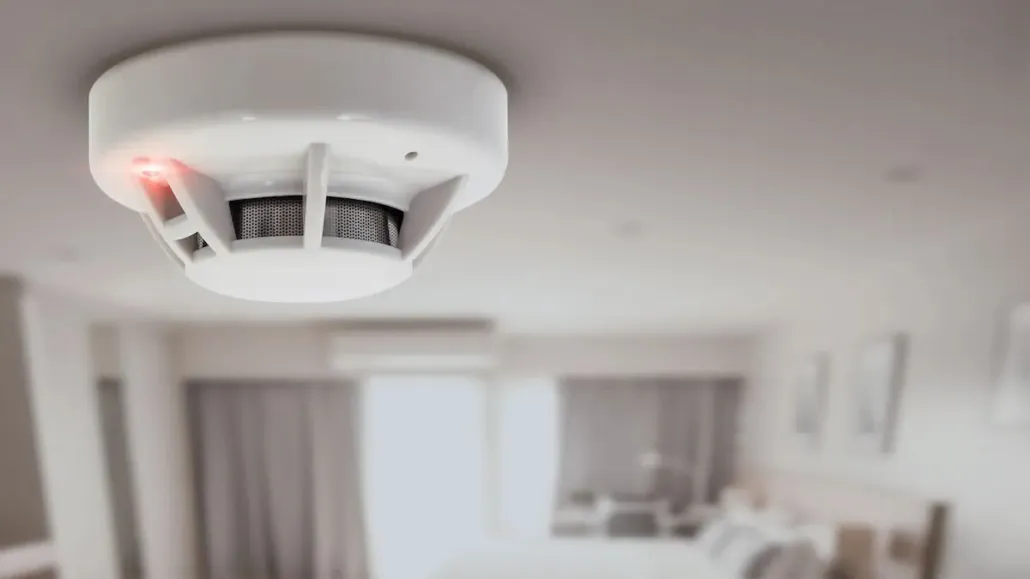
One of the primary concerns for anyone considering vaping in a hotel room is the potential to trigger the smoke detector. Understanding how these devices work and how they interact with vapor is crucial to avoiding costly and embarrassing false alarms.
Types of Smoke Detectors and Vapor Sensitivity
Hotel rooms are typically equipped with one of two main types of smoke detectors: photoelectric or ionization.
- Photoelectric detectors work by sensing a disruption in a beam of light inside the chamber. They are highly sensitive to larger particles, like those found in traditional cigarette smoke or dense vapor, which can scatter the light beam. These are more prone to being triggered by vapor.
- Ionization detectors contain a small amount of radioactive material that ionizes the air between two electrically charged plates. Smoke particles disrupt this current, triggering an alarm. While generally more sensitive to fast-flaming fires, they can also be activated by vapor, particularly dense clouds.
It’s difficult for a guest to determine which type of detector is installed. Therefore, the safest assumption is that any significant amount of vapor could potentially activate the alarm, leading to a disruption for the entire hotel, emergency services response, and hefty fines.
Best Practices to Avoid Accidental Alarms
Given the sensitivity of smoke detectors, the best practice is to always assume they will react to vapor. If you must vape within the room (and it’s permitted by hotel policy), minimize vapor production as much as possible, as discussed with device and e-liquid choices. Always vape directly out of an open window or on a balcony, ensuring the vapor drifts entirely away from the room. Never direct vapor towards the ceiling or near the detector.
Using the bathroom exhaust fan can also help, as long as the bathroom door is closed, creating a contained space where vapor is immediately extracted. However, even then, excessive vapor might escape the bathroom and interact with detectors in the main room or even in the hallway if the bathroom fan isn’t powerful enough. The most cautious approach is always to vape only in designated outdoor areas or to abstain entirely while indoors.
The Consequences of Triggering an Alarm
Triggering a hotel fire alarm is not a minor inconvenience. It immediately alerts hotel staff and often local fire departments. Guests in hundreds of rooms might be forced to evacuate, causing widespread disruption and potential panic. When the fire department arrives and determines it was a false alarm caused by a guest, the hotel can face significant fines, which they will almost certainly pass directly to the guest responsible. These fines, coupled with potential cleaning fees and the overall negative impact on the hotel’s operations and reputation, can lead to charges running into thousands of dollars. Beyond the financial aspect, it creates a highly unfavorable impression, potentially leading to a ban from the hotel chain and being listed as an undesirable guest.
Maintaining Etiquette and Respect for Fellow Guests and Hotel Property
Beyond policies and detectors, a significant aspect of vaping in a hotel room revolves around basic etiquette and respect for the shared environment, the hotel staff, and other travelers.
The Nuance of Residual Odors and Lingering Vapor
While many vapers claim their vapor is “odorless,” this is rarely true, especially to non-vapers or those with sensitive noses. E-liquid flavors, particularly sweet or dessert-like profiles, can leave a distinctive scent that lingers in soft furnishings, curtains, and carpets. Even if the vapor itself dissipates quickly, the aromatic compounds can settle. This is particularly problematic for housekeeping staff who must prepare the room for the next guest, or for the subsequent guest who might find the residual smell unpleasant or even triggering, especially if they have allergies or sensitivities. The goal should always be to leave the room exactly as you found it, free from any personal traces.
Respecting Shared Spaces: Hallways and Common Areas
The “hotel room” isn’t an isolated bubble; it’s part of a larger ecosystem that includes hallways, lobbies, elevators, and dining areas. Vaping in these shared common areas is almost universally prohibited, often with the same strictness as smoking. Even a seemingly discreet puff in a hallway can waft into other rooms, alert staff, or simply be offensive to other guests passing by. Respect for these communal zones is non-negotiable. If a hotel has designated outdoor smoking/vaping areas, these are the only appropriate spaces outside of your room.
The Importance of Communication and Transparency
When in doubt, open communication with hotel staff is always the best approach. If you’re unsure about a policy, or if you have specific needs, asking at the front desk is far better than making assumptions. Some hotels might offer specific rooms or floors where certain activities are more tolerated, or they might provide clear guidance on designated outdoor areas. Being transparent and respectful of their rules demonstrates good faith and can prevent misunderstandings or costly penalties. Conversely, attempting to hide vaping activities can erode trust and exacerbate any issues if caught.
Ethical Considerations and Responsible Vaping While Traveling
Responsible travel extends to all personal habits, including vaping. Understanding the broader implications ensures a harmonious experience for everyone involved.
Weighing Personal Liberty Against Collective Comfort
The debate around vaping often centers on personal liberty versus public health and comfort. While an individual may feel they have the right to vape, especially within a space they’ve paid for, this right is often subject to the broader hotel policy and the comfort of the collective. A hotel’s primary business is to provide a comfortable, clean, and safe environment for all its guests. If one guest’s actions infringe upon another’s comfort or potentially damage property, the hotel has a right, and indeed a responsibility, to intervene. Ethical vaping means recognizing this balance and prioritizing the collective well-being and the hotel’s operational needs.
Navigating Local Vaping Laws in Tourist Destinations
Beyond hotel policies, it is absolutely crucial to be aware of the local and national vaping laws of your destination. As mentioned, countries like Thailand and Singapore have outright bans on vaping products, with severe penalties including fines and imprisonment. In other places, like Dubai in the United Arab Emirates, while vaping is now legal, there are strict regulations on where it can be done, often mirroring traditional smoking laws. Many cities, such as Paris or Las Vegas, have municipal ordinances that prohibit vaping indoors in public places, extending to hotel common areas. Researching these laws before you travel is paramount. A hotel’s “no vaping” policy might simply be an enforcement of a wider national or local prohibition.

Future Trends in Hotel Vaping Policies
As vaping continues to evolve, so too will hotel policies. We may see more explicit differentiation between traditional smoking and vaping, with some hotels potentially offering dedicated “vape-friendly” rooms or floors, or, conversely, even stricter bans as health concerns gain prominence. The hospitality industry is constantly adapting to guest preferences and public health recommendations. Staying informed about these evolving trends, both at specific hotel chains like InterContinental Hotels Group (IHG) and within the broader travel landscape, will be key for responsible vapers. Ultimately, the best way to ensure a seamless travel experience while maintaining your vaping habits is through diligence, respect for rules, and a proactive approach to understanding your environment.
LifeOutOfTheBox is a participant in the Amazon Services LLC Associates Program, an affiliate advertising program designed to provide a means for sites to earn advertising fees by advertising and linking to Amazon.com. Amazon, the Amazon logo, AmazonSupply, and the AmazonSupply logo are trademarks of Amazon.com, Inc. or its affiliates. As an Amazon Associate we earn affiliate commissions from qualifying purchases.