
In the dynamic world of travel, online travel agencies (OTAs) have become indispensable tools for planning and booking accommodations. Among these digital giants, Expedia stands out as a household name, offering a vast array of hotels, flights, car rentals, and package deals to travelers worldwide. Its omnipresence across search engines and relentless advertising campaigns make it a primary choice for millions seeking to secure their perfect stay. However, with such widespread use comes a critical question: Is Expedia truly reliable for hotel bookings?
This question delves into various facets of the booking experience, from the accuracy of listings and the competitiveness of prices to the efficacy of customer support and the overall peace of mind a traveler can expect. For many, Expedia is a gateway to exploring new destinations, simplifying complex travel arrangements into a few clicks. But like any major platform, it comes with its own set of advantages and potential pitfalls. This article will meticulously explore Expedia’s role in the accommodation market, evaluating its strengths, addressing its weaknesses, and providing actionable insights for travelers aiming to maximize their reliability when booking hotels through the platform.

Understanding Expedia’s Position in the Accommodation Market
To properly assess Expedia’s reliability, it’s essential to first grasp its scale and operational model within the global travel industry. Expedia isn’t just a single website; it’s the flagship brand of a colossal conglomerate.
A Giant in Online Travel
Expedia Group is one of the world’s largest online travel companies, boasting an expansive portfolio that includes other well-known brands such as Hotels.com, Vrbo, Travelocity, and many more. This vast network allows Expedia to command significant influence in the travel market. Its immense buying power and global reach enable it to forge strong partnerships with hotels, ranging from independent boutique establishments to major international chains like Marriott and Hilton. This leverage translates into a comprehensive inventory, often featuring competitive rates and exclusive deals not always available directly through hotel websites.
The sheer volume of transactions processed by Expedia Group also contributes to its market dominance. Hotels recognize the value of being listed on Expedia for increased visibility and bookings, often allocating a certain number of rooms to be sold through the platform. This symbiotic relationship generally benefits the consumer by providing a wide selection and diverse pricing options, consolidating various hotel offerings into a single, searchable interface. The economies of scale also mean Expedia can invest heavily in technology, user experience, and marketing, further solidifying its position as a go-to platform for travel planning.
The Booking Process Simplified
One of Expedia’s core strengths lies in its user-friendly interface, designed to streamline the hotel booking process. From the moment a user initiates a search, they are presented with a wealth of options and powerful filtering tools. Travelers can refine their search by destination, dates, price range, star rating, property type (hotel, resort, apartment, hostel), specific amenities (pool, free Wi-Fi, pet-friendly), and even proximity to local landmarks or business districts. The platform integrates interactive maps, high-resolution photos, and detailed descriptions to give users a comprehensive understanding of each property.
Crucially, Expedia prominently displays guest reviews and ratings, empowering potential bookers with peer insights into everything from cleanliness and staff service to room comfort and value for money. This level of transparency, coupled with an intuitive checkout process, makes booking a hotel through Expedia relatively straightforward and efficient. Once a booking is confirmed, users typically receive an email confirmation with all necessary details, including the reservation number, check-in instructions, and contact information for the hotel. This simplified approach is a significant factor in Expedia’s popularity, reducing the complexity often associated with travel planning.
The Advantages of Using Expedia for Hotel Bookings
For millions of travelers, Expedia offers compelling reasons to choose it for their accommodation needs. These benefits often center around choice, competitive pricing, and user-centric features.
Extensive Inventory and Competitive Pricing
One of the most significant advantages of using Expedia is its unparalleled inventory. The platform provides access to hundreds of thousands of hotels, resorts, apartments, and other types of lodging across virtually every country imaginable. This sheer volume means travelers are likely to find options that fit their budget, style, and specific requirements, whether they are looking for a luxurious five-star resort in Dubai, a cozy bed and breakfast in the English countryside, or a budget-friendly hostel in Southeast Asia. This vast selection eliminates the need to visit multiple hotel websites, centralizing the search process.
Furthermore, Expedia is renowned for its competitive pricing. Due to its market power and strong relationships with hotels, it often secures rates that are on par with, or even better than, those offered directly by the hotels themselves. Travelers frequently find exclusive deals, seasonal promotions, and significant discounts, especially when bundling hotel bookings with flights or car rentals through Expedia’s package options. The platform often runs flash sales and loyalty member-exclusive offers, further enhancing its value proposition. While a direct booking can sometimes offer loyalty points or specific perks, the overall cost-saving potential on Expedia can be substantial, particularly for travelers without existing loyalty status with a specific hotel brand. The “Best Price Guarantee” feature also aims to assure customers they are getting the lowest available price.
User Reviews and Transparency
In an age where informed decisions are paramount, the abundance of user-generated reviews and ratings on Expedia is a critical advantage. Every hotel listing comes with a star rating and often thousands of detailed reviews from previous guests. These reviews cover various aspects of the stay, including room quality, cleanliness, staff professionalism, amenities, location convenience, and overall value. This collective feedback provides an invaluable resource for prospective guests, helping them set realistic expectations and identify potential issues before booking.
Expedia’s review system often includes aggregated scores for different categories, such as “Cleanliness,” “Service,” and “Comfort,” allowing users to quickly gauge a property’s strengths and weaknesses. The ability to filter properties by guest rating, reading only recent reviews, or looking for specific keywords within reviews, further enhances the transparency. This level of insight empowers travelers to make well-informed choices, increasing the likelihood of a satisfactory stay and adding a layer of reliability that might be missing if relying solely on hotel-provided descriptions and photos. The reviews act as a collective vetting process, helping to ensure that the hotel delivers on its promises.
Flexible Booking and Customer Support
Expedia often provides flexible booking options, which have become increasingly important in unpredictable travel landscapes. Many listings include “free cancellation” policies, allowing travelers to change or cancel their reservations without penalty up to a certain date. This flexibility provides peace of mind, especially when travel plans are still subject to change. The terms and conditions for these policies are typically clearly outlined, making it easy for users to understand their options.
Beyond booking flexibility, Expedia offers various channels for customer support, including phone, email, and live chat. While the effectiveness of this support can sometimes be a point of contention (as discussed later), the sheer availability of multiple contact points for assistance with bookings, modifications, or cancellations is a clear advantage. For complex issues, having a centralized point of contact can simplify problem resolution compared to dealing directly with an unfamiliar hotel staff in a foreign country. Furthermore, Expedia operates a loyalty program, Expedia Rewards, which allows users to earn points on bookings that can be redeemed for future travel. This incentive program adds another layer of value for frequent users, encouraging continued engagement with the platform and building a sense of customer loyalty.
Potential Drawbacks and Challenges

While Expedia offers significant advantages, it’s also important to acknowledge potential drawbacks that can impact a traveler’s experience and the perceived reliability of the platform.
Price Discrepancies and Hidden Fees
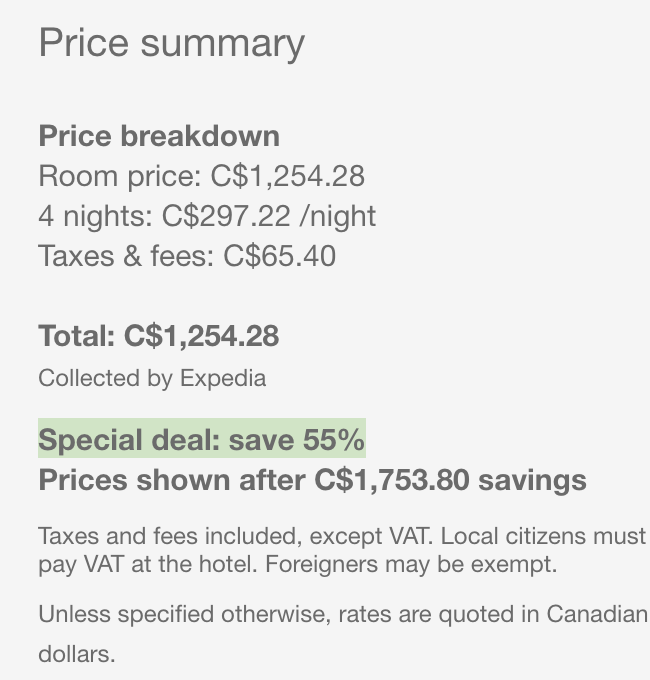
One of the most common frustrations reported by users is the occasional discrepancy between the initial price displayed and the final cost at checkout or even upon arrival at the hotel. While Expedia strives for transparency, some fees may not be prominently displayed until the later stages of the booking process. Examples include mandatory resort fees, city taxes, energy surcharges, or even parking fees that are typically paid directly to the hotel. These “hidden” or late-revealed charges can significantly inflate the total cost, making an initially attractive deal less appealing.
Moreover, while Expedia often boasts competitive pricing, it’s not always the absolute cheapest option. Savvy travelers often find that booking directly with the hotel can sometimes yield better results, especially for those who are members of a hotel’s loyalty program. Direct bookings can also come with additional perks such as complimentary breakfast, room upgrades, early check-in/late check-out, or resort credits that are not available through OTAs. These benefits, while not always monetary savings, can significantly enhance the overall value of a stay. Therefore, while Expedia’s prices are generally good, they require careful comparison to ensure the best possible deal.
Customer Service Hurdles
Despite offering multiple channels for support, customer service can be a significant pain point for some Expedia users. Common complaints include long wait times, difficulty reaching a representative, and challenges in resolving complex issues, especially when they involve discrepancies with the hotel or last-minute changes during peak travel periods. The “middleman” effect can complicate matters; if there’s an issue with your reservation, you often have to go through Expedia’s support rather than directly contacting the hotel, which can sometimes lead to miscommunication or delays.
In situations like natural disasters, airline cancellations impacting hotel stays, or global pandemics, customer service systems can become overwhelmed, leading to frustrating experiences for travelers seeking immediate assistance. While Expedia has invested in improving its support infrastructure, the sheer volume of global transactions means that personalized and swift resolution for every individual issue can be a challenge. The reliability of problem resolution, particularly for non-standard bookings or disputes, can vary widely.
Booking Errors and Misinformation
While less frequent, instances of booking errors or outdated information on Expedia listings can occur. These might include incorrect room configurations, outdated amenity descriptions, or, in rare cases, a booking not being correctly transmitted to the hotel’s reservation system. Such errors can lead to stressful situations upon check-in, where the hotel has no record of the reservation or cannot honor the specific room type booked.
Although Expedia maintains rigorous data update protocols, hotels occasionally fail to update their inventory or details in a timely manner across all platforms, leading to discrepancies. This highlights the importance of proactive verification from the traveler’s side. While Expedia generally provides accurate information, the occasional lapse can significantly impact a traveler’s experience, underscoring that no online platform is entirely immune to data sync issues or human error.
Maximizing Reliability: Tips for Booking Hotels on Expedia
To leverage Expedia’s strengths while mitigating its weaknesses, travelers can adopt several best practices to ensure a smooth and reliable hotel booking experience.
Read Reviews Carefully
The review section on Expedia is a goldmine of information, but it requires careful interpretation. Don’t just look at the average star rating; delve into the actual comments. Pay close attention to recent reviews (within the last few months) as conditions and management can change over time. Look for patterns in feedback: if multiple guests complain about the same issue (e.g., noisy rooms, poor Wi-Fi, unhelpful staff), it’s likely a persistent problem. Conversely, consistent praise for certain aspects can highlight a hotel’s strengths. Also, read both positive and negative reviews to get a balanced perspective and prioritize issues that matter most to you. For example, if a hotel is praised for its quiet rooms but criticized for its limited breakfast, and breakfast isn’t important to you, then the latter criticism might not be a deal-breaker.
Compare Prices Across Platforms
While Expedia often offers competitive rates, it should not be your only point of reference. Before finalizing a booking, always take a few minutes to compare prices on other major OTAs like Booking.com or Agoda, as well as the hotel’s official website. Sometimes, hotels offer exclusive discounts or added value perks (such as free breakfast, complimentary upgrades, or loyalty points) when you book directly. A hotel’s own website might also have a “Best Rate Guarantee” that matches or beats OTA prices. Tools like Google Hotels can also help you quickly compare across multiple sources. This quick cross-referencing ensures you are truly getting the best deal and the most value for your money.
Understand Booking Policies
Before clicking “book,” meticulously review all booking policies associated with your reservation. Pay close attention to the cancellation policy – is it free, and if so, until what date and time? Understand the payment terms: Are you paying now, or will the hotel charge you upon arrival? Be aware of what is included in the listed price. Does it include all taxes and fees, or will additional resort fees or city taxes be applied at the property? Also, check details like check-in and check-out times, age restrictions, pet policies, and any specific requirements for children. Being fully aware of these terms can prevent unwelcome surprises and additional costs later. Look for bolded text or separate sections detailing these crucial pieces of information to ensure you are fully informed about the commitments you are making.
Verify Details Directly with the Hotel
After making a booking on Expedia, especially for crucial trips or international travel, it’s highly recommended to perform a final verification step. A few days before your arrival, contact the hotel directly via phone or email (using the contact details from their official website, not necessarily Expedia’s listing) to confirm your reservation. Provide them with the booking confirmation number you received from Expedia and confirm all essential details: your name, dates of stay, room type, and any special requests (e.g., high floor, specific bed configuration). This simple step ensures that the hotel has your booking in their system accurately and can resolve any potential discrepancies before you even arrive, providing an extra layer of reliability and peace of mind. It also gives you a chance to re-confirm any specific amenities or services you are relying on.
Conclusion
In conclusion, the question of whether Expedia is reliable for hotels can be answered with a qualified yes. As a behemoth in the online travel industry, Expedia offers an unparalleled selection of accommodations, often at competitive prices, backed by a user-friendly interface and valuable guest reviews. For the vast majority of travelers, it provides a seamless and effective platform for finding and booking hotel stays. Its extensive inventory, transparent review system, and flexible booking options are significant advantages that simplify travel planning.
However, its reliability isn’t absolute and is best navigated with an informed approach. Potential pitfalls such as occasional price discrepancies, challenging customer service experiences for complex issues, and rare booking errors highlight the importance of proactive engagement from the traveler. By diligently reading reviews, comparing prices across various platforms, thoroughly understanding booking policies, and performing a final verification directly with the hotel, travelers can significantly enhance their booking experience and mitigate potential risks.
Ultimately, Expedia is a powerful and generally reliable tool in the modern traveler’s arsenal. When used wisely and supplemented with a few prudent checks, it remains an excellent choice for securing your next hotel stay, making travel more accessible and enjoyable for millions around the globe.
LifeOutOfTheBox is a participant in the Amazon Services LLC Associates Program, an affiliate advertising program designed to provide a means for sites to earn advertising fees by advertising and linking to Amazon.com. Amazon, the Amazon logo, AmazonSupply, and the AmazonSupply logo are trademarks of Amazon.com, Inc. or its affiliates. As an Amazon Associate we earn affiliate commissions from qualifying purchases.