
When planning a hotel stay, one of the most common room types encountered is the “double room.” While its name might suggest a simple definition, the reality is often more nuanced, leading to frequent confusion among travelers. Understanding what a double room truly entails is crucial for making informed booking decisions, ensuring comfort, and managing expectations. This article delves deep into the specifics of double rooms, clarifying their characteristics, identifying who they best serve, and distinguishing them from other common hotel accommodations.
Decoding the Double Room: More Than Just Two Beds
At its core, the double room serves as a fundamental offering in the hospitality industry, designed to cater to a specific set of traveler needs. However, its interpretation can vary significantly across different establishments and geographical regions.
The Core Definition
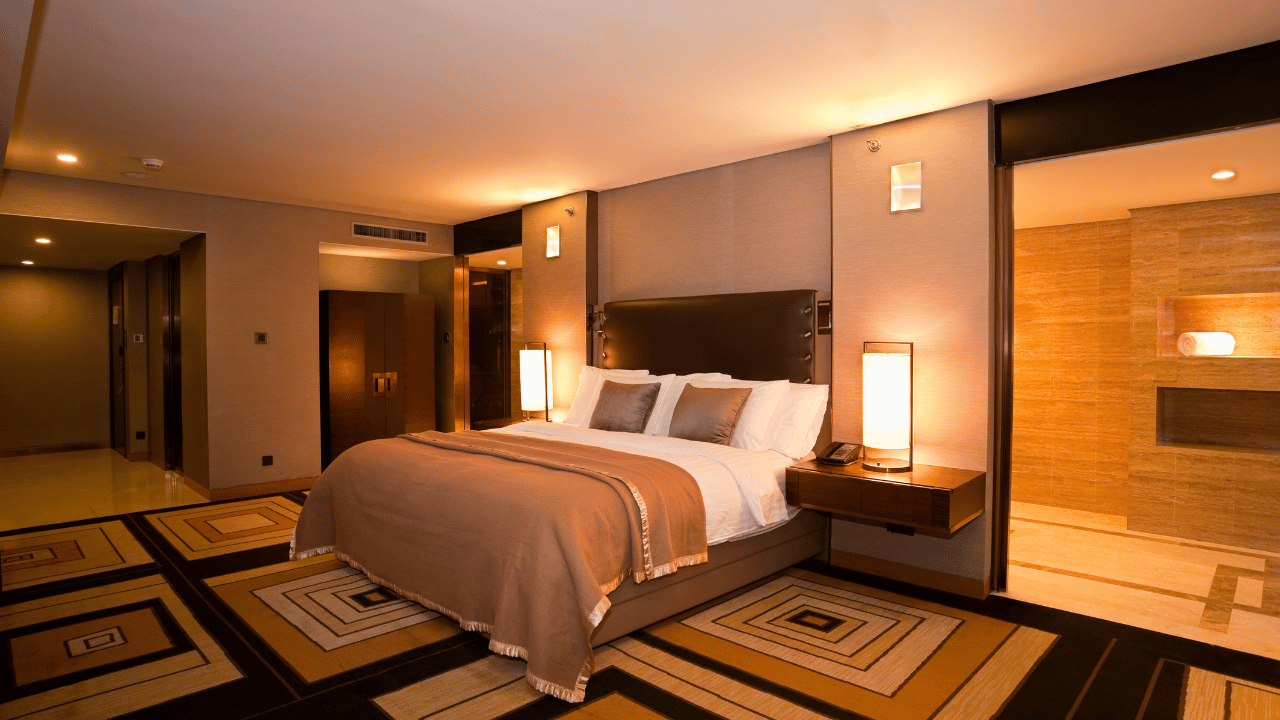
Traditionally, a “double room” refers to a room furnished with one double bed, intended for occupancy by one or two people. The crucial element here is the single double bed, not necessarily two individual beds. A standard double bed typically measures around 54 inches by 75 inches (137 cm by 191 cm), offering sufficient space for two adults to sleep comfortably, albeit snugly. This configuration is often the most economical choice for couples or solo travelers seeking a bit more space than a single room. For instance, a traveler exploring the historical streets of Rome might find a double room in a charming Boutique Hotel perfectly suited for their romantic getaway.
Common Misconceptions and Clarifications
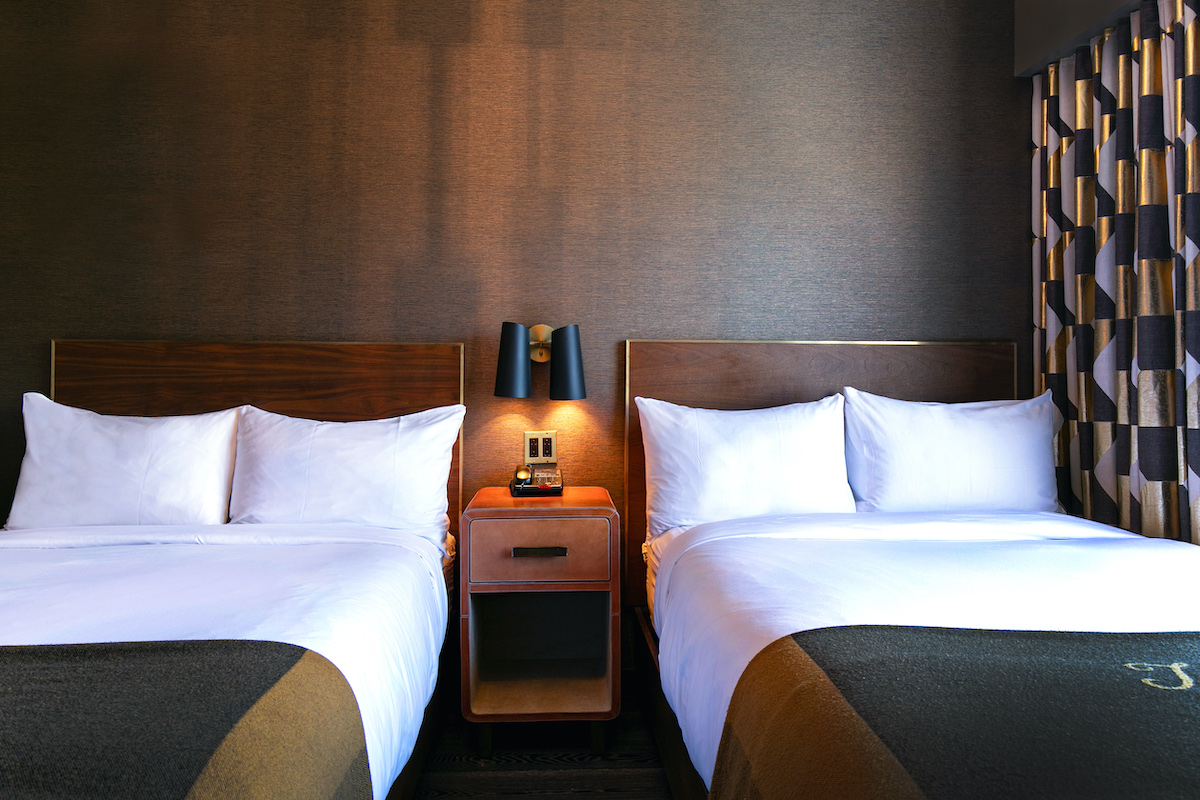
The primary misconception stems from the word “double,” which many travelers instinctively associate with “two.” This leads to the erroneous belief that a double room will always contain two beds. This is not the case. A room with two separate beds, regardless of their size, is typically referred to as a “twin room” or a “double-double room” (if it contains two double beds). It’s essential for guests to verify the bed configuration before booking, especially if traveling with a friend or colleague where separate sleeping arrangements are preferred. For example, guests staying at a Hilton property in New York City would explicitly look for a “two double beds” or “two queen beds” room if they need separate sleeping spaces.
Standard Amenities
Beyond the bed, double rooms typically come equipped with a standard set of amenities designed for guest convenience. These commonly include:
- An en-suite bathroom (shower, toilet, sink).
- A television, often with cable or satellite channels.
- A work desk and chair.
- A wardrobe or closet for storage.
- Complimentary Wi-Fi access.
- Often, a mini-fridge or minibar, and tea/coffee making facilities.
- Air conditioning or heating, depending on the hotel’s location and climate.
The exact offerings can vary based on the hotel’s star rating, brand (e.g., Marriott versus a budget chain), and location, from a bustling city center in Tokyo to a serene countryside retreat in the United Kingdom.
Who Benefits Most from a Double Room?
The design and typical features of a double room make it an ideal choice for several distinct categories of travelers, prioritizing value, intimacy, and often, convenience.
Couples and Duos
Unsurprisingly, couples form the largest demographic benefiting from double rooms. The single double bed promotes closeness and is perfectly suited for romantic trips, weekend getaways, or honeymoons. It offers a cozy, private space where partners can relax and unwind together after exploring destinations like the Eiffel Tower in Paris or the beaches of Miami. For budget-conscious couples, it often presents a more affordable option than upgrading to a larger room type.
Solo Travelers Seeking Comfort
Many solo travelers opt for a double room over a single room. While a single room might be marginally cheaper, the added space and comfort of a larger bed can significantly enhance the stay experience. It provides more room to spread out, store belongings, and generally enjoy a less confined environment, especially for longer stays or for those who simply prefer more sleeping space. A solo business traveler on assignment in Dubai might prefer a double room for its extra space and amenities.
Small Families (with Young Children)
In some cases, a double room can accommodate small families, particularly those with a very young child. If a hotel allows a crib or provides a rollaway bed (often for an additional charge) and the room size permits it, a double room can be a cost-effective solution. However, families with older children or more than one child would typically find a double room too restrictive and should instead look for family rooms, suites, or rooms with multiple beds. An Accor hotel in Australia might offer specific family-friendly options that extend beyond the standard double room.
Friends Traveling Together (with Caveats)
While not ideal, two friends traveling together might opt for a double room to save money, provided they are comfortable sharing a bed. This is more common in situations where budget is a primary concern, such as backpacking across Europe or during short overnight stays. However, for extended trips or if personal space is a priority, a twin room would be a far more suitable and comfortable choice.
Distinguishing Double Rooms from Other Hotel Categories
The hotel industry uses a variety of terms to categorize rooms, and understanding the differences is key to booking the perfect stay. Misinterpreting these terms can lead to uncomfortable surprises upon check-in.
Double vs. Twin Rooms
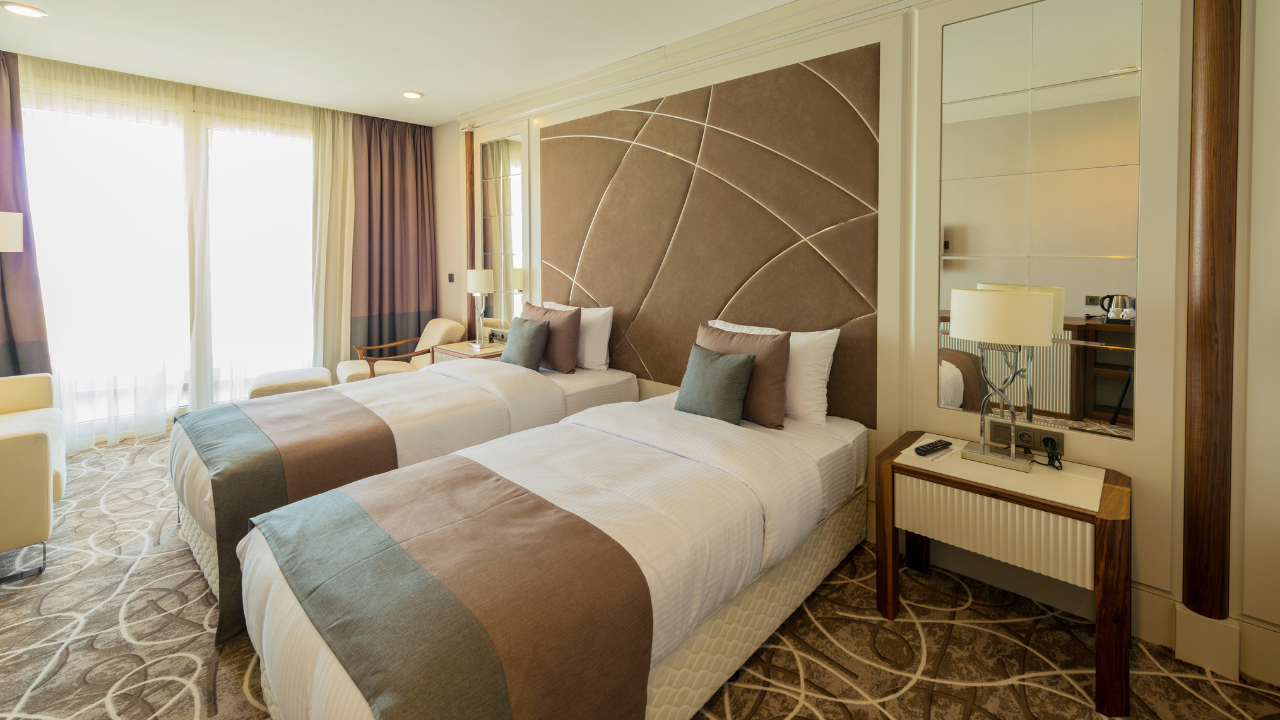
This is perhaps the most common point of confusion. As clarified, a double room contains one double bed. A twin room, conversely, is equipped with two separate beds, typically two single beds or two twin beds. These are ideal for friends, colleagues, or family members (like siblings) traveling together who prefer separate sleeping arrangements. While a double room prioritizes shared sleeping, a twin room emphasizes individual space. For instance, a Grand Hyatt Hotel in Singapore will clearly differentiate between a “Double Room with King Bed” and a “Twin Room with Two Single Beds.”
Double vs. Queen/King Rooms
The terms “queen room” and “king room” refer specifically to the size of the bed, not the number of beds. A queen room typically features one queen-sized bed (larger than a double bed, usually 60×80 inches or 152×203 cm). A king room features one king-sized bed (the largest standard bed, often 76×80 inches or 193×203 cm). While a double room implies a “double bed,” queen and king rooms offer progressively more space and luxury in terms of sleeping surface. These larger bed types are common in upscale hotels and Luxury Resorts across the United States and beyond, providing enhanced comfort for couples.
Double vs. Family Rooms
Family rooms are specifically designed to accommodate more than two people, typically with a combination of bed types (e.g., a double bed and two single beds, or bunk beds) or larger floor plans. They often include additional amenities suitable for children. A double room, with its single double bed, rarely meets the needs of a typical family with multiple children. When planning a trip to Disneyland Paris, a family room would be a much more appropriate choice than a standard double room.
Double vs. Suites
A suite represents a significant upgrade, offering more space and often multiple distinct areas, such as a separate living room and bedroom. Suites may or may not contain a double bed; they could have a king-sized bed in the bedroom and a sofa bed in the living area. They are geared towards travelers seeking luxury, extended stays, or those needing space for meetings or entertaining. A double room, by contrast, is a single, undivided space. The Four Seasons Hotel in London, for example, offers a range of suites far beyond the configuration of a simple double room.
Factors Influencing Your Double Room Experience
While the core definition remains, the actual experience of staying in a double room can be shaped by several variables, ranging from the hotel’s market positioning to specific room details.
Location and Hotel Tier
The interpretation and standard of a double room can vary significantly based on the hotel’s tier and geographical location. A budget hotel in a densely populated city like Hong Kong might offer a double room that is significantly smaller than one in a mid-range hotel in a sprawling suburban area of the United States. Luxury hotels, even when offering a “double room,” will invariably provide higher quality furnishings, more spacious bathrooms, and superior service compared to a Budget Lodge.
Room Size and Layout Variations
Even within the category of “double room,” there can be considerable variation in actual square footage and layout. Some double rooms might feel cramped, while others offer ample space to move around, perhaps even including a small seating area. Factors such as window placement, the presence of a balcony, or the shape of the room can also impact the perceived spaciousness and overall comfort. It’s not uncommon for travelers to find varying double room sizes even within the same hotel, perhaps due to the building’s architecture or specific floor plans.
Bed Configuration Nuances
While the default is one double bed, some regions or hotels might offer a “double-double” room under a broader “double room” category, which means two double beds. This is less common but highlights the importance of checking specific room details during the booking process. Always review the descriptive text and images provided by the hotel or booking platform, especially if specific bed arrangements are critical to your travel plans.
Booking Tips for Double Rooms
To ensure a satisfactory experience, consider these tips:
- Read the Description Carefully: Pay close attention to the bed type and number specified.
- Check Room Dimensions: If available, review the square footage to gauge the room’s actual size.
- View Photos: Hotel websites and booking platforms usually provide images of specific room types.
- Read Reviews: Past guest reviews can offer insights into the true nature of the double rooms.
- Contact the Hotel: If in doubt, a quick call or email to the hotel directly can clarify any uncertainties, especially concerning specific requests like a rollaway bed or accessibility needs. This is particularly relevant when booking through third-party sites where details might be less explicit.
The Evolution and Future of Double Rooms
The concept of the double room, while seemingly static, continues to evolve in response to changing traveler demographics, technological advancements, and shifting expectations in the hospitality sector.
Adapting to Modern Traveler Needs
As solo travel, remote work, and bleisure (business + leisure) trips become more prevalent, the double room is being re-evaluated. Hotels are increasingly optimizing these spaces to serve a broader range of guests. For instance, the traditional work desk might be replaced by a more ergonomic flexible workstation, catering to digital nomads. The integration of smart room technology allows for personalized lighting, climate control, and entertainment, enhancing the guest experience irrespective of whether they are staying at the Urban Oasis Hotel in a bustling metropolis or the Azure Coast Resort by the sea.
Technology Integration
Modern double rooms often feature advanced technological integrations. USB charging ports are becoming standard alongside traditional power outlets. Smart TVs allow guests to stream their own content. Some hotels are even experimenting with voice-activated controls for room functions, streamlining the in-room experience. This focus on connectivity and convenience aims to make the double room not just a place to sleep, but a functional and comfortable extension of the guest’s home or office.
Sustainability and Design Trends
Sustainability is also influencing the design of double rooms. Hotels are incorporating eco-friendly materials, energy-efficient lighting, and water-saving fixtures. Design trends lean towards minimalist aesthetics, maximizing perceived space and natural light. Multi-functional furniture, such as beds with built-in storage or convertible desks, are becoming common, making even compact double rooms feel more expansive and versatile. These trends reflect a broader industry push towards conscious consumption and enhanced guest well-being, from boutique properties to large chains like Hyatt.
In conclusion, the double room remains a cornerstone of hotel accommodation, offering a balanced blend of comfort and value for specific traveler profiles. While its definition is straightforward – one double bed for one or two persons – understanding its nuances and distinguishing it from other room types is vital for a smooth and enjoyable hotel stay. By doing thorough research and understanding the factors that influence the double room experience, travelers can confidently select an accommodation that perfectly meets their needs and expectations.
LifeOutOfTheBox is a participant in the Amazon Services LLC Associates Program, an affiliate advertising program designed to provide a means for sites to earn advertising fees by advertising and linking to Amazon.com. Amazon, the Amazon logo, AmazonSupply, and the AmazonSupply logo are trademarks of Amazon.com, Inc. or its affiliates. As an Amazon Associate we earn affiliate commissions from qualifying purchases.