
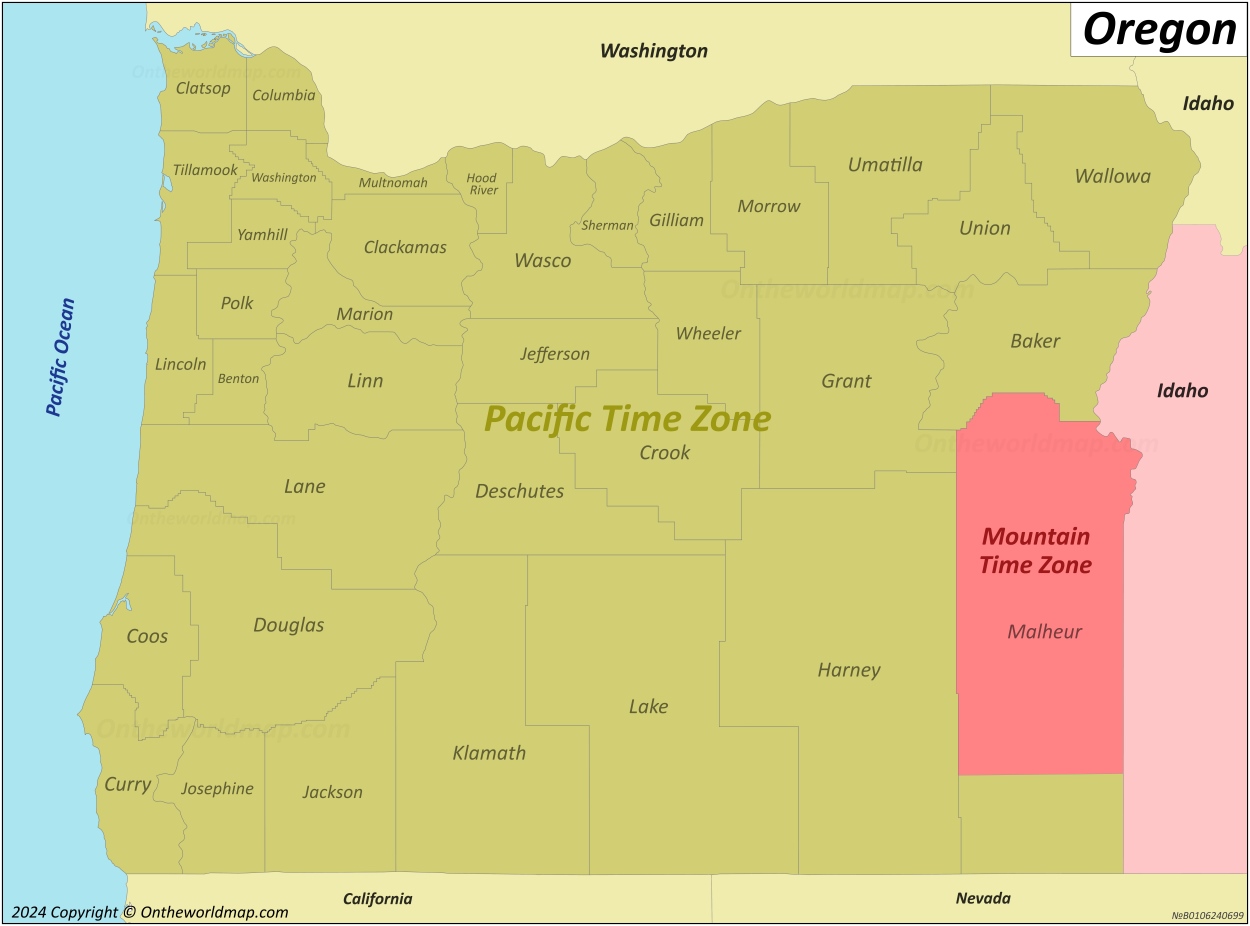
For anyone planning a visit, conducting business, or simply curious about life on the West Coast of the United States, understanding the local time is a fundamental starting point. Oregon, a state renowned for its lush landscapes, vibrant cities, and innovative spirit, operates primarily within the Pacific Time Zone (PT). This means that during the winter months, Oregon observes Pacific Standard Time (PST), which is UTC-8. When summer arrives, the state transitions to Pacific Daylight Time (PDT), shifting forward by one hour to UTC-7. This adherence to Daylight Saving Time is a crucial detail for travelers and residents alike, impacting everything from flight schedules to dinner reservations.
Knowing the current time in Oregon is more than just a matter of curiosity; it’s a cornerstone of effective travel planning and a seamless experience. Whether you’re hailing from the East Coast of the USA, across the globe in Europe or Asia, or simply trying to coordinate a virtual meeting with a business partner in Portland, grasping the temporal rhythm of the Beaver State is key. From the bustling streets of Portland to the serene shores of the Oregon Coast and the majestic peaks of the Cascade Mountains, the clock dictates the flow of daily life and the availability of countless attractions. This article delves into the nuances of Oregon’s time zones, highlighting why this seemingly simple detail is paramount for anyone engaging with this dynamic state, and how it interweaves with travel, tourism, accommodation, and lifestyle experiences.

Navigating Time Zones: Essential for Your Oregon Travel
Understanding Oregon’s time zone is the first step in unlocking a stress-free travel experience. The shift between Pacific Standard Time (PST) and Pacific Daylight Time (PDT) affects many aspects of a trip, from initial planning to daily activities.
Understanding Pacific Standard Time (PST) and Pacific Daylight Time (PDT)
Oregon adheres to the widely observed Daylight Saving Time practice. Typically, on the second Sunday in March, clocks “spring forward” one hour, moving from PST (UTC-8) to PDT (UTC-7). This change provides more daylight in the evenings throughout the warmer months, a significant benefit for outdoor enthusiasts and those looking to maximize their sightseeing hours. Conversely, on the first Sunday in November, clocks “fall back” one hour, returning to PST and ushering in earlier sunsets.
For international travelers, or those arriving from the East Coast of the United States, this time difference can be substantial. For example, when it’s 3:00 PM PDT in Portland, it’s 6:00 PM Eastern Daylight Time (EDT) in New York City and 12:00 AM (the following day) in London, UK. Being aware of these shifts is crucial for avoiding miscommunications and ensuring punctuality. Always double-check flight times, hotel check-in windows, and tour schedules against the correct local time in Oregon based on the season of your visit.
The Impact of Time Differences on Your Journey
The primary concern for travelers crossing multiple time zones is often jet lag. Arriving in Oregon from distant locales can throw off your internal clock, leading to fatigue, disrupted sleep patterns, and difficulty concentrating. Planning your arrival with this in mind can make a big difference. Consider scheduling a lighter itinerary for your first day or two, allowing your body to adjust to the new rhythm. Staying hydrated, avoiding excessive caffeine or alcohol, and trying to immerse yourself in the local daylight cycle immediately upon arrival can help mitigate the effects of jet lag.
Furthermore, coordinating with friends, family, or business contacts in different time zones requires careful consideration. A quick phone call or video conference can easily turn into an inconvenience if not scheduled with respect for everyone’s local time. Modern smartphones and online tools often automatically adjust to local time, but it’s always wise to manually confirm, especially when dealing with critical appointments or bookings for your Oregon adventure.
Planning Your Oregon Adventure: Where Time and Experience Converge
The diversity of Oregon’s offerings means that meticulous planning, including time zone considerations, is essential for a rewarding trip. From securing your ideal accommodation to maximizing your exploration of natural landmarks and vibrant city life, every minute counts.
Accommodations and Check-Ins: Timing is Everything
Whether you’re looking for a luxury stay at The Nines, a Luxury Collection Hotel in downtown Portland, a boutique experience in Hood River, or a cozy bed and breakfast along the coast, check-in and check-out times are strictly observed. These times are always published in the local Oregon time. Arriving too early might mean waiting for your room, while checking out late could incur additional fees. When booking hotels, resorts, apartments, or villas online, ensure the confirmation details clearly state the local time for these crucial windows.
Many accommodation providers, especially larger hotels, offer amenities like early check-in or late check-out options, often for an extra charge or based on availability. If your flight arrives exceptionally early or departs very late, it’s worth inquiring about these options beforehand to ensure a comfortable transition. Similarly, if you’re utilizing vacation rentals or peer-to-peer accommodation services, communicate your estimated arrival and departure times clearly with your host, explicitly mentioning the Oregon time. Reading reviews for specific properties can also provide insights into their flexibility regarding check-in/out procedures.
Synchronizing with Oregon’s Diverse Attractions and Activities
Oregon offers an unparalleled array of attractions, from urban cultural experiences to breathtaking natural wonders. Each has its own operating hours, which are, of course, tied to the local time.
In Portland, for example, exploring the renowned Powell’s City of Books, strolling through the International Rose Test Garden, or visiting the serene Portland Japanese Garden requires checking their specific opening and closing times. Many popular museums, such as the Oregon Museum of Science and Industry (OMSI) or the Oregon Zoo, have varying hours depending on the season, with extended hours in summer when PDT is in effect, and shorter hours during PST.
Outside the city, a drive along the Columbia River Gorge to witness the grandeur of Multnomah Falls can be a day trip, but parking and access points might have specific operating times. Similarly, guided tours for whale watching on the coast or rafting on the Rogue River operate on strict schedules that demand punctuality. Even exploring the shops and restaurants in charming coastal towns like Cannon Beach or Astoria means adhering to their business hours. Always consult official websites or call ahead to confirm schedules, especially during holidays or off-peak seasons, to avoid disappointment.
Exploring Oregon’s Rich Tapestry: Beyond the Clock
While time dictates the logistics, Oregon’s true appeal lies in its diverse destinations, vibrant culture, and varied lifestyles it caters to. Integrating time awareness with an appreciation for these elements ensures a fulfilling journey.
Iconic Landmarks and Natural Wonders
Oregon is a treasure trove of landmarks and natural beauty. The pristine caldera of Crater Lake National Park, one of the deepest lakes in the world, offers mesmerizing views that are best enjoyed during daylight hours, especially as road access and visitor center hours can vary by season. Along the Oregon Coast, the iconic Haystack Rock at Cannon Beach is a sight to behold, particularly at low tide when tide pools become accessible – a phenomenon intrinsically linked to the moon’s cycle, which means consulting tide charts is just as important as knowing the local time.
Further inland, the majestic Mount Hood provides opportunities for skiing, hiking, and scenic drives, with ski resorts and trails operating on precise schedules. The Painted Hills unit of the John Day Fossil Beds National Monument offers otherworldly geological formations that truly come alive with the changing light of day, making sunrise or sunset visits particularly rewarding. Even a visit to the Tillamook Creamery for a taste of Oregon’s famous cheese and ice cream has specific visitor hours. Each of these landmarks requires consideration of local time for optimal enjoyment and access.
Culinary Delights and Local Culture
Oregon’s food scene is as diverse as its landscapes, from Portland’s renowned food cart pods and farm-to-table restaurants to the world-class wineries of the Willamette Valley and craft breweries found across the state. Dining experiences are, of course, governed by the clock. Making reservations at popular restaurants in Portland, Bend, or Eugene often requires booking weeks in advance, and showing up on time is paramount. Winery tours and tasting room hours in areas like Dundee or McMinnville are also time-sensitive, ensuring visitors can fully appreciate the viticultural process.
Beyond food, Oregon embraces a distinct local culture characterized by its independent spirit, love for the outdoors, and commitment to sustainability. Catching a live music show, browsing art galleries, or participating in local festivals – all happen within specific temporal frames. Even the rhythm of daily life in cities like Salem or Ashland, famous for its Oregon Shakespeare Festival, is attuned to the local time, impacting everything from public transport schedules to community events.
Tailoring Your Trip: From Luxury to Budget
Oregon caters to every conceivable travel style and budget. For those indulging in luxury travel, a stay at The Allison Inn & Spa in the heart of Wine Country offers exquisite amenities and experiences, all scheduled according to the local PDT or PST. Golf enthusiasts might find themselves at Bandon Dunes Golf Resort on the coast, where tee times are meticulously planned. These upscale experiences often involve detailed itineraries that are highly time-dependent.
Conversely, budget travel in Oregon often involves exploring state parks for camping or hiking, which also have specific hours for entry, day-use permits, and quiet hours. Family trips to the coast or business stays in Portland likewise demand an awareness of the clock for scheduling activities, meetings, and ensuring everyone adheres to planned schedules. Regardless of your chosen lifestyle of travel, incorporating Oregon’s local time into your planning is a non-negotiable step for smooth execution.
Practical Tips for a Seamless Oregon Experience
Armed with an understanding of Oregon’s time zone and its implications, there are several practical steps you can take to ensure your journey is as smooth and enjoyable as possible.
Staying Connected and Informed
Before and during your trip, leverage technology to your advantage. Most smartphones automatically update to the local time, but it’s always good to have a world clock widget to monitor your home time zone if you need to coordinate with people back home. Consider setting reminders for important appointments in Oregon local time. Download useful travel apps for weather forecasts, traffic updates (especially around Portland and I-5), and attraction hours. Many specific hotels or resorts also have their own apps with useful information.
Keeping an eye on local news, especially during the spring and fall transitions of Daylight Saving Time, can also be beneficial. While the dates are generally consistent, being aware of any potential shifts or local advisories (e.g., related to severe weather affecting travel routes or attraction closures) is part of being an informed traveler.
Embracing the Oregonian Lifestyle
Ultimately, understanding the time in Oregon is about more than just numbers on a clock; it’s about syncing with the rhythm of the state. Oregonians value their time outdoors, whether it’s an early morning hike before work or an evening paddle on a lake after sundown. The shift to PDT in summer extends these opportunities, fostering a vibrant evening culture of patio dining, outdoor concerts, and twilight adventures. During PST in winter, the earlier sunsets might encourage cozy evenings by a fire, exploring indoor attractions, or enjoying the region’s renowned culinary scene.
By harmonizing your personal schedule with Oregon’s time, you’re not just adhering to a schedule; you’re immersing yourself in the local way of life. This mindful approach allows for a deeper appreciation of the destinations, accommodations, tourism experiences, and lifestyles that make Oregon such a unique and compelling place to visit. So, set your watch, embrace the journey, and get ready to experience all that the Pacific Northwest has to offer, on its own time.
LifeOutOfTheBox is a participant in the Amazon Services LLC Associates Program, an affiliate advertising program designed to provide a means for sites to earn advertising fees by advertising and linking to Amazon.com. Amazon, the Amazon logo, AmazonSupply, and the AmazonSupply logo are trademarks of Amazon.com, Inc. or its affiliates. As an Amazon Associate we earn affiliate commissions from qualifying purchases.