
The allure of a hotel stay often goes beyond the plush furnishings and attentive service. For many travelers, the feeling of sinking into crisp, cool, and immaculately made hotel sheets is a significant part of the luxury experience. It’s a sensory detail that can elevate a simple overnight stay into a memorable escape. But what exactly makes hotel sheets so special, and what type of fabric and construction contributes to that signature feel? Understanding this can not only demystify the luxury but also offer insights into creating a similar experience at home, whether you’re a seasoned globetrotter or someone who simply appreciates the finer details of comfort.
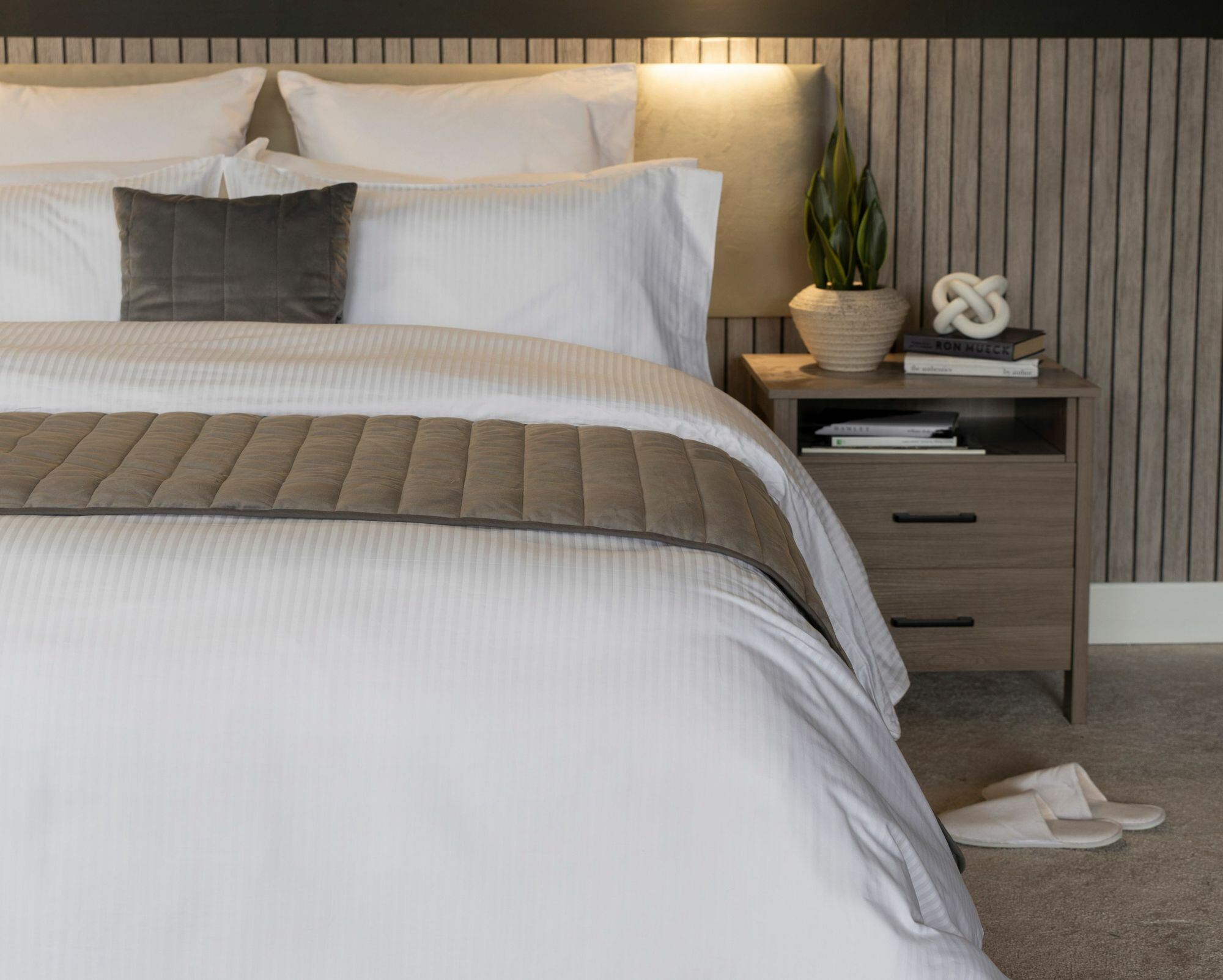
When we talk about hotel sheets, we’re usually referring to a specific set of characteristics that prioritize durability, comfort, and a pristine appearance, all while withstanding the rigors of frequent washing and high-volume use. This isn’t about a single, universally applied type of sheet, but rather a collection of best practices and preferred materials that are commonly adopted across the hospitality industry. From five-star establishments in Paris to boutique inns in the Scottish Highlands, the pursuit of that perfect sheet remains a consistent goal.
The Foundation of Comfort: Understanding Fabric Choices
The heart of any hotel sheet’s appeal lies in its fabric. While there are numerous options available, certain materials consistently rise to the top due to their inherent qualities. The choice of fabric directly influences the sheet’s breathability, softness, durability, and how it drapes and feels against the skin. Hotels, with their emphasis on guest satisfaction and operational efficiency, have gravitated towards fabrics that offer the best balance of these attributes.
Cotton: The Reigning Champion
Without a doubt, cotton is the undisputed king of hotel bedding. Its natural fibers offer a wonderful combination of softness, breathability, and absorbency, making it an ideal choice for creating a comfortable sleeping environment. However, not all cotton is created equal, and hotels typically opt for specific types and weaves to maximize performance.
Percale Weave: Crisp and Cool
One of the most prevalent weaves you’ll find in hotels is percale. This is a simple, one-to-one weave where each weft thread passes over and under a single warp thread. The result is a fabric that is lightweight, breathable, and has a distinctly crisp, cool feel. Think of the satisfying rustle you hear when you slide into a freshly made hotel bed – that’s often the sound of percale. It’s akin to a fine linen shirt on a warm day, offering immediate comfort and a sense of freshness. Percale is also known for its durability and tends to get softer with each wash, making it an excellent long-term investment for hotels. Its matte finish also contributes to the clean, understated elegance that many hotels strive for. The tight weave also makes it resistant to pilling, a common issue with lower-quality fabrics that can detract from the luxurious feel.
Sateen Weave: Smooth and Lustrous
Another popular cotton weave, particularly favored by hotels aiming for a touch of extra luxury and a more opulent feel, is sateen. Sateen is created by a different weaving process where warp threads are floated over four or more weft threads. This creates a fabric with a smoother, more lustrous surface on one side and a duller finish on the back. The result is a fabric that feels exceptionally smooth and soft, often described as having a silky or satin-like finish. This weave offers a beautiful sheen that can enhance the aesthetic appeal of a hotel room, giving it a more sophisticated look. While sateen is incredibly comfortable and luxurious, it can be slightly less breathable than percale and may be more prone to snagging if not cared for properly. However, high-quality sateen, often found in higher-end hotels like the Ritz-Carlton, is still remarkably durable and provides a sumptuously soft sleeping surface.
Egyptian Cotton and Pima Cotton: The Premium Fibers
When hotels refer to premium cotton sheets, they often specify Egyptian cotton or Pima cotton. These are types of extra-long-staple (ELS) cotton, meaning their fibers are significantly longer than those of regular cotton. This superior fiber length results in yarns that are stronger, smoother, and more durable. Sheets made from Egyptian cotton or Pima cotton are renowned for their exceptional softness, subtle sheen, and resistance to pilling. The longer fibers also contribute to a finer yarn, allowing for a higher thread count without sacrificing breathability. While thread count is often touted as a primary indicator of quality, the type of cotton fiber and the weave construction play equally, if not more, important roles in the overall feel and longevity of the sheets. Hotels that use these premium cottons are typically aiming for an elevated guest experience, evident in places like the Four Seasons Hotel or luxurious resorts in Maldives.
Blends: The Practical Approach
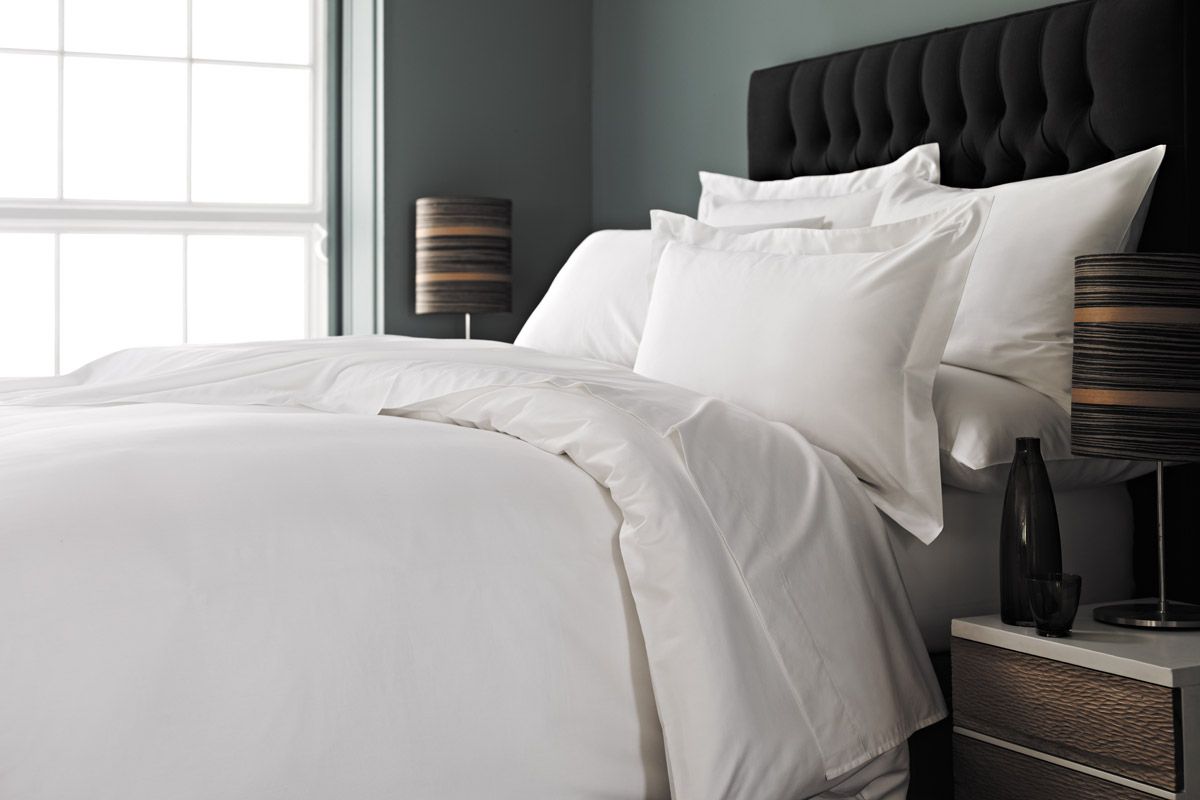
While cotton reigns supreme, some hotels also utilize cotton blends, particularly poly-cotton (a blend of polyester and cotton). These blends offer a unique set of advantages, often balancing the breathability and softness of cotton with the durability and wrinkle-resistance of polyester. Poly-cotton sheets tend to be more affordable, easier to care for, and hold their shape well after repeated washing, making them a practical choice for high-volume establishments. However, they may not offer the same level of breathability or natural softness as 100% cotton. For hotels where budget and ease of maintenance are paramount, poly-cotton can be a sensible option, though the ultra-luxury hotels usually stick to pure cotton.
The Significance of Thread Count
The term “thread count” is frequently mentioned when discussing bedding quality. It refers to the number of threads woven into one square inch of fabric. Generally, a higher thread count suggests a denser, softer, and more durable fabric. For cotton sheets, a common range for good quality hotel bedding is between 200 and 400 threads per square inch.
Finding the Sweet Spot
Hotels often aim for a thread count within this range for a few key reasons. A thread count of 200 is considered a good baseline for percale, offering a breathable and comfortable fabric that holds up well to commercial laundering. As the thread count increases, the fabric becomes denser and can feel softer, especially with sateen weaves. Thread counts exceeding 400 can sometimes indicate a fabric that is too dense, potentially compromising breathability and, in some cases, being a result of lower-quality, tightly spun yarns. Many luxury hotels find the sweet spot between 250 and 400 threads per square inch for their cotton sheets, achieving a balance of softness, durability, and breathability. The focus remains on the quality of the yarn and the weave, rather than an excessively high thread count, which can be misleading. For instance, a 300-thread-count sheet made from high-quality Egyptian cotton will likely feel far more luxurious than a 1000-thread-count sheet made from inferior fibers.
Beyond the Fabric: Key Hotel Bedding Features
The choice of fabric and thread count are critical, but several other elements contribute to the overall quality and comfort of hotel sheets, including their construction, finishing, and how they are maintained.
The Importance of Crisp Whites and Immaculate Presentation
One of the most striking characteristics of hotel bedding is its pristine white color. This isn’t merely an aesthetic choice; it’s a practical one. White sheets are easier to bleach and sanitize, ensuring a higher level of hygiene. They also allow hotel staff to easily spot any stains or imperfections, guaranteeing that only the cleanest linens make it to the guest rooms. This commitment to cleanliness contributes significantly to the feeling of luxury and trust. The way the sheets are tucked and folded, often referred to as “hospital corners,” also plays a role in creating a neat, inviting bed that signals comfort and care. The careful attention to detail in presentation is a hallmark of good hospitality, seen in establishments from the grand Waldorf Astoria to charming bed and breakfasts.
Durability and Ease of Care
Hotels operate on a large scale, and their linens undergo frequent washing and drying cycles, often using industrial equipment. Therefore, the sheets must be exceptionally durable and able to withstand harsh detergents and high temperatures. This is why 100% cotton, particularly Egyptian or Pima cotton, is favored. These fibers are strong and can endure repeated laundering without significant degradation. Furthermore, the ease of care is a crucial consideration for hotel operations. Sheets that are easy to iron or require minimal ironing, and that maintain their color and shape, are highly valued. This practical aspect ensures that the linens remain in excellent condition, providing a consistent guest experience day after day.
The “Thread Count Myth” and Beyond
While thread count is a factor, it’s essential to understand it in context. As mentioned, the quality of the cotton fibers and the weave construction are paramount. A lower thread count made from premium long-staple cotton will often feel superior to a very high thread count made from shorter, coarser fibers. Hotels that prioritize guest comfort and a luxurious experience will invest in high-quality cotton, regardless of whether it boasts an astronomical thread count. The goal is to achieve a balance of softness, breathability, durability, and a pleasing tactile experience. The focus is on the overall sensory engagement a guest has with the bedding.
Ultimately, the type of sheets hotels use is a deliberate choice driven by a desire to provide comfort, durability, and a sense of luxury to their guests. While the specific brands and suppliers may vary, the underlying principles of using high-quality cotton, employing effective weaves like percale and sateen, and maintaining rigorous standards of cleanliness and care remain consistent. Whether you’re enjoying a stay at a grand hotel like the Plaza Hotel in New York City or a rustic lodge in the Canadian Rockies, the feeling of those crisp, clean sheets is a testament to the industry’s understanding of what truly elevates a guest’s experience. This knowledge can empower travelers to make more informed choices when purchasing bedding for their own homes, bringing a touch of hotel luxury into their everyday lives.
LifeOutOfTheBox is a participant in the Amazon Services LLC Associates Program, an affiliate advertising program designed to provide a means for sites to earn advertising fees by advertising and linking to Amazon.com. Amazon, the Amazon logo, AmazonSupply, and the AmazonSupply logo are trademarks of Amazon.com, Inc. or its affiliates. As an Amazon Associate we earn affiliate commissions from qualifying purchases.