
Navigating the world of travel often feels like a strategic game, and one of the most significant variables influencing your budget is the price of accommodation. The question “When do hotel prices go down?” is a perennial one, a puzzle that seasoned travelers have attempted to solve for decades. Understanding the ebb and flow of hotel rates can unlock significant savings, transforming a dream vacation into an achievable reality. This guide delves deep into the factors that dictate hotel pricing, helping you pinpoint the opportune moments to book your stay and maximize your travel budget. We’ll explore everything from seasonal trends and day-of-the-week fluctuations to the impact of major events and the power of booking in advance versus last-minute deals, all with the aim of equipping you with the knowledge to snag the best possible rates.

The Unseen Forces: Factors Driving Hotel Prices
Hotel prices are not arbitrary; they are meticulously calculated based on a complex interplay of supply and demand, bolstered by a keen understanding of consumer behavior and market dynamics. Several key factors contribute to the fluctuations you observe, and recognizing these can be your first step towards smarter booking.
Supply and Demand: The Fundamental Equation
At its core, hotel pricing operates on the classic economic principle of supply and demand. When demand for rooms is high and the supply is limited, prices inevitably rise. Conversely, when fewer travelers are seeking accommodation, hotels are more likely to lower their rates to fill empty rooms. Understanding this fundamental dynamic is crucial. For instance, popular tourist destinations like Paris during peak summer months will naturally command higher prices than the same hotels in the quiet off-season. Likewise, a major conference or festival in a city like Las Vegas can significantly inflate hotel rates for that specific period.
Seasonality and Peak Travel Times
One of the most predictable influences on hotel prices is seasonality. Different regions experience distinct peak and off-peak travel seasons, driven by weather patterns, school holidays, and cultural events.
Peak Season
This is when a destination is at its most popular. For many European cities like Rome or Barcelona, summer (June to August) represents the peak season due to favorable weather and school vacations. Similarly, ski resorts in the Alps see their highest prices during the winter months when the snow conditions are ideal. During peak season, expect to pay a premium for accommodations as demand far outstrips supply. Booking well in advance is often essential to secure a room at all, let alone at a reasonable price.
Shoulder Season
The periods just before and after the peak season are often referred to as the “shoulder season.” For example, spring (April to May) and autumn (September to October) can offer a sweet spot for travelers. The weather is often still pleasant, crowds are thinner, and crucially, hotel prices tend to be significantly lower than during the absolute peak. This is an excellent time to visit destinations like the United Kingdom or Italy if you’re looking for a balance of good weather and affordability.
Off-Season
The off-season is when a destination is least popular, typically due to less favorable weather or fewer major events. While the weather might be a consideration, the advantage of traveling during the off-season is often dramatically reduced hotel prices. For example, visiting New York City in January or February, while cold, can offer substantial savings on hotels compared to the bustling holiday season. Similarly, beach destinations in the Caribbean might see lower rates during hurricane season, provided you are aware of and prepared for potential weather disruptions.
Day of the Week and Local Events
Beyond broader seasonal trends, hotel prices can also fluctuate based on the day of the week and local events.
Weekends vs. Weekdays
In many cities, particularly those that are business hubs or have a strong weekend leisure appeal, hotel prices tend to be higher on Friday and Saturday nights. Conversely, Sunday through Thursday nights might see lower rates. This is especially true for hotels that cater to both business and leisure travelers. If your travel dates are flexible, shifting your stay to include more weekdays can lead to noticeable savings. For example, a weekend getaway in San Francisco might be pricier than arriving on a Sunday and departing on a Thursday.
Major Events and Conferences
As mentioned, large-scale events are a significant driver of hotel price surges. Major sporting events like the Super Bowl, international festivals such as the Oktoberfest in Munich, or large industry conferences can cause hotel rates to skyrocket in the host city. If you’re planning a trip to a city where a major event is scheduled, be prepared for higher prices or consider visiting during a less popular time. It’s always wise to check local event calendars when researching potential travel dates.
Strategic Booking: When to Book and How to Save
Understanding when hotel prices go down is only half the battle; knowing how to leverage this knowledge for booking is where the real savings lie. This involves strategic timing, flexible planning, and utilizing the right tools.
The Sweet Spot: Booking in Advance vs. Last-Minute Deals
The age-old question for many travelers is whether to book their accommodation far in advance or wait for last-minute deals. The answer often depends on the destination, the time of year, and your flexibility.
Booking in Advance
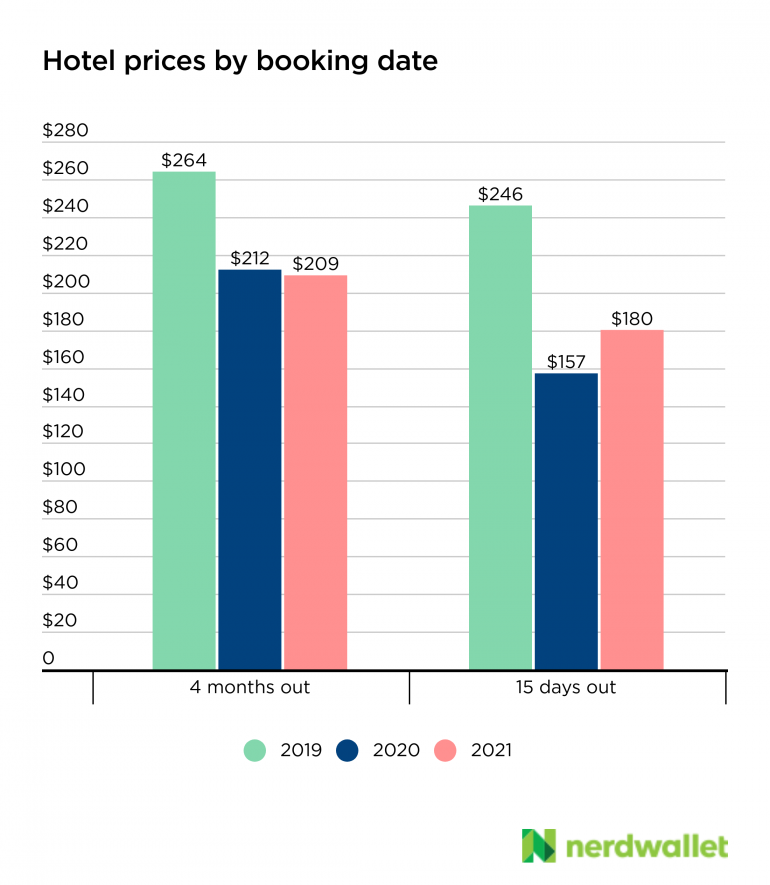
For popular destinations, peak travel times, or if you have your heart set on a specific hotel, booking in advance is generally the safest strategy. This applies particularly to iconic hotels like the Ritz Paris or boutique properties in high-demand areas. Booking months ahead, especially for summer holidays or major events, can often secure you a room at a more reasonable rate than waiting until the last minute when availability dwindles and prices surge. It also allows you to spread the cost over a longer period.
The Allure of Last-Minute Deals
While not always reliable, last-minute deals can offer significant savings, especially for less popular destinations or during the off-season. Hotels often try to fill unsold rooms in the days leading up to the check-in date, offering discounted rates. Websites and apps specializing in last-minute bookings can be invaluable here. However, this strategy requires a high degree of flexibility with your travel dates and destination. If you’re not tied to specific dates or locations, waiting until the eleventh hour could land you a bargain. It’s a gamble, but one that can pay off handsomely if you’re lucky.
Leveraging Flexibility and Off-Peak Opportunities
Flexibility is perhaps the most powerful tool in a budget traveler’s arsenal. Being open to adjusting your travel dates, duration, or even your destination can unlock considerable savings.
Mid-Week Stays and Shorter Trips
As previously discussed, staying mid-week often yields lower prices than weekend stays. If your travel plans allow, consider arriving on a Sunday or Monday and departing on a Thursday or Friday. Similarly, sometimes shorter trips can be more cost-effective per night than longer ones, as hotels might offer better rates for shorter durations to fill rooms quickly.
Exploring Less Popular Destinations
While the allure of visiting iconic landmarks like the Eiffel Tower in Paris or the Colosseum in Rome is undeniable, these prime locations often come with inflated prices. Consider exploring destinations that offer similar cultural experiences or natural beauty but are less saturated with tourists. For instance, instead of Venice, consider a charming town in the Italian countryside. Instead of Maui, explore a less-trafficked island in Hawaii. These alternative destinations often boast lower hotel prices, more authentic local experiences, and fewer crowds, providing a richer and more budget-friendly trip.
Tools and Techniques for Finding Deals
In the digital age, numerous tools and techniques can assist you in finding the best hotel prices.
Comparison Websites and Apps
Websites like Booking.com, Expedia, and Hotels.com allow you to compare prices across numerous hotels and booking platforms simultaneously. These aggregators are invaluable for getting a broad overview of the market and identifying the cheapest options for your chosen dates and location. They often also feature user reviews, which can help you gauge the quality of a hotel beyond just its price.
Loyalty Programs and Membership Discounts
If you travel frequently, enrolling in hotel loyalty programs can offer significant benefits. Accumulating points can lead to free nights, room upgrades, and other perks. Many programs also offer member-exclusive rates that are not advertised on public booking sites. Additionally, look out for discounts available through professional organizations, AARP, or AAA, which can sometimes be applied to hotel bookings.
Package Deals and Flight + Hotel Bundles
Sometimes, booking your flight and hotel together as a package deal can result in substantial savings. Many travel agencies and online platforms offer these bundled options, as they are often incentivized to sell them at a lower combined price. While it might limit your flexibility in choosing individual components, it’s a worthwhile consideration for budget-conscious travelers.
Understanding Hotel Price Dynamics: Beyond the Obvious
While seasonality and demand are primary drivers, other subtle factors can influence when hotel prices decrease. Being aware of these nuances can further refine your booking strategy.
The Role of New Openings and Competitor Pricing
When a new hotel opens in a competitive market, established hotels may lower their prices to remain competitive. Similarly, hotels constantly monitor their competitors’ pricing strategies. If a rival hotel offers a significantly lower rate, others may follow suit to attract bookings. Keeping an eye on the hotel landscape in your chosen destination can sometimes reveal these pricing adjustments.
Impact of Economic Conditions and Travel Trends
Broader economic conditions can also play a role. During an economic downturn, travel demand often decreases, leading hotels to lower their prices to attract the remaining travelers. Conversely, in times of economic prosperity, demand rises, and so do hotel rates. Emerging travel trends also influence pricing. For example, the rise of the “workcation” or “digital nomad” trend has led some hotels to offer extended stay discounts or create co-working spaces, impacting their pricing models.

The Power of Direct Booking and Promotions
While comparison sites are useful, sometimes booking directly with the hotel can offer advantages. Many hotels offer exclusive promotions or discounts on their own websites that are not available elsewhere. They might also have flexible cancellation policies or loyalty program benefits that are easier to manage when booking directly. Always check the hotel’s official website before finalizing a booking through a third party. Look out for seasonal sales, flash promotions, or special packages that hotels frequently advertise.
In conclusion, mastering the art of finding when hotel prices go down is a skill that combines research, flexibility, and strategic timing. By understanding the fundamental principles of supply and demand, recognizing seasonal patterns, being mindful of local events, and employing smart booking tactics, you can significantly reduce your accommodation costs. Whether you’re planning a luxurious escape to the Maldives or a budget-friendly city break to Budapest, a little knowledge and planning can ensure your travel budget stretches further, allowing you to experience more of the world without breaking the bank. The key is to remain informed, be adaptable, and always be on the lookout for those opportune moments when prices dip, transforming your travel aspirations into affordable realities.
LifeOutOfTheBox is a participant in the Amazon Services LLC Associates Program, an affiliate advertising program designed to provide a means for sites to earn advertising fees by advertising and linking to Amazon.com. Amazon, the Amazon logo, AmazonSupply, and the AmazonSupply logo are trademarks of Amazon.com, Inc. or its affiliates. As an Amazon Associate we earn affiliate commissions from qualifying purchases.