
The iconic silhouette of the Luxor Hotel on the Las Vegas Strip is instantly recognizable, a colossal black pyramid that has captivated visitors since its grand opening. Its distinctive architecture and opulent themes have made it a landmark not just in Nevada, but a globally recognized symbol of entertainment and hospitality. For many planning a trip to the dazzling desert city, understanding the history and context of such a prominent hotel is key to appreciating its significance. So, when exactly did this Egyptian-themed marvel begin welcoming guests? The Luxor Hotel officially opened its doors on October 15, 1993.
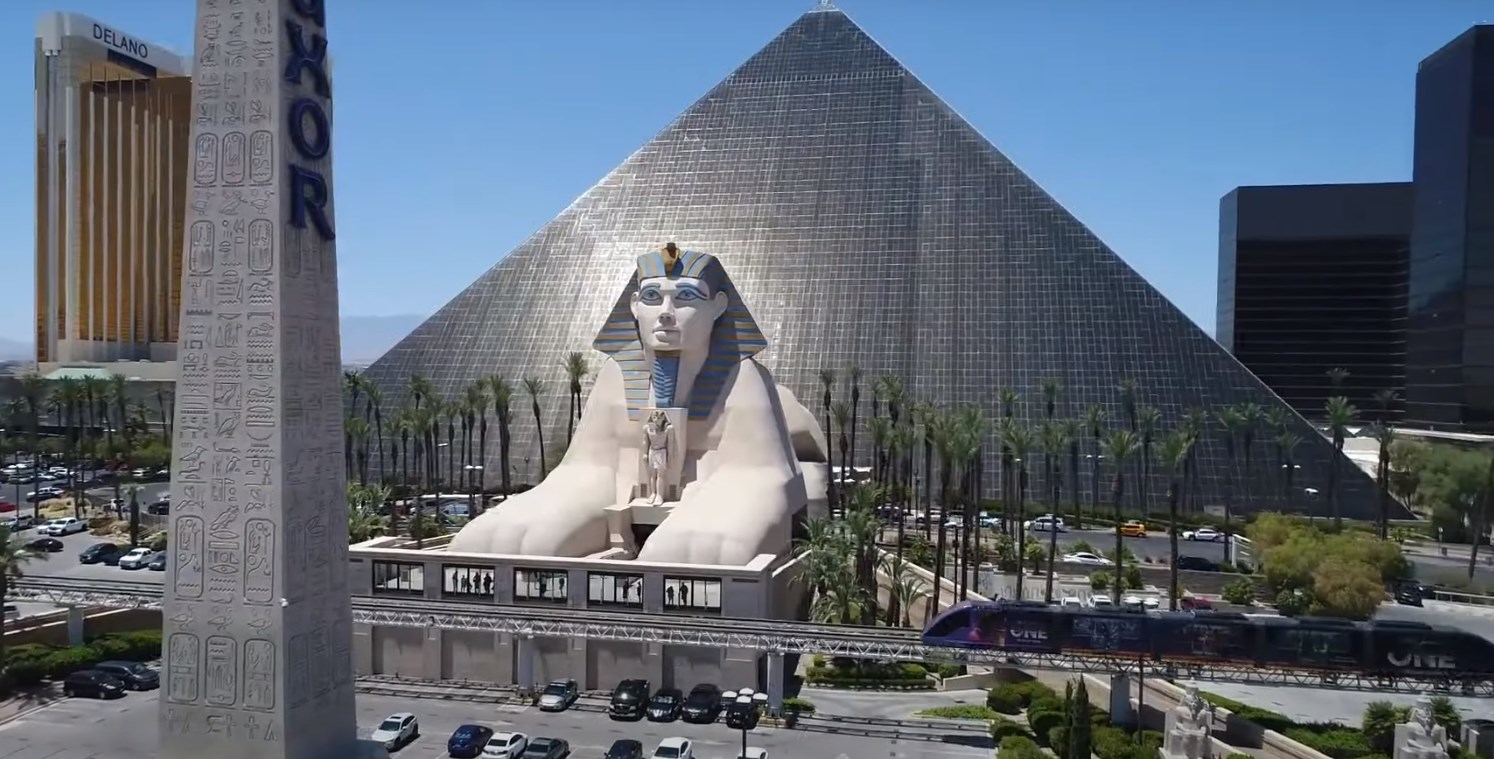
This opening marked a significant moment in the evolution of Las Vegas tourism, ushering in an era of elaborate, themed resorts that aimed to transport guests to entirely different worlds. The Luxor, with its ambitious design inspired by ancient Egypt, was at the forefront of this trend, promising an immersive experience beyond mere accommodation.
The Genesis of a Pyramid: Conception and Construction
The idea for a pyramid-shaped hotel in Las Vegas was ambitious from the outset. The concept was to create a destination that was not only a place to stay but a complete entertainment experience, drawing heavily on the mystique and grandeur of ancient Egyptian civilization.
Design and Architectural Vision
The architectural firm responsible for bringing this vision to life was W.A. Richardson Associates. Their challenge was to translate the iconic form of a pyramid into a functional hotel complex, complete with guest rooms, casinos, entertainment venues, and restaurants. The design aimed for authenticity, incorporating elements reminiscent of ancient Egyptian temples and pyramids, such as obelisks, hieroglyphics, and sphinx-like statues. The exterior, clad in black glass, was intended to evoke the pyramids of Giza, particularly at night when its illuminated peak would pierce the desert sky.
The scale of the project was immense. The pyramid structure itself stands at approximately 30 stories high, making it one of the tallest structures on the Las Vegas Strip. Inside, the hotel features a vast central atrium, which was once the largest atrium in the world. This impressive space was designed to house many of the hotel’s amenities, including a casino, shopping areas, and restaurants, all under the soaring glass roof. The use of inclined elevators, often referred to as “Inclinators,” was another innovative feature, allowing guests to ascend the pyramid’s sides in a unique and thematic manner.
The Construction Journey
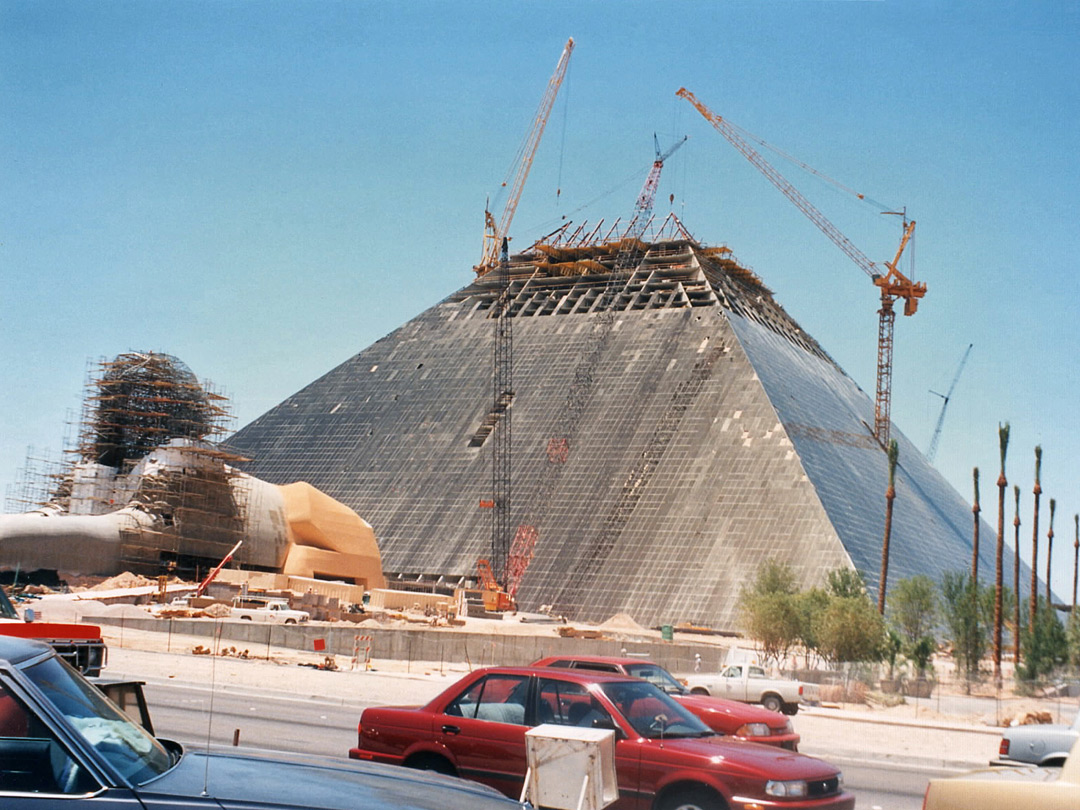
Construction of the Luxor Hotel began in the early 1990s. The project was a significant undertaking, requiring substantial investment and a complex logistical operation. The primary contractor for the construction was Dunn Development Corporation. Building a structure of this magnitude and unusual shape presented engineering challenges. The sheer volume of materials, the precision required for the pyramid’s angles, and the integration of its various entertainment and hospitality components demanded meticulous planning and execution.
The project timeline was relatively swift for a development of its scale, with construction commencing in 1991 and concluding just over two years later for the grand opening in October 1993. This rapid construction was a testament to the efficiency of the development and construction teams, driven by the anticipation of launching a unique resort to the eager Las Vegas market. The successful completion and timely opening of the Luxor were crucial for its developers, Circus Circus Enterprises, who sought to establish a significant presence on the Strip with a property that offered a distinctively different experience.
The Luxor Experience: More Than Just Accommodation
Upon its opening, the Luxor Hotel was designed to be an immersive destination. Its theme extended beyond the facade, permeating the guest experience from the moment they arrived. This commitment to thematic coherence was a hallmark of Las Vegas resorts of that era, aiming to provide a complete escape from the ordinary.
Thematic Elements and Attractions
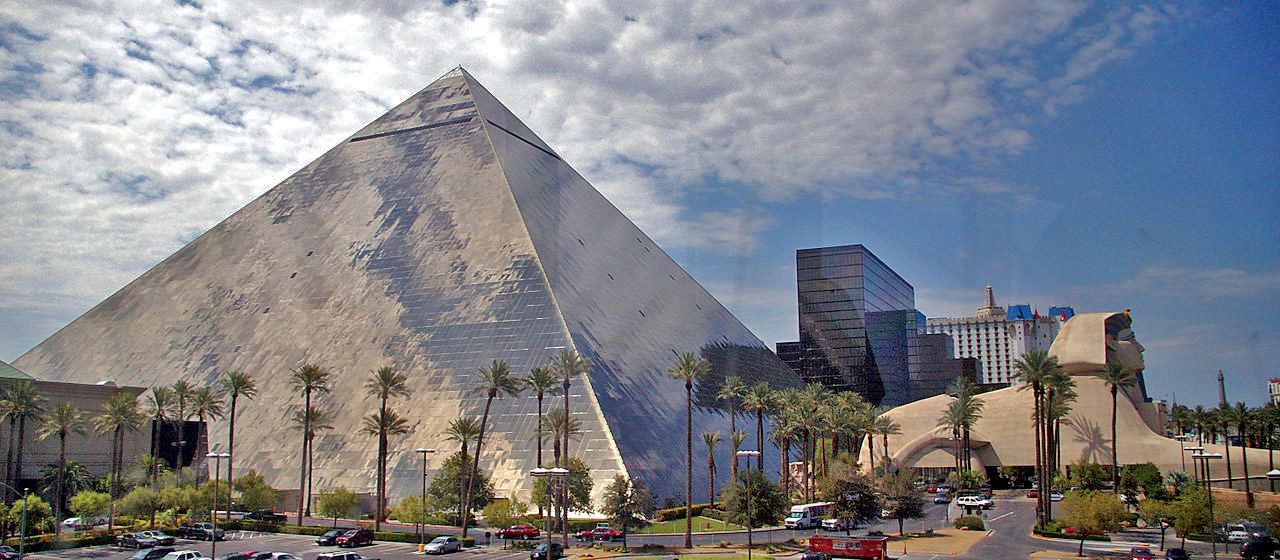
The Egyptian theme was carefully curated throughout the resort. The exterior, as mentioned, mirrors the iconic pyramids. Inside, the vast atrium was designed to evoke the feeling of being within a grand temple. Guests could ascend the pyramid’s slopes via the unique “Inclinators,” which offered panoramic views of the atrium as they moved at an angle. The hotel’s interior design featured motifs and artwork inspired by ancient Egypt, further enhancing the immersive atmosphere.
One of the most significant attractions that contributed to the Luxor becoming a destination in itself was the Nile Adventure. This was a riverboat ride that traversed the interior of the atrium, allowing guests to see the hotel’s unique architecture from a different perspective. Another key feature was the replica of Tutankhamun’s tomb, offering a glimpse into the world of ancient Egyptian pharaohs and artifacts. The hotel also housed a chapel designed to resemble a sarcophagus, adding a whimsical and thematic touch to wedding ceremonies.
Beyond the thematic elements, the Luxor was also designed to be a comprehensive entertainment complex. It featured a large casino floor, numerous restaurants offering a variety of cuisines, and entertainment venues that hosted popular shows and performers. The opening of the hotel coincided with the increasing demand for attractions that offered a full spectrum of leisure activities, making it an attractive option for families, couples, and individuals alike.
Evolution and Renovations
Since its opening in 1993, the Luxor Hotel has undergone several renovations and updates to maintain its appeal and adapt to changing trends in the hospitality industry. While the core pyramid structure remains, certain aspects of the hotel have been modernized. For instance, the hotel introduced luxury suites and updated its room designs to cater to a broader range of guest preferences.
The iconic black pyramid exterior has been a constant, but internal spaces have seen significant evolution. The hotel has introduced new dining options, entertainment, and retail spaces over the years. In 2007, a significant expansion was completed with the addition of two 18-story towers, offering alternative accommodation styles to the traditional pyramid rooms. These towers provided a more conventional hotel experience, complementing the unique pyramid rooms and broadening the resort’s appeal.
The Luxor has also seen changes in its ownership and management. Originally developed by Circus Circus Enterprises, it later became part of the MGM Mirage portfolio, which eventually became MGM Resorts International. These changes in management have often brought new strategies for marketing and guest experience, ensuring the Luxor remains a relevant and exciting destination on the ever-evolving Las Vegas Strip. Despite these updates, the hotel has strived to retain its unique charm and its status as a pioneering themed resort.
The Luxor’s Place in Las Vegas History
The opening of the Luxor Hotel in 1993 was more than just the launch of another hotel; it was a significant event that contributed to the narrative of Las Vegas as a city of unparalleled entertainment and architectural ambition. Its unique design and themed approach set a precedent for future resort developments.
A Pioneer of Themed Resorts
The Luxor was part of a wave of themed resorts that emerged in Las Vegas during the 1990s. Hotels like the Mirage (which opened in 1989 with a volcano), Treasure Island (1993), and later New York-New York (1997) and the Venetian (1999) all embraced immersive themes to attract visitors. The Luxor, with its bold Egyptian concept, was a prime example of this trend. It demonstrated that a well-executed theme could not only draw crowds but also create a memorable and distinct identity in a highly competitive market. The success of the Luxor proved that a strong architectural concept, coupled with a comprehensive thematic experience, could be a powerful formula for a successful Las Vegas resort.
Architectural Significance and Legacy
The Luxor stands as a bold architectural statement. Its pyramid shape is instantly recognizable and has become synonymous with the Las Vegas skyline. It represents a departure from traditional hotel designs, showcasing a willingness to experiment with form and scale. The use of black glass not only contributes to its striking visual appeal but also offers a unique aesthetic compared to many of the lighter, more conventional facades found on the Strip.
The hotel’s innovative use of inclined elevators and its massive atrium were engineering feats for their time, pushing the boundaries of what was considered possible in large-scale hospitality construction. While newer resorts have emerged with even more advanced technologies and architectural marvels, the Luxor remains a significant landmark, a testament to the ambitious spirit that characterized the development of Las Vegas in the late 20th century. It serves as a reminder of the creative ingenuity that has shaped the city into the entertainment capital it is today, drawing millions of visitors annually to experience its unique blend of spectacle and hospitality. Its enduring presence ensures its place in the history of Las Vegas architecture and tourism.
LifeOutOfTheBox is a participant in the Amazon Services LLC Associates Program, an affiliate advertising program designed to provide a means for sites to earn advertising fees by advertising and linking to Amazon.com. Amazon, the Amazon logo, AmazonSupply, and the AmazonSupply logo are trademarks of Amazon.com, Inc. or its affiliates. As an Amazon Associate we earn affiliate commissions from qualifying purchases.