
The iconic character of Count Dracula, the charmingly overprotective father and proprietor of the lavish yet monster-filled Hotel Transylvania, has captivated audiences of all ages. This animated cinematic universe, brimming with whimsical adventures and a heartwarming exploration of family and acceptance, owes a significant part of its magic to the distinctive voice that brings the legendary vampire to life. While the animated character is a fictional creation, the voice talent behind him is very real, and for a substantial portion of the series, it was none other than the versatile and immensely talented Adam Sandler.
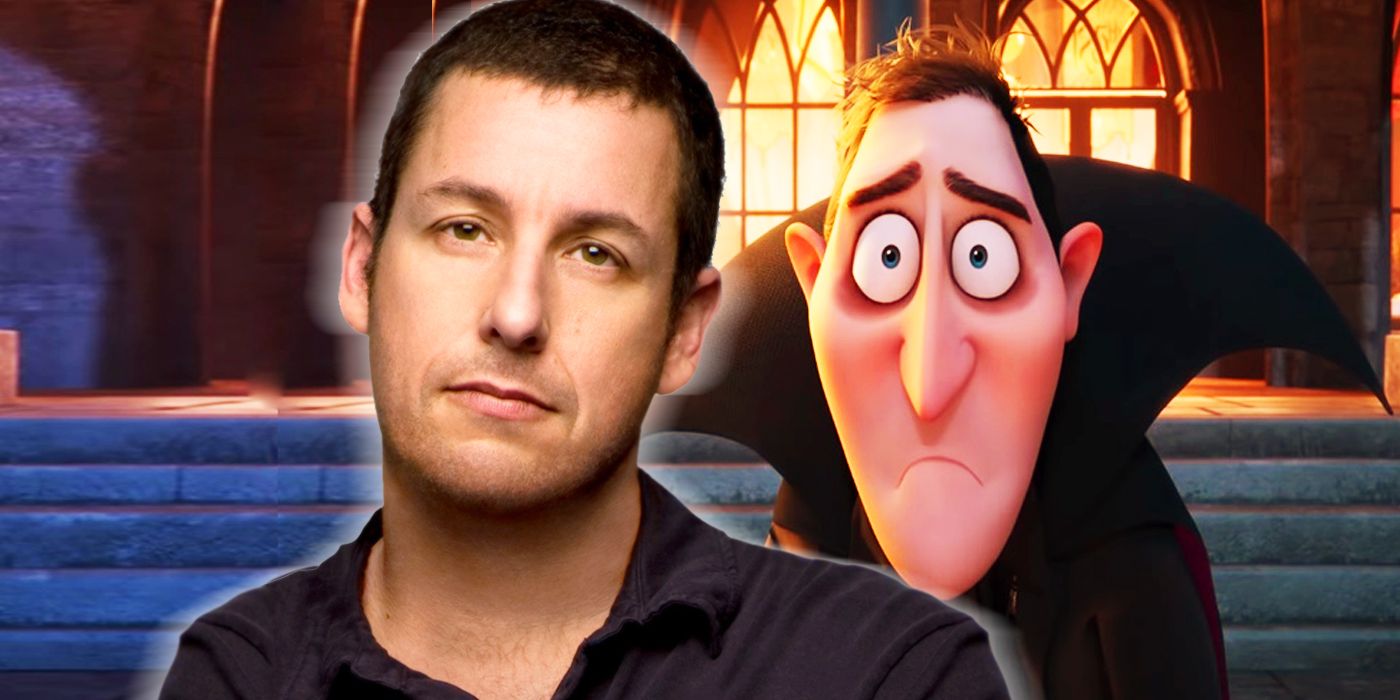
The initial casting of Adam Sandler as the voice of Dracula in the first Hotel Transylvania film in 2012 was a strategic move that paid dividends. Sandler, known for his comedic prowess and a surprisingly adept ability to inject warmth and sincerity into his roles, was perfectly suited to portray the flamboyant yet deeply caring vampire. His signature vocal inflections and comedic timing infused Dracula with a unique personality that resonated with viewers, making him an instantly lovable character despite his monstrous nature. This choice not only leveraged Sandler’s star power but also allowed him to explore a different facet of his acting capabilities, showcasing his range beyond his typical live-action comedic fare.
The success of the first film paved the way for a franchise, and Adam Sandler continued to lend his voice to Dracula for the subsequent installments: Hotel Transylvania 2 (2015), Hotel Transylvania 3: Summer Vacation (2018), and Hotel Transylvania: Transformania (2022). Throughout these films, Sandler’s performance remained consistent, evolving with the character as Dracula navigated new challenges, embraced grandparenthood, embarked on a cruise, and faced an unprecedented transformation. His voice became intrinsically linked to the animated Count, shaping the audience’s perception of the character and contributing significantly to the franchise’s enduring appeal.
The Evolution of Dracula’s Voice
The journey of Dracula’s voice through the Hotel Transylvania series is a testament to both the character’s development and the actor’s skill. In the first film, Adam Sandler established Dracula as a delightfully eccentric hotel owner, fiercely protective of his daughter, Mavis, and wary of the human world. His voice carried a distinct blend of regal authority and paternal anxiety, peppered with his signature comedic delivery. This initial portrayal laid the groundwork for the character’s comedic undertones and his underlying vulnerability, which Sandler expertly conveyed.
As the franchise progressed, the character of Dracula underwent significant emotional growth. In Hotel Transylvania 2, his desire for his grandson, Dennis, to embrace his monster heritage added a new layer of urgency and humor to his performance. Sandler adeptly shifted between moments of stern insistence and profound love, showcasing Dracula’s evolving family dynamics. By Hotel Transylvania 3: Summer Vacation, Dracula was experiencing the joys and awkwardness of a new romance, a development that Sandler imbued with a charming, if slightly clumsy, hopeful tone. His voice conveyed the character’s tentative steps back into the dating world, adding a touching romantic dimension to the animated romp.
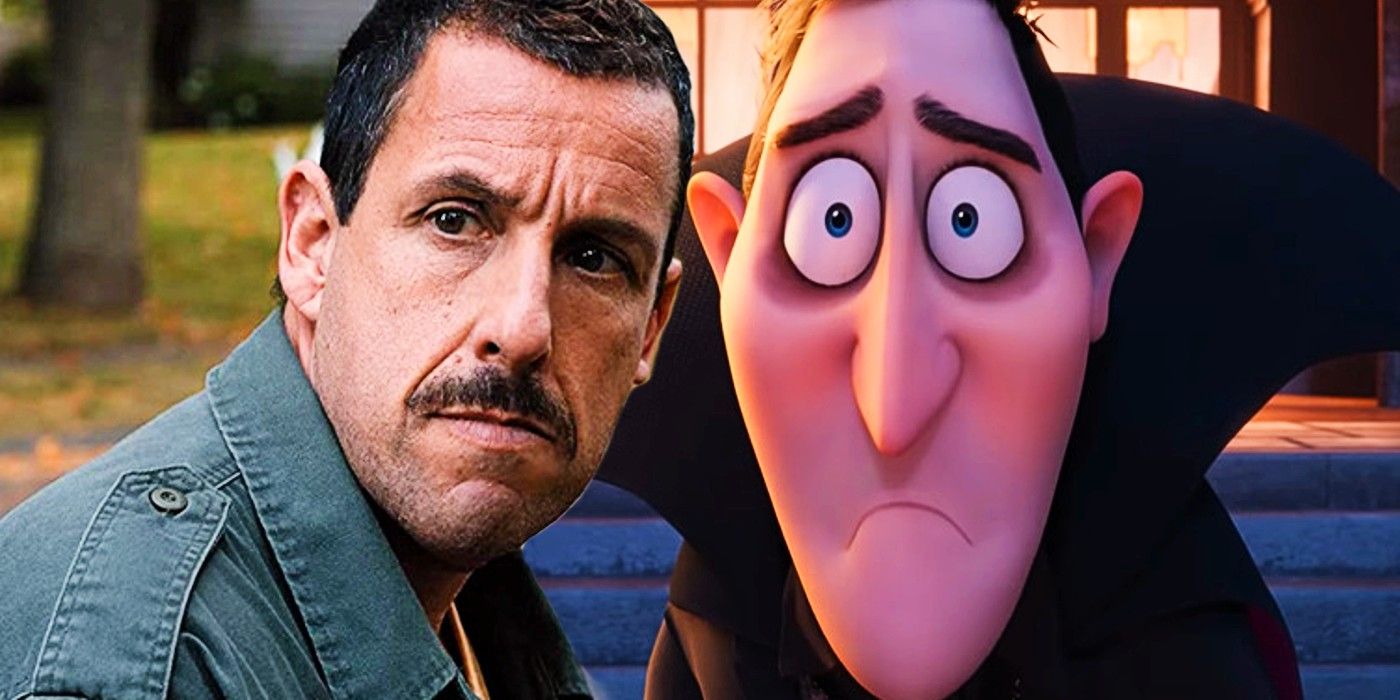
The most significant vocal shift occurred in Hotel Transylvania: Transformania. Due to scheduling conflicts, Adam Sandler did not voice Dracula in this final installment. Instead, the mantle was passed to Brian Hull, a voice actor known for his impressions and comedic work. While Hull admirably captured the essence and vocal cadence of Dracula, the absence of Sandler’s unique presence was noticeable to long-time fans. The narrative of Transformania also presented a unique challenge, with Dracula and his monster friends being transformed into humans. This necessitated a slightly different vocal approach from Hull, requiring him to convey the confusion and eventual adaptation of a vampire suddenly experiencing human limitations. Despite the change in voice actor, the creative team aimed to maintain the character’s core personality, ensuring that Dracula’s spirit, though voiced by a new talent, remained recognizable within the context of the story.
The Impact of Adam Sandler’s Voice
The influence of Adam Sandler’s voice on the character of Dracula cannot be overstated. His portrayal was more than just providing vocal lines; it was about imbuing the character with a specific comedic sensibility and an emotional depth that resonated with a broad audience. Sandler’s inherent ability to blend silliness with heartfelt moments allowed Dracula to be both a hilarious figure and a relatable parent. This duality was crucial for the success of the Hotel Transylvania franchise, which skillfully balanced slapstick humor with themes of family, acceptance, and overcoming prejudices.
For many viewers, particularly younger audiences, Adam Sandler is the voice of Dracula. His distinctive delivery, characterized by a slightly nasal tone, a knack for exaggerated pronouncements, and moments of surprising tenderness, became synonymous with the character. This vocal signature contributed significantly to the film’s comedic landscape, making Dracula’s pronouncements and reactions instantly amusing. Beyond the humor, Sandler infused his performance with genuine paternal concern, particularly in his interactions with Mavis. This emotional resonance helped to ground the fantastical elements of the story and made Dracula a more complex and endearing character. The success of his performance in the first three films established a benchmark, demonstrating how a well-chosen voice actor could elevate an animated character into a beloved icon. The continuity of his voice across multiple films solidified his connection to the role, creating a strong brand identity for the Hotel Transylvania series.
Beyond the Voice: The Appeal of Hotel Transylvania
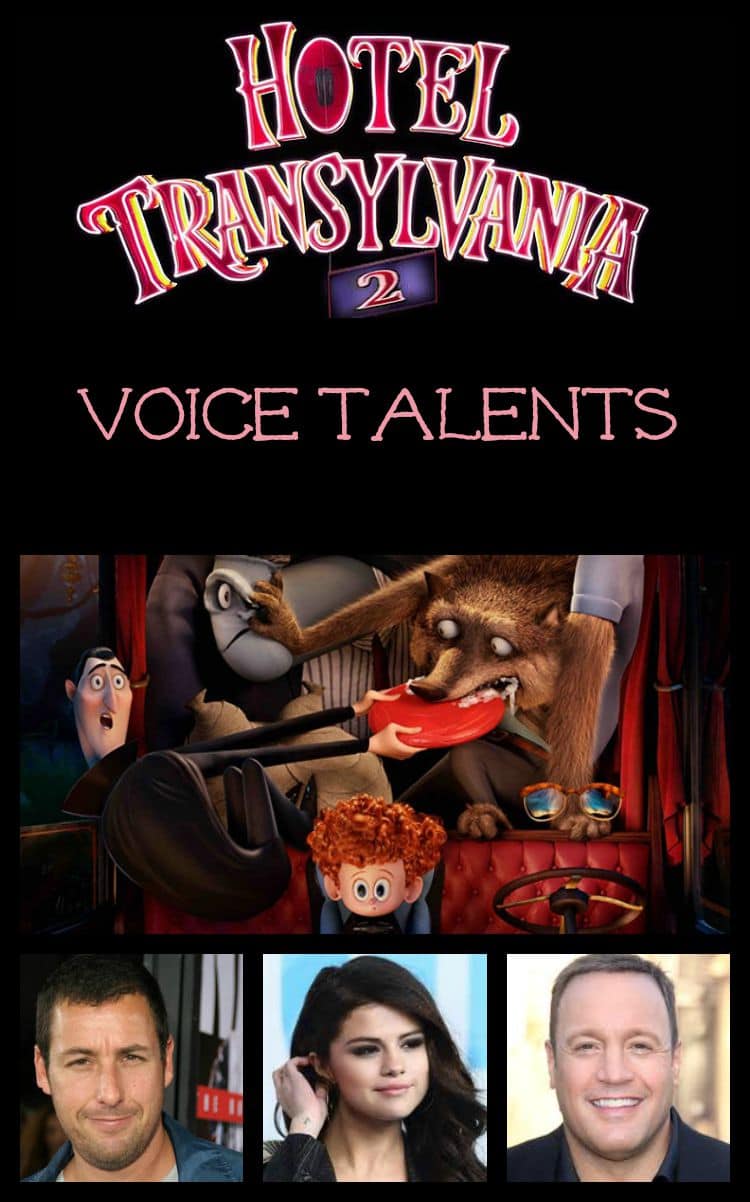
The Hotel Transylvania franchise extends its charm far beyond the iconic voice of its lead character. The series has successfully carved out a unique niche in the animation landscape by offering a delightful blend of humor, heart, and a refreshing take on classic monster lore. The premise itself is ingenious: a five-star resort catering exclusively to monsters, a sanctuary where they can escape the prying eyes of humans and enjoy a well-deserved vacation. This concept immediately sparks imagination and allows for a vibrant tapestry of characters, each with their own quirks and comedic potential.
The visual design of the films plays a crucial role in their appeal. The animation is lush and imaginative, bringing to life a world filled with gothic grandeur and whimsical details. From the imposing yet inviting architecture of the Hotel Transylvania itself to the diverse and creatively rendered monster inhabitants – including Frankenstein, Murray the Mummy, Wayne the Werewolf, and Griffin the Invisible Man – every frame is a feast for the eyes. The imaginative settings, whether it’s the eerie elegance of the hotel or the exotic locales visited during Dracula’s adventures like the Atlantis on a cruise ship, contribute to the overall immersive experience.
Furthermore, the thematic underpinnings of the Hotel Transylvania series resonate deeply with audiences of all ages. At its core, the story is about family, acceptance, and breaking down barriers. Dracula’s journey from a fiercely protective father to a loving grandfather and even a potential romantic interest showcases a character who is constantly learning and growing. The films champion the idea of embracing differences, whether it’s monsters interacting with humans or different monster species coexisting. This message of inclusivity is delivered with a light touch, making it accessible and engaging for children while offering subtle commentary for adults. The humor, a blend of slapstick, witty dialogue, and character-driven jokes, ensures that the films remain entertaining throughout, making a trip to the animated Hotel Transylvania a consistently enjoyable experience, akin to discovering a hidden gem of a resort or an unforgettable travel destination. The success of the franchise lies in its ability to create a world that is both fantastically imaginative and emotionally grounded, a balance that has cemented its place in popular culture.
LifeOutOfTheBox is a participant in the Amazon Services LLC Associates Program, an affiliate advertising program designed to provide a means for sites to earn advertising fees by advertising and linking to Amazon.com. Amazon, the Amazon logo, AmazonSupply, and the AmazonSupply logo are trademarks of Amazon.com, Inc. or its affiliates. As an Amazon Associate we earn affiliate commissions from qualifying purchases.