
The Plaza Hotel New York, a name synonymous with luxury, grandeur, and an quintessential New York experience, has captivated imaginations for over a century. More than just a place to stay, it is a living landmark, a silent observer of history, and a coveted piece of prime real estate. Given its iconic status, the question of its ownership is not merely a matter of corporate records but an inquiry into the stewardship of a cultural treasure. The journey of its proprietorship reflects the ebb and flow of global economics, the ambitions of tycoons, and the strategic investments of international entities. Understanding who holds the reins of the Plaza is to understand a microcosm of high-stakes real estate and the enduring allure of world-class hospitality.
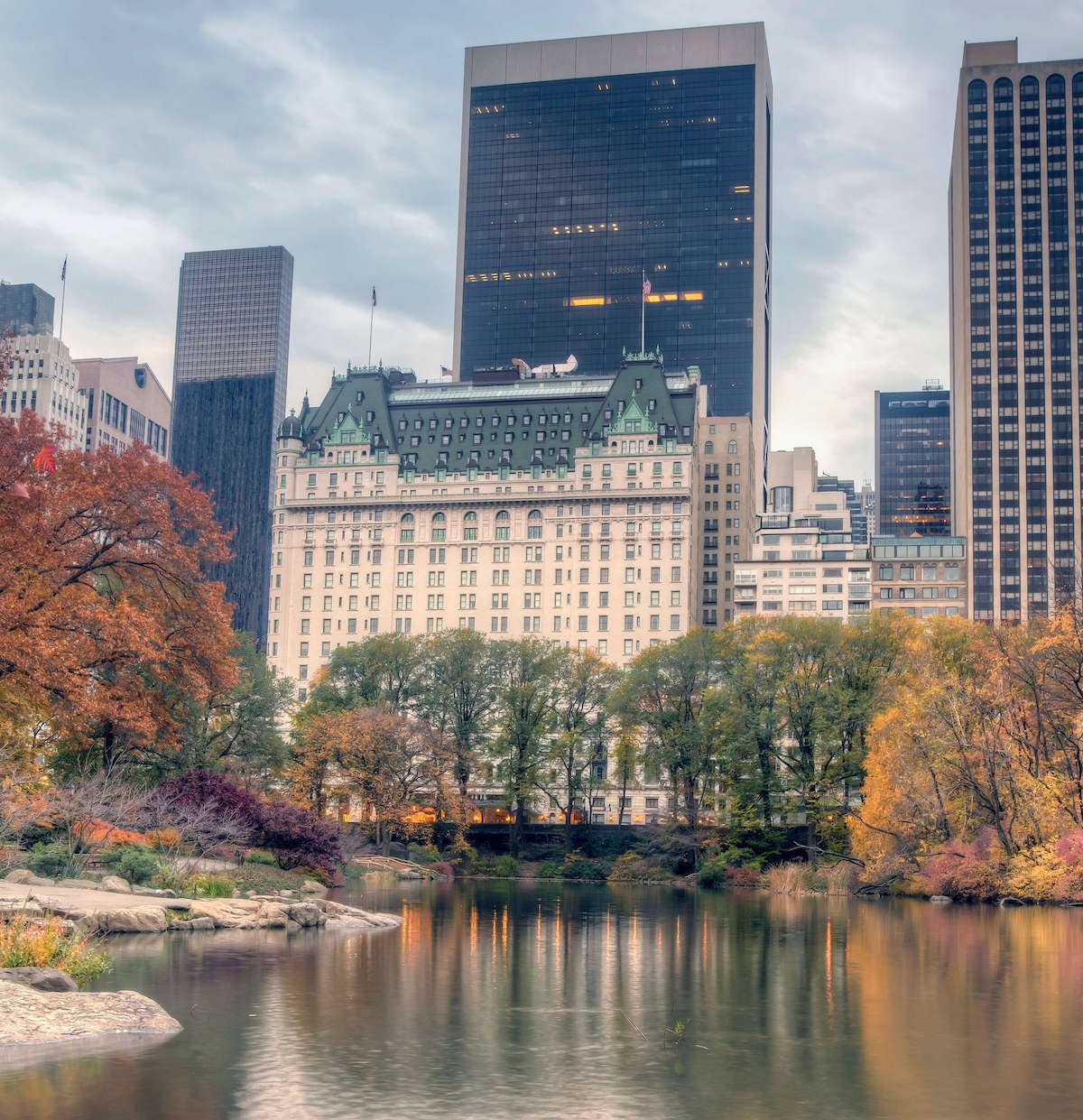
A Legacy of Grandeur: The Plaza Hotel’s Enduring Appeal
Opened in 1907, the Plaza Hotel quickly established itself as the premier destination for the affluent and influential. Its strategic location at the intersection of Fifth Avenue and Central Park South instantly positioned it as an urban oasis offering unparalleled views and accessibility to the city’s most desirable attractions. The vision behind its creation was to build the greatest hotel in the world, and for many, it achieved precisely that, becoming a symbol of American aspiration and European elegance intertwined.
Architectural Icon and Cultural Landmark
Designed by Henry Janeway Hardenbergh, the same architect responsible for the Dakota Building, the Plaza Hotel is an architectural masterpiece. Its French Renaissance chateau-style exterior, adorned with intricate detailing, grand arches, and a distinctive mansard roof, commands attention and respect. Inside, the opulence continues with marble staircases, crystal chandeliers, and lavish public spaces like the Palm Court and the Grand Ballroom. Beyond its aesthetic appeal, the Plaza has permeated popular culture, featuring prominently in countless films, books, and television shows, solidifying its status not just as a hotel, but as an integral part of New York’s identity. From scenes in Breakfast at Tiffany’s to the setting for Eloise books, its cultural footprint is undeniable, adding layers of intangible value to its physical structure.
A Symbol of Luxury and New York Elegance
The Plaza has long been a benchmark for luxury hospitality. Its suites, once homes to royalty, celebrities, and titans of industry, offer an experience steeped in history and refined service. The reputation for impeccable service, exquisite dining, and an ambiance that transports guests to an era of classic sophistication has endured through numerous ownership changes. It’s a place where tradition is cherished, and innovation is embraced to meet the evolving expectations of discerning travelers. This blend of historical reverence and contemporary luxury is a crucial component of its enduring market value and its appeal to investors seeking to acquire a piece of unparalleled prestige.
Unraveling the Ownership Tapestry
The ownership history of the Plaza Hotel is as rich and complex as the building itself, marked by a series of significant transactions and high-profile individuals. Each change of hands has brought new visions, investment strategies, and at times, dramatic shifts in its operational philosophy.
Early Beginnings and Founding Vision
The original Plaza Hotel opened in 1890, but it was deemed too small and quickly demolished to make way for the current structure. The new hotel, completed in 1907, was conceived by a consortium of investors who saw the potential for a grand European-style hotel in New York City. Over its early decades, ownership passed through various hands, often involving prominent New York real estate families and investment groups, reflecting the burgeoning real estate market of the early 20th century.
A Succession of Prominent Custodians
One of the most notable early owners was Conrad Hilton, the founder of Hilton Hotels, who purchased the Plaza in 1943 for a then-record-breaking $7.4 million. His ownership marked a period of significant modernization and operational efficiency, integrating the Plaza into a larger hotel chain while preserving its distinct luxury identity. In 1953, the Plaza was sold to A.M. Sonnabend’s hotel chain, which meticulously maintained its historic grandeur. Later, the hotel became part of the Western International Hotels portfolio, continuing its legacy of high-end hospitality.
The Trump Era and Financial Reconfigurations
Perhaps one of the most publicized ownership periods began in 1988 when Donald Trump acquired the Plaza for approximately $407 million. Trump, then a prominent real estate mogul, famously declared it “the greatest symbol of success, status, and luxury” and appointed his then-wife, Ivana Trump, as its president. However, the acquisition was heavily leveraged, and the Trump Organization ultimately faced financial difficulties related to the property. The hotel went through bankruptcy proceedings in the early 1990s, leading to a complex restructuring of its debt and ownership. Following this period, the Plaza was sold in 1995 to a consortium that included Prince Al-Waleed bin Talal of Saudi Arabia‘s Kingdom Holding Company and Millennium & Copthorne Hotels. This period saw further investments in restoration and a renewed focus on its luxury offerings.
Current Custodianship: The Sahara and Katara Holdings Chapter
The 21st century brought new international investors to the Plaza Hotel, reflecting the global nature of ultra-luxury asset ownership.
Sahara India Pariwar’s Investment

In 2005, the Plaza Hotel underwent a significant transformation, with parts of it being converted into luxury condominiums, while the remaining hotel portion continued to operate. In 2012, Sahara India Pariwar, an Indian conglomerate led by Subrata Roy, acquired a majority stake in the iconic property from El-Ad Properties for approximately $575 million. The Sahara acquisition was part of a broader strategy to invest in prestigious global assets. However, financial challenges for the Sahara Group back in India eventually led to the necessity of divesting some of their international holdings, including the Plaza.
Katara Hospitality’s Strategic Acquisition
This brings us to the present. In 2018, Katara Hospitality, a leading global hotel owner, developer, and operator based in Qatar, completed the acquisition of the Plaza Hotel from Sahara India Pariwar for an estimated $600 million. This acquisition marked a significant strategic move for Katara Hospitality, which boasts an impressive portfolio of iconic hotels and resorts around the world. As a wholly-owned subsidiary of the Qatar Investment Authority, the sovereign wealth fund of Qatar, Katara Hospitality possesses substantial resources and a long-term vision for its luxury properties.
A Blend of Vision and Global Reach
Under Katara Hospitality’s ownership, the Plaza Hotel continues to operate as an ultra-luxury hotel, managed by Fairmont Hotels & Resorts. Fairmont itself is part of the larger Accor group, a global leader in hospitality. This management structure ensures that the Plaza benefits from the operational expertise and global distribution network of a major international hotel brand, while its ownership rests with an entity dedicated to preserving and enhancing its heritage and luxury standing. The current ownership represents a powerful combination of sovereign wealth investment with a strategic commitment to high-end hospitality, positioning the Plaza for continued success in the global luxury market.
The Complexities of Modern Hotel Ownership
The story of the Plaza Hotel’s ownership underscores the intricate nature of managing and investing in historic, high-value hotel assets in the 21st century. It’s rarely a straightforward transaction but rather a multi-layered arrangement involving various specialized entities.
Multi-faceted Stakeholders and Management
Modern hotel ownership often involves a separation between the asset owner and the brand manager. In the case of the Plaza, Katara Hospitality is the owner, providing the capital and strategic oversight, while Fairmont Hotels & Resorts is responsible for the day-to-day operations, marketing, and brand standards. This model allows owners to leverage the expertise of established hotel operators, ensuring consistent service quality and brand recognition, while focusing their own resources on strategic investments and portfolio growth.
The Role of Brand Management (Fairmont Hotels & Resorts)
Fairmont Hotels & Resorts brings decades of experience in managing luxury properties around the world. Their brand promise aligns perfectly with the Plaza’s legacy of elegance and exceptional service. By entrusting operations to Fairmont, Katara Hospitality ensures that the Plaza maintains its global competitive edge, benefits from loyalty programs, and adheres to the highest industry standards, all while navigating the complexities of modern hospitality trends.
Investment Dynamics in Ultra-Luxury Properties
Acquiring and maintaining an ultra-luxury property like the Plaza Hotel is a significant financial undertaking. These assets often require continuous capital investment for renovations, technological upgrades, and maintenance to meet the exacting standards of discerning clientele. The high purchase prices, coupled with ongoing operational costs and the need for strategic positioning, mean that such investments are typically undertaken by entities with deep pockets and a long-term vision, often sovereign wealth funds, large investment groups, or global hospitality powerhouses. The Plaza’s value lies not just in its physical structure, but in its brand, history, and irreplaceable location, making it a truly unique investment.
The Future of The Plaza: Preserving Heritage, Embracing Evolution
The current ownership by Katara Hospitality signifies a commitment to the Plaza Hotel’s future as a premier luxury destination. Their portfolio strategy often focuses on acquiring and preserving iconic hotels, ensuring their legacy while enhancing their offerings for contemporary travelers.
Balancing Tradition with Contemporary Demands
The challenge for any owner of the Plaza is to strike a delicate balance: honoring its storied past and architectural integrity while simultaneously adapting to the evolving demands of the modern luxury traveler. This means investing in state-of-the-art technology, sustainable practices, and personalized experiences, all without compromising the historical charm and classic elegance that defines the Plaza. Katara Hospitality’s track record suggests they are well-equipped to navigate this intricate balance, ensuring the Plaza remains relevant and revered.

The Enduring Value of Iconic Hotel Assets
Ultimately, the ownership narrative of the Plaza Hotel New York is a testament to the enduring value of truly iconic hotel assets. Beyond financial statements, these properties embody history, culture, and an irreplaceable sense of place. For Katara Hospitality, acquiring the Plaza is not just about owning a building; it’s about becoming the custodian of a legend, a responsibility that comes with both prestige and the ongoing commitment to uphold its status as one of the world’s most celebrated hotels. The question “Who owns Plaza Hotel New York?” is answered by a Qatari entity, but the legacy it represents is truly global.
LifeOutOfTheBox is a participant in the Amazon Services LLC Associates Program, an affiliate advertising program designed to provide a means for sites to earn advertising fees by advertising and linking to Amazon.com. Amazon, the Amazon logo, AmazonSupply, and the AmazonSupply logo are trademarks of Amazon.com, Inc. or its affiliates. As an Amazon Associate we earn affiliate commissions from qualifying purchases.