
There’s a universally acknowledged truth among travelers: few things compare to sinking into a luxurious hotel bed after a day of exploration or business meetings. The crisp linens, the plush mattress, the supportive pillows – it all culminates in a sleep experience that often surpasses what we find at home. This isn’t accidental; it’s the result of meticulous planning, significant investment, and a deep understanding of human comfort and psychology by the hospitality industry. Hotels recognize that a good night’s sleep is paramount to guest satisfaction, leading them to engineer an environment designed for optimal rest and rejuvenation. From the foundation of the mattress to the thread count of the sheets, every element is carefully chosen to create that signature, irresistible comfort.

The Core Components: A Symphony of Support
The secret to hotel bed comfort begins with the fundamental components, each playing a crucial role in creating a cohesive, supportive, and supremely comfortable sleeping surface. It’s an intricate dance between structure and softness, designed to cater to a wide range of preferences and body types.
The Mattress: Foundation of Dreams
At the heart of every comfortable hotel bed is a high-quality mattress. Unlike typical home mattresses, hotels often invest in custom-designed models that offer a superior balance of support and plushness. Many upscale brands partner directly with manufacturers to develop proprietary mattresses. For example, the Westin Heavenly Bed revolutionized the industry, prompting other chains like Hilton with its Serenity Bed and Marriott with its Marriott Bed to follow suit with their own signature sleep offerings. These mattresses are typically thicker, often 12-14 inches deep, providing a substantial feel.
Hotels favor hybrid designs or high-quality innerspring mattresses with individually wrapped coils, which minimize motion transfer and contour better to the body. The firmness level is carefully chosen to be universally appealing – not too soft to cause back pain, nor too hard to feel unyielding. This medium-firm core provides essential spinal support, while generous padding layers add the initial sensation of softness. Durability is also a key factor; hotel mattresses are built to withstand constant use and maintain their integrity over time, ensuring a consistent experience for every guest. The investment in these high-grade foundations is significant, but it’s a non-negotiable expense for delivering on the promise of exceptional rest.
Mattress Toppers: The Cloud-Like Layer
Even the finest mattress can be elevated further with a luxurious mattress topper. This additional layer is often the key differentiator that transforms a firm bed into a cloud-like haven. Hotels frequently utilize plush mattress toppers to add an extra dimension of softness without compromising the underlying support of the mattress. Common choices include thick featherbeds, often filled with a blend of down and feathers for a sumptuous, sink-in feel. These toppers create a gentle cradle for the body, distributing weight evenly and relieving pressure points.
Alternatively, some hotels opt for memory foam toppers, which conform closely to the body’s contours, or high-density fiberfill toppers that provide hypoallergenic plushness. The topper serves multiple purposes: it enhances comfort, protects the main mattress, and can easily be replaced or refreshed, contributing to the overall hygiene and longevity of the bedding system. This simple addition makes a profound difference, offering that immediate, enveloping sensation of luxury that guests associate with a premium hotel stay.
High-Quality Linens: The Touch of Luxury
The sensory experience of a hotel bed is heavily influenced by its linens. The crispness, smoothness, and overall feel of the sheets and pillowcases are often what guests first notice and remember. Hotels typically invest in high-thread-count sheets, usually ranging from 300 to 600, crafted from premium materials like Egyptian cotton or Supima cotton. These fibers are known for their long staples, which result in incredibly soft, durable, and breathable fabrics that only get softer with each wash.
Beyond thread count, the weave also plays a role. Percale weaves offer a crisp, cool feel, while sateen weaves provide a silky-smooth, lustrous finish. Hotels also prioritize white linens, which not only convey cleanliness and freshness but also allow for easy bleaching and stain removal, maintaining their pristine appearance. The weight and drape of these high-quality fabrics contribute significantly to the overall sense of indulgence, making guests feel pampered from the moment they slip between the sheets. The meticulous laundering processes employed by hotels further enhance this effect, ensuring every sheet is flawlessly pressed and impeccably fresh.
Beyond the Basics: Curating the Sleep Environment
While the bed itself is crucial, the comfort of a hotel room extends far beyond the mattress and linens. Hotels meticulously curate the entire sleep environment, understanding that holistic comfort involves visual, tactile, and even olfactory elements. This comprehensive approach ensures that every detail contributes to a serene and restful atmosphere.
Pillows: Tailored for Every Sleeper
Pillows are not a one-size-fits-all component in luxury hotels. Recognizing that individuals have diverse preferences for head and neck support, hotels often provide a selection of pillows. A typical hotel bed might feature four to six pillows of varying firmness and fill. Guests can usually find a mix of soft down pillows for a plush, malleable feel and firmer synthetic or memory foam options for greater support. Some higher-end establishments, such as a Four Seasons or Ritz-Carlton, even offer “pillow menus,” allowing guests to select from an extensive range, including buckwheat, ergonomic, or anti-allergy options, ensuring personalized comfort. The quality of the pillowcases also contributes, often matching the luxuriousness of the bed sheets to maintain a consistent feel.
Duvets and Blankets: Optimal Temperature Regulation
The bedding layers beyond the sheets and pillows are equally important for comfort, especially concerning temperature regulation. Hotels typically use duvets filled with high-quality down or hypoallergenic synthetic alternatives that offer excellent warmth without excessive weight. The duvet covers are often crisp white, mirroring the sheets, and are changed between guests to maintain hygiene. The fill power of down duvets is carefully selected to provide warmth suitable for various climates, and some hotels even offer lighter or heavier options upon request.
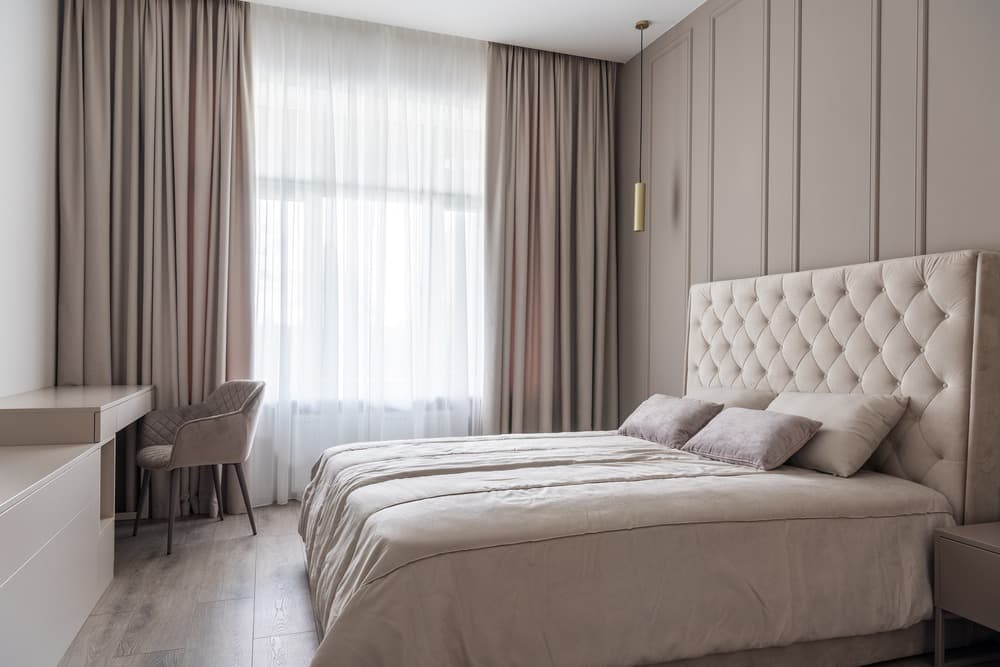
Layering is also a common strategy, with a thin blanket or throw sometimes placed at the foot of the bed. This allows guests to adjust their warmth levels easily, ensuring they can achieve their ideal sleeping temperature throughout the night. The combination of breathable sheets and a well-insulated duvet creates a microclimate within the bed that is conducive to deep, uninterrupted sleep.
The Aesthetics of Serenity: Design and Decor
Visual comfort plays a significant, albeit often subconscious, role in how comfortable a hotel room feels. Hotel interior designers prioritize creating a calming and uncluttered aesthetic in bedrooms. Color palettes tend to be soothing, featuring neutral tones like whites, creams, grays, and soft blues or greens. These colors are known to promote relaxation and reduce visual stimulation. Lighting is also meticulously planned, with options for dimmable ambient lighting, reading lights, and blackout curtains.
The furniture arrangement is typically spacious and functional, avoiding clutter. The overall design aims to create a sanctuary-like atmosphere, free from distractions. A well-designed hotel room doesn’t just look good; it feels good, contributing to a sense of tranquility that prepares guests for sleep. From the artwork on the walls to the texture of the carpet, every design choice is made with the guest’s comfort and relaxation in mind, ensuring the room is an oasis of calm.
The Science of Sleep: Hotel Edition
Hotels don’t just focus on the physical components of the bed; they delve into the science of sleep, addressing environmental factors that profoundly impact a guest’s ability to rest. They aim to control as many variables as possible to create the perfect sleeping conditions.
Soundproofing and Quiet Zones
One of the most significant challenges in any urban hotel, whether in bustling New York or vibrant Tokyo, is mitigating noise. Hotels invest heavily in soundproofing technologies to create quiet havens for their guests. This includes double-paned windows, solid core doors, insulated walls, and even thoughtful room placement away from elevators or high-traffic areas. Carpeting in hallways and rooms also absorbs sound, further reducing ambient noise. The goal is to minimize external disturbances – traffic, street noise, neighboring guests – allowing visitors to truly disconnect and relax. Many establishments, especially luxury resorts like a Waldorf Astoria in Maui, are strategically designed to maximize tranquility in guest areas. The absence of unwanted sound allows the brain to fully enter relaxation mode, paving the way for deeper, more restorative sleep.
Temperature Control: The Perfect Climate
The optimal temperature for sleep is generally between 60 and 67 degrees Fahrenheit (15-19 degrees Celsius). Hotels empower guests to achieve their ideal climate through easily accessible and precise temperature control systems. Modern HVAC systems in hotel rooms are designed to quietly and efficiently maintain a consistent temperature, preventing uncomfortable fluctuations throughout the night. Good air quality, often with filtered air, also contributes to a feeling of freshness and promotes easier breathing, which is essential for uninterrupted sleep. The ability to customize the room’s temperature to individual preference is a subtle yet powerful comfort factor.
Sensory Harmony: Subtle Scents and Visuals
Beyond sound and temperature, hotels often engage other senses to enhance the sleep experience. Many high-end hotels utilize subtle, calming scents in their public areas and sometimes even offer in-room aromatherapy options. Scents like lavender or chamomile are known for their relaxation properties. Visually, the complete darkness achieved by blackout curtains is crucial. Even a sliver of light can disrupt melatonin production, the hormone that regulates sleep. Hotels ensure that their window treatments effectively block out all external light, creating a truly dark environment conducive to deep sleep. The combination of quiet, optimal temperature, calming scents, and complete darkness creates a sensory harmony that lulls guests into a profound state of relaxation.
The Business of Bliss: Why Hotels Prioritize Sleep
Investing heavily in bed comfort and the sleep environment isn’t merely an act of generosity; it’s a strategic business decision that yields significant returns for hotels. The quality of sleep directly impacts guest satisfaction, loyalty, and ultimately, the hotel’s reputation and profitability.
Guest Satisfaction and Loyalty
In the highly competitive hospitality market, guest satisfaction is paramount. A comfortable bed and a good night’s sleep are frequently cited as top factors influencing a guest’s overall experience. Satisfied guests are more likely to leave positive reviews, recommend the hotel to others, and become repeat customers. Think of the lasting impression made by a stay at a St. Regis or a Fairmont – the memories often revolve around the luxurious comfort. Conversely, a poor night’s sleep due to an uncomfortable bed can quickly lead to negative feedback, damaging the hotel’s online reputation and discouraging future bookings. Hotels understand that a good night’s rest is a key performance indicator of their service quality and directly translates into higher guest retention rates.
Competitive Edge and Branding
Many hotel chains have successfully used their beds as a unique selling proposition and a core part of their brand identity. The aforementioned Westin Heavenly Bed is a prime example; it became so popular that Westin began selling the entire bedding package to consumers. This allows guests to recreate the hotel experience at home, further cementing brand loyalty. Developing a signature bed or a comprehensive sleep program allows a hotel to differentiate itself from competitors and create a memorable experience. When guests specifically choose a hotel because they know they’ll get an exceptional night’s sleep, it provides a significant competitive advantage in cities like London or Paris, where options abound.

Investing in Experience: It Pays Off
While high-quality mattresses, linens, and soundproofing systems represent a substantial upfront investment, hotels view these as essential expenditures rather than optional luxuries. The return on investment comes from increased occupancy rates, higher average daily rates (ADR), and reduced marketing costs due to positive word-of-mouth. Happy, well-rested guests are also more likely to spend more on other hotel amenities, such as spa services, dining, or room service. Ultimately, the comfort of a hotel bed is not just about providing a place to sleep; it’s about selling an entire experience – one of relaxation, rejuvenation, and indulgence. By mastering the art and science of sleep, hotels ensure their guests leave feeling refreshed, invigorated, and eager to return. This strategic focus on superior sleep comfort is a cornerstone of success in the modern hospitality industry.
LifeOutOfTheBox is a participant in the Amazon Services LLC Associates Program, an affiliate advertising program designed to provide a means for sites to earn advertising fees by advertising and linking to Amazon.com. Amazon, the Amazon logo, AmazonSupply, and the AmazonSupply logo are trademarks of Amazon.com, Inc. or its affiliates. As an Amazon Associate we earn affiliate commissions from qualifying purchases.