
Idaho, often celebrated for its majestic mountains, pristine rivers, and vast wilderness, holds a special place in the hearts of nature enthusiasts and wildlife observers. Beyond its stunning landscapes, the Gem State boasts a vibrant tapestry of local culture, much of which is interwoven with its rich natural heritage. Central to this heritage, and a point of pride for residents, is the official state bird. For visitors looking to immerse themselves in the authentic spirit of Idaho, understanding and appreciating its natural symbols offers a unique pathway into its essence. The question “What is the Idaho State Bird?” leads us directly to one of the most enchanting avian species of the American West, a creature whose very presence embodies the state’s rugged beauty and serene charm.
The state bird serves as more than just a biological emblem; it’s a living testament to the ecological diversity and conservation values of a region. For tourists, recognizing this iconic species can transform a casual visit into a deeply engaging experience, offering opportunities for birdwatching, photography, and a deeper connection to the local environment. It provides a focal point for understanding the delicate balance of Idaho’s ecosystems and the efforts undertaken to preserve them. Delving into the story of Idaho’s state bird unveils layers of natural history, cultural significance, and practical tips for encountering this beautiful creature in its natural habitat, enriching any journey through this remarkable state.
The Mountain Bluebird: A Symbol of Idaho’s Natural Beauty
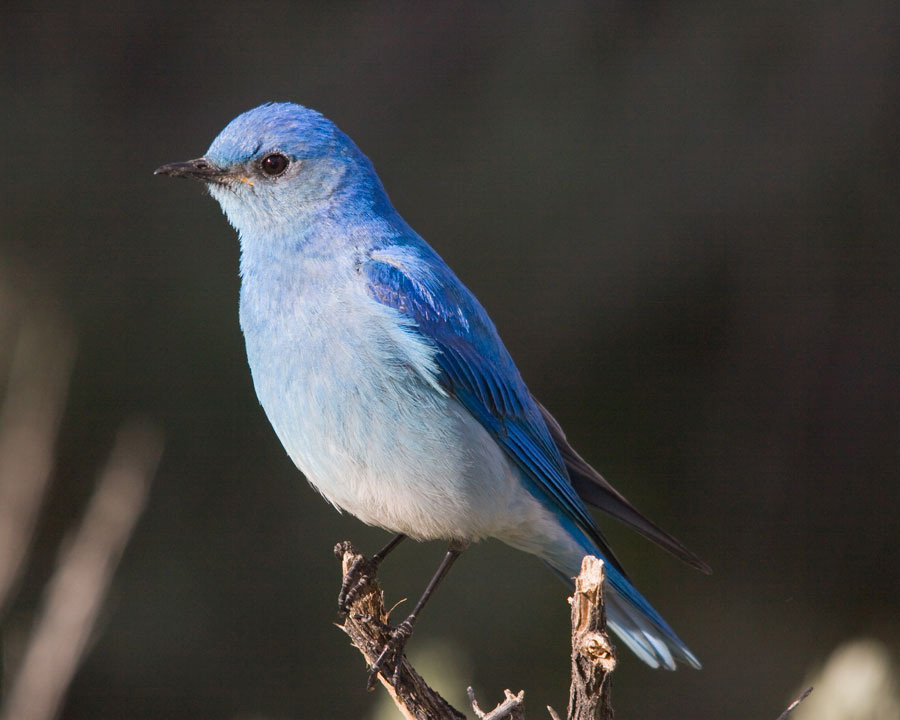
The official state bird of Idaho is the exquisite Mountain Bluebird (Sialia currucoides). Adopted as the state bird in 1931, this decision was a tribute to the bird’s widespread presence across the state’s diverse landscapes and its captivating beauty. The Mountain Bluebird is renowned for its striking plumage, particularly the male’s vibrant azure blue, which can appear almost iridescent under certain light conditions. It’s a bird that seems to carry a piece of the vast Idaho sky on its wings, making it a perfect emblem for a state celebrated for its expansive horizons and breathtaking natural vistas.
The selection of the Mountain Bluebird was not merely an aesthetic choice; it reflected a broader appreciation for the ecological role and natural beauty that this species contributes to the Idaho environment. Its presence signals healthy high-altitude ecosystems and a thriving insect population, on which it primarily feeds. This bird is a harbinger of spring in many parts of the state, its arrival eagerly anticipated by nature lovers and birdwatchers alike. Its gentle song and graceful flight add an ethereal quality to the rugged mountain scenery, inviting both residents and visitors to pause and appreciate the subtleties of nature.
Identifying the Mountain Bluebird
For tourists keen on spotting the Idaho state bird, knowing its distinguishing features is crucial. The male Mountain Bluebird is unmistakable, almost entirely covered in a brilliant, sky-blue plumage, with a slightly paler belly. Unlike other bluebird species, the male Mountain Bluebird lacks any rusty coloration on its chest or flanks, making its blue hue truly stand out.
Females, while still beautiful, are more subdued in color, typically exhibiting a duller blue or grayish-blue on their wings and tail, with a gray body and a faint wash of brown or blue on their chest. Juveniles are speckled and brown, gradually developing their adult coloration. Their relatively slender build and upright posture when perched are also good indicators. These birds are often seen hovering over open ground while hunting for insects, a characteristic behavior that aids in their identification. Their song is a soft, warbling “tur-a-lee,” a pleasant addition to the sounds of the Idaho wilderness. Bird guides and apps can provide excellent visual and auditory aids for identification, enhancing the birdwatching experience for novices and seasoned enthusiasts alike.
Historical Significance and Adoption as State Bird
The journey of the Mountain Bluebird to becoming Idaho’s state bird is rooted in a movement to foster state pride and recognize unique natural attributes. In the early 20th century, many states began adopting official symbols, including state birds, to represent their distinct character. For Idaho, a state deeply connected to its expansive natural environment, a bird that epitomized the beauty of its mountains and high plains was a fitting choice.
School children and various civic organizations played a significant role in advocating for the [Mountain Bluebird](https://lifeoutofthebox.com/mountain bluebird). Their efforts culminated in the state legislature officially designating it as the state bird on February 28, 1931. This act solidified the Mountain Bluebird’s place in Idaho’s cultural identity, making it a recognizable symbol featured in educational materials, local artwork, and tourist promotions. Its selection reflects a collective appreciation for the state’s natural heritage and the desire to instill an early sense of environmental stewardship among its citizens. For tourists, understanding this history adds a layer of depth to their appreciation of the bird, connecting them to the ongoing narrative of Idaho’s cultural and natural evolution.
Where to Witness the Mountain Bluebird in Idaho
For birdwatching enthusiasts and curious travelers, encountering the Mountain Bluebird in its natural habitat is an unforgettable experience. Idaho’s diverse topography, ranging from high deserts to alpine meadows, provides ample opportunities to spot this avian jewel. Its preferred habitats include open, arid country with scattered trees, sagebrush flats, mountain meadows, and clearings in coniferous forests. Unlike its Eastern and Western bluebird cousins, the Mountain Bluebird is less dependent on human habitation and often found in more remote, open landscapes.
Planning a trip with birdwatching in mind can significantly enhance a tourist’s engagement with Idaho’s natural beauty. Many of the state’s most popular tourist destinations also happen to be excellent birding locations. This allows for a multi-faceted travel experience, combining sightseeing with the thrill of wildlife observation. From the rugged peaks to the tranquil valleys, the bluebird’s presence is a reminder of the unspoiled nature that defines much of the Gem State.
Prime Habitats and Viewing Locations
The Mountain Bluebird is widely distributed across Idaho, particularly in the central and southern parts of the state where open woodlands and meadows are prevalent. Excellent locations for sightings include the high country of the Rocky Mountains and various national forests that crisscross Idaho.
Areas like the Sawtooth National Recreation Area offer stunning backdrops for bluebird encounters, with their vast alpine meadows and Ponderosa pine forests. The expansive plains around places such as the Craters of the Moon National Monument and Preserve, despite their volcanic terrain, also host populations of Mountain Bluebirds in suitable open areas. Even closer to urban centers like Boise, in the foothills and surrounding natural parks, bluebirds can be observed, especially during migration periods. Elevated areas with scattered trees, such as golf courses, orchards, and rural farmlands, also present good opportunities. Visitors exploring Idaho’s section of Yellowstone National Park or the numerous state parks will also find suitable habitats for the Mountain Bluebird within their boundaries.
Best Times for Birdwatching
To maximize the chances of spotting the Mountain Bluebird, timing your visit to Idaho is key. The bluebirds are typically present in Idaho from early spring through late autumn.
- Spring (April to May): This is an excellent time as the birds return from their wintering grounds, are actively seeking mates, and begin nesting. Males are particularly vibrant during this period as they display for females. Their songs are also more frequent.
- Summer (June to August): Bluebirds are busy raising their young. While they might be slightly less conspicuous than in spring, they can still be found foraging in open fields and meadows. Early mornings and late afternoons are generally the best times for bird activity.
- Autumn (September to October): As temperatures drop, bluebirds gather in small flocks before migrating south. This period offers opportunities to see them in larger groups, often feeding on berries to build up energy for their journey.

During the winter months, Mountain Bluebirds typically migrate to warmer climates in the southern U.S. and Mexico, though some may remain in milder lower elevations in Idaho if food sources are abundant. For the quintessential Idaho bluebird experience, a spring or early summer visit offers the most rewarding sightings.
Engaging with Idaho’s Avian Culture: Activities and Tips for Tourists
Engaging with Idaho’s rich avian culture, particularly centered around the Mountain Bluebird, offers a unique layer to any tourist itinerary. It moves beyond passive observation to active participation in understanding and appreciating local wildlife. For visitors, this means embracing responsible birdwatching practices, connecting with local conservation efforts, and recognizing the broader ecological tapestry of the state. It transforms a simple desire to see the state bird into an educational and culturally enriching endeavor.
Birdwatching Ethics and Best Practices
Responsible birdwatching is paramount to ensuring the welfare of the birds and their habitats. Tourists engaging in birding activities should adhere to a set of ethical guidelines:
- Observe from a Distance: Use binoculars or spotting scopes to get a close view without disturbing the birds. Approaching too closely can cause stress, especially during nesting season.
- Minimize Disturbances: Avoid making loud noises, sudden movements, or flushing birds from their nests or perches.
- Stay on Trails: Wandering off marked paths can damage delicate ecosystems and disturb ground-nesting birds.
- Respect Private Property: Always seek permission before entering private land.
- Do Not Feed Wild Birds: While well-intentioned, feeding can alter natural behaviors, lead to dependency, and spread disease.
- Avoid Nest Disturbance: Locating and observing nests should be done discreetly and from a distance to prevent attracting predators or causing parents to abandon their young.
- Pack It In, Pack It Out: Leave no trace of your visit, ensuring the natural environment remains pristine.
By following these practices, tourists contribute positively to conservation efforts and ensure that future generations can also enjoy Idaho’s avian wonders.
Local Birding Trails and Organizations
Idaho offers numerous birding trails and hotspots, many of which are specifically designed for public access and wildlife viewing. Resources like the Idaho Birding Trail guides can provide detailed maps and information on prime locations. Local chapters of organizations like the National Audubon Society or the Idaho Department of Fish and Game often host guided bird walks, workshops, and events that are excellent for learning more about local bird species, including the Mountain Bluebird. Participating in such activities provides an opportunity to connect with local experts and fellow enthusiasts, enriching the birdwatching experience.
Many state parks, national forests, and wildlife refuges across Idaho feature interpretive centers and designated viewing areas. For example, the Boise River Greenbelt offers accessible birding opportunities near the state capital, while more remote areas like the Sawtooth National Recreation Area provide unparalleled wilderness birding. Utilizing these resources can guide tourists to the most rewarding bluebird habitats.
Beyond the Bluebird: Idaho’s Rich Avian Diversity
While the Mountain Bluebird holds a special place, Idaho’s avian diversity extends far beyond its state bird. The state is a crucial habitat for a wide array of species, offering excellent opportunities to spot raptors like Golden Eagles and Red-tailed Hawks, water birds such as American White Pelicans and various duck species on its numerous lakes and rivers, and a plethora of songbirds in its forests and meadows.
Depending on the region and season, birdwatchers might encounter vibrant Western Tanagers, distinctive Western Meadowlarks, or the elusive Great Gray Owl. The varied ecosystems support species adapted to everything from high alpine tundra to arid deserts, making Idaho a fascinating destination for birders interested in a broad spectrum of North American birds. Exploring this wider avian landscape adds depth to the understanding of Idaho’s natural environment and reinforces its reputation as a haven for wildlife.
The Mountain Bluebird’s Role in Idaho Conservation and Tourism
The Mountain Bluebird, as Idaho’s state bird, plays a dual role: it is a focal point for conservation efforts and a natural ambassador for the state’s burgeoning ecotourism industry. Its status helps to highlight the importance of preserving natural habitats and encourages responsible interaction with wildlife. For tourists, an appreciation of the bluebird’s significance can transform their visit into a more meaningful and environmentally conscious experience.
Conservation Efforts and Their Impact
Like many species, Mountain Bluebirds face threats from habitat loss due to development, pesticide use, and competition for nesting sites with invasive species like European Starlings. However, dedicated conservation efforts in Idaho and across the West are working to protect and enhance bluebird populations.
A primary conservation strategy involves the establishment of bluebird trails, which are networks of artificial nest boxes placed in suitable habitats. These boxes provide safe nesting sites, significantly increasing reproductive success. Local birding groups, volunteers, and organizations like the Idaho Department of Fish and Game actively monitor these trails, collect data, and maintain the boxes. Educational programs also play a vital role, raising public awareness about the bluebird’s needs and how individuals can contribute to its survival. These efforts not only benefit the Mountain Bluebird but also serve as a model for broader avian conservation, underscoring Idaho’s commitment to preserving its natural heritage.

Promoting Ecotourism through Avian Heritage
The Mountain Bluebird serves as a charismatic ambassador for Idaho’s ecotourism offerings. Its appeal draws birdwatchers and nature photographers from around the globe, contributing to the local economy while promoting sustainable tourism practices. Ecotourism in Idaho emphasizes low-impact travel, environmental education, and supporting local communities.
Tour operators, guides, and accommodations often highlight opportunities to see the state bird, offering tailored experiences that combine stunning scenery with wildlife observation. This approach encourages visitors to explore Idaho’s less-traveled paths, appreciate its wilderness, and understand the importance of conservation. By connecting tourists with the natural beauty and ecological significance of the Mountain Bluebird, Idaho not only celebrates its unique avian heritage but also fosters a deeper global appreciation for responsible travel and environmental stewardship. The bluebird, in its serene beauty, thus becomes a symbol of Idaho’s commitment to preserving its wild heart for generations to come.
LifeOutOfTheBox is a participant in the Amazon Services LLC Associates Program, an affiliate advertising program designed to provide a means for sites to earn advertising fees by advertising and linking to Amazon.com. Amazon, the Amazon logo, AmazonSupply, and the AmazonSupply logo are trademarks of Amazon.com, Inc. or its affiliates. As an Amazon Associate we earn affiliate commissions from qualifying purchases.