
Idaho, a state renowned for its breathtaking natural beauty, from the towering peaks of the Rocky Mountains to the vast expanse of the Snake River Plain, boasts a rich tapestry of flora that mirrors its diverse landscapes. While many visitors flock to Idaho to explore its stunning national parks, ski resorts, and vibrant cities like Boise and Sun Valley, there’s a subtle yet significant symbol that represents the state’s botanical heritage: its official state flower. Delving into the identity of this floral emblem offers a charming glimpse into the state’s character and its appreciation for the natural world.
The Delicate Beauty of the Syringa
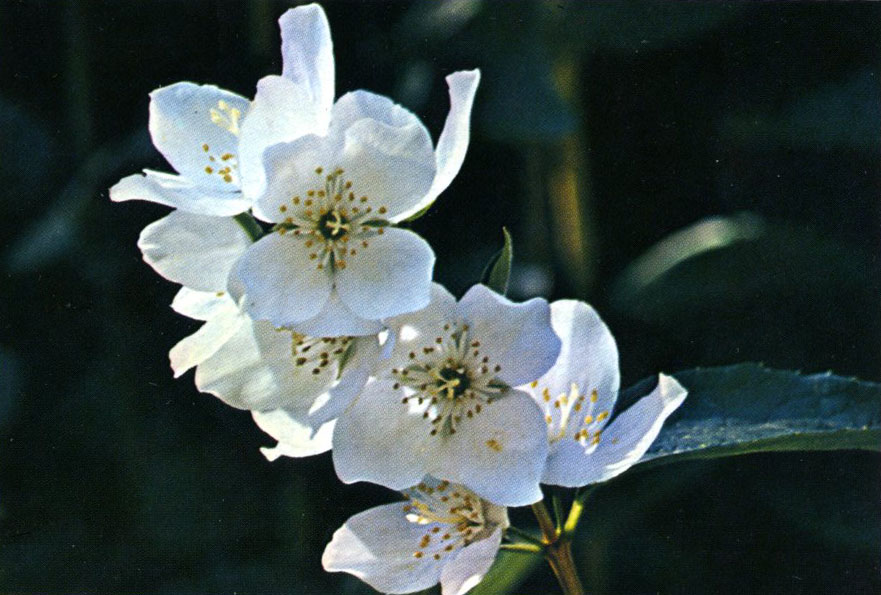
The official state flower of Idaho is the Syringa (Philadelphus lewisii). This elegant shrub, often recognized for its fragrant, white, star-shaped blossoms, was officially designated as the state flower on February 10, 1931. Its selection was a deliberate choice, reflecting its prevalence and beauty throughout the state’s diverse ecosystems. The Syringa is not just a pretty face; it’s deeply intertwined with the history and natural allure of Idaho.
A Symbol Rooted in History and Nature
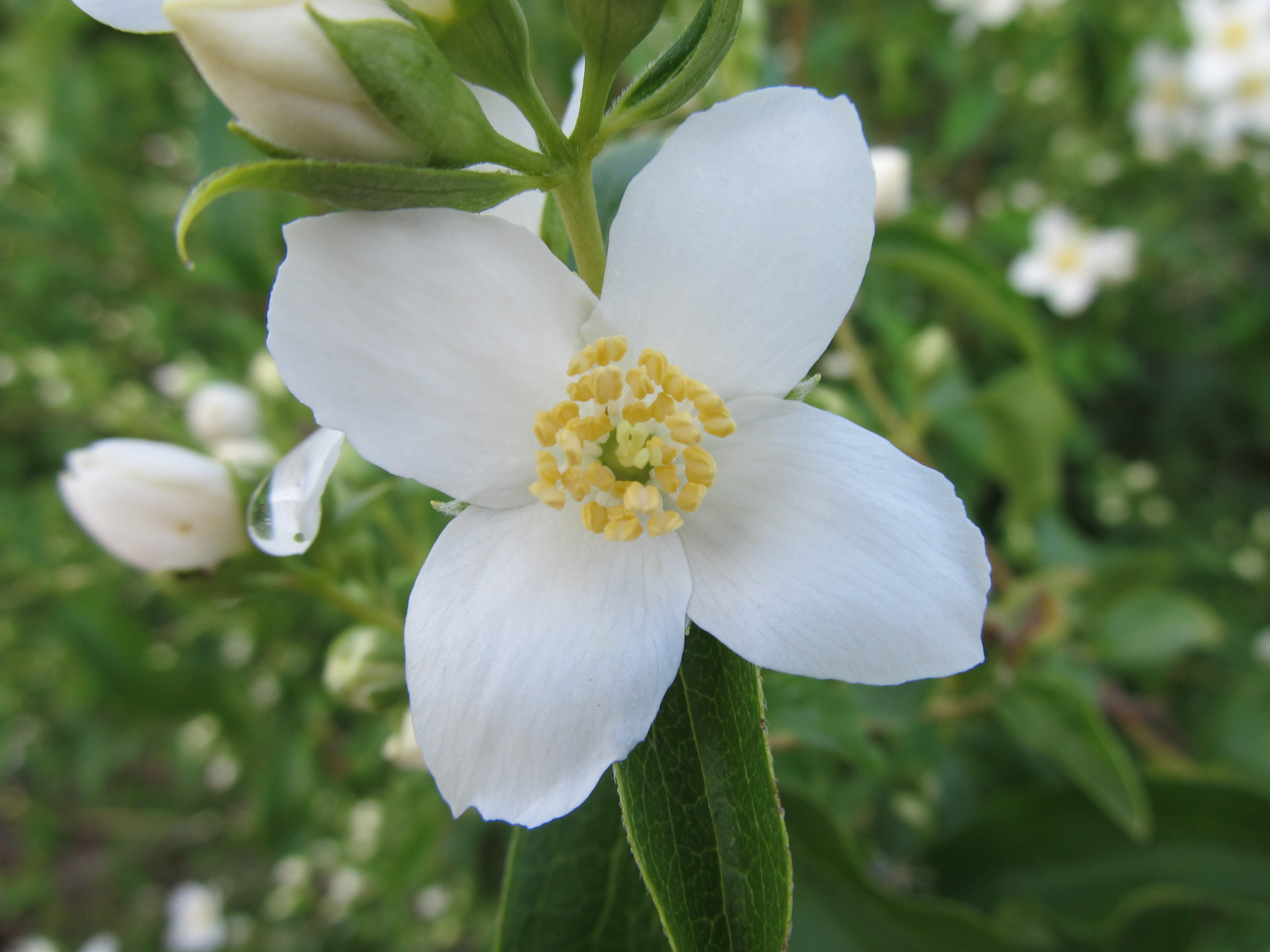
The Syringa is a deciduous shrub that typically grows between 3 to 9 feet in height, though some varieties can reach up to 15 feet. Its leaves are ovate to lance-shaped and its most distinctive feature is its cluster of pure white, highly fragrant flowers. Each flower, about an inch in diameter, possesses four petals and a prominent cluster of stamens, giving it a star-like appearance. The fragrance is particularly potent on warm, sunny days, a scent that many find evocative of the mountain air and wild spaces of Idaho.
The scientific name, Philadelphus lewisii, honors Meriwether Lewis, co-leader of the Lewis and Clark Expedition. Captain Lewis collected specimens of the Syringa during his travels through the region, documenting its presence and beauty. This historical connection further imbues the flower with significance for the state, linking it to the early exploration and westward expansion of the United States. The Syringa’s ability to thrive in various conditions, from moist woodlands to drier slopes, makes it a resilient and ubiquitous presence across Idaho, from the Panhandle to the southern desert regions.
Exploring the Syringa’s Natural Habitat and Significance
The Syringa is a hardy plant, perfectly adapted to the varied climate and terrain of Idaho. It is often found in shaded canyons, along streambanks, and on open hillsides, particularly in the mountainous areas. Its presence is a common sight for hikers and campers exploring iconic natural landmarks like Sawtooth National Recreation Area or traversing the scenic drives through the Salmon River Mountains.
Aromatic Blooms and Ecological Role
The blooming season for the Syringa typically runs from late spring through early summer, gracing the landscape with its ethereal white flowers and sweet perfume. This period often coincides with peak tourist seasons, allowing visitors to experience the fragrance firsthand. The flowers not only add to the aesthetic appeal of the natural environment but also play a vital role in the local ecosystem, providing nectar for pollinators such as bees and butterflies.
The plant itself is a valuable part of the flora, offering shelter and habitat for various small animals. Its adaptability means it can be found in a wide range of environments, from the cooler, wetter regions of the north to the more arid landscapes of the south, demonstrating its robustness and the state’s diverse botanical offerings. This resilience makes the Syringa a fitting symbol for Idaho, a state known for its hardy spirit and enduring natural beauty.
Experiencing the Syringa in Idaho
While the Syringa is a wild plant, its presence can be appreciated in many ways across Idaho. For travelers seeking to connect with the state’s natural essence, seeking out this iconic flower can be a rewarding pursuit.
Gardens, Parks, and Scenic Drives
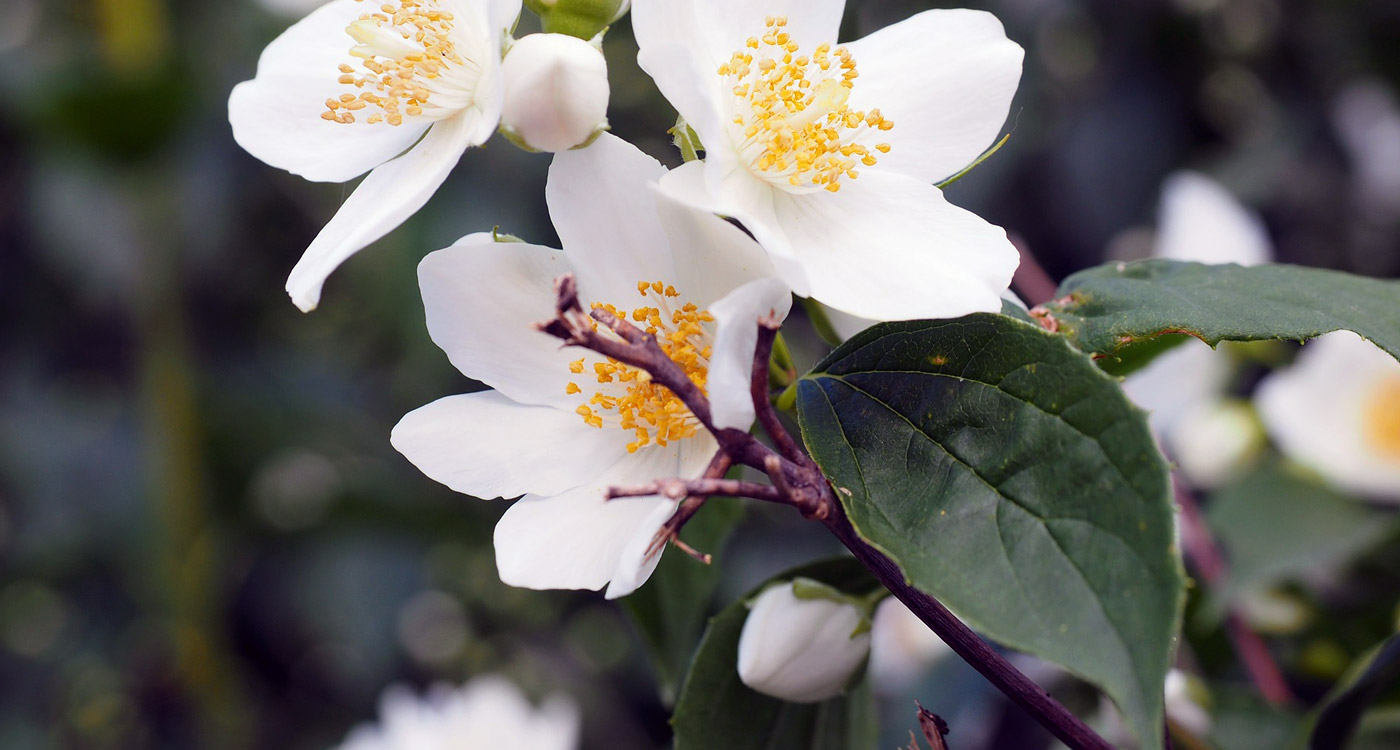
Many local nurseries and botanical gardens in cities like Boise feature the Syringa, allowing visitors to admire its blooms up close. Public parks and private gardens across the state often cultivate this native shrub, making it accessible even for those not venturing into the wild.
For those planning a trip to Idaho, incorporating a drive through scenic byways during late spring or early summer can offer glimpses of the Syringa growing in its natural habitat. Areas surrounding national forests and wilderness areas are particularly good spots. For instance, a drive along the Payette River Scenic Byway or through the foothills near Coeur d’Alene might reveal clusters of these fragrant blooms.
When planning a trip to Idaho, consider timing your visit to coincide with the Syringa’s blooming season. This offers a unique opportunity to engage with a significant aspect of the state’s identity. The charm of the Syringa extends beyond its visual appeal; it’s a symbol that connects the past to the present, the natural landscape to the state’s heritage, and the wild beauty of Idaho to its cherished emblem. Whether you’re exploring famous landmarks like the Craters of the Moon National Monument & Preserve or enjoying the amenities of a luxury resort like the Sun Valley Lodge, the subtle presence of the Syringa serves as a fragrant reminder of the state’s deep connection to its natural roots.
The Syringa, or Lewis’ Mock Orange, stands as a testament to Idaho’s enduring natural charm. Its fragrant white blossoms, carpeting the hillsides and woodlands during early summer, offer a sensory delight to those who venture into the Gem State. The flower’s historical association with the Lewis and Clark Expedition further solidifies its place as a deeply significant symbol for the state, representing not just its botanical beauty but also its rich history of exploration and discovery.
For travelers planning a visit, understanding and appreciating the state flower adds another layer to the experience. It encourages a deeper connection with the natural environment, prompting visitors to observe the flora that defines the local landscape. Whether you are on a budget-friendly adventure exploring state parks or indulging in a luxury escape at a mountain resort, the Syringa’s presence is a subtle yet pervasive element of the Idaho experience.
Consider incorporating visits to areas known for their native plant life when planning your itinerary. Exploring the trails around Stanley or the less-traveled paths in the Boise National Forest during the blooming season can lead to delightful encounters with this fragrant shrub. The delicate scent drifting through the crisp mountain air is an experience that encapsulates the natural allure of Idaho.
Beyond its wild habitat, the Syringa is celebrated in cultivated settings as well. Many community gardens and local parks throughout Idaho proudly display this state emblem. These accessible locations offer a convenient way for visitors, including families on vacation, to learn about and admire the state flower without requiring extensive wilderness excursions.
The significance of the Syringa extends beyond its aesthetic and historical value. As a vital part of the local ecosystem, it supports a variety of pollinators, contributing to the biodiversity that makes Idaho so ecologically rich. This ecological importance is another reason why the flower was chosen as a representative symbol, underscoring the state’s commitment to preserving its natural heritage.
When booking accommodation, whether it’s a charming boutique hotel in Boise or a secluded villa in the Sun Valley area, consider the proximity to natural areas where the Syringa thrives. This can enhance your travel experience, offering opportunities for pleasant walks and a deeper immersion in the local flora.
The Syringa is a reminder of the simple yet profound beauty found in nature. Its white, star-like blossoms, with their intoxicating fragrance, serve as a gentle ambassador for Idaho, inviting visitors to explore its diverse landscapes and appreciate the natural wonders that define this remarkable state. From its historical roots to its ongoing ecological importance, the Syringa is more than just a flower; it is a living emblem of Idaho’s spirit and natural splendor. Its story is woven into the fabric of the state, a fragrant narrative accessible to all who have the pleasure of experiencing it.
LifeOutOfTheBox is a participant in the Amazon Services LLC Associates Program, an affiliate advertising program designed to provide a means for sites to earn advertising fees by advertising and linking to Amazon.com. Amazon, the Amazon logo, AmazonSupply, and the AmazonSupply logo are trademarks of Amazon.com, Inc. or its affiliates. As an Amazon Associate we earn affiliate commissions from qualifying purchases.