
Embarking on a Florida adventure often involves navigating between its vibrant cities, each offering a distinct flavor of the Sunshine State. Two of the most popular destinations, Orlando and Fort Lauderdale, frequently appear on travelers’ itineraries. While Orlando dazzles with its world-renowned theme parks and family-friendly attractions, Fort Lauderdale beckons with its pristine beaches, luxurious yachts, and sophisticated waterways, earning it the moniker “the Venice of America.” For many planning a comprehensive trip, the question of how far apart these two major hubs are, and the best ways to traverse the distance, is paramount. This guide will delve into the geographical reality, explore various transportation options, highlight the unique allure of each city, and provide essential tips for seamless travel, ensuring your Florida experience is as magical and memorable as you envision.
The Geographical Reality: Distance Between Orlando and Fort Lauderdale
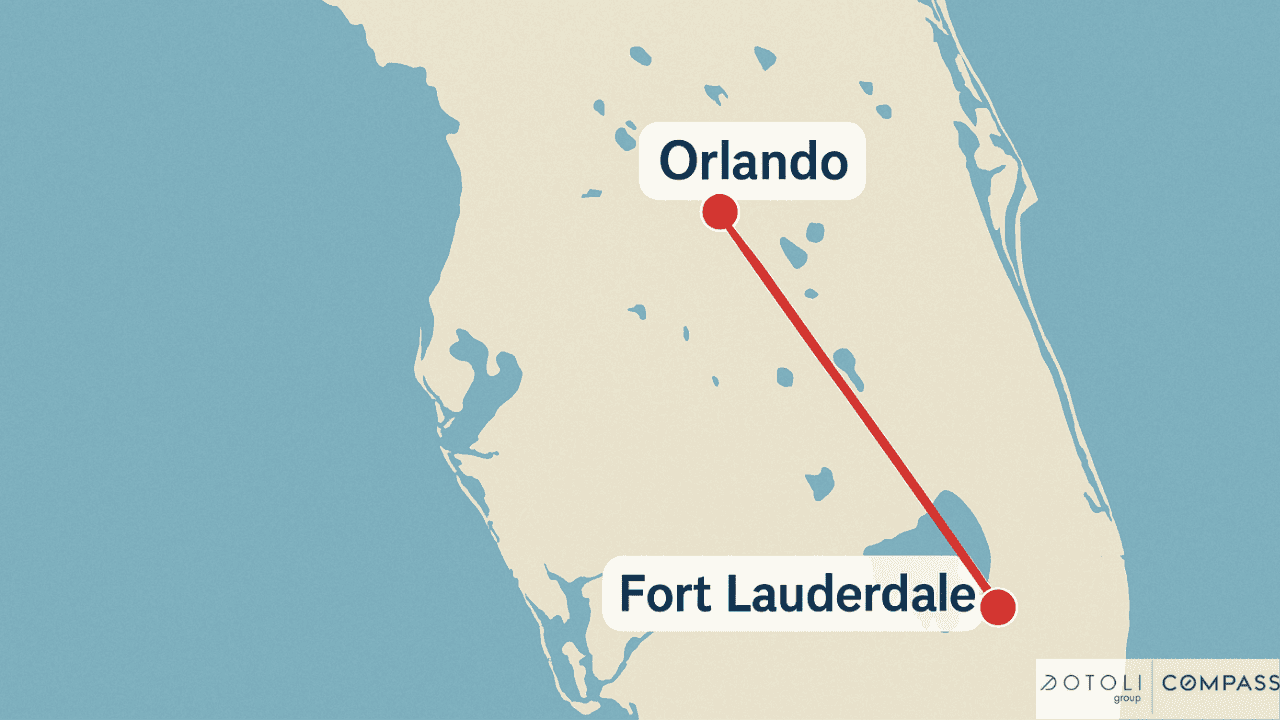
The distance between Orlando and Fort Lauderdale is a crucial consideration for any traveler planning to experience both the theme park capital and the yachting paradise. Geographically, these two prominent Florida cities are situated roughly 200 to 220 miles apart, depending on the specific starting and ending points within each metropolitan area. This distance is substantial enough to require thoughtful planning for transportation, but manageable enough to comfortably integrate both into a single itinerary, especially for those embarking on a longer Florida vacation. Understanding the various routes and modes of transport will help you decide the best way to connect these two distinct destinations.
Driving Routes and Estimated Times
For most travelers, driving remains the most popular and flexible option for connecting Orlando and Fort Lauderdale. The journey typically takes between 3 to 4 hours under ideal traffic conditions. However, it’s important to factor in potential delays, especially during peak travel seasons, holidays, or rush hour, which can extend travel times significantly.
The primary route connecting the two cities is Florida’s Turnpike (State Road 91). This is a toll road, but it offers the most direct and generally fastest path, bypassing much of the local traffic. Travelers can access the Turnpike from various points in Orlando and follow it south directly to Fort Lauderdale, where it merges with I-595 or leads to various local exits. The scenic route, while mostly highway, provides glimpses of Florida’s diverse landscape.
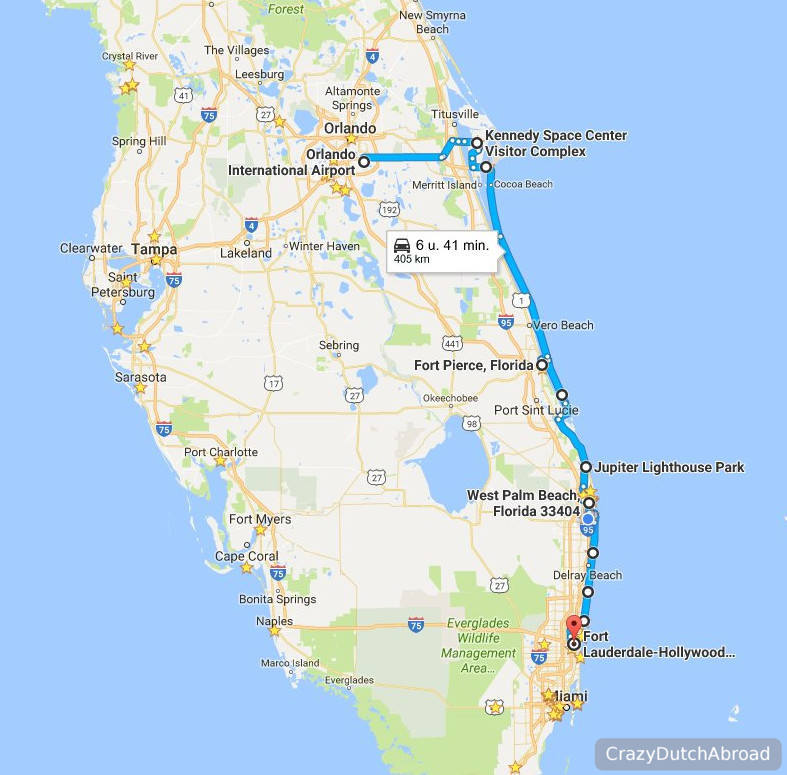
An alternative, though often longer, route involves taking I-95 along the east coast. While I-95 is not a toll road for most of this stretch, it often experiences heavier traffic, especially around urban centers like Palm Beach and Miami as you approach South Florida. This route might be preferred by those who wish to avoid tolls or perhaps make a stop at one of the coastal towns along the way, but it’s generally less direct for a swift journey between Orlando and Fort Lauderdale.
Renting a car offers the ultimate freedom to explore at your own pace, allowing for spontaneous stops and side trips. Car rental agencies are widely available at both Orlando International Airport (MCO) and Fort Lauderdale-Hollywood International Airport (FLL), as well as downtown locations. Ensure you account for tolls when budgeting, as many rental cars offer transponder services for convenience.
Alternative Transportation Options
While driving is prevalent, several other transportation options cater to different preferences and budgets.
-
Buses: Intercity bus services provide an economical way to travel between Orlando and Fort Lauderdale. Companies like Greyhound and RedCoach offer multiple daily departures. Bus journeys typically take longer than driving, often ranging from 4 to 6 hours, due to multiple stops along the way. However, they allow travelers to relax and avoid the stresses of driving, traffic, and parking. RedCoach, in particular, is known for its more comfortable, luxury-coach experience with wider seats and amenities like Wi-Fi.
-
Trains: The railway network in Florida is evolving, offering a comfortable alternative. Amtrak operates services that connect Orlando (via its station in Kissimmee or Orlando itself) to Fort Lauderdale, with travel times typically around 3.5 to 4.5 hours. More significantly, the high-speed rail service, Brightline, has transformed travel within Florida. While originally connecting South Florida cities like Miami, Fort Lauderdale, and West Palm Beach, Brightline has expanded its service to Orlando with a new station at Orlando International Airport. This offers a premium, efficient, and direct link, making the journey between Orlando and Fort Lauderdale swift and enjoyable, often in under 3 hours, offering a compelling alternative to driving.
-
Flights: While the distance between Orlando and Fort Lauderdale is relatively short for a flight, direct air travel is an option, primarily for those connecting from further destinations or prioritizing speed and convenience above all else. Several airlines offer short, direct flights between Orlando International Airport (MCO) and Fort Lauderdale-Hollywood International Airport (FLL). The actual flight time is typically under an hour. However, when considering airport transfers, check-in, security, and baggage claim, the total travel time often rivals or exceeds that of driving or taking the high-speed train, and it typically comes at a higher cost. This option is best suited for travelers who prefer air travel for specific reasons or are integrating it into a broader multi-leg journey.
-
Ride-Sharing and Private Car Services: Services like Uber, Lyft, and various private car and shuttle companies are readily available. These offer door-to-door convenience and flexibility, especially for groups or those with significant luggage. While more expensive than buses or trains, they provide a personalized experience and direct transport without the need to navigate or park.
Choosing the right mode of transport depends on your budget, time constraints, and travel style. Each option presents a unique balance of cost, speed, and comfort, allowing travelers to tailor their journey between these two dynamic Florida cities.
Why Travel Between Orlando and Fort Lauderdale? Exploring Two Florida Gems
The decision to travel between Orlando and Fort Lauderdale is often driven by a desire to experience the diverse facets of Florida that each city uniquely offers. From the fantasy worlds of theme parks to the sun-kissed beaches and vibrant arts scene, these two cities provide a rich tapestry of experiences for every type of traveler. Combining them into one trip allows for a truly comprehensive Florida adventure.
Orlando: The Theme Park Capital and Beyond
Orlando undeniably reigns as the “Theme Park Capital of the World,” attracting millions of visitors annually. Its gravitational pull lies in its unparalleled collection of immersive theme parks, each a universe unto itself.
-
Walt Disney World Resort: Home to four iconic theme parks—Magic Kingdom, Epcot, Hollywood Studios, and Animal Kingdom—along with water parks, dining, shopping, and entertainment districts, Disney World is a dream destination for families and adults alike. From Cinderella’s Castle to the futuristic wonders of Epcot, the magic is palpable.
-
Universal Orlando Resort: Featuring Universal Studios Florida, Islands of Adventure, and the water park Volcano Bay, Universal Orlando offers thrilling rides, cinematic adventures, and the immensely popular Wizarding World of Harry Potter.
-
Other Major Parks: SeaWorld Orlando combines marine animal shows and roller coasters, while LEGOLAND Florida Resort, a short drive away in Winter Haven, caters to younger children with its brick-tastic attractions.
Beyond the theme parks, Orlando offers a wealth of other attractions. International Drive, known as I-Drive, is a bustling corridor filled with restaurants, shops, dinner shows, and unique attractions like the Orlando Eye and Madame Tussauds. Downtown Orlando provides a different vibe with Lake Eola Park, historic neighborhoods, and a thriving nightlife. For those interested in space exploration, the Kennedy Space Center Visitor Complex is an unforgettable day trip, offering a glimpse into NASA’s history and future. Gatorland provides an authentic look at Florida’s iconic wildlife.
Accommodation in Orlando ranges from budget-friendly motels to opulent resorts such as Disney’s Grand Floridian Resort & Spa or Universal’s Hard Rock Hotel, often boasting elaborate pools, dining, and shuttle services to the parks.
Fort Lauderdale: The Venice of America
In stark contrast to Orlando’s inland theme parks, Fort Lauderdale offers a coastal retreat defined by its stunning beaches and intricate network of waterways. Often referred to as the “Venice of America” due to its more than 300 miles of navigable canals, it is a haven for yachting enthusiasts and beach lovers.
-
Beautiful Beaches: The city boasts magnificent stretches of sand, most notably Fort Lauderdale Beach and Las Olas Beach. These offer opportunities for sunbathing, swimming, paddleboarding, and various water sports, all complemented by a vibrant beachfront promenade lined with restaurants and shops.
-
Waterways and Boating Culture: The New River and the Intracoastal Waterway are central to Fort Lauderdale’s lifestyle. Taking a water taxi is an iconic way to explore the city, offering scenic views of lavish waterfront homes and mega-yachts. Deep-sea fishing charters, sailing, and gondola rides are also popular activities.
-
Arts, Culture, and Dining: Las Olas Boulevard is the heart of Fort Lauderdale’s upscale shopping, dining, and arts scene. Here, you’ll find art galleries, boutiques, and an array of fine dining establishments. Cultural landmarks include the Museum of Discovery and Science and the Broward Center for the Performing Arts, hosting Broadway shows, concerts, and more.
-
Nature and Outdoors: Just a short drive away, the wild beauty of the Everglades National Park awaits, offering airboat tours and wildlife spotting. Within the city, Hugh Taylor Birch State Park provides an urban oasis for hiking, cycling, and kayaking.
Fort Lauderdale’s culinary scene is diverse, from fresh seafood shacks to gourmet restaurants. For accommodation, the city boasts an impressive array of luxury beachfront resorts like the Ritz-Carlton Fort Lauderdale and the W Fort Lauderdale, alongside charming boutique hotels and vacation apartments. Its relaxed yet sophisticated ambiance makes it ideal for romantic getaways, luxury travel, or a tranquil beach escape after the excitement of Orlando’s parks.
Planning Your Journey: Accommodation, Logistics, and Lifestyle Considerations
Successfully combining a visit to both Orlando and Fort Lauderdale requires careful planning, especially regarding where to stay, how to get around, and how to tailor the trip to your preferred lifestyle. By considering these elements, you can create a seamless and enjoyable Florida itinerary that maximizes your time and experience.
Choosing Your Stay: Hotels and Resorts
Accommodation forms a significant part of any travel experience, and both Orlando and Fort Lauderdale offer an extensive range of options to suit every budget and preference.
In Orlando, the emphasis is often on resorts that cater to families and theme park visitors. Many properties, from value resorts to deluxe hotels within Walt Disney World or Universal Orlando Resort, offer on-site amenities like water parks, character dining, and early park access. Beyond the parks, International Drive is flush with chain hotels, suites with kitchenettes, and apartments suitable for long-term stays or larger groups. When booking, consider proximity to the parks you plan to visit, transportation options, and the types of amenities that will enhance your stay, such as pools, kids’ clubs, or spa services.
Fort Lauderdale, on the other hand, specializes in beachfront resorts, boutique hotels, and charming vacation villas that emphasize relaxation and coastal elegance. Many upscale hotels along Fort Lauderdale Beach offer stunning ocean views, direct beach access, and world-class dining. For those seeking a more local experience, boutique hotels in areas like Las Olas Boulevard provide personalized service and easy access to shops and restaurants. Vacation apartments and condos are also popular, offering more space and flexibility, especially for longer visits. Reading reviews and doing a thorough comparison of amenities, location, and price before booking is always recommended to ensure your accommodation perfectly complements your Fort Lauderdale experience.
Making the Most of Your Trip: Lifestyle and Tourism Tips
Integrating both Orlando and Fort Lauderdale into a single trip caters to a wide range of lifestyles, from family trips seeking adventure to couples on a romantic getaway or individuals on a business stay with leisure time.
For Family Trips, splitting time between Orlando’s theme parks and Fort Lauderdale’s calmer beaches provides a balanced itinerary. Children can burn off energy at the parks, and then relax and play in the sand and gentle waves. Consider a slower pace in Fort Lauderdale after the high energy of Orlando.
For Luxury Travel, both cities offer premium experiences. In Orlando, this could mean staying at a five-star resort, indulging in VIP park tours, and enjoying gourmet dining. In Fort Lauderdale, luxury might involve yacht charters, private beach club access, spa treatments, and upscale dining on Las Olas Boulevard.
Budget Travel is also feasible. Look for off-season deals, consider staying in vacation rentals outside the immediate resort areas, and utilize public transportation or ride-sharing. Dining at local culture eateries and taking advantage of free activities like beach days or park picnics can significantly cut costs.
When it comes to tourism, exploring the local culture and food scene is a must. In Orlando, while theme park food is prominent, venturing to areas like Winter Park or the Mills 50 district can uncover diverse culinary gems. Fort Lauderdale boasts a rich seafood tradition and a burgeoning international food scene, especially around Las Olas Boulevard and the city’s various neighborhoods.

Consider the time of year for your visit. Florida’s peak season runs from late fall to early spring, offering cooler, drier weather ideal for outdoor activities and theme park visits. However, this also means larger crowds and higher prices. Summer brings heat, humidity, and afternoon thunderstorms but often fewer crowds and better deals on accommodation and flights. Always check the weather forecast and pack accordingly.
Booking major attractions, hotels, and flights in advance is a crucial tip for both cities, especially during peak seasons. This not only secures your spot but can also result in significant savings. Look for package deals that combine flights, hotels, and park tickets.
Essential Travel Tips for Your Florida Adventure
To ensure a smooth and enjoyable journey between Orlando and Fort Lauderdale, keep these essential travel tips in mind:
- Plan Ahead: Decide on your itinerary for each city well in advance. Booking accommodations, theme park tickets, and major attractions beforehand can save time, money, and stress. This is particularly true for popular activities and during peak season.
- Factor in Travel Time: Even with the most efficient transportation, allow ample time for the transfer between cities. Account for potential traffic delays if driving, or airport/train station processes if flying or taking the train. A relaxed transfer day will set a better tone for the next part of your trip.
- Consider Transportation Nuances:
- Driving: If renting a car, ensure you understand Florida’s toll system (e.g., SunPass or E-Pass) and factor in parking costs at your hotels and attractions. GPS navigation is invaluable.
- Brightline: For fast and comfortable transit, Brightline is an excellent choice. Plan your transfers to and from their stations in both cities, as they are often near airports or downtown areas, requiring an additional short ride.
- Buses/Trains: These are generally reliable but have fixed schedules. Be punctual and consider the overall journey duration, including any transfers at stations.
- Pack Smart: Florida weather can be unpredictable. Pack light clothing, swimwear, sun protection (sunscreen, hats, sunglasses), and comfortable walking shoes. A light jacket or sweater is often useful for air-conditioned indoor spaces or cooler evenings. Don’t forget rain gear, especially during the summer rainy season.
- Stay Hydrated and Sun Safe: The Florida sun is strong. Drink plenty of water throughout the day, especially when exploring theme parks or spending time on the beach. Reapply sunscreen frequently.
- Embrace Local Culture: While theme parks and beaches are highlights, don’t miss the opportunity to explore the unique local culture of each city. Visit Orlando’s vibrant neighborhoods or Fort Lauderdale’s historic areas for authentic dining and experiences.
- Flexibility is Key: Even with meticulous planning, unexpected changes can occur. Maintaining a degree of flexibility allows you to adapt to new situations and discover spontaneous experiences.
In conclusion, the journey between Orlando and Fort Lauderdale is not just a logistical transfer but an integral part of a comprehensive Florida adventure. Whether you choose the freedom of the open road, the efficiency of high-speed rail, or the convenience of a flight, understanding the distance and myriad travel options empowers you to seamlessly connect these two extraordinary destinations. By embracing the distinct lifestyles and attractions each city offers, and planning with these tips in mind, your Florida vacation will undoubtedly be rich with diverse memories, blending the thrills of Orlando with the serene beauty of Fort Lauderdale.
LifeOutOfTheBox is a participant in the Amazon Services LLC Associates Program, an affiliate advertising program designed to provide a means for sites to earn advertising fees by advertising and linking to Amazon.com. Amazon, the Amazon logo, AmazonSupply, and the AmazonSupply logo are trademarks of Amazon.com, Inc. or its affiliates. As an Amazon Associate we earn affiliate commissions from qualifying purchases.