
The question of the distance between two of Missouri‘s most prominent cities, St. Louis and Kansas City, is a common one for travelers, residents, and anyone planning a road trip or exploring the Show-Me State. These two metropolises, separated by a significant stretch of picturesque Missouri landscape, offer distinct but equally compelling experiences. Understanding the mileage and travel time is crucial for logistics, whether you’re eyeing a quick weekend getaway or a more extended exploration of Missouri‘s urban heartlands.
The Direct Distance: Mileage and Time
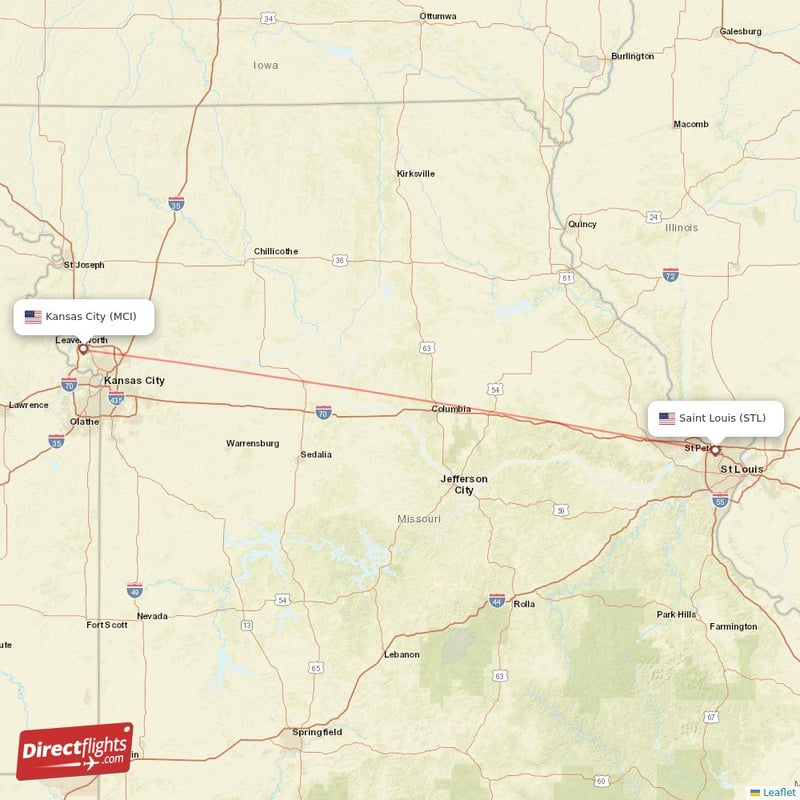
The most straightforward answer to “How far is St. Louis from Kansas City, Missouri?” focuses on the driving distance. The typical route, predominantly via Interstate 70 (I-70), spans approximately 240 to 250 miles. This figure can vary slightly depending on the exact starting and ending points within each city and the specific navigation route chosen.
Driving Time: A Snapshot
Under ideal conditions, with minimal traffic and no significant stops, the drive between St. Louis and Kansas City usually takes between 3.5 to 4 hours. This duration makes it a perfectly manageable day trip for those who wish to experience both cities in a single outing, though a more in-depth appreciation of each would necessitate at least a couple of days.
Factors influencing driving time include:
- Traffic: Rush hour in either St. Louis or Kansas City, or along the more rural stretches of I-70, can add considerable time. Traveling during peak commuter hours (typically 6-9 AM and 3-6 PM on weekdays) should be factored in.
- Construction: Roadwork is a common occurrence on major highways like I-70. Always check local traffic reports before embarking on your journey.
- Weather: Missouri experiences a range of weather conditions. Snow and ice in winter, or heavy rain and storms in other seasons, can significantly slow down travel times and necessitate caution.
- Stops: Most travelers will opt for at least one or two breaks during a nearly 250-mile journey. Stopping for gas, a meal, or a brief rest will extend the overall travel time. Popular stopping points often include towns like Columbia or Jefferson City.
Planning Your Journey: Beyond the Mileage
While the raw mileage is a key piece of information, a truly comprehensive understanding of the distance between St. Louis and Kansas City involves considering the various ways to travel and the opportunities that lie along the route. Missouri‘s geography and infrastructure offer a few distinct options for bridging this gap.
By Car: The Most Popular Route
Driving remains the most prevalent and flexible way to travel between St. Louis and Kansas City. I-70 is the backbone of this connection, a major east-west interstate highway that makes the journey relatively straightforward. The drive offers glimpses of Missouri‘s rolling hills, agricultural landscapes, and charming small towns.
Tips for driving:
- Vehicle Check: Ensure your vehicle is in good condition, especially tires, brakes, and fluid levels, before undertaking the drive.
- Navigation: Utilize GPS or mapping apps for real-time traffic updates and route guidance.
- Fuel Stops: While I-70 is well-serviced with gas stations and rest areas, it’s always wise to refuel when your tank is around a quarter full, especially when passing through less populated stretches.
- Scenic Detours: For those with more time, consider exiting I-70 to explore some of Missouri‘s hidden gems. Towns like Hermann, known for its wineries, or the state capital, Jefferson City, offer interesting diversions.
By Air: The Fastest, But Less Direct Option
For travelers prioritizing speed above all else, flying is an option, though it’s not a direct point-to-point flight. Both St. Louis Lambert International Airport (STL) and Kansas City International Airport (MCI) are major hubs. However, there are typically no direct commercial flights between these two airports.
This means a flight would likely involve a connection, making the total travel time (including getting to the airport, security, flight time, and deplaning) often comparable to, or even longer than, driving. The cost can also be higher, especially when booked last minute. This option is generally more suited for those connecting from or to other destinations that necessitate air travel.

By Bus or Train: Budget-Friendly Alternatives
For budget-conscious travelers, bus services like Greyhound or Amtrak trains offer alternatives. These options are typically more time-consuming than driving but can be significantly cheaper.
- Bus Travel: Buses will follow a similar route to the interstate, with stops in various towns along the way. The journey can take anywhere from 4 to 6 hours, depending on the service and the number of stops.
- Train Travel: Amtrak‘s service between St. Louis and Kansas City offers a more relaxed pace. The train route also meanders through Missouri, providing a different perspective on the state’s scenery. Travel time by train is generally around 4.5 to 5.5 hours. This can be a comfortable and scenic way to travel, allowing passengers to read, work, or simply enjoy the views without the stress of driving.
Exploring the Destinations: What Awaits You in St. Louis and Kansas City
The distance between St. Louis and Kansas City is more than just miles; it represents the space between two vibrant centers of culture, history, and innovation in Missouri. Each city boasts its unique attractions, culinary scenes, and distinct personality, making the journey between them a exploration of diverse Missouri experiences.
In St. Louis: The Gateway to the West
St. Louis, perched on the banks of the mighty Mississippi River, is often recognized by its iconic Gateway Arch. This gleaming stainless-steel monument symbolizes the city’s historical role as the “Gateway to the West,” the starting point for westward expansion in the United States.
Key attractions in St. Louis include:
- Gateway Arch National Park: Ascend to the top of the Arch for breathtaking panoramic views of the city and the Mississippi River. The museum beneath the Arch delves into the history of westward expansion.
- Forest Park: One of the largest urban parks in the country, Forest Park is home to world-class institutions such as the Saint Louis Zoo, the Saint Louis Art Museum, the Missouri History Museum, and the Saint Louis Science Center.
- City Museum: This eclectic, interactive playground built from reclaimed industrial materials offers a unique and exhilarating experience for all ages.
- Busch Stadium: Catch a St. Louis Cardinals baseball game and experience the passion of Missouri‘s beloved sports team.
- Missouri Botanical Garden: A horticultural oasis with diverse plant collections and beautiful landscapes.
Culinary Delights in St. Louis: St. Louis is famous for its unique cuisine, including toasted ravioli, St. Louis-style pizza (thin crust with Provel cheese), and Gooey Butter Cake. The city also boasts a thriving craft beer scene and a diverse range of international restaurants.
In Kansas City: A Hub of Jazz and Barbecue
Kansas City, situated at the confluence of the Kansas River and the Missouri River, is renowned for its vibrant jazz heritage and, of course, its world-famous barbecue. It’s a city that pulsates with a lively arts scene and a friendly, Midwestern charm.
Key attractions in Kansas City include:
- Nelson-Atkins Museum of Art: This acclaimed museum features an extensive collection spanning various eras and cultures, with its iconic shuttlecocks outside serving as a memorable landmark.
- Country Club Plaza: An elegant outdoor shopping district inspired by Seville, Spain, featuring distinctive architecture, fountains, and upscale boutiques.
- The 18th & Vine Jazz District: A historic neighborhood that was once the epicenter of African-American jazz culture. Today, it houses the American Jazz Museum and the Negro Leagues Baseball Museum, offering profound insights into American history and culture.
- National WWI Museum and Memorial: Recognized as the official WWI museum of the United States, it provides a comprehensive and moving look at the Great War.
- Union Station Kansas City: A beautifully restored historic train station that now serves as a vibrant complex housing exhibits, a science center, and entertainment venues.
Culinary Delights in Kansas City: Kansas City barbecue is legendary. From burnt ends to ribs slathered in sweet and tangy sauce, the city offers a diverse array of barbecue joints, each with its own loyal following. Beyond barbecue, Kansas City also offers a burgeoning farm-to-table movement and a variety of ethnic eateries.

The Journey’s End and Beyond: Connecting Missouri’s Capitals
The distance between St. Louis and Kansas City is not just a measure of miles but an invitation to explore the diverse tapestry of Missouri. Whether you’re a tourist eager to experience the state’s most famous landmarks and culinary specialties or a local undertaking a familiar drive, understanding this connection is fundamental to appreciating the breadth of experiences available within the Show-Me State. The journey, whether by car, bus, or train, is as much a part of the adventure as the destinations themselves, offering a unique perspective on the landscapes and cultures that define Missouri.
LifeOutOfTheBox is a participant in the Amazon Services LLC Associates Program, an affiliate advertising program designed to provide a means for sites to earn advertising fees by advertising and linking to Amazon.com. Amazon, the Amazon logo, AmazonSupply, and the AmazonSupply logo are trademarks of Amazon.com, Inc. or its affiliates. As an Amazon Associate we earn affiliate commissions from qualifying purchases.