
Navigating the complexities of time zones can be a surprisingly nuanced aspect of travel planning, especially when considering a state as geographically diverse as Kansas. Often, travelers assume a uniform timekeeping across an entire state, but the reality can be more intricate. So, to answer the burning question: Is Kansas Central Time Zone? The straightforward answer is mostly yes, but with a very significant and often overlooked exception that can impact your travel plans, business meetings, or even just your morning coffee.
This article will delve into the timekeeping practices of Kansas, exploring the primary time zone it observes, the reasons behind any variations, and what this means for visitors and residents alike. We’ll touch upon the practical implications for travel, accommodation, and experiencing the local lifestyle and tourism offerings across the Sunflower State.
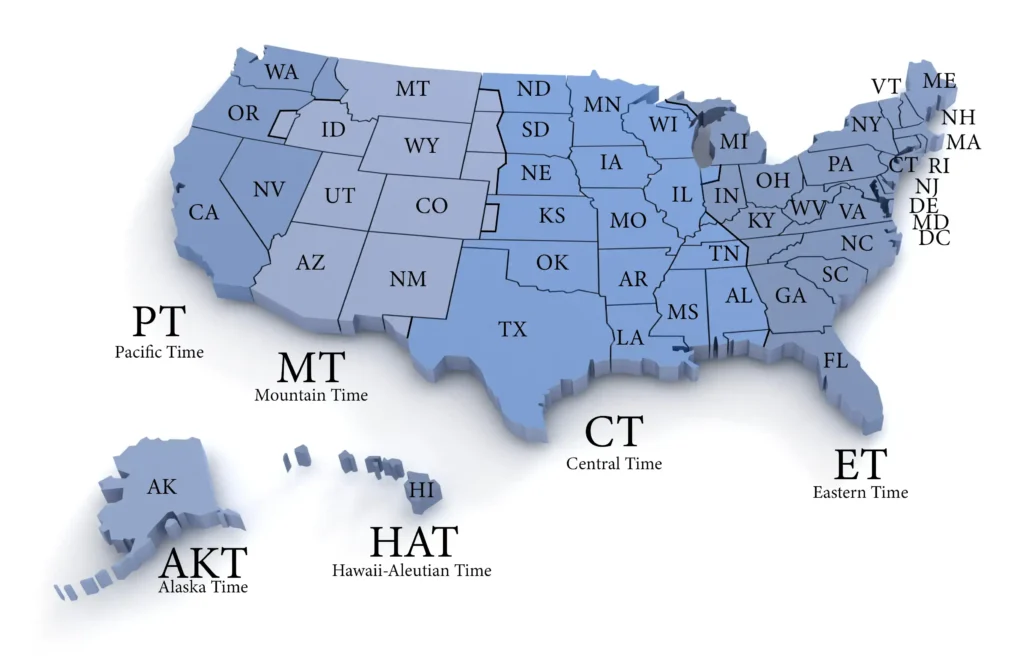
The Dominance of Central Daylight Time in Kansas
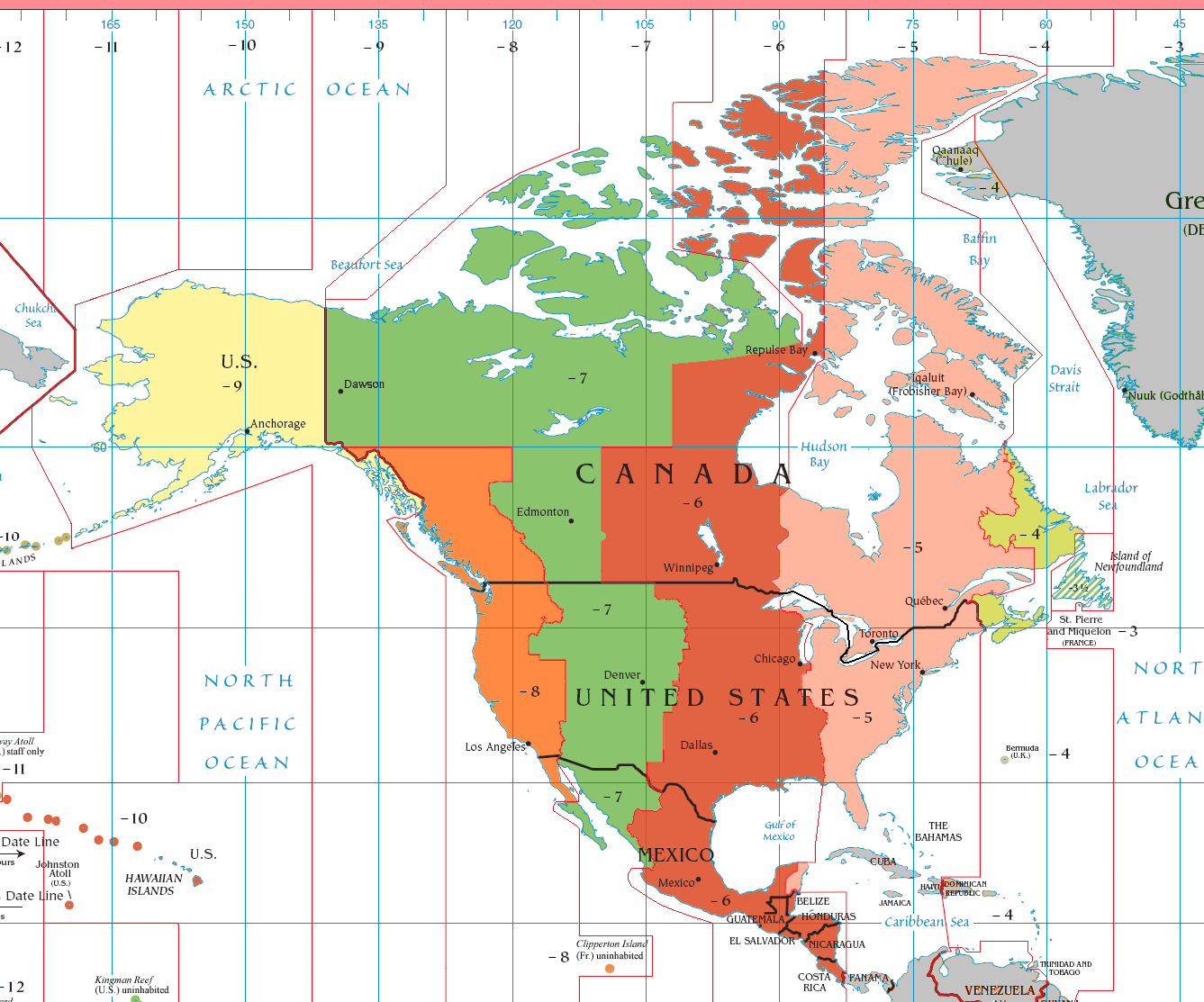
For the vast majority of Kansas, life operates on Central Daylight Time (CDT) during the warmer months and Central Standard Time (CST) during the winter. This aligns Kansas with a significant portion of the central United States, a vast geographical expanse that stretches from the Canadian border down to the Gulf of Mexico. The Central Time Zone is characterized by being six hours behind Coordinated Universal Time (UTC-6) during standard time and five hours behind during daylight saving time (UTC-5).
This widespread adherence to Central Time means that when it’s noon in Chicago or New Orleans, it’s also noon in most of Kansas. This uniformity is a boon for those traveling within the Central Time Zone, simplifying itinerary planning and reducing the mental gymnastics often associated with crossing time boundaries. Businesses that operate across multiple states within this zone find it particularly convenient, as it minimizes scheduling conflicts and operational discrepancies.
The decision to adopt and maintain the Central Time Zone in Kansas is rooted in historical and economic factors. Historically, states often adopted time zones that best suited their primary economic and social connections. For Kansas, its strong ties to the agricultural and transportation hubs located in the eastern parts of the country naturally drew it towards the Central Time Zone. This facilitated trade, communication, and travel with major cities like Kansas City, St. Louis, and Chicago.
When considering accommodation options, understanding the time zone is crucial. Whether you’re booking a suite at the Eldorado Hotel & Casino in Topeka or a resort in the Flint Hills, the local time will be governed by the Central Time Zone. This is essential for aligning check-in and check-out times, scheduling tours, and making reservations for dining at local restaurants, all of which are integral to the tourism experience.
The lifestyle aspects of Kansas are also indirectly influenced by its time zone. Early morning commutes for farmers, the timing of school bells, and the schedules of local events in cities like Wichita or Olathe all fall within the rhythm of Central Time. For luxury travelers seeking a bespoke experience or budget travelers planning their routes, having a consistent time zone simplifies logistical planning, allowing more focus on the attractions and activities that Kansas has to offer. From exploring historic landmarks like the Pony Express National Historic Trail to immersing oneself in local culture and food, adhering to a single time zone simplifies the overall travel experience.
The Paradoxical Panhandle: A Sliver of Mountain Time
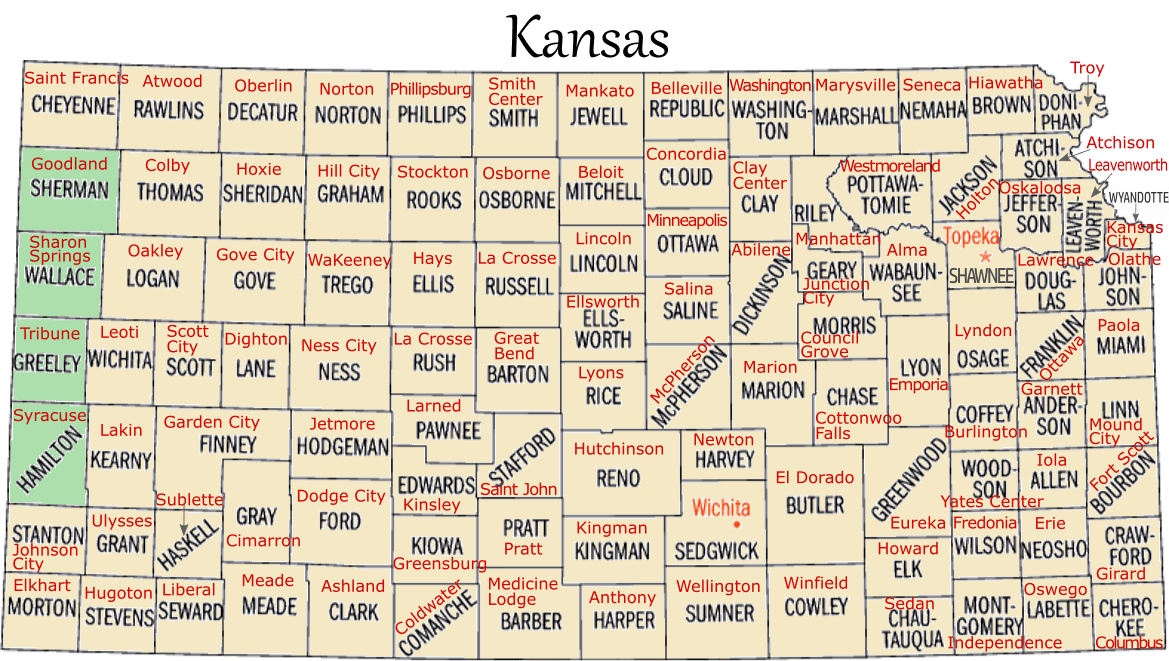
Now, let’s address the significant exception that often leads to confusion: the westernmost tip of Kansas observes Mountain Time. This geographical anomaly places a small but distinct portion of the state in a different time zone, creating a unique situation for those who travel across its breadth. Specifically, the counties of Greeley, Hamilton, Kearny, Sherman, and Wichita are part of the Mountain Time Zone.
This means that during standard time, these counties are one hour behind the rest of Kansas (UTC-7), and during daylight saving time, they remain one hour behind (UTC-6). For instance, if it is 10:00 AM Central Daylight Time in Wichita, it is only 9:00 AM Mountain Daylight Time in Lakin, the county seat of Kearny County.
The historical reasons for this time zone division in western Kansas are complex and often tied to the development of the railroad and its impact on westward expansion. As settlers moved further west, the establishment of the Mountain Time Zone became more practical for communication and commerce with states like Colorado and New Mexico, which were already firmly in the Mountain Time Zone. The railroad companies themselves played a significant role in standardizing time across their vast networks, influencing local adoption of time zones.
For travelers venturing into this western sliver of Kansas, this time difference can be a point of attention. If you are planning to visit attractions in this area, such as the Monument Rocks National Natural Landmark in Gove County (which is actually in Central Time but near the border of the Mountain Time Zone) or engage in outdoor activities like hiking in the Cimarron National Grassland, it is imperative to be aware of the time zone shift. Booking accommodation in towns like Tribune in Greeley County requires checking if the hotel operates on Central Time or Mountain Time, although it is highly probable they will adhere to the local time of their county.
The impact on local culture and lifestyle in these specific counties is subtle but present. Local news broadcasts, school schedules, and business hours will be synchronized with Mountain Time, creating a distinct rhythm compared to the rest of Kansas. While the overall culture of Kansas is deeply rooted in the Central Time Zone, this western enclave offers a unique temporal perspective. Understanding this geographical quirk is essential for anyone seeking to experience the full breadth of Kansas, from its bustling cities to its more remote, time-zone-divergent landscapes.
Practical Implications for Travelers and Residents
The existence of two time zones within Kansas might seem like a minor detail, but it can have tangible practical implications for various aspects of life and travel. For those planning a trip, especially one that involves crossing the invisible line separating Central Time from Mountain Time, careful attention is needed.
Navigating Travel and Timed Events
When booking flights into airports like Wichita Dwight D. Eisenhower National Airport or Kansas City International Airport, you will invariably be dealing with Central Time. However, if your destination lies in the western counties, such as Scott City or Lakin, you’ll need to adjust your internal clock. This is particularly important for events with fixed start times.
Imagine attending a conference in Dodge City (which is in Central Time) and then needing to drive to a ranch near Garden City (which is in Mountain Time) for an evening event. You would need to factor in the one-hour difference when calculating your travel time to ensure you don’t arrive late. Similarly, for leisure activities like guided tours or restaurant reservations, confirming the correct time zone is paramount. Many tour operators in the western part of the state will advertise their start times using Mountain Time.
For those planning a road trip across Kansas, it’s advisable to set your navigation devices and watches to the local time as you enter each new time zone. Modern GPS systems and smartphones generally handle this automatically, but it’s always wise to double-check, especially in remote areas where connectivity might be spotty. The ability to seamlessly transition between time zones enhances the overall travel experience, allowing visitors to fully immerse themselves in the diverse attractions of Kansas without unnecessary stress.
Accommodation and Business Considerations
When booking accommodation in Kansas, most hotels and rental properties will operate according to the local time of their county. For the vast majority, this means Central Time. However, in the western counties, hotels in towns like Liberal or Ulysses will align with Mountain Time. This is a critical piece of information for booking, especially if you have early morning flights or late-night arrivals. Always confirm the check-in and check-out times in the local time zone of your accommodation.
For businesses operating within Kansas, this dual-time zone reality necessitates clear internal communication and external customer service protocols. Companies with offices or operations in both eastern and western Kansas will need to specify the time zone for all meetings, deadlines, and operational schedules. This is especially true for industries like agriculture and logistics, where precise timing is crucial. Conference calls, for instance, must be carefully scheduled to accommodate the one-hour difference, ensuring all participants are on the same temporal page.
The lifestyle implications extend to daily routines. Residents in the western counties will naturally adjust their schedules to Mountain Time, impacting their engagement with Central Time-based media, online services, or even interactions with friends and family in the eastern part of the state. This temporal divide, though small in geographical terms, creates a subtle but persistent distinction in the daily lives of those living on either side of the time zone boundary. Understanding this nuance allows for a richer appreciation of the complexities of Kansas and its people.
LifeOutOfTheBox is a participant in the Amazon Services LLC Associates Program, an affiliate advertising program designed to provide a means for sites to earn advertising fees by advertising and linking to Amazon.com. Amazon, the Amazon logo, AmazonSupply, and the AmazonSupply logo are trademarks of Amazon.com, Inc. or its affiliates. As an Amazon Associate we earn affiliate commissions from qualifying purchases.