
For any traveler planning a journey to the heartland of the United States, understanding the local time is far more than a mere curiosity; it’s a fundamental aspect of effective travel planning and a key to a seamless experience. Kansas, a state renowned for its vast prairies, rich history, and welcoming communities, spans two distinct time zones, a detail crucial for navigating everything from flight schedules to local attractions. This comprehensive guide will equip you with all the essential information regarding time in Kansas, ensuring your travels are as smooth and enjoyable as the endless Kansas sky.

Deciphering Kansas’ Dual Time Zones
While much of the United States observes a single time zone within each state, Kansas presents a unique scenario that astute travelers must be aware of. The vast majority of the Sunflower State operates on Central Time (CT), but a significant western portion adheres to Mountain Time (MT). This division, while geographically sensible, requires careful attention from visitors.
The Dominance of Central Time (CT)
Most of Kansas, including its major cities and popular tourist destinations, falls within the Central Time Zone. This encompasses bustling urban centers like Wichita and Topeka, the capital city, as well as the Kansas City metropolitan area (the Kansas side). Travelers flying into primary airports or exploring the central and eastern regions will find themselves operating on Central Time. During standard time, Central Time is UTC-6, meaning it is six hours behind Coordinated Universal Time.
The Mountain Time (MT) Exception in Western Kansas
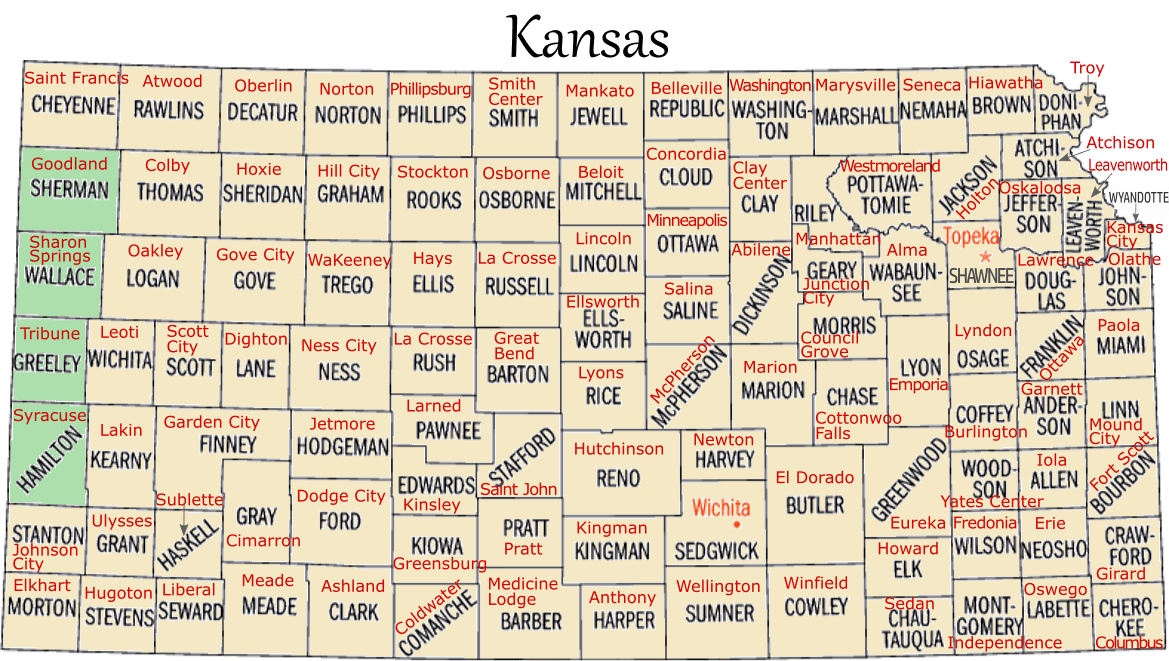
As you journey westward across Kansas, particularly into the far western counties bordering Colorado, the time shifts. A handful of counties observe Mountain Time (UTC-7 during standard time), which is one hour behind Central Time. These counties include Sherman, Wallace, Greeley, and Hamilton. For instance, if it’s 3:00 PM in Wichita (CT), it will be 2:00 PM in Goodland, a city in Sherman County that observes Mountain Time. This transition point is vital for road-trippers and those with appointments or bookings in the state’s westernmost reaches.
The Role of Daylight Saving Time (DST)
Like most of the United States, Kansas observes Daylight Saving Time (DST). This means that on the second Sunday in March, clocks “spring forward” one hour, and on the first Sunday in November, they “fall back” one hour. During DST, Central Time becomes Central Daylight Time (CDT, UTC-5), and Mountain Time becomes Mountain Daylight Time (MDT, UTC-6). The one-hour difference between the two zones in Kansas remains consistent, regardless of DST. Always confirm the current date and whether DST is in effect when planning your travel, especially for flights and timed events.
Why Time Zones Matter for Your Kansas Journey
Understanding the time zones in Kansas is not just an academic exercise; it’s a practical necessity that impacts virtually every aspect of your travel itinerary. From arrival to departure, being aware of the local time ensures a smooth, stress-free adventure through the Sunflower State.
Streamlining Travel Planning and Logistics
Imagine booking a rental car pick-up or a specific tour that operates on a different time zone than your arrival airport – a common pitfall for the uninitiated. Flights, especially those with connecting legs or arrivals near a time zone boundary, require precise time calculations. Knowing whether your destination city, such as Dodge City (CT) or Garden City (CT), is in the same time zone as your flight arrival in Wichita (CT) is critical. Similarly, hotel check-in and check-out times, pre-booked shuttle services, or train schedules are all time-sensitive. A miscalculation of even an hour can lead to missed connections, forfeited bookings, or unnecessary delays, impacting the start of your Kansas adventure.
Coordinating Business and Appointments
For those traveling to Kansas for business, understanding the time zones is paramount. Scheduling meetings, conference calls, or professional visits across different parts of the state means accounting for the potential one-hour shift. If you’re attending a workshop in Lawrence (CT) in the morning and have a virtual meeting with a colleague in Colby (CT) in the afternoon, it’s straightforward. However, if that meeting is with a client in Sherman County, you’ll need to adjust your clock by an hour. Operating hours for banks, government offices, and many businesses also adhere strictly to local time, so knowing the correct time ensures you don’t arrive too early or too late.
Maximizing Your Experience of Local Attractions and Events
Kansas boasts a wealth of attractions, from the historical richness of Abilene to the natural beauty of the Flint Hills. Museums, state parks, art galleries, and other points of interest typically have fixed opening and closing hours. Missing the window to explore the Kansas State Capitol in Topeka or the Strataca in Hutchinson due to a time zone miscalculation can be disappointing. Furthermore, attending local festivals, sporting events, or live performances requires strict adherence to their published start times, all of which are based on the specific local time zone. Checking the time zone of your desired activity against your current location’s time is a simple yet crucial step to ensure you catch every moment.
Navigating Time Across Kansas: A Practical Guide
As you traverse the diverse landscapes of Kansas, being prepared for time changes will allow you to focus on the experience rather than logistical headaches. Practical strategies and tools can make this transition seamless.
Key Cities and Their Time Zones
Most major cities travelers are likely to visit are in the Central Time Zone:
- Topeka: Central Time
- Wichita: Central Time
- Kansas City (KS side): Central Time
- Lawrence: Central Time
- Manhattan (Kansas): Central Time
- Dodge City: Central Time
- Garden City: Central Time
Only a few counties in the extreme west observe Mountain Time. If your itinerary takes you to towns like Goodland or Sharon Springs, be prepared for the one-hour shift.
Understanding Time Zone Borders on the Road
For those embarking on a scenic drive across Kansas, the transition between time zones is often marked by signage on major highways. Keep an eye out for these indicators, particularly when driving west from Central Time into Mountain Time. When traveling east, you’ll gain an hour. It’s a good practice to manually adjust your watch or check your smartphone’s time after seeing such a sign, as vehicle clocks might not update automatically.
Leveraging Technology and Tools
Modern technology makes managing time zones significantly easier.
- Smartphones: Most smartphones automatically adjust to local time zones when connected to cellular networks, using GPS and network data. However, always double-check, especially if you’ve been in areas with spotty reception or manually set your device to a different time.
- Online Time Zone Converters: Websites and apps dedicated to time zone conversion are invaluable resources. Before your trip, use these tools to convert important flight times, booking confirmations, and event schedules to the local time of your specific Kansas destination.
- World Clocks: Many digital watches and smart devices offer a “world clock” function, allowing you to monitor multiple time zones simultaneously. Set one for your home time and another for Kansas Central Time or Kansas Mountain Time as needed.
Beyond the Clock: Experiencing Kansas’ Diverse Offerings
With a firm grasp of Kansas’ time zones, you’re free to immerse yourself fully in the state’s offerings, from its historical trails to its natural wonders, ensuring you arrive on time and prepared for every experience.
Central Time Zone Adventures
The majority of Kansas’s most renowned attractions are situated in the Central Time Zone. Plan your visit to the expansive Tallgrass Prairie National Preserve, where the timeless beauty of the prairie beckons, or explore the vibrant arts scene and historical sites in Wichita. Attend a university sporting event in Lawrence or Manhattan, or delve into the cowboy heritage of Dodge City. All these experiences operate on Central Time, allowing for consistent scheduling throughout your eastern and central Kansas explorations.
Mountain Time Zone Wonders
Don’t let the time zone shift deter you from exploring the rugged beauty of western Kansas. This region offers unique geological formations and stunning natural landscapes, many of which operate on Mountain Time. Witness the awe-inspiring Monument Rocks National Natural Landmark, often referred to as the Kansas Pyramids, or marvel at the badlands formations of Little Jerusalem Badlands State Park. By setting your clock back an hour, you can perfectly time your sunrise or sunset photography, or ensure you reach these remote natural treasures before their visitor centers close.
Seasonal Considerations for Optimal Timing
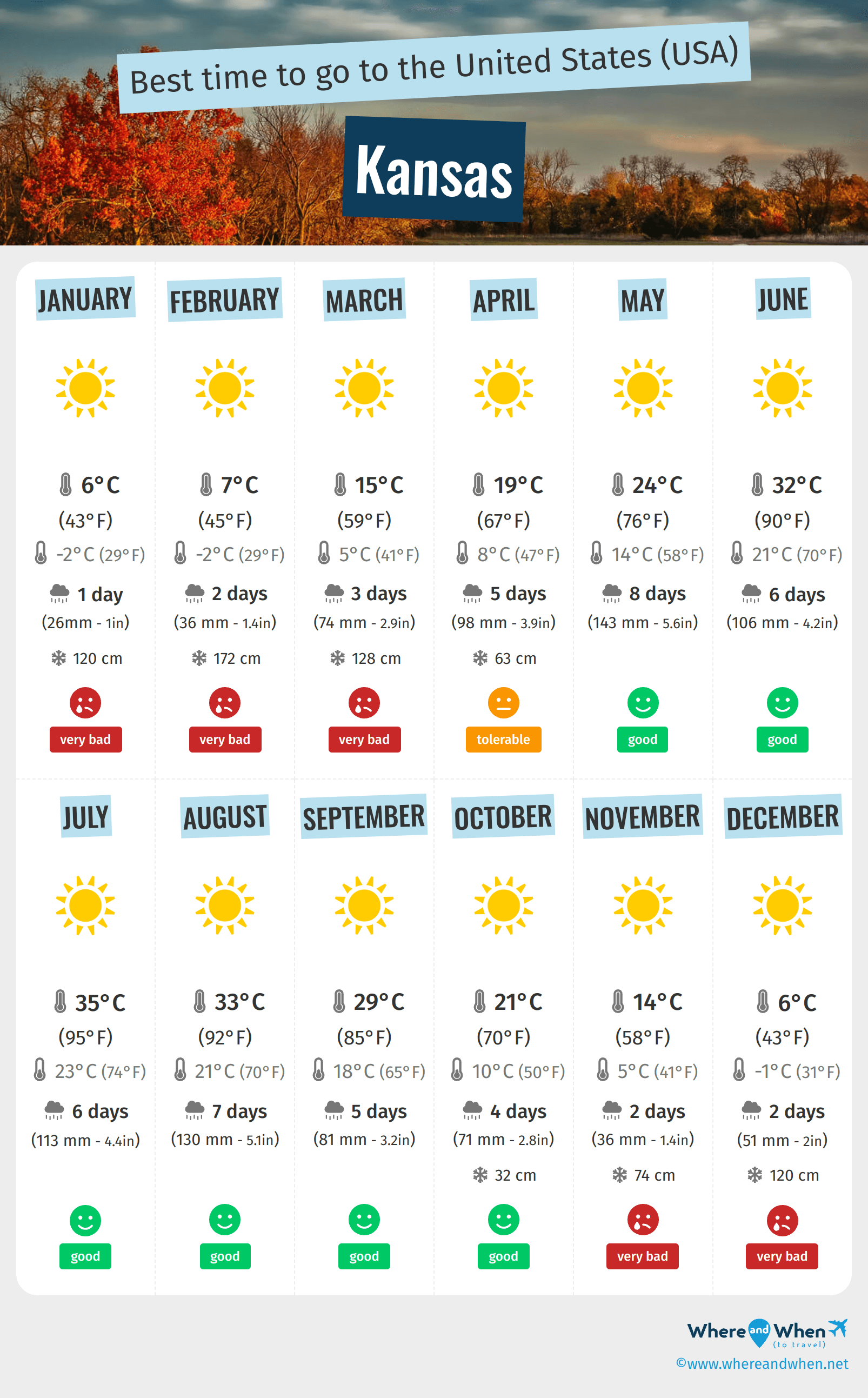
Beyond standard and daylight saving time, consider the time of year for your Kansas visit. Summer days are long, offering ample daylight for exploration, while winter brings shorter days and earlier sunsets. If you’re planning outdoor activities, knowing the time of year, combined with accurate local time, helps you plan effectively. For instance, a sunset viewing at the Flint Hills will occur earlier in the evening during winter months compared to summer, regardless of whether it’s Central Time or Mountain Time. Always cross-reference the season with the local time to optimize your itinerary for natural light and weather conditions.
In conclusion, while the question “What time is it in Kansas USA?” might seem simple, its answer is multifaceted and crucial for the discerning traveler. By understanding Kansas’ dual time zones, acknowledging Daylight Saving Time, and utilizing available tools, you can ensure that your journey through the heartland is synchronized, seamless, and entirely focused on the enriching experiences that await you. Your meticulously planned Kansas adventure begins with knowing the correct time.
LifeOutOfTheBox is a participant in the Amazon Services LLC Associates Program, an affiliate advertising program designed to provide a means for sites to earn advertising fees by advertising and linking to Amazon.com. Amazon, the Amazon logo, AmazonSupply, and the AmazonSupply logo are trademarks of Amazon.com, Inc. or its affiliates. As an Amazon Associate we earn affiliate commissions from qualifying purchases.