
The allure of Las Vegas is undeniable. It’s a city synonymous with excitement, entertainment, and the promise of an unforgettable experience. Whether you’re drawn by the dazzling lights of the Strip, the world-class dining, the adrenaline-pumping shows, or the chance to try your luck at the tables, planning your trip to this desert oasis requires understanding the fundamental question: “How far is it to Las Vegas?” This distance, of course, is not a fixed number but a variable dependent on your starting point and chosen mode of transportation. This comprehensive guide will explore the various ways to reach Las Vegas, offering insights into travel times, distances, and what to expect for different types of travelers, from the luxury seeker to the budget-conscious adventurer.
Traveling to Las Vegas: A Multitude of Routes
The journey to Las Vegas is as varied as the city itself. Depending on your origin, you’ll likely consider flying, driving, or perhaps even embarking on a scenic train journey. Each method offers a unique perspective and set of considerations, influencing your overall travel experience and budget.
By Air: The Fastest Route to the Entertainment Capital
For many, flying is the most efficient way to reach Las Vegas. The primary gateway is McCarran International Airport (LAS), conveniently located just a few miles south of the Las Vegas Strip. Numerous airlines operate flights to Las Vegas from major cities across the United States and internationally, making it accessible from virtually anywhere.
The flight duration will, naturally, depend heavily on your departure city. For instance, a direct flight from Los Angeles to Las Vegas is a short hop, typically lasting around 1 hour and 15 minutes. This makes Las Vegas a popular weekend getaway destination for Californians. Traveling from further afield, such as New York City, will result in a flight time of approximately 5 to 6 hours. Transcontinental flights from the West Coast are generally shorter, around 3 to 4 hours from cities like Seattle or Portland.
International travelers will experience longer flight times, often involving layovers. From London, for example, a flight to Las Vegas can range from 10 to 15 hours, depending on the connections. Similarly, travelers from Australia might face journeys exceeding 20 hours, including layovers in cities like Los Angeles or San Francisco.
When considering air travel, it’s essential to factor in travel to and from the airport, check-in times, and potential delays. Despite the actual flight time, the entire process of getting to Las Vegas by plane can often add several hours. However, for those seeking to maximize their time in the city, flying remains the undisputed champion of speed.
By Road: The Classic American Road Trip
For those who prefer the freedom and flexibility of a road trip, driving to Las Vegas offers a different, often more immersive, travel experience. The distances can be significant, but the journey itself can be part of the adventure, allowing you to explore other attractions along the way.
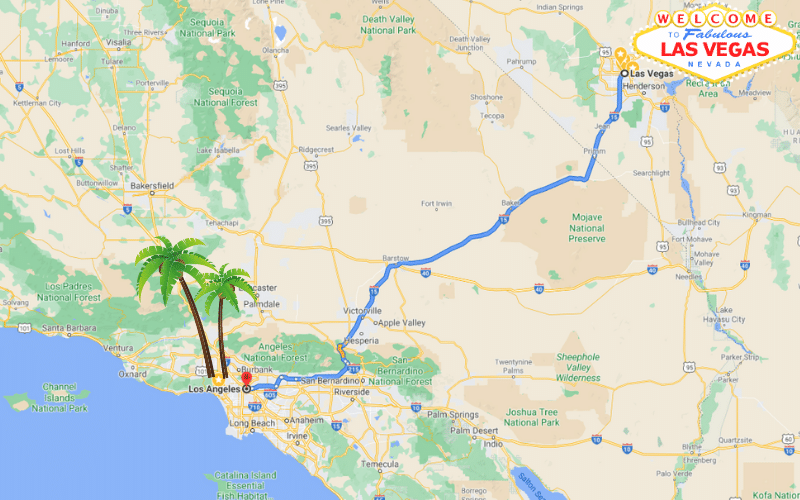
From Los Angeles, the drive to Las Vegas is a relatively manageable 4 to 5 hours, covering approximately 270 miles. This makes it an extremely popular driving route, especially for spontaneous trips or those who want to pack their own gear. The drive primarily follows Interstate 15 North.
Driving from San Diego adds a bit more time, typically around 5 to 6 hours, covering about 330 miles, also largely utilizing Interstate 15 North.
Further north, from San Francisco, the drive is considerably longer, around 9 to 10 hours, covering approximately 560 miles. This route usually involves driving south on Interstate 5 before heading east on Interstate 15.
For those embarking on a cross-country journey, the distances become more substantial. Driving from Denver, Colorado, to Las Vegas is about an 11 to 12-hour drive, covering roughly 750 miles. The route often involves Interstate 70 West and Interstate 15 South.
From the Midwest, such as Chicago, the drive is a significant undertaking, typically spanning 24 to 26 hours of pure driving time, covering over 1,700 miles. This would necessitate at least two, if not three, overnight stops.
When planning a road trip, it’s crucial to consider fuel costs, potential lodging expenses, and the wear and tear on your vehicle. Breaks for rest, meals, and sightseeing are also vital components of a safe and enjoyable drive. Maps and GPS navigation are indispensable tools, and it’s wise to check road conditions, especially if traveling during inclement weather.
By Rail: A Scenic, Though Less Direct, Option
While not as common as flying or driving for reaching Las Vegas, train travel can offer a unique and scenic perspective. Amtrak offers services that can get you close to Las Vegas, though typically not directly into the city center.
The closest major Amtrak station to Las Vegas is in Kingman, Arizona, which is about a 1.5 to 2-hour drive from Las Vegas. Travelers can then take a bus or shuttle service to complete their journey. Another option involves traveling to Barstow, California, which has a more direct rail connection from cities like Los Angeles, and then arranging onward transportation to Las Vegas.
The Amtrak routes often showcase the diverse landscapes of the American West, providing a relaxed and unhurried way to travel. This option is best suited for travelers who have ample time and appreciate the journey as much as the destination. It’s important to book train tickets in advance, especially for popular routes, and to research the best connections and onward travel arrangements to Las Vegas from the nearest Amtrak stations.
Understanding Travel Times and Distances
The perceived “distance” to Las Vegas is a combination of physical miles and the time it takes to traverse them. This is influenced by your mode of transport, traffic conditions, and any stops you make.
Factors Affecting Travel Time
Several key factors will influence how long it actually takes you to get to Las Vegas:
- Mode of Transportation: As discussed, flying is the quickest for long distances, while driving offers flexibility but takes longer. Train travel is generally the slowest.
- Origin Point: The further you are from Nevada, the longer your journey will be.
- Direct vs. Indirect Routes: Flights with layovers will significantly extend travel time compared to direct flights. Similarly, road trips with multiple stops will take longer than a direct drive.
- Traffic and Road Conditions: For drivers, traffic congestion, especially in and around major cities like Los Angeles, can add considerable time. Road construction, accidents, or adverse weather can also cause delays.
- Time of Day and Day of Week: Traveling during peak hours or holiday weekends can lead to slower travel times, particularly for road trips.
- Border Crossings: For international travelers driving from Canada or flying from abroad, border crossing times can be a factor.
Distance Examples
To provide a clearer picture, here are some approximate distances from major cities to Las Vegas:
- Los Angeles, California: ~270 miles
- San Diego, California: ~330 miles
- San Francisco, California: ~560 miles
- Phoenix, Arizona: ~300 miles
- Denver, Colorado: ~750 miles
- Salt Lake City, Utah: ~410 miles
- Seattle, Washington: ~1,070 miles
- Dallas, Texas: ~1,250 miles
- Chicago, Illinois: ~1,750 miles
These distances are for planning purposes. Actual driving times will vary based on the factors mentioned above. When planning your trip, it’s always wise to consult real-time traffic and mapping services to get the most accurate travel time estimates.
Planning Your Las Vegas Adventure: From Luxury Stays to Budget Escapes
Once you know how far Las Vegas is and have chosen your preferred mode of transport, the next step is to plan your stay. Las Vegas caters to every travel style and budget, offering a wide array of accommodations and experiences.
Accommodation Options: Finding Your Perfect Base
Las Vegas is renowned for its diverse hotel offerings, ranging from opulent mega-resorts to more budget-friendly options.
- Luxury Resorts and Hotels: For those seeking the ultimate in pampering and entertainment, iconic hotels like The Bellagio, The Venetian, and Wynn Las Vegas offer lavish suites, fine dining, world-class spas, and unparalleled service. These resorts are often destinations in themselves, featuring elaborate architecture, themed environments, and exclusive amenities.
- Mid-Range Hotels: Many hotels on the Strip and downtown offer excellent value, providing comfortable accommodations with good access to attractions. Properties like the MGM Grand or Planet Hollywood offer a balance of amenities and affordability.
- Budget-Friendly Stays: Outside the immediate Strip area or in older downtown properties, you can find more economical choices. These may offer fewer amenities but can be a great option for travelers focused on experiencing the city’s attractions rather than staying within a luxury hotel.
- Apartments and Villas: For longer stays or for families and groups seeking more space and privacy, vacation rentals or serviced apartments can be a viable alternative. These often come with kitchens and living areas, allowing for a more home-like experience.
When booking accommodation, consider factors such as location (proximity to attractions you wish to visit), desired amenities (pool, spa, casino, dining options), and reviews from previous guests. Comparing prices across different booking platforms can also help you secure the best deals.

Experiencing Las Vegas: Beyond the Casino Floor
While Las Vegas is synonymous with gambling, its appeal extends far beyond the casino floor. The city offers a vibrant tapestry of experiences for every type of traveler.
- Attractions and Landmarks: The Las Vegas Strip itself is a major attraction, with its themed hotels and dazzling light displays. Must-see landmarks include the Eiffel Tower replica at Paris Las Vegas, the Fountains of Bellagio, and the High Roller observation wheel. For a dose of history and culture, consider visiting the Neon Museum or the Mob Museum.
- Entertainment and Shows: Las Vegas is a global hub for entertainment. World-famous performers, Cirque du Soleil extravaganzas, magic shows, and stand-up comedy acts grace the stages of its many theaters nightly. Booking tickets in advance is highly recommended, especially for popular shows.
- Dining: From celebrity chef restaurants to casual eateries, Las Vegas is a culinary paradise. You can find virtually any cuisine imaginable, catering to all tastes and budgets.
- Activities and Day Trips: The natural beauty surrounding Las Vegas offers a stark contrast to the urban energy. Popular day trips include visiting the Grand Canyon, exploring Hoover Dam, or hiking in Red Rock Canyon National Conservation Area. For those seeking adventure, there are opportunities for off-roading, helicopter tours, and even skydiving.
- Local Culture: While often overlooked, Las Vegas has a growing local scene. Exploring areas like the Arts District can reveal independent galleries, unique shops, and a more authentic glimpse into the city’s culture.
Whether you’re planning a quick weekend escape or an extended stay, understanding “How Far Is It To Las Vegas?” is the first step. With this knowledge, you can better plan your journey, choose the perfect accommodation, and prepare to immerse yourself in the unparalleled excitement of this unique desert city.
LifeOutOfTheBox is a participant in the Amazon Services LLC Associates Program, an affiliate advertising program designed to provide a means for sites to earn advertising fees by advertising and linking to Amazon.com. Amazon, the Amazon logo, AmazonSupply, and the AmazonSupply logo are trademarks of Amazon.com, Inc. or its affiliates. As an Amazon Associate we earn affiliate commissions from qualifying purchases.