
When planning a trip to the dazzling oasis of Las Vegas, Nevada, a fundamental piece of logistical information is understanding its geographical location. This iconic city, synonymous with entertainment, luxury, and unforgettable experiences, resides within a specific administrative boundary that dictates local governance, services, and sometimes even the unique character of its districts. The question of “What county is Las Vegas, Nevada in?” is a straightforward one with a clear answer, yet it opens the door to exploring the broader context of this vibrant destination.
The Heart of Clark County: Understanding Las Vegas‘s Administrative Home
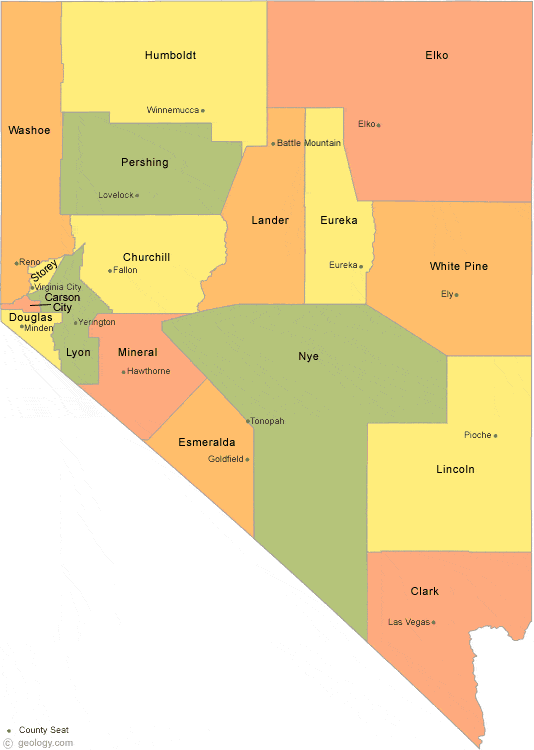
The immediate and definitive answer to “What county is Las Vegas, Nevada in?” is Clark County. This sprawling county in southeastern Nevada is not only the administrative home of Las Vegas but also encompasses other well-known communities like Henderson, North Las Vegas, and the unincorporated township of Paradise, where much of the famous Las Vegas Strip is technically located. Clark County was established in 1909 and named after William Andrew Clark, a prominent senator and industrialist. Its vastness and population make it the most populous county in Nevada, serving as the economic and cultural engine of the state.
The Significance of County Governance for Travelers
While the glitz and glamour of Las Vegas might seem detached from the mundane realities of county administration, understanding its placement within Clark County offers several practical benefits for travelers and residents alike.
- Local Regulations and Services: County governments are responsible for a wide array of services that directly impact your visit. This includes law enforcement, emergency services (such as fire departments and ambulance services), road maintenance, and public health initiatives. Knowing you are in Clark County ensures that these vital services are in place to maintain safety and order, particularly in a high-traffic tourist destination.
- Taxation and Fees: Local taxes, including sales tax and occupancy taxes (often referred to as hotel taxes), are levied at the county and city levels. While the differences might be minor for a short stay, understanding the tax structure can offer a clearer picture of the overall cost of your vacation. For instance, the Las Vegas Strip, though often colloquially associated with Las Vegas proper, lies within unincorporated Clark County, and its specific tax rates may differ slightly from those within the city limits of Las Vegas.
- Understanding Local Nuances: The distinction between Las Vegas city and unincorporated Clark County townships like Paradise and Winchester is crucial for many visitors. Many of the world-renowned resorts, casinos, and entertainment venues that people associate with Las Vegas are, in fact, located outside the official city boundaries. This means that while you’re experiencing the essence of Las Vegas, you might technically be staying in an unincorporated area governed by Clark County Commissioners. This distinction often influences local zoning, development, and the specific types of businesses that can operate.
- Planning and Navigation: While GPS and mapping services generally handle this seamlessly, understanding the county context can aid in more detailed planning. For example, if you’re interested in exploring areas beyond the immediate tourist hubs, knowing you are in Clark County might lead you to discover attractions managed at the county level, such as certain parks or recreational areas.
Exploring Clark County: Beyond the Bright Lights
Clark County is far more than just the home of Las Vegas. Its diverse landscape offers a wealth of attractions that extend the travel experience beyond the famous casinos and shows.
Natural Wonders and Outdoor Adventures
For those seeking to escape the urban bustle, Clark County boasts breathtaking natural landscapes. The Red Rock Canyon National Conservation Area, a jewel of Nevada‘s desert beauty, is a must-visit for hikers, climbers, and sightseers. Its striking red rock formations, scenic drives, and abundant wildlife provide a starkly beautiful contrast to the man-made wonders of the city.
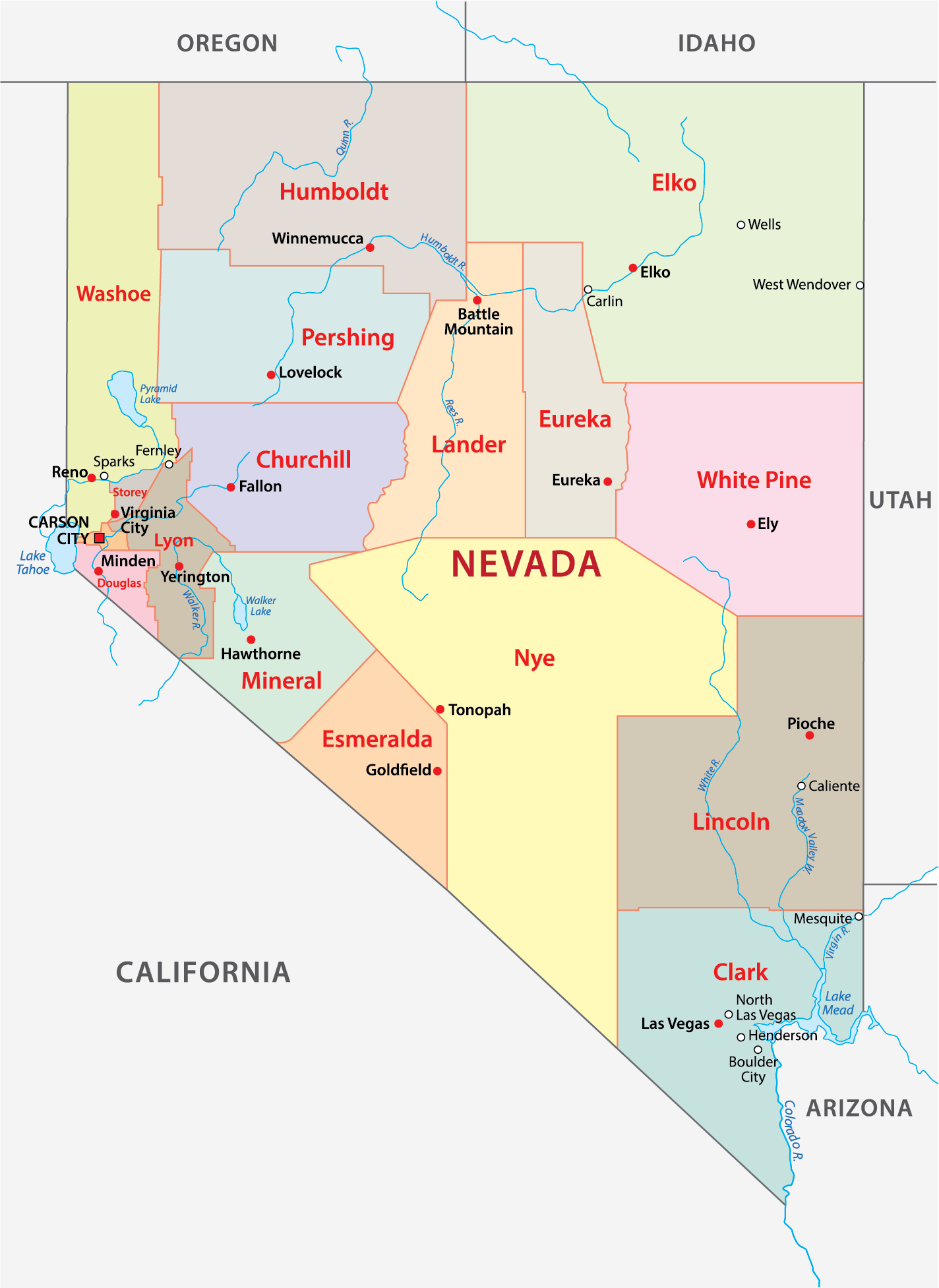
Just a short drive from the city, Lake Mead National Recreation Area offers opportunities for boating, swimming, fishing, and hiking. This vast reservoir, formed by the Hoover Dam, is a critical water source for the region and a popular spot for outdoor enthusiasts. The Colorado River also carves through the county, providing further recreational possibilities.
Historical and Cultural Landmarks
Within Clark County, history and culture are as varied as its landscapes. The Hoover Dam itself is an engineering marvel and a significant historical landmark, representing a monumental effort in the early 20th century. Tours of the dam offer a fascinating glimpse into its construction and operation.
Beyond the immediate vicinity of Las Vegas, the county is dotted with historical sites that speak to the region’s past, from ancient Native American settlements to remnants of the Old West. Exploring these less-traveled paths can provide a deeper appreciation for the evolution of this desert region.
Las Vegas‘s Unique Position within Clark County
The relationship between the city of Las Vegas and Clark County is one of symbiosis. The city serves as the primary economic driver, attracting millions of tourists annually, which in turn fuels the county’s economy. Conversely, Clark County provides the essential infrastructure, governance, and broader geographical context that allows Las Vegas to thrive as a global entertainment capital.
The Unincorporated Townships: Pillars of the Tourist Experience
It’s important to reiterate the significance of Clark County‘s unincorporated townships, particularly Paradise and Winchester. These areas are where many of the iconic resorts, casinos, and convention centers are located, including famous names like Caesars Palace, Bellagio, The Venetian, and the MGM Grand. When booking a hotel on the Las Vegas Strip, you are most likely staying in one of these unincorporated areas, which are managed directly by Clark County authorities. This distinction is not meant to diminish the Las Vegas experience but rather to provide a more accurate understanding of the local administrative landscape.
The City of Las Vegas: A Vibrant Hub in its Own Right
While the Las Vegas Strip garners much of the international attention, the actual city of Las Vegas is a substantial and dynamic urban center with its own unique attractions and character. Downtown Las Vegas, for instance, offers a different vibe, characterized by its historic casinos, the Fremont Street Experience, and a growing arts and culture scene. The city also includes residential neighborhoods, business districts, and various public services that cater to its permanent population. Understanding the city’s boundaries within Clark County helps differentiate between the tourist-centric development of the Strip and the broader municipal services and community life of the city itself.

Planning Your Las Vegas Adventure with County Knowledge
Knowing that Las Vegas, Nevada is in Clark County is more than just trivia; it’s a foundational piece of information for anyone embarking on a journey to this incredible destination. It grounds the fantastical experience of Las Vegas in a real-world administrative framework, offering clarity on services, governance, and the geographical nuances that shape the region. Whether you’re drawn to the allure of the Strip, the serenity of the desert landscapes, or the rich history of the area, understanding your location within Clark County enhances your appreciation and preparation for all that Las Vegas and its surroundings have to offer. From securing the best hotel deals to navigating local attractions and understanding the operational backbone of this desert metropolis, this simple geographical fact is the starting point for a truly informed and enriching visit.
LifeOutOfTheBox is a participant in the Amazon Services LLC Associates Program, an affiliate advertising program designed to provide a means for sites to earn advertising fees by advertising and linking to Amazon.com. Amazon, the Amazon logo, AmazonSupply, and the AmazonSupply logo are trademarks of Amazon.com, Inc. or its affiliates. As an Amazon Associate we earn affiliate commissions from qualifying purchases.