
Las Vegas, Nevada, often conjures images of glittering casinos, vibrant nightlife, and luxurious resorts. While these iconic features define much of its allure, a lesser-discussed yet equally fundamental aspect of this desert metropolis is its elevation. Understanding the geographical position of Las Vegas offers profound insights into its climate, the unique challenges and opportunities it presents to visitors, and how it shapes the overall travel experience. Far from being a mere statistic, the elevation plays a crucial role in everything from the city’s weather patterns to the physiological responses of those arriving from sea level. For any traveler planning a trip to this renowned destination, gaining a comprehensive understanding of its elevation is not just interesting—it’s incredibly insightful for a well-prepared and enjoyable visit.
Understanding Las Vegas’s Unique Geographical Context
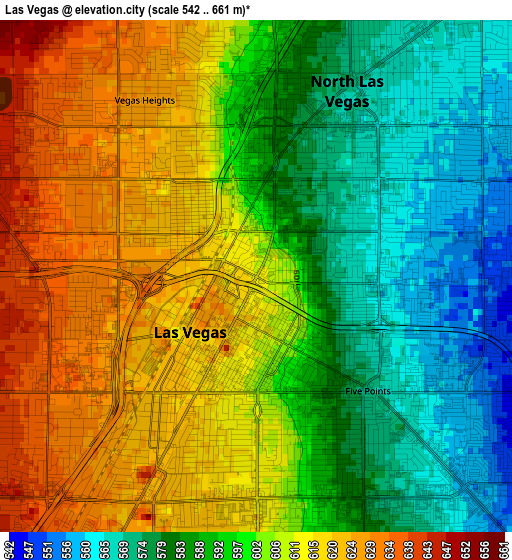
The elevation of Las Vegas is far from uniform across its sprawling urban landscape, but its central valley areas generally sit at an average of approximately 2,030 feet (620 meters) above sea level. This moderate elevation places it significantly higher than many coastal cities, yet well below the high-altitude regions often associated with mountain ranges. This specific positioning within the vast American Southwest is a cornerstone of its unique identity.
The Mojave Desert Setting
Las Vegas is situated squarely within the Mojave Desert, a unique and arid ecosystem characterized by its specific flora and fauna, extreme temperatures, and striking geological formations. The Mojave Desert itself is part of the larger Great Basin Desert system, a vast physiographic region of North America. This desert environment is defined by its basin-and-range topography, meaning it features numerous parallel mountain ranges separated by flat, arid valleys or basins. Las Vegas lies within one such basin, surrounded by various mountain ranges that contribute to its varied local elevations. These ranges include the Spring Mountains to the west, home to Mount Charleston, and the River Mountains to the southeast, which flank Lake Mead National Recreation Area. This topographical context directly influences the city’s elevation, climate, and the natural beauty that surrounds it, offering a stark contrast to the man-made marvels of the city center.
Average Elevation and Key Variances
While the general average of Las Vegas proper hovers around 2,000 feet, it’s crucial for travelers to understand that specific points within the metropolitan area can vary. For instance, the lowest points in the Las Vegas Valley are typically found near the washes and drainage channels, while suburban developments built on rising foothills will naturally sit at higher elevations. The Las Vegas Strip, the heart of the city’s tourism, typically ranges from approximately 1,900 feet to 2,100 feet. Downtown Las Vegas is similarly situated. This relatively consistent elevation across the main tourist areas means that most visitors will experience a similar atmospheric pressure and oxygen level, but awareness of this moderate altitude is still beneficial, especially for those venturing beyond the city lights into the surrounding natural attractions.
Implications of Elevation for Travelers
The moderate elevation of Las Vegas carries several practical implications for visitors, influencing everything from comfort levels to the perception of physical exertion. Understanding these factors can significantly enhance the travel experience, allowing for better preparation and enjoyment of all the city and its surroundings have to offer.
Climate and Weather Patterns
Elevation is a critical factor in shaping Las Vegas’s distinctive hot desert climate. At 2,000 feet, the air is generally drier and thinner than at sea level. This contributes to the intense summer heat, where temperatures frequently soar above 100°F (38°C), and the rapid cooling that occurs after sunset. The dry air, a direct consequence of its desert location and elevation, means that while the heat can be extreme, it is often a “dry heat,” which some find more tolerable than humid conditions. However, this dryness also accelerates dehydration, a crucial point for travelers. The elevation also plays a role in the intensity of solar radiation; with less atmosphere to filter UV rays, sun protection becomes even more vital.
Health Considerations for Visitors
For most healthy individuals, an elevation of 2,000 feet above sea level poses minimal health risks. However, individuals arriving from sea level might experience subtle physiological adjustments. Some common, albeit mild, symptoms could include a slight headache, increased heart rate, or mild fatigue during the first 24-48 hours. The combination of moderate elevation and the extremely dry air can also exacerbate dehydration. Travelers with pre-existing respiratory or cardiovascular conditions should consult their doctor before traveling and be particularly mindful of their body’s responses. It’s always wise to err on the side of caution and give your body time to adjust, especially before engaging in strenuous activities.
Impact on Physical Activities
While exploring the opulent casinos or strolling down the Las Vegas Strip might not feel like an athletic endeavor, venturing into the surrounding natural landscapes reveals how elevation can affect physical activities. Hiking in places like Red Rock Canyon National Conservation Area or the trails around Mount Charleston can feel more demanding than similar activities at sea level. The air is thinner, meaning less oxygen is available with each breath, which can lead to quicker fatigue. Visitors planning outdoor adventures should account for this, allowing for more frequent breaks and ensuring adequate hydration. Even walking long distances indoors in climate-controlled environments can be tiring, so factoring in the subtle impact of elevation and dry air is a good practice.
Exploring Higher and Lower Points in the Las Vegas Area
The topography around Las Vegas is surprisingly diverse, offering a range of elevations that cater to different experiences, from the vibrant urban core to serene natural escapes.
The Las Vegas Strip and Downtown
As previously mentioned, the Las Vegas Strip and Downtown Las Vegas areas maintain a relatively consistent elevation, typically between 1,900 and 2,100 feet (580 to 640 meters). This makes for a fairly uniform experience within the city’s main tourist hubs. The slight variations are generally imperceptible to the average visitor and do not significantly impact the travel experience within these areas. The focus here remains on the dazzling architecture and entertainment rather than the subtle shifts in altitude.
Surrounding Natural Attractions

Beyond the city limits, the elevation changes dramatically, offering varied climates and landscapes. To the west, the majestic Spring Mountains rise steeply, with Mount Charleston, the highest peak, reaching an impressive 11,916 feet (3,632 meters). This stark contrast in elevation from the city provides a completely different environment, with pine forests, cooler temperatures, and even snow in winter, making it a popular escape from the desert heat.
To the west of the city, the Red Rock Canyon National Conservation Area offers stunning geological formations and hiking trails. Its elevations generally range from around 3,000 feet to over 5,000 feet (914 to 1,524 meters), making it noticeably higher than the city and requiring more consideration for physical exertion and sun exposure.
To the southeast, the Lake Mead National Recreation Area and the iconic Hoover Dam present a different elevation profile. The surface elevation of Lake Mead itself fluctuates due to water levels but is typically around 1,100 feet (335 meters) above sea level, making it significantly lower than Las Vegas. The Colorado River canyon below the Hoover Dam drops even further, creating a unique microclimate that can be even hotter and more intense than the city. This dramatic descent highlights the basin-and-range topography that defines the region.
Geological Formations and Topography
The diverse elevations surrounding Las Vegas are a testament to millions of years of geological activity. The region is part of the Basin and Range Province, characterized by extensive faulting and crustal stretching that has created numerous mountain ranges and intervening valleys. These geological forces have uplifted mountains and caused basins to drop, creating the varied landscape we see today. Erosion by wind and water, though infrequent in this arid climate, has further sculpted the terrain, revealing the vibrant red sandstone of Red Rock Canyon National Conservation Area and carving out the impressive Black Canyon of the Colorado River. Understanding this geological history adds another layer of appreciation for the breathtaking natural beauty just a short drive from the man-made wonders of the city.
Preparing for Your Las Vegas Trip: Elevation-Wise Tips
Knowing the elevation of Las Vegas is the first step; the next is to incorporate this knowledge into your travel preparations to ensure a smooth and enjoyable visit. Thoughtful planning can help mitigate any minor discomforts and allow you to fully immerse yourself in all the experiences Las Vegas has to offer.
Hydration is Key
Given the combination of moderate elevation and extremely arid conditions, staying hydrated is paramount. The dry air at 2,000 feet causes moisture to evaporate from your skin and respiratory system more quickly than at sea level. This means you’ll need to drink more water than you might typically. Carry a reusable water bottle and refill it frequently. Many hotels and venues offer water stations, and bottled water is readily available. Avoid excessive alcohol and caffeine, especially upon arrival, as these can contribute to dehydration. Prioritizing water intake will help prevent headaches, fatigue, and other mild symptoms associated with the elevation and climate.
Acclimatization and Pacing
While Las Vegas’s elevation isn’t extreme, giving your body a chance to acclimatize is still a wise strategy, especially if you plan strenuous activities. Upon arrival, take it easy for the first day. Avoid immediate intense workouts or long, challenging hikes. Allow yourself to adjust to the drier air and slightly thinner oxygen. Pacing yourself throughout your trip, especially if you’re exploring the vast interiors of resorts or walking extensively, will contribute to a more comfortable experience. Listen to your body and take breaks when needed.
Dressing for the Climate
The elevation contributes to the intensity of Las Vegas’s desert climate. Summers are intensely hot with low humidity. Pack light, breathable clothing, preferably made from natural fabrics like cotton or linen. Even in the height of summer, evenings can bring a noticeable drop in temperature, so a light jacket or cardigan is a good idea. During winter months, while daytime temperatures are mild, nights can be quite cool, and the high desert elevation can lead to sharp temperature swings, necessitating warmer layers. Preparing for both daytime heat and potential evening coolness is crucial for comfort.
Sun Protection
With less atmospheric protection at 2,000 feet and the typically clear desert skies, the sun’s UV rays are powerful in Las Vegas. Sunburn can occur rapidly, even on seemingly cloudy days. Always apply high-SPF sunscreen, wear a wide-brimmed hat, and use UV-protective sunglasses. Seek shade during the peak sun hours of midday. If you’re spending time by the pool or exploring outdoor attractions like Red Rock Canyon National Conservation Area or Lake Mead National Recreation Area, reapply sunscreen regularly, especially after swimming or sweating. Protecting your skin is vital for an enjoyable trip and long-term health.
The Broader Landscape: Las Vegas in the Great Basin
Placing Las Vegas within its broader geographical context reveals how its elevation is not an isolated feature but an integral part of a vast and complex natural region.
Regional Topography and Basins
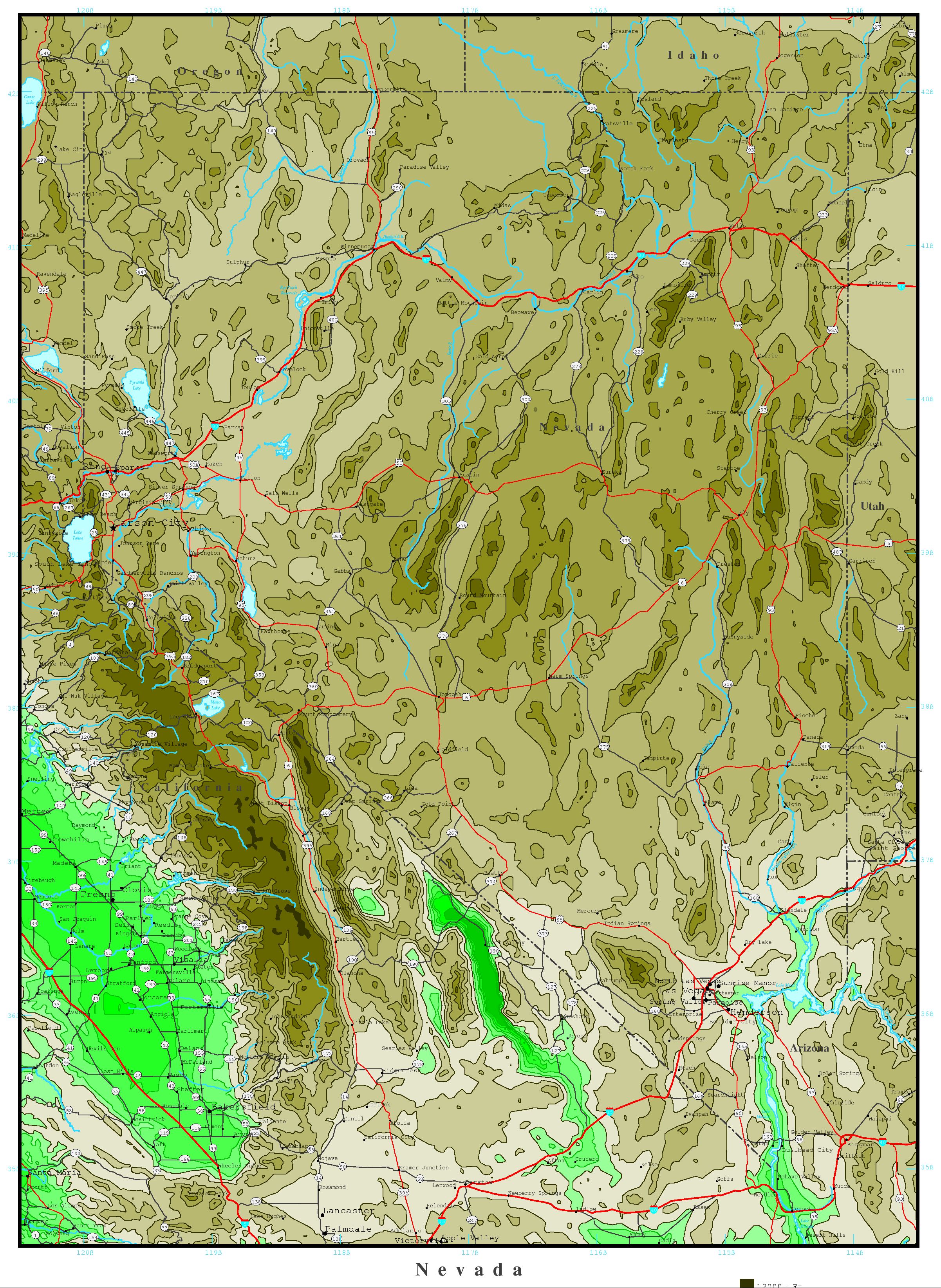
Las Vegas is nestled within the Great Basin Desert, an immense endorheic (internally draining) region that covers most of Nevada and parts of surrounding states. This unique topography is defined by its “basin and range” characteristics—numerous mountain ranges separated by arid valleys or basins, with no outlet to the ocean. The Las Vegas Valley is one such basin, a relatively flat expanse surrounded by various mountain ranges. This geological structure directly dictates the local elevation, trapping air and contributing to the extreme temperatures. The presence of these surrounding mountains, like the Spring Mountains, also creates rain shadows, ensuring the valley remains exceptionally dry. To the west, the lowest point in North America, Death Valley, provides a dramatic contrast, dropping to 282 feet (86 meters) below sea level, just a few hours’ drive from the moderately elevated Las Vegas.
Elevation’s Role in Ecosystems
The varying elevations across the Las Vegas region support a fascinating array of ecosystems. The arid Mojave Desert floor, at around 2,000 feet, is home to iconic plants like the Joshua tree, creosote bush, and various cacti, all adapted to extreme heat and drought. As elevations increase, such as in Red Rock Canyon National Conservation Area (3,000-5,000 feet), the vegetation begins to shift, with more diverse shrubs and even some pinyon pines and junipers appearing at higher reaches. Climbing further into the Spring Mountains towards Mount Charleston (over 10,000 feet), one encounters a montane forest environment, complete with aspens, white firs, and ponderosa pines, providing a striking ecological shift. These distinct elevation zones create varied habitats for wildlife, from desert tortoises and bighorn sheep at lower altitudes to deer and mountain lions in the higher mountain ecosystems. The elevation, therefore, is not just a measurement but a fundamental determinant of the natural world surrounding this extraordinary city, offering travelers a chance to explore a spectrum of landscapes and biodiversity.
LifeOutOfTheBox is a participant in the Amazon Services LLC Associates Program, an affiliate advertising program designed to provide a means for sites to earn advertising fees by advertising and linking to Amazon.com. Amazon, the Amazon logo, AmazonSupply, and the AmazonSupply logo are trademarks of Amazon.com, Inc. or its affiliates. As an Amazon Associate we earn affiliate commissions from qualifying purchases.