
As the vibrant heart of the Mojave Desert, Las Vegas beckons millions of visitors annually with its dazzling lights, world-class entertainment, and unparalleled atmosphere. Whether you’re planning a romantic getaway, a family adventure, a business trip, or a solo exploration of the city’s iconic attractions, understanding the weather forecast is an indispensable part of your trip planning. A well-timed visit can enhance your experience, allowing you to fully enjoy the myriad of activities on offer, from exploring the architectural marvels of the Strip to venturing out to the breathtaking natural landscapes nearby. Conversely, being prepared for the elements ensures that unexpected weather doesn’t derail your meticulously planned itinerary. This guide will delve into the typical weather patterns of Las Vegas, offer insights into how to best plan your visit around them, and provide practical tips for packing and making the most of your stay, no matter the season.

The weather in Las Vegas is characterized by its desert climate: hot, dry summers and mild winters. This distinct seasonality means that the experience of visiting can vary significantly depending on when you choose to go. Understanding these variations will empower you to select the ideal time for your visit and pack accordingly, ensuring comfort and maximizing your enjoyment of this unique destination. From the scorching heat of July and August to the pleasantly cool evenings of January, the Nevada desert presents a dynamic meteorological canvas.
Understanding Las Vegas’s Climate: A Seasonal Breakdown
Las Vegas experiences a classic desert climate, with significant temperature swings between day and night, and pronounced differences between its summer and winter months. The low humidity is a defining characteristic year-round, making even high temperatures feel somewhat more bearable than in more humid regions. However, this dryness also means that sun protection and hydration are paramount at all times.
Summer (June – August): The Reign of Heat
Summers in Las Vegas are undeniably hot, with temperatures frequently soaring above 100°F (38°C) and often reaching 110°F (43°C) or higher. July and August are typically the hottest months. The sun is intense, and the dry air offers little relief. Daylight hours are long, providing ample opportunity for outdoor activities, but these should be planned for the cooler parts of the day, such as early mornings or late evenings.
During the summer, the average high temperatures hover around 90°F (32°C) in June, climbing to approximately 104°F (40°C) in July and August. Overnight lows offer some respite, generally falling into the comfortable range of the 70s°F (mid-20s°C). Despite the heat, the Las Vegas Strip and its surrounding attractions remain bustling with activity, as most major venues are indoors and air-conditioned.
Rainfall is exceptionally rare during the summer months, with only a trace amount typically recorded. However, occasional thunderstorms can develop, particularly in late summer, bringing a brief, intense downpour and a welcome drop in temperature, though these are usually short-lived.
Autumn (September – November): A Pleasant Transition
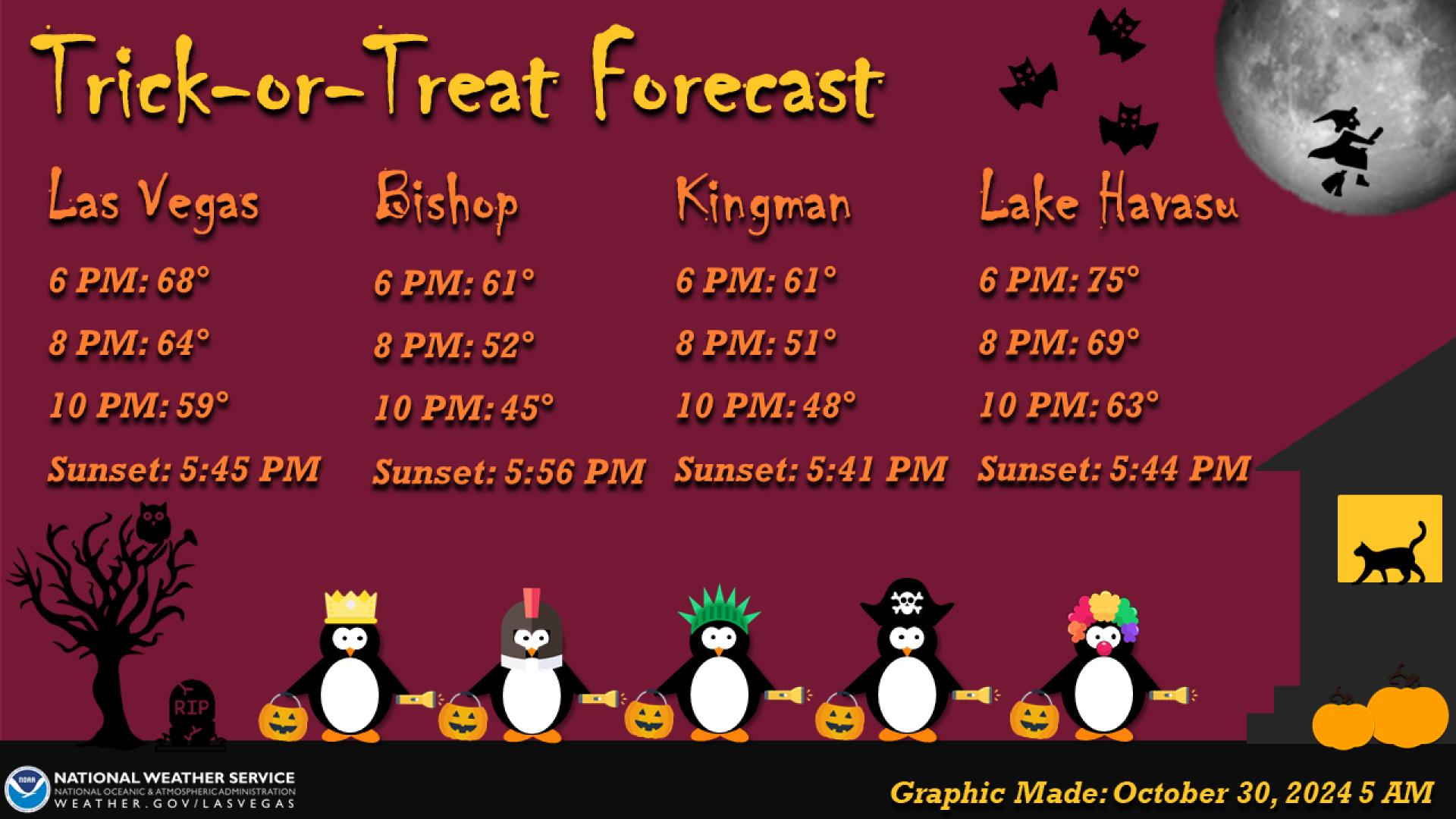
As the calendar turns to autumn, Las Vegas begins to shed its intense summer heat, offering some of the most pleasant weather of the year. September still carries a significant amount of residual warmth, with daytime highs often in the 90s°F (low 30s°C), but it gradually cools down throughout the season. By November, average daytime temperatures are in the 60s°F (mid-to-high teens°C), making it ideal for exploring the city and its surroundings on foot.
October is particularly sought after by many visitors, with average highs in the pleasant low 80s°F (high 20s°C) and comfortable evenings. This is a prime time for enjoying outdoor dining, attending events at venues like the Allegiant Stadium, or taking day trips to nearby natural wonders.
While still relatively dry, autumn can see a slight increase in precipitation compared to summer, though significant rainfall remains uncommon. The air becomes crisper, and the dramatic desert sunsets are often complemented by clear, starry skies.
Winter (December – February): Mild and Invigorating
Las Vegas winters are mild and generally sunny, offering a stark contrast to the harsh winters experienced in many other parts of the United States. Daytime temperatures typically range from the 50s to the 60s°F (10-20°C), making it a popular winter escape for those seeking sunshine and outdoor activities.
December and January are the coolest months, with average highs around 58°F (14°C). Evenings can become quite chilly, with temperatures often dropping into the 30s and 40s°F (single digits to low teens°C). It’s not uncommon to see frost on the ground in the early mornings. While snow is a rare occurrence, it has been known to fall on occasion, usually resulting in a beautiful, albeit brief, dusting.
Despite the cooler temperatures, the sunshine is abundant, and days are still long enough to enjoy many of the city’s attractions. This season is excellent for visiting the Red Rock Canyon National Conservation Area or the Hoover Dam without the oppressive summer heat.
Spring (March – May): Blooming Beauty and Warming Sun
Spring in Las Vegas mirrors the pleasant transition of autumn, offering beautiful weather as the desert flora comes to life. March can still have some cooler days, with average highs in the low 70s°F (low 20s°C), but by April and May, the temperatures are steadily climbing back towards summer levels.
April is often considered an ideal month, with average highs in the mid-80s°F (around 29°C) and comfortable evenings. May sees temperatures rise into the 90s°F (low 30s°C), signaling the approach of summer’s full intensity. This season is perfect for enjoying the outdoor pools at the numerous resorts, exploring the Fremont Street Experience, or taking scenic drives.
Spring also brings a slightly higher chance of rain than summer, though significant precipitation is still infrequent. The landscape can appear more vibrant, with desert wildflowers occasionally blooming after winter rains.
Planning Your Las Vegas Visit Around the Weather
Understanding these seasonal nuances is key to planning a successful trip to Las Vegas. The time of year you choose can profoundly impact your ability to enjoy outdoor activities, your packing list, and even the types of events you might encounter.
Best Times to Visit for Outdoor Activities and Sightseeing
For those who prioritize outdoor exploration and comfortable sightseeing, the shoulder seasons of Spring (April-May) and Autumn (September-October) are generally considered the best times to visit Las Vegas. During these months, the extreme heat of summer subsides, and the chill of winter has yet to arrive or has passed.
Spring offers a delightful climate for exploring attractions like the Neon Museum or taking a hike in Valley of Fire State Park. The weather is warm enough for enjoying poolside lounging at your chosen accommodation, such as the luxurious Bellagio or the family-friendly Excalibur Hotel & Casino, without the overwhelming heat.
Autumn provides similarly ideal conditions. Imagine strolling along the Las Vegas Strip in the late afternoon or early evening, with temperatures in the 70s°F (low 20s°C), perfect for enjoying the vibrant nightlife and iconic landmarks. It’s also an excellent period for day trips to natural wonders like the Grand Canyon, which is accessible from Las Vegas for a memorable excursion.
Navigating Extreme Weather and Special Events
While Las Vegas is renowned for its predictable sunshine, it’s wise to be prepared for occasional extreme weather. Summer heat waves can push temperatures even higher than the averages, making prolonged outdoor activity ill-advised. If you’re visiting during the summer, always stay hydrated, seek shade, and plan strenuous activities for the coolest parts of the day. Consider indoor attractions like the Mob Museum or a captivating show at the Colosseum at Caesars Palace during the hottest hours.
Winter, though mild, can bring surprisingly cold nights. Packing layers is crucial, and you might find yourself enjoying indoor pursuits like fine dining at establishments like Joël Robuchon or exploring the shopping at The Forum Shops at Caesars.
Special events and holidays, such as New Year’s Eve (which features spectacular fireworks displays and large crowds) or Cinco de Mayo celebrations, can coincide with various weather patterns. Always check the specific forecast closer to your travel dates, as large gatherings and outdoor festivities are subject to weather conditions. Major sporting events at Allegiant Stadium are often scheduled with the climate in mind, but comfort for attendees is always a consideration, especially for outdoor seating.
Packing Essentials for All Seasons
Regardless of when you visit Las Vegas, a few essential items should always be part of your packing list. However, the specific clothing and gear will vary significantly with the seasons.
Summer Attire: Beat the Heat in Style
For summer visits, lightweight, breathable clothing is paramount. Think cotton, linen, and moisture-wicking fabrics.
- Clothing: T-shirts, shorts, sundresses, light trousers, and tank tops. For evenings, a light cardigan or jacket might be useful as some indoor venues can be cool.
- Footwear: Comfortable walking shoes are a must, as you’ll likely be doing a lot of walking. Sandals or flip-flops are great for lounging by the pool.
- Sun Protection: A wide-brimmed hat, sunglasses, and high SPF sunscreen are non-negotiable. Consider a rash guard for extra protection if you plan on spending extended time outdoors.
- Hydration: A reusable water bottle is highly recommended to stay hydrated, and many places offer free water refills.
Spring, Autumn, and Winter Wardrobe: Layering is Key
For the more temperate months of spring and autumn, and the mild winter, layering is the most effective strategy.
- Clothing: A mix of long-sleeved shirts, t-shirts, sweaters, and a light to medium-weight jacket or coat. Jeans or comfortable trousers are suitable. For spring and autumn evenings, a slightly warmer jacket might be needed.
- Footwear: Comfortable walking shoes remain essential. You might also want to pack a slightly dressier pair for evenings out.
- Accessories: A scarf can add warmth and style in cooler months. Gloves might be necessary for early mornings or late evenings in winter.

Don’t Forget These Universal Travel Items:
- Medications: Pack any personal prescription or over-the-counter medications you might need.
- Electronics: Chargers for your phone, camera, and any other devices. A portable power bank can be incredibly useful, especially when you’re out and about exploring attractions like the Eiffel Tower Viewing Deck at Paris Las Vegas.
- Identification and Documents: Driver’s license or passport, hotel reservations, and any other important travel documents.
- A Small Backpack or Day Bag: Perfect for carrying essentials like water, sunscreen, a camera, and a light layer when you’re out exploring during the day.
By understanding the weather forecast for Las Vegas and planning accordingly, you can ensure a comfortable, enjoyable, and memorable trip to this iconic desert oasis. Whether you’re a budget traveler seeking a unique experience or a luxury seeker indulging in the finest resorts, the weather plays a vital role in shaping your adventure. Always check the most up-to-date forecast before you depart and embrace the dynamic climate of Las Vegas!
LifeOutOfTheBox is a participant in the Amazon Services LLC Associates Program, an affiliate advertising program designed to provide a means for sites to earn advertising fees by advertising and linking to Amazon.com. Amazon, the Amazon logo, AmazonSupply, and the AmazonSupply logo are trademarks of Amazon.com, Inc. or its affiliates. As an Amazon Associate we earn affiliate commissions from qualifying purchases.